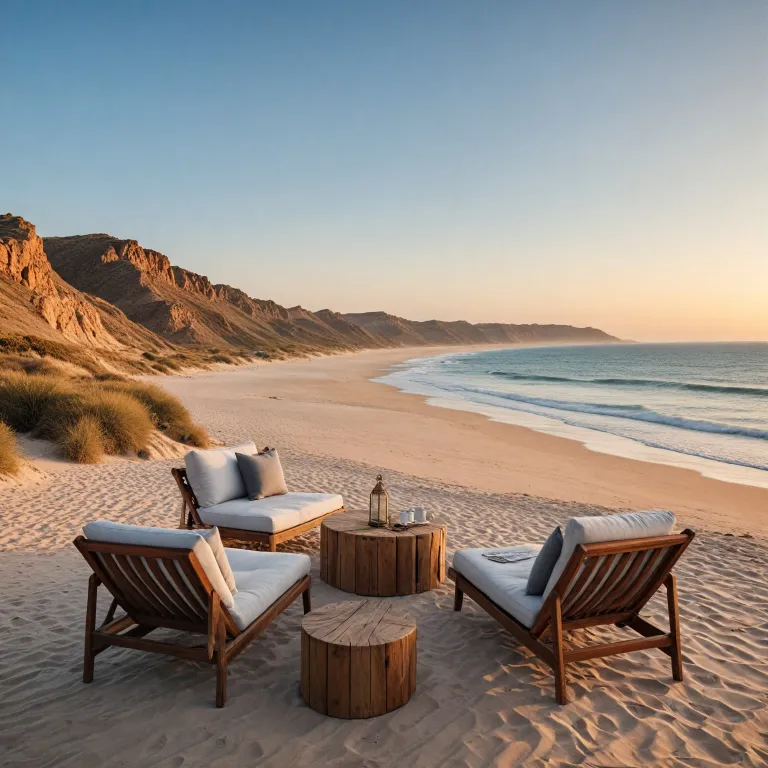
Namibia beaches where desert meets the Atlantic coast in style
Along the wild Atlantic coast of Namibia, the Namib Desert runs directly into the ocean. This rare meeting of sand, water, and wind creates Namibia beaches that feel cinematic yet surprisingly accessible for premium travel. For guests choosing luxury hotels, the coast of Namibia offers a dramatic backdrop that elevates every stay.
Stretching for more than 1 500 km, the coast of Namibia includes long ribbons of sand, rugged headlands, and remote bays. Many travellers arrive in Swakopmund first, using this relaxed town as a base to explore nearby dunes and each beach and bay along the shoreline. With the right guide Namibia becomes an elegant coastal escape, rather than only an adventure destination in Africa.
Swakopmund sits between the Namib Desert and the Atlantic coast, giving guests easy access to urban comforts and wild landscapes. Luxury and premium hotels here often frame views of the sand dunes on one side and the open water on the other, which helps travellers understand why beaches Namibia are so visually striking. When you plan to visit Namibia, consider how many nights you want directly on the coast and how many closer to the inland desert.
The Namibian Government regulates this coastline carefully, balancing tourism with conservation. This oversight helps protect sensitive sand dunes, wetlands, and marine life that make Namibia beaches so distinctive for discerning travellers. It also reassures guests that their stay supports responsible coastal management rather than unchecked development.
Choosing luxury hotels along Namibia’s coast for beach focused stays
For travellers comparing luxury and premium hotels, location along the coast of Namibia is the first strategic decision. Properties in Swakopmund place you near a lively promenade, a central beach, and quick access to the Namib Desert’s sand dunes. Further north or south, hotels become more secluded, ideal for guests seeking quieter Namibia beaches and a stronger sense of remoteness.
Swakopmund remains the most established coastal hub in Africa for combining desert activities with refined hospitality. Many premium hotels here offer direct access to the main town beach and easy day trips to Walvis Bay and its sheltered bay lagoon. When reading any guide Namibia specialists provide, look for details about transfer times in minutes, especially if you value short drives between your suite and the sand.
Walvis Bay, about thirty minutes from Swakopmund, appeals to travellers who prioritise water based experiences. The calm bay lagoon hosts flamingos, pelicans, and dolphins, while nearby Pelican Point shelters a large seal colony along a narrow spit of sand. Luxury hotels in Walvis Bay often focus on lagoon views and curated excursions, including kayaking, catamaran cruises, and guided drives to Sandwich Harbour.
Before confirming a reservation, study how each hotel frames access to the coast Namibia offers. Some properties emphasise dune views more than direct beach access, which suits guests focused on desert photography and quad biking. Others highlight proximity to the Atlantic coast, ideal for long walks on the sand and cool sea breezes after hot days inland.
For deeper inspiration on elevated stays, review this dedicated resource on luxury and premium hotel booking website inspiration for Namibia before finalising your itinerary.
Signature Namibia beaches from Swakopmund to Walvis Bay and beyond
Swakopmund’s main beach offers a gentle introduction to Namibia beaches, with a long pier, soft sand, and a relaxed promenade. Here the Atlantic coast feels approachable, with cafés and restaurants close enough for guests to move easily between terrace tables and the water’s edge. Many premium hotels line this stretch of coast Namibia travellers favour for its balance of comfort and coastal atmosphere.
South of Swakopmund, Walvis Bay presents a different character, shaped by its protected bay lagoon and working harbour. The town’s waterfront is less about sunbathing and more about marine excursions, birdlife, and the interplay between desert and water. Guests can watch flamingos feed in the shallows while sand dunes rise behind the town, creating a layered landscape unique in Africa.
Pelican Point, at the tip of the bay, is one of the most atmospheric beaches Namibia offers for wildlife focused stays. A large seal colony occupies the outer coast, while the inner side faces the calmer lagoon and its shifting sand bars. Some high end lodges near Pelican Point provide intimate access to this environment, with guided walks along the point beach and sunrise views over the water.
Further south, Sandwich Harbour lies where towering sand dunes plunge directly into the Atlantic coast, forming one of the most photographed Namibia beaches. Access usually requires a guided 4x4 excursion timed carefully with the tides, often described as a min read of the coastline’s raw power. Travellers staying in Swakopmund or Walvis Bay can reach Sandwich Harbour on a day trip, returning to their luxury hotel for refined dining in the evening.
Exploring the Skeleton Coast, shipwrecks, and remote bays in style
North of Swakopmund, the Skeleton Coast begins to reveal its stark beauty, shaped by fog, wind, and powerful currents. This stretch of coast Namibia is famous for shipwrecks, bleached skeleton remains, and a haunting sense of isolation. For many travellers, it represents the most dramatic expression of Namibia beaches, where comfort depends heavily on careful planning and the right lodge.
The Skeleton Coast forms part of a broader coast national conservation mosaic, including a major national park that protects dunes, gravel plains, and marine ecosystems. Access is regulated, and many areas can only be visited with licensed operators who understand the terrain and tides. This structure supports both safety and sustainability, aligning with the Namibian Government’s goals for responsible coastal tourism.
Henties Bay offers a more relaxed gateway to the Skeleton Coast, popular with fishing enthusiasts and self drive travellers. The town’s long beach and nearby shorelines attract anglers targeting species that thrive in the cold Atlantic coast waters. Premium guesthouses and small hotels here focus on practical comforts, secure parking, and early breakfast times tailored to fishing schedules.
Further north, Terrace Bay sits inside the Skeleton Coast national park and feels genuinely remote, surrounded by dunes and pounding surf. Here the appeal lies less in classic beach relaxation and more in the raw energy of the coast and its shipwrecks. Guests choosing to visit Namibia for this region often combine Terrace Bay with more luxurious nights in Swakopmund or Walvis Bay, balancing wilderness with indulgence.
As one expert summary notes, “Explore the Skeleton Coast for its unique shipwrecks and desolate beauty.” This perspective captures why high end travellers increasingly include the Skeleton Coast in their Namibia beaches itineraries, even when they prefer premium comfort elsewhere.
Activities on Namibia beaches from fishing to dunes and wildlife
Namibia beaches support a wide range of activities that extend far beyond simple sunbathing, especially around Swakopmund and Walvis Bay. Sandboarding and quad biking on nearby sand dunes allow guests to experience the Namib Desert’s textures at speed. Many luxury hotels coordinate these excursions directly, ensuring timing, safety, and transfers are handled with minimal effort for guests.
Along the Atlantic coast, fishing remains a major draw, particularly near Henties Bay and certain stretches of the Skeleton Coast. Anglers can target species from the shore or join guided trips that provide equipment, permits, and local expertise. When reading any min read style overview of coastal activities, pay attention to seasonal patterns, as swell and water temperatures influence conditions.
Marine wildlife experiences concentrate around Walvis Bay and its bay lagoon, where dolphins, seals, and birds gather in large numbers. Catamaran cruises often combine close views of the seal colony with tastings of local oysters and sparkling wine. Guests staying in premium hotels can usually arrange private charters, which offer more flexibility for photography and personalised service.
Inland from many Namibia beaches, the Namib Desert and wider Namib Sand Sea provide opportunities for scenic flights and guided walks. These excursions reveal how the desert’s sand dunes shift over time, and how plants and animals adapt to minimal water. For travellers who visit Namibia with a strong interest in landscapes, combining coastal and desert perspectives creates a richer understanding of this part of Africa.
To complement outdoor activities, consider reading this article on culinary inspirations from luxury and premium hotel booking websites, which pairs well with planning days along the coast.
Planning a premium coastal itinerary and using booking websites wisely
Designing an itinerary focused on Namibia beaches starts with deciding how many nights to allocate to each coastal hub. Many travellers split their time between Swakopmund, Walvis Bay, and at least one more remote area such as Henties Bay or Terrace Bay. This pattern allows guests to experience both the social energy of town beaches and the solitude of the Skeleton Coast.
Luxury and premium hotel booking websites help compare properties along the coast of Namibia efficiently, but they require careful reading. Pay attention to room descriptions, noting whether views face the ocean, the desert, or an internal courtyard. When a listing mentions proximity to a specific beach or bay, cross check the map to confirm walking distances in metres rather than relying on vague phrases.
For travellers who plan to visit Namibia primarily for its Atlantic coast, filter results by coastal access and activity offerings. Some hotels specialise in fishing packages, while others focus on dune adventures, wildlife cruises, or wellness retreats overlooking the water. Reading the min read summaries on booking platforms can provide a quick sense of each property’s strengths before you study longer reviews.
Because Namibia’s coastline includes protected areas and a major national park, confirm whether your chosen hotel can arrange permits and guided access. This is particularly important for destinations such as Sandwich Harbour, Pelican Point, and sections of the Skeleton Coast national park. A well connected hotel can coordinate with licensed operators, ensuring that your time on Namibia beaches remains both safe and environmentally responsible.
For authoritative planning support, the Namibia Tourism Board and reputable platforms referencing guide Namibia resources remain valuable, especially when aligning luxury expectations with coastal realities.
Environmental stewardship, climate considerations, and trusted resources
Behind the beauty of Namibia beaches lies a complex environmental story shaped by the Namib Desert, the cold Benguela Current, and climate change. The coastline’s sand dunes and fragile bay lagoon systems depend on careful management, which the Namibian Government oversees through legislation and monitoring. International partners and local communities collaborate to balance tourism, fishing, and regulated mining along the coast Namibia encompasses.
Climate projections indicate that rising sea levels could increase erosion risks for certain beaches Namibia travellers enjoy today. According to expert commentary, “Projected sea level rise poses a threat to coastal areas, potentially leading to erosion and flooding of tourist landmarks.” For guests booking luxury stays, this context underscores the importance of supporting properties that invest in sustainable design and coastal resilience.
In practice, responsible hotels along the Atlantic coast often implement water saving measures, dune friendly pathways, and low impact lighting. Some partner with conservation organisations that study the Namib Desert and its interface with the ocean, including the Skeleton Coast and adjacent national park zones. When you visit Namibia, consider choosing properties that share transparent sustainability reports and support local guide Namibia initiatives.
Travellers can also contribute by respecting access rules around seal colony sites, nesting areas, and sensitive sand dunes. Staying on marked paths, following guide instructions at Pelican Point or Sandwich Harbour, and minimising vehicle tracks on the beach all help protect ecosystems. Over time, such choices ensure that future guests can still experience the raw appeal of Namibia beaches, from Swakopmund’s town shoreline to the remote bays near Terrace Bay.
For authoritative information, consult the Namibia Tourism Board, the Namibian Government’s official portals, and established conservation partners that publish data on the Atlantic coast and the wider Namib Desert.
Key coastal statistics for Namibia beaches
- Namibia’s coastline extends for approximately 1 500 km along the Atlantic coast, offering a wide variety of beaches and bays.
- About 78 % of this coastline consists of sandy beaches, interspersed with rocky headlands and lagoon systems.
- Dune 7 near Walvis Bay rises to around 388 metres, making it one of the highest accessible sand dunes in the region.
Essential questions about Namibia’s coast and beaches
What are the main attractions along Namibia's coastline?
Key attractions include Swakopmund Beach, the Skeleton Coast, and the towering dunes of Sossusvlei. Many travellers combine these with visits to Walvis Bay, Sandwich Harbour, and selected sections of the Skeleton Coast national park. Together they showcase how the Namib Desert meets the Atlantic coast in a single, coherent itinerary.
How is climate change impacting Namibia's beaches?
Projected sea level rise poses a threat to coastal areas, potentially leading to erosion and flooding of tourist landmarks. This risk is particularly relevant for low lying bay lagoon systems and certain stretches of Namibia beaches near towns. Travellers can support adaptation efforts by choosing hotels and operators that invest in resilient infrastructure and environmental monitoring.
What activities can tourists engage in along Namibia's beaches?
Tourists can enjoy activities such as sandboarding, quad biking, surfing, and exploring shipwrecks along the coast. In addition, many visitors join marine cruises in Walvis Bay, guided 4x4 trips to Sandwich Harbour, and fishing excursions near Henties Bay. These experiences allow guests to appreciate both the recreational and ecological value of Namibia beaches.
Trusted sources for further reading include the Namibia Tourism Board (www.namibiatourism.com.na), the Namibian Government’s official portal (www.gov.na), and the World Bank Climate Risk Country Profile for Namibia.
