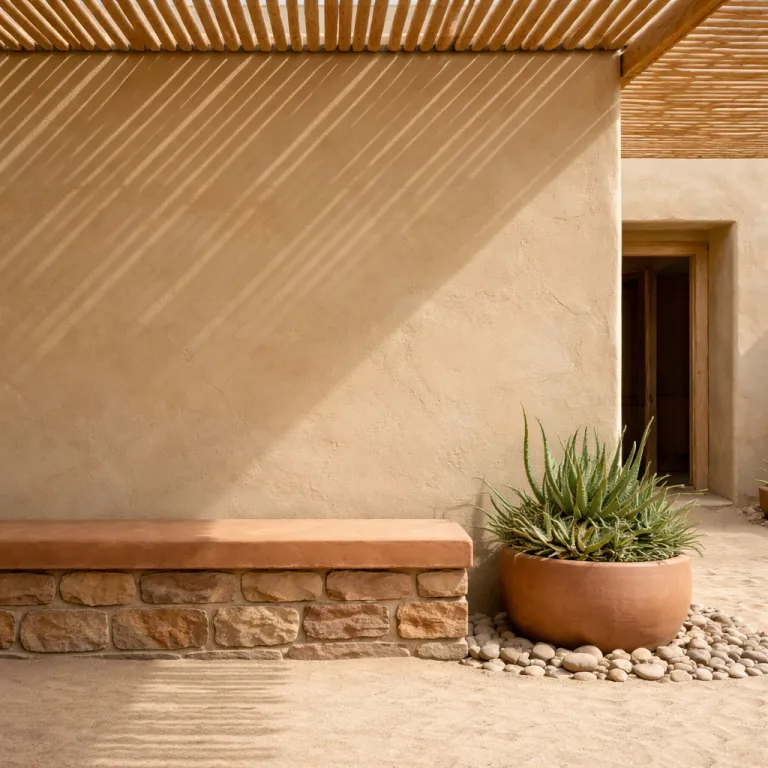
Subtraction as the new luxury logic in Namibia lodge architecture
Namibia lodge architecture has shifted from spectacle to near silence. Where older properties chased every amenity, the new generation of desert lodges edits ruthlessly until only what serves the landscape remains. For an executive traveler used to resort excess, that restraint feels unexpectedly opulent.
This is not minimalism for its own sake; it is a strategic project of subtraction that protects fragile ecosystems while heightening every view and every sound. In a country where a single dune can dominate an entire area, the best architects now ask what can be removed from a building rather than what can be added. That question is reshaping how luxury safari lodge experiences are conceived across Africa, even as operators and tourism authorities stress that comfort standards must remain high.
At Hoanib Skeleton Coast Camp, rammed earth walls and insulated canvas roofs replace the heavy masonry that once defined safari lodge buildings. The architecture leans into the desert landscape instead of fighting it, using solar power and natural ventilation to keep energy use low while maintaining comfort. Wilderness, the operator, reports in its sustainability brief that a hybrid solar system supplies most of the camp’s electricity, with backup generators used sparingly in peak demand periods and during prolonged overcast spells. This is where contemporary Namibia lodge architecture begins to compete conceptually with Aman or Six Senses, not by copying them but by responding to the Skeleton Coast winds and inland heat with its own logic.
Across the country, there are now around fifty eco‑focused lodge properties, a scale that forces serious thinking about cumulative impact. This indicative figure is drawn from Namibia Tourism Board accommodation summaries and cross‑checked against major operator portfolios, rather than from a single census. The national park network and surrounding conservancies cannot absorb endless concrete without consequence, so the leading architects have turned to lighter, more reversible construction. For the business‑leisure guest, that means sleeping in a safari lodge that feels both grounded and temporary, like a carefully placed camp rather than a permanent resort.
The thesis is simple yet radical for luxury travel in Africa. True privilege in this desert is not another plunge pool, but the ability to sit in silence while red sand shifts outside and nothing mechanical intrudes. High‑end Namibian lodge design, at its best, now treats every unnecessary object as visual noise between you and the desert landscape, while still delivering reliable hot water, effective shading, and well‑insulated sleeping areas.
That shift matters for executives who have already stayed at the most lauded properties on other continents. When you have done the overwater villa and the rainforest spa, a lodge in Namibia that gives you only what the desert can support feels like the next logical step. Subtraction becomes the rarest amenity of all, provided it is backed by robust engineering rather than by simple cost cutting.
Materials manifesto: how buildings disappear into red earth and sky
The most interesting Namibia lodge architecture today starts with soil, not sketches. Architects walk the desert landscape first, reading the red earth, the prevailing winds, and the way light moves across each area before they commit to a single line of design. Only then do they decide how a building can almost vanish into its surroundings.
Local stone, timber, and thatch remain the backbone of many projects, but the material palette has become more precise and more technical. Rammed earth, used at Hoanib Skeleton Coast Camp and other desert lodge sites, offers thermal mass that keeps suites cool by day and warm by night without aggressive air conditioning. Operator fact sheets typically cite internal temperature swings reduced by several degrees compared with lightweight construction. Solar power systems, grey‑water recycling, and natural ventilation are now standard tools rather than marketing extras in serious architectural projects.
Shipwreck Lodge on the Skeleton Coast is the most photographed example of this material intelligence. Designed by Nina Maritz and her team at Maritz Architects, the building forms echo the shipwreck silhouettes that dot this coastline, while the timber structures sit lightly on the sand to avoid scarring the national park. Here, Namibia lodge architecture uses narrative as a material, turning the idea of a shipwreck into both shelter and symbol, with insulated wall panels and high‑performance glazing quietly handling the Atlantic chill.
Red Earth Game Lodge, designed by Slee & Co. Architects, takes a different approach in another part of Namibia. Slee Architects pushed the buildings into the red earth itself, using compacted soil and stone to create a low profile that almost disappears at dusk. For guests, the effect is subtle; you feel held by the desert rather than perched above it, with each view framed by earth‑toned walls that never compete with the horizon.
Inside, the best interior design teams understand that restraint must continue. Fox Browne Creative, often referred to locally as Browne Creative, brought this philosophy to the refurbishment of &Beyond Sossusvlei Desert Lodge, using glass, stone, and muted textiles to pull the Sossusvlei desert directly into the suites. The interior architecture is deliberately quiet, allowing the red sand dunes and night sky to become the primary artworks, while concealed services handle air circulation and water use with minimal visual intrusion.
For the executive traveler, these material choices translate into a different kind of comfort. You still have high‑thread‑count linens and precise lighting, but you also sleep in a building that breathes with the desert instead of sealing you away from it. Namibia lodge architecture, when handled by architects like Nina Maritz or Slee, proves that luxury and environmental responsibility can share the same wall, a point echoed in both operator sustainability reports and independent tourism board case studies.
Four landscapes, not one brand: the Vestige model and its rivals
While many global hotel groups chase a unified aesthetic, Namibia lodge architecture is moving in the opposite direction. Vestige Collection’s four lodges, each anchored to a distinct landscape from Grootberg to the Kalahari, treat brand identity as secondary to the specifics of place. For a traveler extending a business trip, that means each lodge stay feels like a new chapter rather than a repeat performance.
This landscape‑first approach contrasts sharply with the templated luxury you may know from Asia or the Mediterranean. Where Aman’s Asian minimalism often relies on a consistent visual language across countries, Vestige and its Namibian peers allow each project to be shaped by geology, climate, and local culture. The result is a portfolio of lodges that share values but not façades, united by restraint rather than by a signature lobby scent.
Consider how this plays out between the Sossusvlei desert and the Skeleton Coast. A desert lodge near Sossusvlei, perhaps in the Kulala area, will stretch low and linear to maximise view lines to the dunes, using glass and stone to pull the red sand into every room. A coastal lodge like Shipwreck Lodge, by contrast, must hunker down against Atlantic winds, its architecture broken into smaller, shipwreck‑like forms that tuck into the sand for protection and reduce wind load on each structure.
Namibia’s safari lodge scene also benefits from a tight circle of recurring names who understand these nuances. Nina Maritz and Maritz Architects bring deep experience of coastal and desert conditions, while Slee & Co. Architects experiment with earth‑based structures that suit inland areas. Interior design studios such as Fox Browne Creative translate these architectural moves into tactile experiences, from the weight of a chair to the angle of a reading lamp.
Photography has played a quiet but powerful role in exporting this design language. Images by Michael Turek, Denzel Bezuidenhoudt, and Jack Alexander have circulated widely in travel media, showing how a safari lodge can sit almost invisibly within a desert landscape. Their work has helped position Namibia lodge architecture as a reference point for fragile‑environment hospitality across Africa, a perception reinforced in international travel features and operator brochures.
For executives comparing options, the key is to read beyond the brochure adjectives. When a lodge emphasises its connection to a specific national park, a particular dune belt, or a defined stretch of Skeleton Coast, you are likely looking at a place shaped by its landscape rather than by a corporate template. That is where the most interesting, and often the most sustainable, architecture is happening.
When less becomes too little: reading the fine print of desert restraint
There is a fine line between deliberate restraint and simple deprivation in Namibia lodge architecture. Some properties now market “off‑grid” and “stripped‑back” experiences so aggressively that guests arrive to find basic comforts missing rather than thoughtfully edited. For an executive traveler who has flown overnight from another continent, that distinction matters.
Subtraction works when it is underpinned by strong design and robust systems. Solar power, water conservation, and natural ventilation can deliver quiet, reliable comfort if the project has been engineered properly from the start. Phrases such as “Local stone, wood, and thatch are commonly used” and “By using solar power, water conservation, and local materials.” are not just sustainability slogans; they echo the technical backbone of serious Namibian eco‑lodge architecture described in Namibia Tourism Board and operator case studies, which consistently highlight energy storage capacity, borehole management, and wastewater treatment.
Problems arise when marketing outruns the architects. A safari lodge that removes air conditioning but fails to orient buildings correctly in the desert landscape will feel punishing rather than serene, especially in hotter months. Similarly, a desert lodge that celebrates its isolation but skimps on shade, insulation, or water storage is not practising environmental responsibility, it is cutting corners.
To read the fine print, look for specific names and details rather than vague eco language. If a lodge credits Nina Maritz, Slee Architects, or another recognised Namibian practice, you can assume the building has been tested against local conditions. References to Fox Browne Creative or other serious interior design studios suggest that the interior architecture has been considered with equal care.
Also pay attention to how a property describes its relationship to food, light, and time. A lodge that talks about early‑morning dune walks, stargazing platforms, and long, slow dinners is probably aligning its rhythm with the desert rather than fighting it, which you can explore further through curated guides such as the culinary‑focused insights on My Namibia Stay’s blog about elevating your Namibian journey. By contrast, a place that promises a 24‑hour party in the Sossusvlei desert is working against the grain of the environment and will likely feel discordant.
Looking ahead, the Namibian variant of minimalism is likely to age better than many glass‑heavy resorts in harsher climates. Buildings that sit low in the red earth, that use replaceable materials, and that can be disassembled with minimal trace will adapt more easily to shifting regulations and climate pressures. For the executive traveler, choosing such lodges is not only an aesthetic decision, but a strategic one that aligns your travel with the future of fragile‑landscape hospitality across Africa.
Key figures shaping Namibia lodge architecture and sustainable luxury
- Namibia hosts around 50 eco‑oriented lodges, according to summaries of Namibia Tourism Board accommodation data and aggregated operator listings, a significant concentration that has pushed architects to refine low‑impact building strategies in desert and national park environments.
- Approximately 200 000 visitors stay in Namibian lodges each year, based on Namibia Tourism Board reporting and operator estimates for pre‑pandemic seasons, which means every architectural decision around water, energy, and materials scales into a substantial cumulative environmental impact.
- Recent flagship projects such as Shipwreck Lodge on the Skeleton Coast, Red Earth Game Lodge inland, and the refurbished &Beyond Sossusvlei Desert Lodge demonstrate how rammed earth, timber, and glass can be combined to reduce operational energy demand while maintaining high‑end comfort, as outlined in project descriptions by their developers and in tourism board case studies.
- Design practices including Nina Maritz Architects, Slee & Co. Architects, and Fox Browne Creative have become reference names in African desert lodge architecture, influencing how new safari lodge projects across Africa approach materials, interior design, and landscape integration.