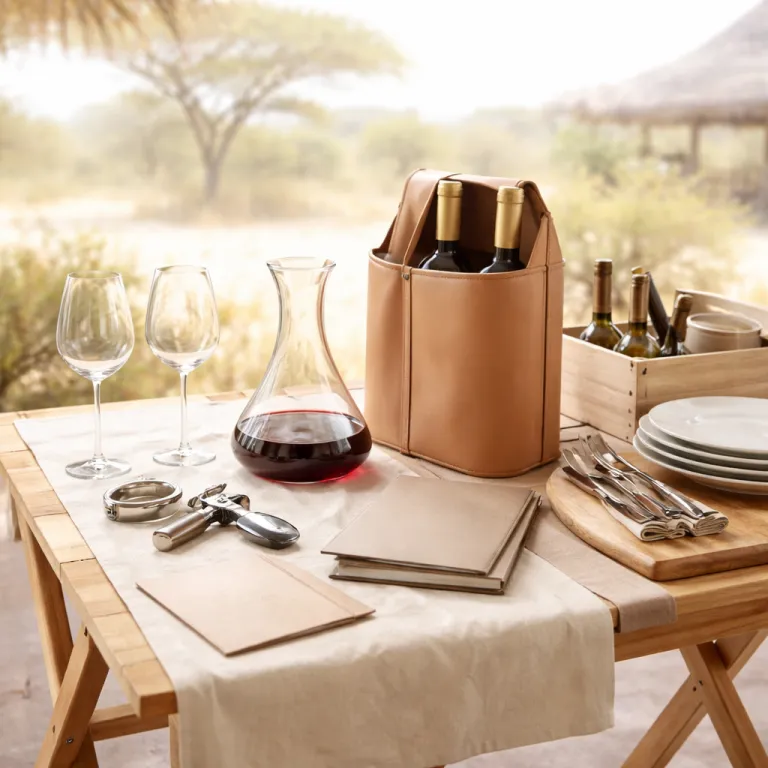
The Namibian bush dinner as emotional centrepiece, not photo prop
A bush dinner in Namibia can feel like theatre staged in the wild. When it works, the entire ritual becomes the emotional centre of your trip, not just another safari photo under the stars. When it fails, the same outdoor feast turns into a long shuffle between lukewarm platters, intrusive smoke from the fire, and guests quietly checking their watches.
For executive travellers extending work into leisure, the difference is operational. You are used to site inspections, service level agreements, and teams that either execute or do not, and the same lens applies to any wilderness dinner experience you book. The lodges that consistently deliver understand that this is not simply a meal in the bush, but a carefully choreographed hospitality performance where timing, temperature, and silence matter as much as the menu.
Across Namibia’s vast landscapes, from the desert plains near Sossusvlei to the mopane around Etosha, the best teams treat each evening under the stars as a stand alone project. They plan the nature drive, the sundowner stop, and the return to the fire as one continuous narrative that will feel effortless to you. Behind the scenes, lodge staff coordinate vehicles, lighting, security, and the chef so that your first glimpse of the table in the African bush feels almost imagined, yet completely assured.
Namibian operators know that guests arrive with high expectations shaped by marketing images. A promise of dining in the open air is now standard in many Etosha establishments and desert camps, but not every lodge should attempt it every night. The properties that get it right are selective, choosing evenings when wind, temperature, and moonlight will support the experience rather than fight it.
How a serious bush dinner is staged before you arrive
The setup begins hours before the first vehicle leaves the lodge. Teams scout a private reserve clearing or a safe corner of the bush near an Etosha pan, then position tables to frame the horizon and the stars while keeping a discreet buffer for security staff. Portable cooking equipment, lanterns, and bar stations are laid out so that the glow of the fire feels natural, not like a pop up restaurant in the desert.
At properties such as Mokuti and Sossusvlei Lodge, the best evenings start with a nature drive that ends in a sundowner stop just beyond the main site. You step out for a drink, watch the light fade over sand dunes and desert plains, then follow lanterns into the dining area in the Namibian bush as if the landscape itself has opened to introduce you. This pacing matters, because it shifts your attention from the vehicle to the African night before the first plate appears.
Operationally, the strongest teams work from a detailed checklist. They confirm wind direction so smoke from the fire will drift away from the tables, test every lantern to avoid harsh light pollution, and pre warm plates to guard against rapid cooling in the vast desert air. Eco friendly setups, gourmet menus, and private dining options are now standard at top Namibian lodges, but only a disciplined équipe can align them so that the whole occasion feels intimate rather than improvised.
For travellers comparing where to dine in Namibia beyond the main lodge, it is worth asking how far the bush dinner site is from the kitchen and how the return will be handled. A three kilometre transfer across rough bush tracks can feel magical on the way out, yet tiring after a long dinner if vehicles are not ready on time. As one operations manager put it plainly to us in a 2023 internal training note, “What is a bush dinner? An outdoor meal in the wilderness, often under the stars,” and the logistics must respect that simplicity.
The chef on site, the wines, and the three hour rule
The decisive question for any serious bush dinner Namibia reservation is whether the chef travels to the site. At some Etosha establishments and desert camps, the kitchen sends platters from the lodge, which means food begins cooling the moment it leaves the pass. The lodges that treat the bush dinner as an unforgettable experience insist that the chef and a core équipe cook on site, accepting the logistical complexity in exchange for control.
At Mokuti Etosha, the team often uses a semi open bush kitchen so guests can see flames, hear pans, and still feel that the African night remains the main spectacle. Sossusvlei Lodge, operating on the edge of the vast desert and its sand dunes, has refined a hybrid model where slow cooked dishes leave the main kitchen while delicate courses are finished beside the fire. Both approaches work, provided the chef is present to adjust pacing and temperature as the evening evolves, typically aiming for a three course structure with shared starters, grilled mains, and plated desserts.
Wine logistics separate competent from exceptional operations. Most Namibian lodges lean on South African programmes with a tight list of European bottles, but the key in the bush is temperature, glassware, and a staff member who can act as sommelier under the stars. Ice buckets, insulated carriers, and proper stems must travel out with the bar team, ensuring that a Cabernet poured beside the fire tastes as precise as it would in the lodge dining room.
The most reliable format is a three hour arc from first drink to final dessert. Shorter bush dinners feel rushed, while longer evenings risk fatigue, cold guests, and food that struggles to stay at the right temperature. When you book, ask explicitly how long the bush dinner will run, whether the chef will be on site, and how the wine service is handled from the first sundowner pour to the last glass by the fire.
Skyboma, O&L, and the lodges that consistently get it right
Among Namibia’s larger hospitality players, the O&L Group has invested heavily in outdoor dining concepts. Within the O&L portfolio of properties, O&L Leisure proudly promotes Skyboma as a signature format, and the marketing line “introduces Skyboma” appears often in their material for good reason. Skyboma is less a single venue than a protocol for staging a bush dinner that feels both theatrical and operationally tight.
At Mokuti, which sits close to Etosha and its famous pan, Skyboma style evenings use raised decks and fire pits to frame the bush while keeping service routes efficient. Guests move from a nature drive along the Etosha pan edge into a semi enclosed boma where the stars remain visible, yet wind and sand are controlled. This balance between exposure to nature and comfort is what many executive travellers seek when they book a bush dinner Namibia experience through a premium lodge.
Elsewhere in the O&L Leisure portfolio, similar thinking shapes desert facing dinners that look out over Namibia’s vast horizons. O&L establishments understand that the African bush is the main asset, so lighting is kept low, generators are muffled, and staff are trained to move quietly between tables. The result is a series of bush dinners that feel consistent across different lodges, even as each private reserve or desert plains setting adds its own character.
For travellers researching where to combine serious wildlife with serious dining, it is worth reading in depth reviews of private concessions such as Nkasa Linyanti, where small tented camps refine the bush dinner ritual to near silence. On our own guide to high end bush dining beyond the main lodge brief, we highlight properties that send their most qualified teams out into the bush rather than delegating to junior staff. These are the places where a bush dinner Namibia evening becomes the story you tell long after the trip, not just a line item on the activities sheet.
When a bush dinner should not be attempted, and how to book wisely
Not every night, and not every lodge, is right for a bush dinner. High winds across the desert plains, extreme cold on the edge of the vast desert, or heavy insect activity near water can turn even the best planned evening into a test of endurance. The most responsible managers will quietly cancel or relocate, ensuring that guests remember the quality of the decision rather than the absence of a promised fire under the stars.
Failure modes are remarkably consistent across Namibia. Food arrives cold because it travelled too far from the lodge kitchen, mosquitoes swarm because no one checked conditions earlier in the day, or light pollution from vehicles and generators flattens the African night sky that should have been the main backdrop. In the worst cases, sound carries from the staging area, breaking the illusion of isolation that a bush dinner Namibia experience is meant to create.
For business leisure travellers, the solution is to interrogate the logistics before you confirm. Ask how far the site is from the lodge, whether the chef will cook on site, what contingency plans exist for wind or insects, and how many guests will share the space with you. A well run operation will answer clearly, explain that bush dinners are safe because lodges implement safety protocols to protect guests, and invite you to share any dietary restrictions so the menu can be adjusted in advance.
Price is another signal of seriousness. Industry briefings for southern African safari markets in 2022–2023 indicate that an average bush dinner cost of around 283 USD per person is common at high end properties; a significantly lower rate may indicate shortcuts in staffing, equipment, or menu quality. Dress warmly, use insect repellent, and follow guide instructions, but above all choose lodges that treat the bush dinner as a crafted experience rather than a compulsory line in the brochure.
FAQ
What exactly is included in a bush dinner in Namibia ?
A typical bush dinner in Namibia includes a private or semi private outdoor setting, a full multi course meal, drinks, and transfers between the lodge and the site. Many lodges add a guided nature drive and a sundowner stop before you reach the firelit tables. The best operations also include on site chefs, proper wine service, and security staff positioned discreetly around the area.
Are bush dinners safe for families and solo travellers ?
Reputable lodges treat safety as non negotiable, with guides and security personnel monitoring the bush perimeter throughout the evening. Vehicles remain on standby, and staff are trained to manage wildlife encounters calmly and quickly. As many lodge briefings emphasise, bush dinners are safe because properties implement safety protocols to protect guests.
How should I dress for an evening bush dinner ?
Temperatures in the Namibian desert and Etosha bush can drop sharply after sunset, so dress in warm layers and closed toe shoes. Neutral colours are preferable, both for wildlife sensitivity and for dust. A light scarf, wind resistant jacket, and insect repellent will make the experience far more comfortable.
Can dietary restrictions be accommodated during a bush dinner ?
Most luxury lodges in Namibia can accommodate vegetarian, vegan, gluten free, and other dietary needs if informed in advance. Bush kitchens carry limited backup supplies, so last minute changes are harder to manage than in the main lodge restaurant. When you book, specify your requirements clearly and reconfirm them with the team on arrival.
Do I need to book a bush dinner before arriving in Namibia ?
Advance reservations are strongly recommended, especially during peak safari seasons when lodge occupancy is high. Many properties limit bush dinners to a few nights per week to protect the environment and maintain quality. If a bush dinner Namibia evening is a priority for your trip, secure it at the same time you confirm your room.