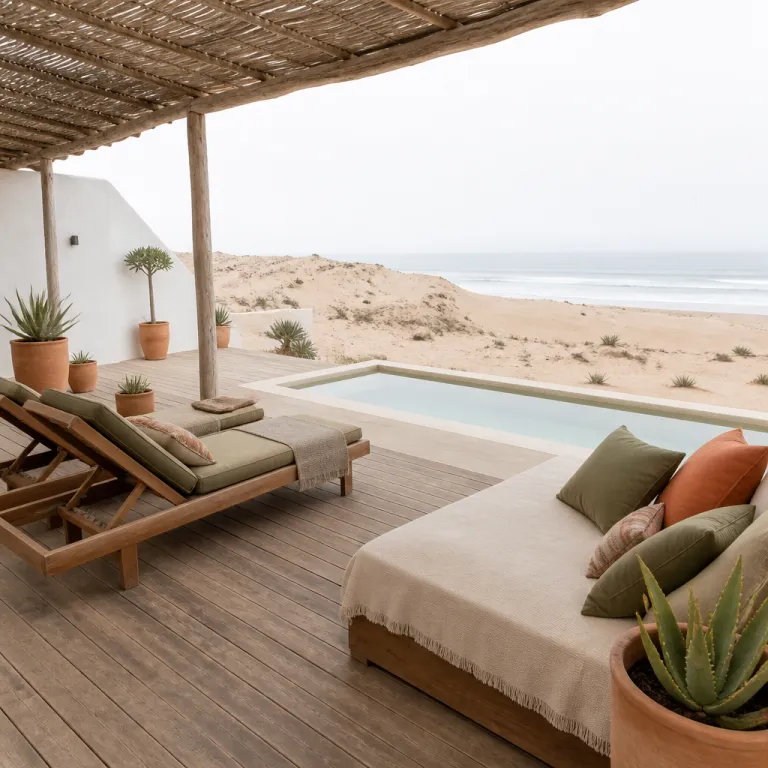
Swakopmund in Namibia for luxury travellers: where the desert meets the Atlantic
Swakopmund on Namibia’s Atlantic coast offers a rare blend of oceanfront elegance and raw desert drama. This coastal town sits between the cold Benguela Current and the Namib Desert, creating a setting that feels both refined and untamed. For travellers seeking premium stays, the city combines polished service with easy access to sand dunes, safari-style activities, and cultural depth.
The city of Swakopmund lies in the Erongo Region of Namibia, on the Atlantic coast of southern Africa. Here the cool ocean meets the heat of the Namib, and the result is a mild coastal climate with average daytime temperatures typically around 15–20 °C and very low annual rainfall of roughly 20 mm. According to long-term climate summaries from the Namibia Meteorological Service, this makes Swakopmund an ideal base for travellers who want ocean views, desert adventures, and comfortable nights in luxury hotels without extreme heat.
Swakopmund Municipality manages city services and infrastructure, while local tourism bodies promote attractions and events. Their shared goal is to preserve the German colonial heritage of the town centre while supporting eco-friendly development and premium hospitality. This collaboration has helped position Swakopmund as a leading Namibian coastal town for high-end stays, with reliable services, good roads, and a strong focus on guest safety.
From an aerial view, the city appears like a neat grid of colonial architecture pressed between the Atlantic shoreline and the shifting dunes of the Namib Desert. To the north and south, the Skeleton Coast stretches away in pale sand and surf, while inland the Namib rises in waves of red and gold. This dramatic geography means that in a single day you can walk the Swakopmund jetty at sunrise, explore sand dunes by afternoon, and return to a refined dinner with a sunset view many guests remember for years.
Swakopmund is known for its German colonial architecture and adventure tourism activities. That official description from local tourism authorities captures only part of the story, because luxury travellers also value the calm rhythm of the town, the Atlantic Ocean breeze, and the sense of space that defines this part of Africa. When you choose a premium hotel in Swakopmund, you are choosing a base that lets you move effortlessly between city cafés, desert tours, and the wild Atlantic coast.
Climate, seasons, and the best time to enjoy Swakopmund in Namibia
Planning a luxury stay in Swakopmund starts with understanding the coastal climate. The town sits on the Atlantic coast where the cold Benguela Current keeps temperatures moderate and humidity low. Days are often cool enough for a light jacket, especially when the ocean fog rolls in from the Atlantic during early mornings.
Because Swakopmund is part of the wider Namib region that includes the desert interior, seasonal changes are subtle but still matter for premium travellers. Winter months bring crisp air, clear skies, and excellent visibility for an aerial view over the dunes and the city. Summer can feel slightly warmer inland in the Namib Desert, yet the coast remains temperate, making the town centre a comfortable retreat after a day exploring sand dunes or the Skeleton Coast.
Luxury guests often time their visit to align with specific activities such as desert safari tours, marine excursions in nearby Walvis Bay, or scenic drives along the Atlantic coast. For a deeper planning guide, many travellers consult a specialist resource on the best time to visit Namibia for luxury stays and safaris. This kind of tailored advice helps you match your Swakopmund itinerary with the right light for photography, the calmest seas for ocean cruises, and the most comfortable conditions for sand-based adventures.
Fog is a defining feature of the Atlantic coast here, and it shapes both the mood and the landscape. On some mornings the town feels wrapped in a soft grey veil, with the Swakopmund jetty fading into the mist and the sound of waves carrying through the quiet streets. As the sun rises higher over the Namib, the fog lifts to reveal a sharp view that guests often photograph from hotel terraces, capturing both the town and the desert in a single frame.
Because rainfall is so low, the Namib Desert around Swakopmund remains accessible for most of the year, which is ideal for travellers who want reliable conditions for sand-dune excursions. Quad biking, sandboarding, and guided desert walks operate in all seasons, with operators adjusting departure times to avoid the warmest hours. Whether you travel in the cooler or warmer months, the combination of Atlantic breeze, desert dryness, and stable temperatures makes this one of the most comfortable coastal bases in Africa for extended luxury stays.
Luxury and premium stays: how Swakopmund in Namibia serves high end guests
Swakopmund has evolved from a historic port town into a polished base for luxury and premium travellers. The city’s hospitality scene now includes oceanfront suites, desert-facing villas, and refined guesthouses that emphasise privacy and personalised service. Many properties sit within walking distance of the town centre, the beach, and the Swakopmund jetty, allowing guests to move easily between the Atlantic coast and the cafés and galleries of the city.
High-end hotels in Swakopmund often highlight their proximity to both the Atlantic Ocean and the Namib Desert. From some rooms you can wake to a view locals know well, with the ocean on one side and the dunes rising inland. This dual outlook is part of what makes Swakopmund unique among coastal destinations in Africa, because you can enjoy a refined breakfast by the sea and then be in the sand dunes within minutes.
When comparing price tiers, it helps to understand what each level of luxury typically includes in this part of Namibia. Entry-level premium stays may offer spacious rooms, reliable Wi‑Fi, and easy access to the beach and town, while top-tier suites add private balconies, curated mini bars, and dedicated concierge teams for arranging desert safari tours or Skeleton Coast flights. As a broad indication, upscale hotels such as Strand Hotel Swakopmund, The Delight Swakopmund, or Hansa Hotel Swakopmund often price standard rooms from mid-range nightly rates into higher brackets for suites, with peak-season ocean-view categories commanding a premium. For a detailed breakdown of inclusions at different budgets, many travellers consult a guide on what your luxury rate buys you in Namibia, then apply those benchmarks when choosing among Swakopmund properties.
Service culture in Swakopmund hotels reflects both German influences and Namibian warmth. Staff are typically well trained, multilingual, and familiar with arranging bespoke experiences such as private tours to Walvis Bay, helicopter flights for an aerial view of the Namib Desert, or exclusive dinners overlooking the Atlantic coast. Many luxury properties also work closely with established local operators such as Mola Mola Safaris, Turnstone Tours, or Sandwich Harbour 4x4 to ensure that desert and ocean activities respect the fragile ecosystems of the Namib and the Atlantic.
Because Swakopmund Municipality and regional tourism boards support eco-friendly development, new high-end properties often integrate energy-efficient design and subtle references to colonial architecture. You might find a restored German colonial façade housing a contemporary interior, or a modern oceanfront building that echoes the colours of the surrounding sand and dunes. This balance between heritage and innovation helps maintain the character of Swakopmund while still meeting the expectations of discerning international guests.
German colonial heritage and coastal character in Swakopmund in Namibia
Walking through central Swakopmund, you immediately notice the German colonial heritage that shapes the town centre. Many streets are lined with pastel façades, ornate balconies, and steep roofs that reflect the city’s origins as a harbour for German South West Africa. This colonial architecture gives the coastal town a distinctive European feel, yet the surrounding Namib Desert and the Atlantic Ocean anchor it firmly in Africa.
Key landmarks include the Altes Gefängnis prison, designed in the early twentieth century, and several restored civic buildings that now host cultural institutions and municipal offices. These structures form part of a broader ensemble of German colonial buildings that frame the main avenues leading towards the beach and the Swakopmund jetty. As you move from the historic town centre towards the coast, the view shifts from ornate façades to open ocean, with the Atlantic shoreline stretching north and south.
Luxury travellers often choose hotels that place them within easy walking distance of both heritage sites and the beach. From these bases you can explore the city on foot, pausing at cafés that serve German-style pastries, then continue towards the ocean promenade for sunset. The combination of colonial architecture, cool Atlantic breezes, and the ever-present line of the Namib Desert inland creates a layered sense of place that is hard to replicate elsewhere in Namibia.
Beyond the central streets, Swakopmund opens onto long stretches of beach where the sand meets the cold Atlantic Ocean in a constant rhythm of surf. To the south, the road towards Walvis Bay traces the Atlantic coast, with dunes rising higher as you approach the famous Sandwich Harbour area. This route is popular for guided 4x4 tours that show how the Namib Desert literally falls into the sea, a spectacle that defines the wider Skeleton Coast.
For travellers interested in photography, the mix of German colonial details, desert light, and ocean mist offers endless compositions. An aerial view over Swakopmund reveals the precise grid of the town, the curve of the bay, and the rolling sand dunes beyond, making it a favourite subject for stock imagery used in travel campaigns. Yet on the ground, the experience feels intimate, with narrow streets, small galleries, and the constant sound of the Atlantic shaping daily life in this coastal town.
Desert, dunes, and ocean: signature experiences from Swakopmund in Namibia
Swakopmund is one of the few places in Africa where you can move from city café to towering sand dunes in less than half an hour. The Namib Desert begins just beyond the last houses of the town, its dunes forming a shifting backdrop to daily life. For luxury travellers, this proximity means you can enjoy high comfort in the city while accessing world-class desert experiences with minimal transfer time.
Guided tours into the Namib Desert range from gentle scenic drives to more adventurous quad biking and sandboarding on the sand dunes. Many operators focus on the area between Swakopmund and Walvis Bay, where the dunes grow higher and the desert meets the Atlantic coast in dramatic curves. Some excursions continue further south towards Sandwich Harbour, a remote section of the Skeleton Coast where the Namib falls steeply into the Atlantic Ocean, creating one of the most striking coastal landscapes in Namibia.
Marine experiences complement the desert activities, turning Swakopmund into a dual-environment destination. From nearby Walvis Bay, boat trips explore the sheltered bay where dolphins, seals, and seabirds thrive in the cold Atlantic waters. These cruises often combine wildlife viewing with views back towards the Namib Desert, allowing guests to appreciate how the ocean and the dunes shape each other along this part of the Atlantic coast.
For travellers who value curated experiences, many high-end hotels in Swakopmund partner with specialist guides to offer private desert safari outings. These may include sunrise drives into the dunes to watch the first light catch the sand, or late-afternoon excursions that end with sundowners overlooking the ocean horizon. Helicopter and light aircraft flights provide an aerial view of the Namib Desert, the bay near Walvis, and the broader Skeleton Coast, revealing patterns in the sand that are invisible from the ground.
Nature-focused guests can also use Swakopmund as a gateway to nearby national park areas and conservation zones. While the city itself is not inside a national park, it sits within driving distance of protected sections of the Namib and the Skeleton Coast, where strict regulations preserve fragile desert ecosystems. This makes Swakopmund an excellent base for travellers who want to balance luxury accommodation with responsible engagement in both desert and ocean environments.
Planning and booking a luxury stay in Swakopmund in Namibia
Effective planning is essential when booking a luxury stay in Swakopmund, especially during peak travel periods. The city’s growing popularity as a coastal destination means that premium rooms with the best Atlantic Ocean or Namib Desert views can sell out quickly. Booking several months in advance is wise if you want specific room categories, such as ocean-facing suites or dune-view villas.
Swakopmund is accessible via the B2 main road from Windhoek or by flights to Walvis Bay Airport. That official guidance from local tourism bodies reflects the most efficient routes, with many travellers combining a stay in the capital with time on the Atlantic coast. Transfers from Walvis Bay to Swakopmund usually take about 35–45 minutes by road, following a scenic stretch where the desert and the ocean run almost parallel.
When comparing properties, focus on how each hotel connects you with the experiences that matter most to you. Some luxury stays emphasise proximity to the town centre and the Swakopmund jetty, ideal for guests who enjoy walking to restaurants and galleries, while others highlight direct access to the beach or quick routes into the Namib Desert. A dedicated booking platform that specialises in coastal elegance stays in Swakopmund can help you filter options by view preferences, from Atlantic panoramas to quiet inner courtyards.
Consider how you want to structure your days before finalising your booking. If desert tours and sand-dune activities are central to your trip, choose a property with strong partnerships with reputable operators who know the Namib Desert and the Skeleton Coast well. If you prefer a slower rhythm focused on the beach, the bay, and the city’s German colonial heritage, prioritise locations near the promenade and the historic town centre, where colonial architecture and ocean breezes define the atmosphere.
Finally, remember that Swakopmund is part of a broader Namibian itinerary for many travellers, often combined with inland national park safaris. Plan your logistics so that you arrive on the coast after more intense wildlife days, using the cool Atlantic climate and the calm of this coastal town as a restorative pause. With thoughtful booking and clear priorities, Swakopmund becomes not just a stop on your journey through Africa, but a highlight where desert, ocean, and city life meet in elegant balance.
Local governance, sustainability, and what luxury guests should know
Behind the polished surface of Swakopmund lies a structured approach to governance and tourism management. Swakopmund Municipality oversees infrastructure such as roads, water, and public spaces, ensuring that the city can support both its population of around 50 000 people and a steady flow of visitors. This stable civic framework is one reason luxury travellers find the town reliable, with consistent services and well-maintained public areas along the Atlantic coast.
The Swakopmund Tourism Board plays a complementary role by promoting the city as a destination and coordinating with partners such as the Namibia Tourism Board, local businesses, and cultural organisations. Their shared objectives include preserving historical architecture, promoting tourism, and supporting the local economy through sustainable growth. Methods such as historical research, tourism promotion, and infrastructure development are backed by tools like city archives, tourism brochures, and urban planning documents, all aimed at integrating modern amenities with historical preservation.
For high-end travellers, this means that many luxury properties in Swakopmund are encouraged to respect both the German colonial heritage of the town centre and the fragile ecosystems of the Namib Desert and the Atlantic Ocean. You may notice design choices that echo colonial architecture without copying it, or operational practices that reduce water use in a region where annual rainfall is only about 20 mm. Eco-friendly accommodations are increasingly common, aligning premium comfort with responsible resource management along this stretch of the Atlantic coast.
Sustainability also extends to how desert and ocean activities are managed around Swakopmund. Reputable operators limit vehicle numbers on sensitive sand dunes, avoid disturbing wildlife in the Namib Desert, and follow strict guidelines when operating near marine life in Walvis Bay and along the Skeleton Coast. As a guest, choosing partners who respect these standards helps protect the sand, dunes, and bay environments that make the region so appealing in the first place.
Looking ahead, the expected impact of this coordinated approach is increased tourism and economic growth that still preserves the character of this coastal town. For travellers, that translates into a rich stock of experiences that remains authentic, from walking the Swakopmund jetty at sunset to taking an aerial view flight over the desert and the Atlantic. By understanding the governance and sustainability context, luxury guests can make informed choices that support both the city and the landscapes that define Swakopmund in Namibia.
Key figures for luxury travel in Swakopmund in Namibia
- Swakopmund has an estimated population of about 50 000 people, according to Namibia Statistics Agency releases for the early 2020s, which helps maintain a relaxed coastal town atmosphere while still offering city-level services.
- The average annual rainfall in Swakopmund is around 20 mm, based on regional climate data from the Namibia Meteorological Service, explaining the arid landscapes of the surrounding Namib Desert and the reliance on careful water management.
- Typical average temperatures in Swakopmund hover near 15–20 °C along the Atlantic coast, creating a cooler climate than many inland parts of Namibia and making it comfortable for year-round travel.
- Swakopmund lies at approximately 22.68 degrees south and 14.53 degrees east, placing it directly between the Atlantic Ocean and the inland dunes of the Namib, a geography that shapes both its climate and its tourism appeal.
- The city forms part of the Erongo Region of Namibia, a key tourism corridor that links the Atlantic coast with inland national park areas, allowing travellers to combine desert, ocean, and safari experiences in a single itinerary.
Frequently asked questions about Swakopmund in Namibia
What is Swakopmund in Namibia best known for among travellers ?
Swakopmund in Namibia is best known for its German colonial architecture, cool Atlantic coast climate, and a wide range of adventure tourism activities. Visitors are drawn to the combination of historic town centre streets, the nearby Namib Desert sand dunes, and easy access to marine excursions in Walvis Bay. This mix of culture, desert, and ocean makes it a standout coastal town destination in Africa.
How do I get to Swakopmund from Windhoek or abroad ?
Most travellers reach Swakopmund in Namibia by road along the B2 highway from Windhoek, a journey that typically takes several hours through desert landscapes. International visitors often fly into Walvis Bay Airport, then transfer by road along the Atlantic coast to Swakopmund. This route offers early views of the ocean area and the dunes that frame the town.
What activities are available from Swakopmund for luxury guests ?
Activities from Swakopmund in Namibia include quad biking, sandboarding, and guided drives into the Namib Desert, as well as marine cruises from Walvis Bay to see dolphins and seals. High-end travellers can also book scenic flights for an aerial view of the Skeleton Coast, Sandwich Harbour, and the wider Namib region. Within the city, walking tours of the German colonial architecture and relaxed time on the beach or Swakopmund jetty round out the experience.
Is Swakopmund a good base for visiting national parks and safaris ?
Swakopmund in Namibia is an excellent coastal base to combine with inland national park safaris, even though it is not inside a park itself. Many travellers pair time on the Atlantic coast with visits to Etosha National Park or other wildlife areas, using Swakopmund as a place to rest and enjoy cooler temperatures between game drives. The town’s strong infrastructure and range of luxury accommodations make these transitions smooth.
What should I pack for a luxury trip to Swakopmund in Namibia ?
Because Swakopmund sits on the cool Atlantic coast beside the Namib Desert, you should pack layers, including a warm jacket for foggy mornings and evenings. Comfortable walking shoes are useful for exploring the town centre and the beach, while closed shoes are recommended for desert tours on sand dunes. Many luxury properties provide most amenities, so focus on versatile clothing that works for both refined dinners and outdoor activities along the Atlantic coast.
References : Namibia Tourism Board ; Namibia Statistics Agency ; Namibia Meteorological Service ; Swakopmund Municipality.
