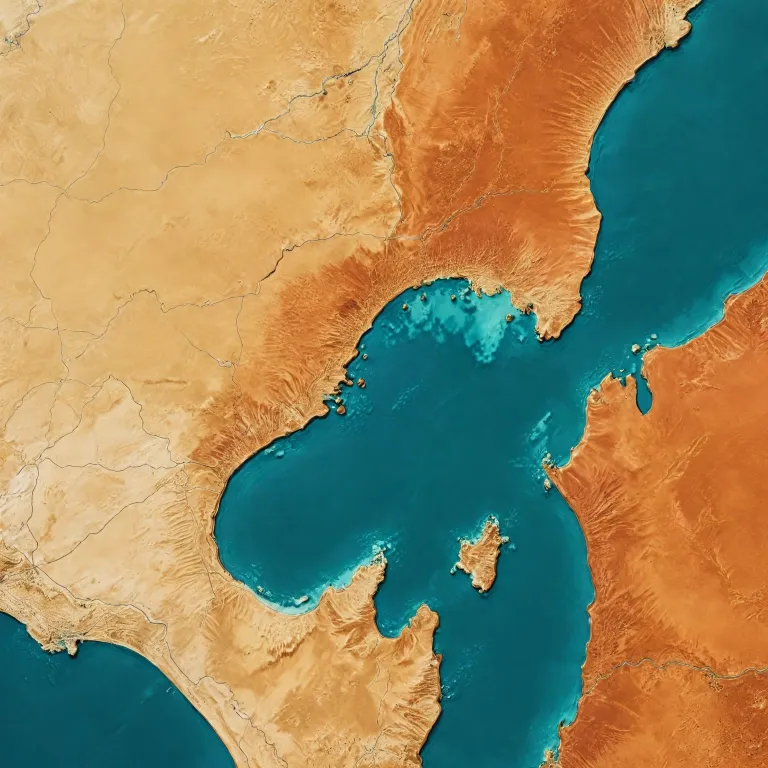
Reading the gondwana map as a compass for Namibian luxury
Planning a premium journey through Namibia becomes richer when you view the country through the lens of the ancient gondwana supercontinent. The modern landscape that hosts your luxury lodge once lay welded to south america, antarctica, australia and india on a single vast landmass that shaped today’s africa south travel routes. When you study any detailed gondwana map, you are in fact reading an elegant preface to the refined safaris, ocean facing suites and desert retreats you can book today.
Geologists explain that gondwana began to assemble in the late Precambrian, when fragments of continental crust slowly collided and fused into one southern hemisphere giant. Over hundreds of millions of years, this continental puzzle locked together africa, south america, antarctica australia and india, while laurasia formed further north as a separate landmass. The contrast between laurasia gondwana configurations later guided the evolution of climates, ecosystems and even the wildlife you now encounter on exclusive game drives.
Eduard Suess, Alfred Wegener and Alexander Du Toit each advanced the science of plate tectonics, helping us understand how the earth and its continents evolved into today’s travel canvas. Wegener’s work on pangaea and continental drift showed how america africa once shared mountain belts, coal seams and fossils, which now appear on different continents separated by wide ocean basins. Their research, supported by geological mapping and paleontological study, underpins the gondwana laurasia narrative that quietly enriches every high end itinerary across Namibia.
From supercontinent to safari suites along Namibia’s ancient margins
When gondwana broke apart during the early jurassic, the process set the stage for Namibia’s dramatic coastlines and inland plateaus that now host luxury and premium hotels. As africa and south america drifted apart, mid ocean ridges formed and new oceanic crust spread across the growing south atlantic basin. This slow opening of the ocean floor influenced where dunes accumulated, where canyons were carved and where today’s exclusive lodges perch above sweeping views.
The same plate tectonics that separated antarctica australia from africa antarctica also helped define Namibia’s climate, which is essential when choosing between coastal retreats and inland safari properties. Guests who appreciate earth science often select suites that overlook ancient escarpments, knowing these cliffs once stood near the heart of the gondwana supercontinent. In this way, a refined understanding of continental evolution becomes part of the story you experience from your private terrace or infinity pool.
As laurasia remained to the north, the southern hemisphere continents continued to drift, creating distinct biomes that now support Namibia’s wildlife rich reserves and high end camps. When planning a stay near Windhoek or along the central plateau, you can pair geological context with practical guidance from a dedicated guide to luxury resorts near Windhoek. This blend of scientific background and curated hotel insight allows travelers to align their accommodation choices with the deep time story written into every rock layer.
Mid ocean ridges, desert coasts and how to choose your luxury base
The breakup of gondwana created mid ocean ridges and new ocean basins that now frame Namibia’s Atlantic coastline, a region renowned for remote, high end retreats. As africa moved away from south america, magma rose along the mid ocean ridge and cooled to form fresh oceanic crust on the growing sea floor. Over many millions of years, this process shaped the ocean floor gradient that influences currents, fog patterns and the cool coastal climate guests enjoy in secluded lodges.
Understanding how the indian ocean and south atlantic evolved from the gondwana supercontinent can help travelers choose between coastal and inland luxury hotels. Properties near the shore often highlight the contrast between the cold ocean and the warm desert, a climatic pairing rooted in ancient plate tectonics. Inland, premium safari lodges emphasize the stability of continental crust, where erosion sculpted canyons and plains ideal for wildlife viewing and private game drives.
For travelers comparing premium options, it is helpful to pair geological context with practical booking advice from a specialist resource on Namibia hotel booking offers and premium stays. This combination of earth science insight and curated hotel data supports informed decisions about location, season and style of accommodation. By reading the gondwana map alongside modern booking tools, guests can align their stay with both the ancient story of the continents and the contemporary standards of luxury they expect.
Tracing africa, antarctica and australia in Namibia’s luxury landscapes
Every premium lodge in Namibia stands on crust that once linked africa antarctica and australia antarctica within the southern hemisphere portion of gondwana. Geological mapping shows how fragments of these continents share rock ages, mineral belts and fossil assemblages that formed when the supercontinent was intact. When you relax in a high end suite overlooking the desert, you are effectively sitting on a page of earth science history that connects distant continents.
In some regions, the same continental crust that underlies Namibia also appears in parts of antarctica australia, revealing how closely these lands were once joined. This shared heritage explains why certain rock formations and fossils in Namibia resemble those in south america and even india, despite the wide ocean gaps. For travelers, this means that a single luxury itinerary in Namibia can echo geological stories from multiple continents without leaving one country.
Guests who appreciate the study of plate tectonics often choose lodges that offer guided nature walks focused on geology as well as wildlife. These experiences highlight how the breakup that separated north america, america africa and other continents also influenced migration routes and habitat evolution. By integrating the gondwana map narrative into guided activities, premium properties add intellectual depth to the comfort of fine dining, curated wine lists and attentive service.
Early jurassic oceans, wildlife corridors and refined safari planning
During the early jurassic, when gondwana began to fragment, new ocean gateways opened and reshaped global climates that still influence Namibia’s ecosystems. As the mid ocean ridges spread and the ocean floor widened, currents shifted and helped define arid zones where deserts like the Namib eventually formed. These climatic patterns now guide where luxury safari lodges position themselves to balance dramatic scenery with reliable wildlife viewing.
The separation of africa south from south america and the gradual opening of the south atlantic created barriers and corridors that affected species distribution. Over many years, evolving habitats encouraged unique adaptations, which guests can observe today from elevated decks and private vehicles. Premium properties often design itineraries that follow these natural corridors, allowing travelers to trace the legacy of the supercontinent while enjoying modern comfort.
For those planning high end safaris, it is valuable to pair geological understanding with detailed destination insight from a specialist article on refined Etosha safaris and exceptional wildlife encounters. This resource helps guests align their expectations about landscapes, wildlife density and seasonal conditions with the deep time processes recorded on any gondwana map. By appreciating how plate tectonics shaped both sea floor and continental interiors, travelers can select lodges that best express the meeting of science, scenery and sophisticated hospitality.
Integrating gondwana science into premium hotel selection in Namibia
Modern earth science uses tools such as radiometric dating, fossil analysis and plate tectonic modeling to refine our understanding of the gondwana supercontinent. These methods confirm that continents like africa, south america, antarctica and australia once formed a single landmass before drifting to their current positions. For discerning travelers, this knowledge adds a layer of narrative richness when evaluating which luxury properties best showcase Namibia’s geological heritage.
When you examine a gondwana map while planning, you can align your route with key continental features such as ancient cratons, rift valleys and uplifted plateaus. Lodges located near these structures often offer panoramic views that reveal how the continental crust responded to the forces of plate tectonics. Guests who value context may choose properties that provide expert led talks or library collections on pangaea, laurasia and the evolution of the continents.
As one concise summary from geological research notes, “Gondwana included present-day South America, Africa, Arabia, Madagascar, India, Australia, and Antarctica.” This statement encapsulates the scale of the supercontinent whose breakup shaped the ocean basins, mid ocean ridges and oceanic crust surrounding Namibia today. By weaving this scientific perspective into your hotel selection, you transform a simple booking into a curated journey across deep time and refined space.
Gondwana legacies, guest expectations and the art of refined itineraries
Understanding how laurasia gondwana configurations evolved helps premium travelers appreciate why Namibia feels both ancient and contemporary at once. The same forces that once joined north america to other pangaea fragments also guided the later assembly and breakup of gondwana. Today, this history is expressed in Namibia’s stark coastlines, elevated plateaus and wildlife rich plains that host an array of luxury and premium hotels.
When planning multi stop itineraries, guests can use the gondwana map as a thematic thread connecting ocean facing retreats, inland reserves and cultural experiences. Coastal stays highlight the influence of the ocean ridge systems and the cool currents that hug the shore, while inland lodges emphasize the stability of continental interiors. By alternating between these environments, travelers experience how the earth and its continents evolved from a single supercontinent into the diverse settings that frame modern hospitality.
Over the years, advancements in plate tectonics and the study of the ocean floor have continually refined our view of how gondwana shaped today’s africa and its neighbors. This ongoing research mirrors the way Namibia’s luxury properties refine their service, design and sustainability practices to meet evolving guest expectations. In both cases, careful observation, rigorous study and thoughtful adaptation create experiences that feel grounded, elegant and deeply connected to the story of the planet.
Key geological statistics behind the gondwana narrative
- Gondwana reached full assembly approximately 600 million years ago during the late Precambrian.
- The initial breakup of gondwana began about 180 million years ago in the early jurassic.
- The collision of the Indian subcontinent with Eurasia, long after leaving gondwana, uplifted the Himalayas and confirmed large scale continental drift.
Questions travelers often ask about gondwana and Namibian luxury stays
What continents were part of Gondwana?
Gondwana included present-day South America, Africa, Arabia, Madagascar, India, Australia, and Antarctica. For travelers, this means that a single luxury journey in Namibia connects you indirectly with landscapes that share a common geological origin across several modern continents.
When did Gondwana begin to break up?
The initial breakup of Gondwana began approximately 180 million years ago during the Early Jurassic period. This long process created the ocean basins and continental margins that now frame Namibia’s coastlines and influence where many premium hotels and safari lodges are located.
Who first proposed the concept of Gondwana?
The term 'Gondwanaland' was coined by Austrian geologist Eduard Suess in the late 19th century. His work, later supported by Alfred Wegener and Alexander Du Toit, laid the foundation for understanding how ancient supercontinents relate to the modern landscapes that host today’s refined travel experiences.
