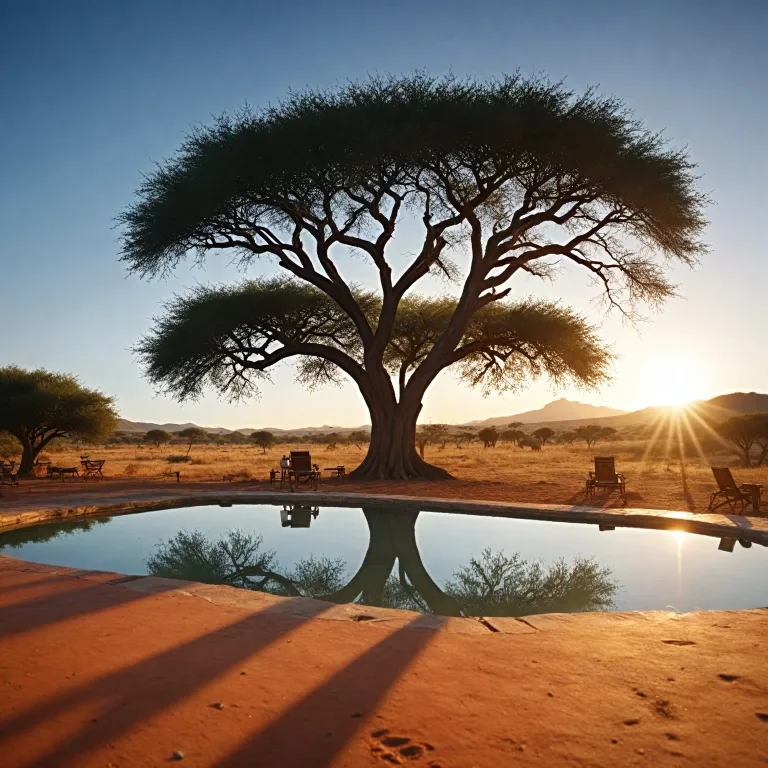
How the best time to go to Namibia shapes luxury travel
Choosing the best time to go to Namibia is the first refined decision for any premium stay. For high end travelers, aligning the season with expectations for wildlife, comfort, and service quality becomes essential for a seamless journey. Understanding how each time of year affects landscapes, access, and luxury hotel operations helps you plan every one of your days with confidence.
Namibia offers a distinct dry season and rainy season, and each one influences how you visit Namibia and where you should book. During the dry season, from about May to october, Etosha and other national park areas offer excellent game viewing because wildlife concentrates around waterholes. The Namibian Tourism Board notes that the dry months are ideal for wildlife viewing as animals congregate around waterholes, which is especially relevant when you combine Namibia safaris with premium lodges that overlook these scenes.
In the rainy season, usually from november to april, the country turns green and the desert edges soften, which changes how luxury properties curate experiences. This is a good time year for photography, birdlife, and quieter poolsides in Windhoek or along the coast, even if wildlife watching becomes more dispersed. When you plan the best time to visit Namibia, you should balance your desire for clear skies and excellent game viewing with your interest in lush scenery, cultural events, and more attractive premium rates.
Dry season advantages for Etosha and premium safari lodges
For many travelers, the best time to go to Namibia aligns with the dry season because of Etosha and its surrounding luxury lodges. Average daytime temperatures in this season sit around 24 °C, which feels comfortable for game drives and poolside relaxation at high end properties. Nights can drop close to 10 °C, so premium hotels often provide blankets on open vehicles and heated bedding to keep your safari experience elegant and warm.
Etosha national park is the centerpiece for Namibia safaris, and the dry season concentrates wildlife around permanent waterholes that many lodges face directly. This is widely regarded as the best time for game viewing and wildlife watching, especially if you want to see elephants, lions, and antelopes in a single time visit. Because this period from about april october is so popular, luxury and premium hotel booking websites in Namibia strongly recommend reserving suites and private villas several month in advance.
During this season Namibia also benefits from clear skies, which enhances stargazing decks, rooftop bars, and private dinners in the desert. The combination of dry air and excellent visibility makes it an excellent time year for photographers who value sharp horizons and dramatic sunsets over Etosha or the Namib desert. When you plan to visit Namibia in the dry season, consider small group safaris that pair top tier lodges with charter flights, ensuring you maximize both your days and your comfort.
Rainy season, green landscapes, and quieter luxury stays
While many guests focus on the dry season, the rainy season can also be the best time to go to Namibia for certain luxury travelers. From about november to april, showers transform the desert fringes and savannah into a lush tapestry, which changes how premium hotels design activities and wellness experiences. This season Namibia offers softer light, dramatic clouds, and fewer vehicles in national park areas, which can be appealing if you value privacy and tranquility.
In Etosha and other reserves, wildlife disperses more widely because water becomes available across the landscape, which slightly reduces concentrated game viewing. However, this same time year is excellent for birdlife, with migratory species arriving and wetlands filling, so wildlife watching shifts from big game to more nuanced sightings. Many luxury lodges respond by offering longer drives, specialist birding guides, and spa treatments timed around cooler afternoon temperatures.
Rainfall patterns also influence coastal and desert experiences, especially around Swakopmund and the Namib desert dunes. Although showers occur, they are often brief, and temperatures remain good for dune activities, scenic flights, and premium oceanfront stays. If you visit Namibia during the rainy season, you may benefit from more flexible rates, easier availability of top suites, and a calmer atmosphere in high end properties that cater to a smaller number of discerning guests.
Linking best time to go to Namibia with Fish River Canyon and desert stays
Beyond Etosha, the best time to go to Namibia also depends on whether you plan to include the Fish River Canyon and the Namib desert in your itinerary. The river canyon region can become extremely hot in the peak of summer, so many luxury travelers prefer the shoulder months when temperatures are more moderate. During these periods, clear skies and dry air create excellent conditions for hiking, scenic drives, and photography from premium lodges perched above the fish river.
In the Namib desert, the dry season offers predictably clear mornings and evenings, which is ideal for hot air ballooning and sunrise dune excursions. However, some guests appreciate the rainy season for its occasional dramatic storms that sweep across the sand, adding depth and contrast to the desert experience. Whether you choose one month or several, aligning your time visit with your tolerance for heat and your interest in dramatic skies will shape your satisfaction.
Luxury and premium hotel booking websites in Namibia often curate itineraries that combine Etosha, the Namib desert, and the river canyon in a single journey. When you plan to visit Namibia in this way, consider small group arrangements that use charter flights to reduce long drives and maximize your days in comfort. For deeper guidance on tailoring high end stays and concierge support across southern Africa, you can consult a specialist resource such as elevating your Namibian journey with luxury hotel booking and concierge services, which helps align season choices with premium experiences.
Combining Namibia safaris with Namibia Botswana itineraries
Many high end travelers view the best time to go to Namibia in the wider context of southern Africa, especially when combining Namibia safaris with neighboring Botswana. The dry season is generally considered the best time for cross border wildlife watching because both Etosha and Botswana’s key reserves offer concentrated game viewing. Planning your time visit between about april october allows you to enjoy clear skies, manageable temperatures, and reliable logistics across both countries.
When you design a Namibia Botswana itinerary, consider how each season Namibia experiences will affect flight schedules, road conditions, and luxury lodge availability. During the dry season, demand for premium suites and private guides rises sharply, so booking through a trusted platform or advisor becomes essential. In the rainy season, some remote airstrips and tracks can be affected by water, but you may benefit from quieter camps, greener landscapes, and more flexible stay lengths.
Luxury and premium hotel booking websites in Namibia often highlight small group departures that link Etosha national park, the Namib desert, and Botswana’s delta or river systems. These curated journeys typically balance several days in each region, ensuring that you experience both desert and wetland ecosystems at the best time of year for your interests. By aligning your chosen month with your priorities, you can ensure that every segment of your visit Namibia itinerary feels coherent, comfortable, and worthy of a premium investment.
Urban culture, Enjando Street Festival, and timing Windhoek stays
Not every traveler defines the best time to go to Namibia purely through wildlife and desert scenery, because urban culture also plays a role. Windhoek, the capital, offers refined hotels, gourmet dining, and access to events such as the Enjando Street Festival, which brings music and performance into the city. When you plan your visit Namibia itinerary, consider how your preferred season intersects with these cultural highlights and the comfort level you expect in an urban setting.
During the dry season, clear evenings and mild temperatures make rooftop bars, outdoor dining, and city walks particularly pleasant. This is a good time year to combine a few days in Windhoek with onward travel to Etosha or the river canyon, especially if you value seamless logistics. In the rainy season, brief showers cool the city, and premium hotels often emphasize spa experiences, indoor lounges, and culinary events that pair well with softer light and greener surroundings.
Street festival dates can influence availability in central hotels, so luxury and premium hotel booking websites in Namibia often flag these periods as high demand. If your time visit coincides with the Enjando Street Festival or similar events, reserve suites early and consider small group cultural tours that include guided walks and tastings. Balancing season Namibia patterns, event calendars, and your own pace ensures that your days in Windhoek feel as thoughtfully curated as your time in any national park.
Practical planning tips for luxury and premium hotel bookings
Once you have identified the best time to go to Namibia for your interests, refine the practical details of your luxury stay. Consult official tourism resources such as the Namibian Tourism Board, which is based in Windhoek and provides guidance on season Namibia patterns and regional highlights. Use reliable weather forecasting tools to understand expected temperatures for your chosen month, especially if you plan to split your days between Etosha, the desert, and the river canyon.
Health and comfort should guide your decisions, particularly between the dry season and the rainy season. Travelers should ensure vaccinations are up to date and take precautions against malaria, especially during the wet season. Pack layered clothing to accommodate warm days and cool nights, particularly during the dry season, and remember that luxury lodges often provide additional amenities such as blankets, hot water bottles, and high quality rain gear.
Because the best time for wildlife watching often overlaps with peak demand, book your premium suites, private villas, and small group safaris well ahead. Luxury and premium hotel booking websites in Namibia can coordinate transfers, charter flights, and special experiences such as private dinners in the desert or exclusive game viewing hides. By aligning your time visit with clear expectations about wildlife, culture, and climate, you can ensure that every aspect of your visit Namibia journey reflects the level of service, comfort, and authenticity you seek.
Key statistics for planning your trip
- Average daytime temperature during the dry season in many regions of Namibia is around 24 °C, which suits most luxury safari and desert activities.
- Average nighttime temperature during the dry season can drop to about 10 °C, so premium travelers should pack layers for evening game drives and outdoor dining.
- Annual rainfall in Etosha national park is approximately 500 mm, which shapes the contrast between the dry season and the rainy season for wildlife viewing.
Frequently asked questions about the best time to go to Namibia
What is the best time to visit Namibia for wildlife viewing?
The dry season from May to October is ideal for wildlife viewing as animals congregate around waterholes. This period offers excellent game viewing in Etosha national park and other reserves, which is why many luxury travelers choose these months for Namibia safaris. Clear skies and predictable conditions also support charter flights, photographic safaris, and premium lodge operations.
Are there any health considerations when traveling to Namibia?
Travelers should ensure vaccinations are up to date and take precautions against malaria, especially during the wet season. Consult your healthcare provider several weeks before your time visit, particularly if you plan to combine Namibia with other southern Africa destinations. High end lodges often provide mosquito nets, repellents, and guidance, but personal preparation remains essential.
How should I prepare for temperature variations in Namibia?
Pack layered clothing to accommodate warm days and cool nights, particularly during the dry season. Lightweight, breathable fabrics work well for daytime activities, while a warm jacket and hat are useful for evening game drives and stargazing. Luxury properties usually offer laundry services, so you can travel with fewer items while still adapting to changing temperatures across different regions.
