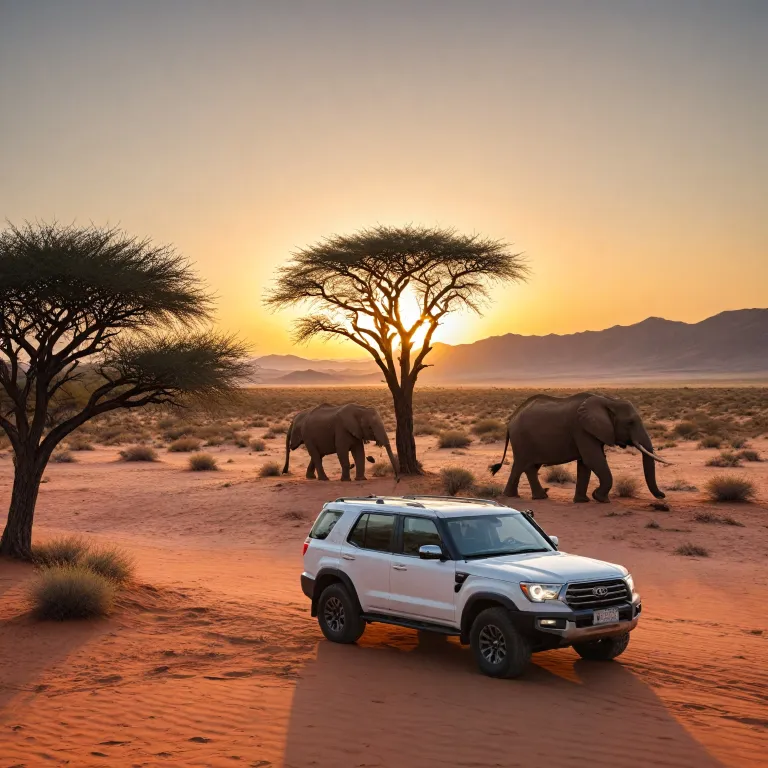
How the best month to visit Namibia shapes your entire journey
Choosing the best month to visit Namibia is the single decision that most influences your luxury stay, safari experience, and overall comfort. When you align your travel time with the right season Namibia reveals its most elegant side, from Etosha wildlife spectacles to serene desert nights. For travellers comparing months, the best time is rarely a simple date on a calendar, but a balance between climate, crowd levels, and the style of premium hotel you prefer.
Namibia sits in southern Africa with a largely arid climate, so the contrast between the dry season and the rainy season is crucial. The dry season from May to October is ideal for wildlife viewing as animals congregate around waterholes. During this period, clear skies, low humidity, and average daytime temperatures around 25 °C create excellent conditions for game viewing and long days on safari.
Luxury travellers often ask which month offers the best mix of comfort and wildlife watching, and April to October usually stands out. These months bring crisp mornings, warm afternoons, and cool nights, which suit high end lodges that provide heated rooms, fine linens, and outdoor fire pits. If you plan to visit Namibia for Etosha National Park, many experts regard late June to early October as the best time year for concentrated game viewing.
However, the rainy season from November to March also has its charms, especially for photography and birdlife. Landscapes turn green, dramatic clouds build over the desert, and migratory species arrive, creating a different but equally compelling reason to visit. Understanding how each season Namibia offers affects luxury and premium hotel availability will help you secure the right room, suite, or villa for your preferred style of travel.
Dry season elegance: april to october for wildlife and premium comfort
For many travellers, the best month to visit Namibia falls somewhere between April and October, when the dry season is in full swing. During this time, Etosha wildlife viewing reaches a peak as animals gather at shrinking waterholes, making sightings frequent and reliable. Luxury lodges inside and around Etosha National Park often sell out months in advance, so it is wise to book early if you want the best suites and views.
From April to June, temperatures remain pleasantly mild, with cool nights that suit properties offering fireplaces, heated pools, and gourmet indoor dining. By July, the dry season Namibia is at its clearest, with almost no rain and superb visibility for photography and stargazing. Many premium hotels in Windhoek and other cities also experience higher demand, and travellers seeking refined urban stays can explore luxury city hotels in Namibia as a complement to their safari.
September and October are often considered the best time for intense game viewing, though daytime temperatures start to climb. Etosha National and other reserves can feel hotter and dustier, but wildlife watching becomes even more dramatic around the last remaining water sources. If you choose to visit Namibia in October, select luxury camps with air conditioned suites, shaded decks, and private plunge pools to offset the heat.
Throughout the dry season, the average daytime temperature of about 25 °C and cool nights around 10 °C favour active travellers. You can comfortably spend long days on safari, then return to a premium lodge for spa treatments, fine dining, and curated wine lists. For those planning multi country itineraries such as Namibia Botswana combinations, this same dry period is also considered the best time year to move between destinations with minimal weather disruption.
Rainy season rewards: march and beyond for colour, culture, and value
While many guests focus on the dry season, the rainy season from roughly late November to March offers a different answer to the question of the best month to visit Namibia. During this time, the desert and savannah transform, with grasses sprouting and ephemeral pans filling with water. Travellers who visit Namibia in March or early April often find the landscapes at their most photogenic, with soft light, dramatic skies, and fewer vehicles at major viewpoints.
Rainfall patterns vary by region, but Etosha wildlife viewing can still be rewarding, especially for bird enthusiasts. The annual rainfall in Etosha National Park averages around 500 mm, enough to create seasonal pools that attract flamingos, storks, and raptors. For luxury travellers, this season Namibia offers attractive rates at many premium lodges, along with more personalised service due to lower occupancy.
Urban experiences also gain a special energy in the rainy season, particularly around cultural events. In Windhoek, the Enjando Street Festival brings music, dance, and food to the city, offering a vibrant contrast to quiet desert nights. Travellers who enjoy premium city breaks can pair such events with curated city escapes in Namibia, staying in high end hotels that provide spa facilities and fine dining.
For those planning Namibia safaris during the rainy months, flexibility is essential because some gravel roads can become muddy. However, luxury camps are well equipped with 4x4 vehicles, experienced guides, and contingency plans to keep guests comfortable and safe. If your priority is lush scenery, cultural immersion, and value driven premium stays, then March and other rainy season months may be the best time visit for your style of travel.
Regional contrasts: from etosha to the desert and fish river canyon
Understanding regional differences is vital when deciding the best month to visit Namibia, especially for luxury and premium hotel bookings. Etosha National Park, the Namib desert, and the Fish River Canyon each respond differently to the dry season and rainy season. Your ideal time visit may therefore vary depending on whether you prioritise Etosha wildlife, desert silence, or canyon vistas.
In Etosha National, the dry season from May to October remains the best time for concentrated wildlife watching. Clear skies, dry conditions, and predictable waterholes make it easier for guides to plan long days of game viewing in comfort. Premium lodges here often feature elevated decks and waterhole facing suites, allowing guests to continue wildlife watching even between drives.
By contrast, the Namib desert and coastal areas such as Sossusvlei and Swakopmund have their own rhythm. Cooler months between June and August are often the best time year for hiking dunes, scenic flights, and photography, thanks to clear air and gentle daytime temperatures. Travellers seeking refined desert stays can look at properties such as those highlighted in this guide to refined desert lodges in the Namib, where luxury suites blend with the surrounding dunes.
Further south, the Fish River Canyon and the broader river canyon region are usually more comfortable in the cooler, dry months. High summer temperatures can make hiking challenging, so many luxury travellers choose April October as their preferred window. If you are combining Namibia Botswana or other southern Africa destinations, consider how each region’s season Namibia pattern aligns, then structure your itinerary around the most comfortable months for each landscape.
Aligning luxury and premium hotel choices with your preferred season
Once you understand how season Namibia patterns influence climate and wildlife, the next step is aligning your hotel choices with the best month to visit Namibia for your needs. Luxury and premium properties across the country design their offerings around the dry season and rainy season, from heated plunge pools to air conditioning and shaded terraces. When you plan to visit Namibia, consider not only the national park or city you want to see, but also how many days you will spend in each climate zone.
During the dry season, many high end lodges in Etosha National and other reserves focus on extended game viewing. They schedule early morning and late afternoon drives to take advantage of cooler temperatures and peak wildlife watching, then offer spa treatments or pool time in the warmer midday hours. Guests often stay four to six days at a single property, allowing them to settle into a rhythm that balances safari intensity with relaxation.
In the rainy season, premium hotels in Windhoek and coastal towns may become the centrepiece of a trip. Travellers can enjoy cultural events such as the Enjando Street Festival, fine dining, and art galleries, then add shorter Namibia safaris or day trips when weather permits. This time year can be the best time visit for those who value comfort, cuisine, and culture as much as wildlife.
For multi destination itineraries such as Namibia Botswana combinations, work with operators who understand seasonal nuances. They can advise whether March, April, or October will give you the best balance between Etosha wildlife, river canyon scenery, and delta wetlands. Whatever your route, booking early for peak months and choosing properties that match your preferred season Namibia conditions will ensure an excellent stay.
Practical planning: health, logistics, and small group experiences
Beyond climate and scenery, practical considerations also influence the best month to visit Namibia for a luxury focused trip. Health, logistics, and group size all interact with the dry season and rainy season in ways that affect comfort. Travellers should consult with healthcare providers regarding vaccinations and malaria prophylaxis, especially if visiting during the wet season.
During the dry season, road conditions are generally excellent, making it easier to move between Etosha National, the desert, and the Fish River Canyon. Many premium operators use 4x4 vehicles for long transfers, ensuring that even remote Namibia safaris feel comfortable and safe. If you plan to visit Namibia in October or other hotter months, ensure vehicles and lodges provide adequate shade, hydration, and rest stops.
Small group travel is increasingly popular among luxury guests who want privacy without the cost of full private charters. Carefully curated small group Namibia safaris often run during the best time year for wildlife watching, typically April October, to maximise sightings and minimise weather disruptions. These journeys may combine Etosha wildlife, river canyon viewpoints, and even cross border extensions into Namibia Botswana circuits.
When planning how many days to allocate, consider at least two to three nights per region in both dry and rainy months. This allows time for game viewing, cultural experiences such as the Enjando Street Festival, and relaxation at your chosen premium hotel. With thoughtful timing, attention to season Namibia patterns, and expert guidance, you can align the best time visit with your personal preferences for comfort, style, and depth of experience.
Key statistics for planning the best time to visit Namibia
- Average daytime temperature during the dry season is approximately 25 °C, offering comfortable conditions for long game drives and outdoor activities.
- Average nighttime temperature during the dry season is around 10 °C, which suits luxury lodges that provide heating, quality bedding, and cosy fire pits.
- Annual rainfall in Etosha National Park is about 500 mm, concentrated mainly in the rainy season, shaping wildlife movements and birdwatching opportunities.
Essential questions about the best month to visit Namibia
What is the best time to visit Namibia for wildlife viewing?
The dry season from May to October is ideal for wildlife viewing as animals congregate around waterholes. During these months, vegetation is thinner, water is scarce, and Etosha wildlife becomes easier to spot from vehicles and lodge decks. Luxury travellers often choose this period to combine excellent game viewing with comfortable temperatures and clear skies.
Are there any health precautions to consider when traveling to Namibia?
Travellers should consult with healthcare providers regarding vaccinations and malaria prophylaxis, especially if visiting during the wet season. Some regions, particularly in the north and northeast, may have a higher malaria risk when rainfall increases. Regardless of the month, it is wise to carry high quality sun protection, stay hydrated, and follow lodge or guide advice on local health considerations.
Is it necessary to book tours in advance?
Yes, especially during peak seasons, it is advisable to book accommodations and tours well in advance to ensure availability. Premium lodges in Etosha National Park, the desert, and the Fish River Canyon often have limited suites, which sell out quickly for the best time year. Early planning also allows you to secure preferred room categories, private guides, and small group departures aligned with your ideal season Namibia conditions.
