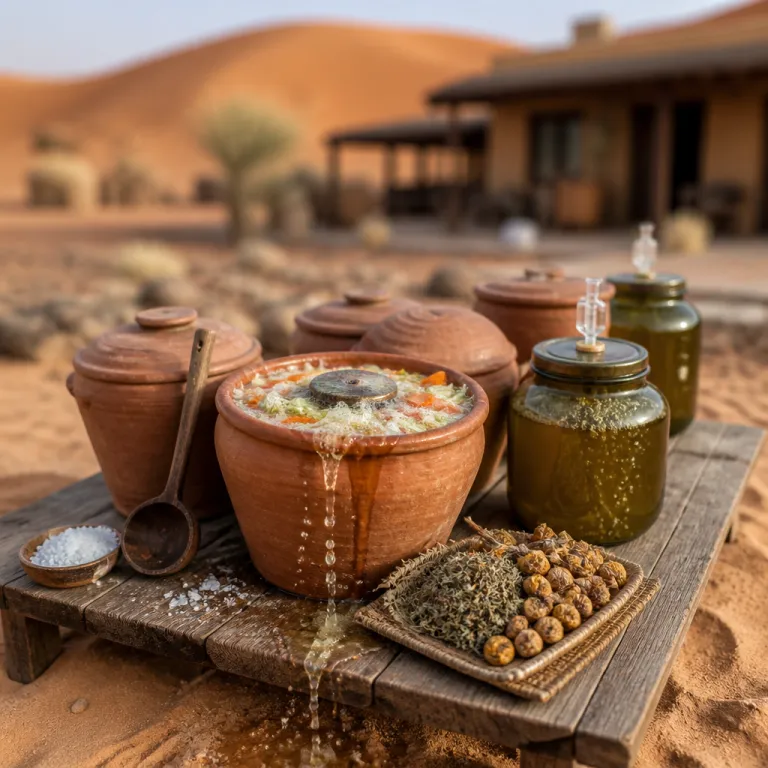
Where a namibia desert cuisine lodge chef rewrites the rules of luxury
In the south of Namibia, luxury is no longer defined only by plunge pools and oversized rooms. A new generation of Namibian chefs is quietly reframing what a desert lodge kitchen can be, turning scarcity into a guiding philosophy rather than a constraint. When you book a high end lodge near the Namib desert, you are now choosing a point of view on food as much as a view of the dunes.
The classic image of a safari lodge in Africa once meant imported salmon, flown in berries and a menu copied from South Africa or Europe. Today, the most interesting namibia desert cuisine lodge chef will start instead with the local landscape, the game that roams the park and the vegetables that can survive the heat. This shift is especially visible in properties edging the Namib Naukluft area, where the red dunes of Sossusvlei meet the stone ridges of the Naukluft National mountains.
Here, the best culinary teams treat every plate as a map of the Namib, from fermented grains echoing desert sands to cured game that reflects arid grazing. Your dining experience might move from a shaded terrace at midday to a starlit deck facing the red dunes at night, each course telling you exactly where you are. Book the right property and your time in this desert becomes a continuous culinary experience, not just a sequence of scenic drives.
Fermentation as the backbone of namibian cuisine in the desert
When supply trucks reach remote desert lodge kitchens only once a week, preservation is not a trend but survival. That reality has pushed the most thoughtful namibia desert cuisine lodge chef to embrace fermentation as both technique and identity. Rather than relying on vague statistics, chefs point to generations of home cooks who have used cultured foods to bridge harsh seasons.
Traditional Namibian cuisine has long used fermented staples such as oshikundu, omaere and ekaka to stretch ingredients through dry months. The question “What are common fermented foods in Namibia?” is answered simply in local food culture: "Oshikundu (fermented millet drink), omaere (sour milk), and ekaka (fermented spinach)." In the hands of contemporary Namibian cooks, these references become tasting menu anchors rather than rustic afterthoughts, especially in ambitious safari lodge dining rooms.
Solar powered kitchens near Sossusvlei desert and the Namib Naukluft area now run on a rhythm dictated by energy and fermentation, not by imported cream and butter. Starters might feature kimchi style fermented vegetables made from hardy cabbages, while sourdoughs are nurtured with wild desert bacteria that give a distinct tang. One chef at a Sossusvlei lodge describes his pantry as “a living library of jars and crocks,” each vessel holding a different snapshot of the surrounding landscape at a particular moment in the season.
Game, dunes and the taste of the namib national park
Desert raised game is the quiet luxury of Namibia, and the best chefs treat it with the respect once reserved for imported wagyu. Kudu, oryx and springbok graze sparse vegetation along the fringes of national park boundaries, developing lean, deeply flavoured meat that responds beautifully to slow cooking and careful curing. A skilled namibia desert cuisine lodge chef will often cure thin slices using refined biltong techniques, then pair them with fermented grains for a layered culinary story.
In lodges bordering the Namib Naukluft and Etosha National areas, tasting menus now read like field notes from a safari. One course might feature lightly smoked oryx loin, aged in a cool stone cellar beneath the desert rooms, served with a reduction of local red wine and fermented spinach inspired by ekaka. Another plate could bring grilled springbok over a bed of roasted root vegetables, their sweetness intensified by the same sun that shapes the red dunes of Sossusvlei.
Chefs are candid about the gap between the romantic farm to farm table narrative and the reality that staples still travel from Windhoek or even South Africa. That honesty becomes part of the dining experience, with menus clearly marking which elements are truly local and which are carefully sourced imports. For couples planning the best time to visit, this transparency helps you choose a lodge whose philosophy matches your expectations as much as your preferred view of the Namib desert.
From sossusvlei desert sunsets to walvis bay: how to eat your way across namibia
A thoughtful itinerary for food focused travelers can trace a line from the Sossusvlei desert to the Atlantic edge at Walvis Bay. Start with a desert lodge near the dunes of Sossusvlei, where your namibia desert cuisine lodge chef builds menus around fermented vegetables, cured game and grains that echo the colour of the red dunes. Here, dining under the stars becomes as central as the sunrise drive into the park.
From there, move north toward Etosha National and its surrounding safari lodge circuit, where traditional food meets contemporary plating. You might taste slow cooked goat with millet inspired by oshikundu traditions, or sample omaere influenced sauces that bring gentle acidity to rich dishes. The answer to “Why is fermentation important in Namibian cuisine?” is clear in these meals: "It preserves food, enhances flavors, and supports sustainability in resource-scarce environments."
Finish on the coast, where street food in Swakopmund and Walvis Bay offers a different angle on Namibian food, from grilled fish to casual game skewers. While these towns are far from the Namib interior, the same logic of preservation and resourcefulness shapes menus in both singular and plural forms of experiences. Throughout this route, your best time at table will come from asking directly about fermentation, local sourcing and how each chef reads the surrounding desert into their cuisine.
Choosing a lodge for a serious culinary experience in the namib desert
For couples using mynamibiastay.com to book, the key is to read beyond the pool shots and sunset drives. Focus on how each lodge describes its kitchen, its namibia desert cuisine lodge chef and its relationship with local producers and national park ecosystems. Properties that mention fermentation, farm table partnerships and solar powered operations usually signal a deeper culinary experience.
Look for menus that reference both Namibian cuisine and wider Africa influences, rather than generic international dishes. A serious safari lodge near the Namib Naukluft area might offer oshikundu inspired bread service, omaere based sauces and carefully aged game from nearby conservancies. Ask whether the rooms include small touches such as fermented snacks or house cured meats, which show that the kitchen’s philosophy extends beyond the main dining deck.
Service culture matters as much as the plate, especially in remote desert settings where timing is everything. Our guide to stellar guest services in Namibian luxury hotels explains how attentive teams can elevate a meal into a memory. When a server can explain exactly how the Namib climate shaped your fermented vegetables, or why a certain cut of game works best at this time of year, you know you have chosen well.
FAQ: fermentation, namibian chefs and desert dining
How does fermentation shape the dining experience at a desert lodge ?
Fermentation allows chefs to preserve fragile ingredients between weekly deliveries, so your meals remain vibrant and seasonal despite the isolation. In many Namibian lodges, fermented grains, vegetables and dairy appear across tasting menus, adding depth and acidity that balance rich game meats. This approach turns the constraints of the Namib desert into a signature flavour profile rather than a compromise.
What types of fermented foods can I expect to try in Namibia ?
Travelers often encounter oshikundu, a fermented millet drink, omaere, a cultured milk, and spinach preparations inspired by ekaka in both rustic and refined forms. At high end properties, a namibia desert cuisine lodge chef may reinterpret these staples as breads, sauces or amuse bouches. You might sip a chilled oshikundu style drink at sunset or taste omaere based butter with warm bread after a long safari drive.
Are Namibian lodge chefs mainly local or from abroad ?
The most interesting kitchens are now led by Namibian chefs who trained locally and in South Africa, then returned to work with local farmers and foragers. This shift from imported European talent to homegrown expertise has strengthened the link between cuisine and landscape. It also means your dining experience will often include personal stories about growing up with traditional food and fermentation.
How honest are lodges about their farm to table claims ?
Remote properties still rely on supply chains from Windhoek and beyond, so not every ingredient is from a nearby farm table partner. The best lodges are transparent, clearly indicating which elements are sourced from conservancies near national park borders and which are imported. When booking, ask directly about sourcing policies and how the kitchen balances authenticity with logistical reality.
When is the best time to visit for a food focused safari ?
Cooler months are generally more comfortable for long safari drives and extended dinners on open decks. During these periods, fermentation projects in the kitchen are often at their peak, with cured game and aged vegetables ready for service. Whatever the season, planning your time around both wildlife viewing and evening meals will give you the richest sense of Namibian desert life.