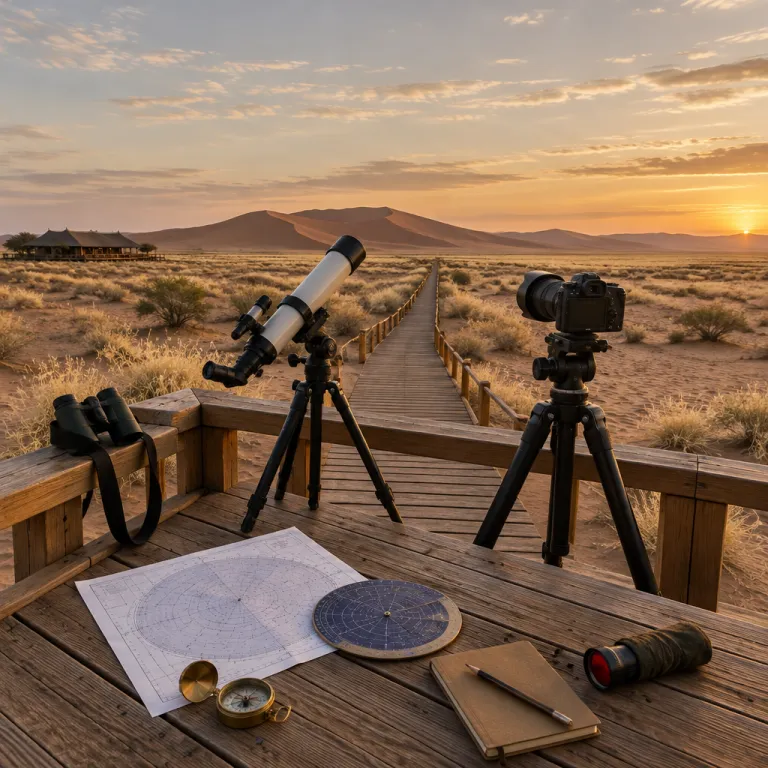
Why spring at NamibRand is the sweet spot for dark sky romance
Spring in Namibia (September to November in the southern hemisphere) brings long, dry evenings that feel made for the night sky. Temperatures soften just enough that you can linger outside under the dark sky without retreating early to your desert lodge suite, which matters when you are planning a romantic trip around astronomy rather than only daytime dunes. For couples, this is when a NamibRand dark sky stargazing spring escape becomes less about endurance and more about slow, shared time under the stars.
NamibRand Nature Reserve is recognised by DarkSky International as Africa’s first International Dark Sky Reserve, and its isolation from any national park town or village keeps artificial light pollution astonishingly low. The nearest significant light source is more than 100 kilometres away in every direction, so the night sky here typically reaches Bortle Class 2 on a new moon, dark enough that the Milky Way can cast a faint shadow on the sand. Those conditions turn the reserve into one of the best sky tourism destinations in the southern hemisphere for couples who care as much about the view above the dunes as the design of their suite.
On a clear dark night in spring, the southern Milky Way arches overhead while the Southern Cross hangs low, and the zodiacal light glows like a subtle cone to the west after sunset. You see this with the naked eye thanks to the minimal light from the lodges, which are carefully shielded to protect the dark skies that define NamibRand Nature Reserve. The result is a level of stargazing that rivals famous international dark sky destinations such as the Aoraki Mackenzie International Dark Sky Reserve in New Zealand, but with the added drama of Namibian desert silhouettes.
For couples planning spring dark sky holidays at NamibRand, the key is to build the itinerary around the new moon rather than squeezing a night or two between other national park stops. Check the lunar calendar for your travel month and aim to stay at least three nights centred on the exact new-moon date, giving you a buffer if one night brings high cloud or dust. As a guide, an October new moon might fall around the 3rd or 4th, so you would target roughly 2–5 October for your stay. This timing lets you experience both the inky dark night sky at true astronomical darkness and the softer, more romantic skies of the nights just before and after, when a slim crescent moon adds gentle light without overwhelming the stars.
Spring also means you can comfortably stay out through the late hours when the galactic centre of the Milky Way is highest, which is when guided stargazing sessions usually peak. Many lodges in the reserve offer stargazing tours that start after dinner and stretch past midnight, and in spring you will not be shivering in a parka while you listen to your guide explain southern hemisphere constellations. Typical night-time lows in September and October hover around 8–15°C (46–59°F), so a light down jacket and hat are usually enough. That balance of comfort and darkness is what makes this season the best time for couples to turn a simple tour into a shared ritual, returning to the same dune or deck each night to watch how the sky changes.
Getting the new-moon window right: how to structure your stay
Timing the NamibRand dark sky stargazing spring window is less about a single perfect night and more about stacking the odds in your favour. Start by choosing your international flights into Namibia so that your nights at NamibRand fall from two days before to two days after the new moon, then build your national park and city stays around that core. This way, your first nights in the country can be spent in Windhoek or Etosha National Park while you adjust to the time zone, saving your clearest night sky sessions for when you are fully rested.
For an elegant arrival, consider one or two nights in the capital before heading south into the desert, using a refined city base as a soft landing. Properties highlighted in guides to Windhoek capital city stays and refined hotels offer calm courtyards, good wine lists and easy access to domestic flights, which helps when you are connecting to a small airstrip near the reserve. This structure keeps the more logistical parts of Namibian tourism at the start and end of your trip, leaving the NamibRand Nature Reserve nights free for slow, uninterrupted astronomy.
Once you reach the reserve, plan your days lightly so that you are not exhausted when the dark night finally arrives. A gentle afternoon tour to the edge of the dunes or a slow drive across the nature reserve plains is enough, especially when the real show begins after dinner on the lodge deck. Couples often underestimate how intense three or four consecutive late nights can feel, so schedule at least one evening where you simply lie back on your private terrace and let the night sky unfold without a formal guided stargazing session.
Spring’s relatively mild temperatures also make it easier to split your nights into two stargazing blocks, which is ideal for serious sky tourism. You might head out with a guide for an early astronomy tour just after astronomical twilight, then return to your suite for a nap before waking again to see the Milky Way high overhead in the small hours. This rhythm lets you experience both the early evening view, when the last light fades from the western horizon, and the deep dark sky of the middle night, when even the faintest stars emerge.
A simple three-night sample itinerary could look like this: Night one, arrive from Windhoek by road or light aircraft (allow roughly six hours by car or one hour by air), enjoy an introductory sky orientation after dinner and an early finish. Night two, join a full observatory session that runs past midnight, focusing on the Milky Way core and bright planets. Night three, keep the day quiet, then spend a mostly private evening on your deck with a telescope or binoculars, using only a short check-in with a guide to refine what you are seeing.
Many couples pair NamibRand with a stay near Victoria Falls or the Zambezi, combining desert skies with river wildlife. If you are tempted by that route, look at refined safari bases such as the lodges featured in a review of an elegant five star safari retreat near Victoria Falls, then work backwards to ensure your NamibRand dates still straddle the new moon. The contrast between a lush river tour and the stark, minimal light of the desert makes the dark skies over Namibia feel even more dramatic when you finally arrive.
Choosing the right lodge: observatories, skylights and serious stargazing design
Not every property in Namibia with a clear night sky is built for serious astronomy, so your choice of lodge matters as much as your timing. For a true NamibRand dark sky stargazing spring experience, look for places where the architecture, lighting design and guiding all revolve around the stars rather than treating them as an afterthought. The best options in and around the NamibRand Nature Reserve combine observatories, in-room skylights and star beds with strict controls on exterior light.
Within the wider Sossusvlei desert region, several high end properties have invested in dedicated observatories and telescopes that rival small national park facilities. Sossusvlei Desert Lodge, for example, is known for its glass fronted suites with in ceiling skylights positioned for Milky Way views, and for its on site observatory staffed by a resident astronomer who leads guided stargazing sessions. Nearby, Wilderness Little Kulala offers star beds on private decks, allowing couples to sleep under the dark skies while still enjoying the comforts of a luxury desert lodge.
Inside NamibRand itself, lodges such as Kwessi Dunes place astronomy at the centre of the guest experience, with a dedicated observatory and a resident expert running evening sky tours. These guided stargazing tours typically begin with naked eye orientation to the southern hemisphere constellations, then move to telescope views of star clusters, nebulae and the planets when they are visible. Because the reserve is an officially recognised International Dark Sky Reserve, the combination of minimal light pollution and professional grade equipment makes even short sessions feel immersive.
When you compare properties, pay attention to how they talk about exterior lighting and the protection of dark skies. A true sky reserve mindset means pathways are lit low and warm, room lights are carefully shielded, and staff are trained to keep unnecessary light to a minimum, all of which preserves the dark night sky for both astronomy and photography. If a lodge simply mentions “great stars” without explaining how it manages light, it may still offer a beautiful view, but it will not match the depth of experience you get at a purpose built desert lodge in the NamibRand Nature Reserve or the Sossusvlei desert corridor.
For couples, the most romantic choice is often a suite with a large skylight or retractable roof over the bed, turning the night sky into the quiet centrepiece of the trip. Guides to quiet luxury stays near Sossusvlei highlight several properties where you can lie back and watch the Milky Way drift past without leaving your duvet. Combine that with one or two nights of more formal astronomy in an observatory, and you have a balance of structured learning and private, unscripted stargazing that suits both sky enthusiasts and partners who simply want a beautiful, unhurried view.
What you actually see: naked eye, telescope sessions and the feel of spring nights
On a new moon NamibRand dark sky stargazing spring night, the first thing you notice is the density of stars visible to the naked eye. With almost no light pollution from the reserve’s carefully shielded lodges, the Milky Way appears as a textured river of light running across the sky, bright enough in places to cast the faintest shadow on the sand. Couples often fall silent at this point, because the view feels less like a backdrop and more like a living ceiling over the desert.
Spring conditions in this part of southern Africa are still very dry, which keeps the atmosphere clear for astronomy while offering warmer air than deep winter. That warmth matters when you are lying on a dune or a deck for an hour or more, tracing constellations and watching satellites drift through the night sky. The Southern Cross, the Magellanic Clouds and the dense star fields of the southern Milky Way all stand out sharply, making this one of the best seasons for first time sky tourism in Namibia.
During guided stargazing tours, your host will usually start with a laser pointer tour of the constellations, helping you map the southern hemisphere sky reserve above NamibRand Nature Reserve. From there, you move to the telescope for close up views of star clusters, double stars and, when the timing is right, the rings of Saturn or the bands of Jupiter. The contrast between the wide naked eye view and the tight telescope framing gives couples a sense of scale that is hard to find in more crowded national park settings.
Many lodges also offer shorter, more intimate astronomy sessions tailored for two, where a guide sets up a telescope on your private deck and leaves you with a simple plan for the night. You might start with a bright cluster in the southern Milky Way, then move to a faint galaxy that only appears in truly dark skies, all while the desert stays quiet around you. Because the light from your suite is kept low and warm, the minimal light allows your eyes to stay adapted to the dark night, extending the depth of what you can see.
For couples who have already visited other international dark sky destinations such as the Aoraki Mackenzie sky reserve in New Zealand or remote parts of South Africa, NamibRand offers a different emotional texture. Here, the combination of vast desert, the protected nature reserve status and the sense of being far from any national park town creates a feeling of rare isolation that amplifies every view of the sky. In spring, when the air is gentle and the nights are long, that isolation becomes quietly luxurious, turning each shared look upward into the real highlight of your Namibian journey.
FAQ
How many nights should couples spend at NamibRand for stargazing in spring ?
Plan at least three nights in the NamibRand Nature Reserve if your priority is NamibRand dark sky stargazing spring experiences. This gives you multiple chances at a clear dark night around the new moon and enough time to enjoy both guided stargazing tours and quiet, private evenings under the night sky. With fewer nights, you risk losing your only opportunity to cloud or dust, which can occasionally soften the view even in this very dry part of Namibia.
Is spring really better than winter for dark sky astronomy in Namibia ?
Winter in Namibia can offer slightly crisper skies, but the nights are much colder, which can shorten sessions for couples who are not used to desert temperatures. Spring keeps the same low light pollution and dark skies while offering more comfortable air, so you are more likely to stay outside long enough to see the Milky Way at its best. For most travellers, that balance makes spring the best season for combining romance, comfort and serious astronomy in the NamibRand Nature Reserve.
Do we need to bring our own telescope for NamibRand stargazing ?
You do not need to travel with a telescope to enjoy the night sky at NamibRand, because the naked eye view under such minimal light pollution is already extraordinary. Many of the leading desert lodge properties in and around the reserve have their own observatories and telescopes, often with a resident astronomer offering guided stargazing sessions. If you are an experienced amateur, a compact travel scope or good binoculars can add detail, but they are not essential for a memorable spring stay.
How does NamibRand compare to other dark sky destinations like Aoraki Mackenzie or South Africa’s reserves ?
NamibRand’s International Dark Sky Reserve status, its distance from any national park town and the vast, open desert give it a level of darkness and horizon to horizon view that rivals Aoraki Mackenzie in New Zealand. Compared with many sites in South Africa, the combination of strict lighting controls, low humidity and the drama of the Sossusvlei desert landscape makes the experience feel more immersive. For couples, the added layer of high end lodges with skylight suites and star beds turns the reserve into a destination where the sky is the main attraction rather than a pleasant extra.
Can we combine NamibRand stargazing with wildlife safaris in one trip ?
It is straightforward to combine a NamibRand dark sky stargazing spring stay with classic wildlife safaris in Namibia or neighbouring countries. Many travellers pair three or four nights in the NamibRand Nature Reserve with time in Etosha National Park, or with a river based safari near Victoria Falls or the Zambezi in South Africa and Zimbabwe. The key is to anchor your itinerary around the new moon dates at NamibRand, then fit the rest of your tours and transfers around that fixed dark sky window.