Luxury Etosha safari in Namibia: lodges, wildlife and when to go
Etosha safari elegance for luxury travellers in Namibia
Etosha in northern Namibia offers one of Africa’s most refined safari stages. Around the vast Etosha pan, discerning visitors find a rare blend of dramatic wildlife and polished comfort, ideal for a tailored Etosha safari in a flagship national park. The protected Etosha National Park setting allows you to pair a high-end lodge stay with guided game drives that feel both exclusive and deeply authentic.
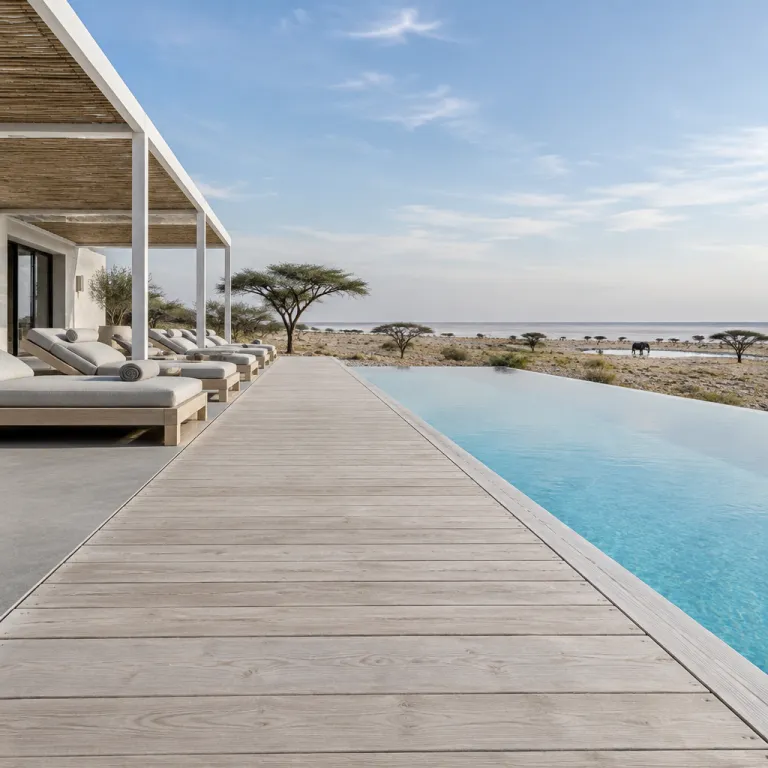
The heart of any Etosha safari is time spent near the shimmering white salt pan. During the long dry season, this Etosha pan acts like a magnet, drawing many species to the waterholes that fringe the park. From elevated decks at a safari lodge, you can watch Etosha wildlife move across the dry plains while enjoying attentive service, carefully curated wines, and often a front-row view of elephants or black rhino at dusk.
Luxury and premium properties around Etosha National Park focus on privacy and space. Many lodges offer only a handful of rooms or suites, each positioned to maximise views of the park and its wildlife. This low-density approach keeps the experience quiet and intimate, even when the national park itself feels busy during peak season, and it suits travellers who value unhurried time on their private deck as much as time in a vehicle.
For travellers comparing Namibia with South Africa, Etosha offers a different rhythm. The park is dominated by the Etosha pan, a unique salt pan that creates stark white horizons and dramatic silhouettes at sunset. Game viewing here feels more open and cinematic, especially when a black rhino or a line of giraffe crosses the pan edge in the last light, and photographers often comment that the minimalistic scenery is unlike anything they have seen elsewhere in Africa.
High-end operators design Etosha safari itineraries that balance game drive intensity with restorative downtime. Morning and afternoon drives into the national park are often combined with spa treatments, wine tastings, or private bush dinners back at the lodge. This balance is crucial for longer stays, when you want each day to feel fresh yet never rushed, and when you may be combining Etosha with other remote regions of Namibia.
When you visit Etosha, location matters as much as style. Properties near Andersson Gate, such as Ongava Lodge or Mokuti Etosha, offer quick access to the central section of the park, which is ideal for a first-time Etosha safari. More remote safari lodge options on private reserves bordering Etosha National Park provide quieter drives and the chance to see elusive species away from the main tourist routes, with some offering photographic hides or star beds for an immersive stay.
Choosing the right area, gate and lodge style for your etosha safari
Etosha National Park stretches over a huge area, so choosing your base is strategic. The western side near Andersson Gate works well for shorter stays, because you reach prime game viewing areas after a relatively brief drive. This gateway Etosha region also offers some of the most polished luxury accommodation just outside the park boundary, including well-known names such as Onguma, Ongava and Mokuti, where you can expect air-conditioned rooms, reliable Wi‑Fi in main areas, and well-trained guiding teams.
Inside the park, government-run accommodation provides simple rooms and a practical base. Many luxury travellers, however, prefer a private safari lodge outside the national park, then enter daily for guided game drives. This approach allows you to enjoy refined dining, curated wine lists, and quieter family rooms while still accessing the core Etosha wildlife areas, and it often includes extras such as laundry service and private vehicles on request.
The central belt around the Etosha pan is famous for its dense wildlife concentrations. During the dry season, elephants, lions, and many antelope species gather at waterholes on the pan edge, creating intense game viewing from dawn to dusk. In the wet season, animals spread out more, but the park becomes beautifully green and birdlife increases dramatically, with species such as flamingos, pelicans and migrant raptors arriving between roughly November and April.
Luxury properties near the gateway Etosha region often include a curated curio shop. These curated curio shops stock high-quality Namibian crafts, textiles, and jewellery, which makes it easy to support local artisans without leaving your lodge. Many travellers appreciate browsing a curio shop between a morning game drive and an afternoon excursion into the park, choosing a handwoven basket or carved wooden animal as a tangible reminder of their time in Namibia.
For detailed inspiration on how high-end travellers structure their days, look at dedicated Etosha park safari experiences for luxury travellers in Namibia on specialist platforms. These curated guides explain how to combine a full day game drive in the national park with relaxed afternoons by the pool or spa. They also highlight which safari lodge options offer the best balance between proximity to Etosha wildlife and tranquil surroundings, and how to link Etosha with other national parks in southern Africa.
Families planning an Etosha safari should pay close attention to room categories. Some lodges offer dedicated family rooms with separate sleeping areas and child-friendly layouts, while others only provide standard double rooms. When you stay near Andersson Gate, you can minimise transfer time for younger travellers and still enjoy excellent game viewing in the central park region, with many lodges able to arrange earlier dinners and flexible game drive times for children.
Seasonality, climate and when to travel for an etosha safari
Timing your Etosha safari around the seasons in Namibia has a major impact on your experience. The long dry season is generally considered the prime time for concentrated wildlife viewing around the Etosha pan. During these dry months, animals cluster at permanent waterholes, and the white salt pan creates stark backdrops for photography, especially in the golden light of early morning and late afternoon.
From roughly season November into the first rains, conditions begin to shift. Many travellers refer to the period from November to April as the wet season, when storms roll across the park and the pan sometimes holds shallow water. While wildlife disperses more widely, the national park becomes lush, and migratory bird species arrive from across Africa, turning Etosha into a rewarding destination for birdwatchers and landscape photographers.
Luxury lodges adjust their activities and rates according to each season. In the dry season, guides often focus on shorter but more intense game drives around key waterholes on the edge of the Etosha pan. During the wet season, they may extend drives into less visited corners of Etosha National Park, where green grasslands attract different species, and they might include more interpretive stops to discuss plants, geology and conservation.
For some travellers, the transitional months between November and April offer an appealing compromise. You still benefit from relatively good game viewing, but the park is quieter and the light softer for photography. This can be an excellent time to visit Etosha if you value atmosphere and space as much as dense wildlife sightings, and if you are comfortable with the possibility of occasional afternoon showers.
Because distances in Namibia are long, many premium travellers now consider flying between camps. Specialist advice on how flying between Namibian camps rewrites the trip helps you understand when a charter flight can save a full day of driving. This is especially relevant if you are combining an Etosha safari with Sossusvlei dunes or the Skeleton Coast in a single itinerary, or if you are linking Namibia with South Africa on one extended journey.
Whichever season you choose, plan enough time for your stay. A minimum of three nights near Etosha National Park allows for multiple game drives in different light conditions, including at least one full day in the park. With four or five nights, you can balance intense wildlife viewing with slower afternoons at your safari lodge, which keeps the journey enjoyable rather than exhausting and gives you time to appreciate the nuances of each season.
Wildlife highlights, game drives and signature Etosha species
Etosha wildlife is defined by both abundance and contrast. On a single game drive, you might watch a black rhino approach a waterhole while herds of springbok and zebra wait nervously nearby. The open landscapes around the Etosha pan make these interactions highly visible, which is why many photographers rate an Etosha safari among Africa’s most rewarding and return repeatedly to refine their images.
The park is home to four of the Big Five, with buffalo absent but lions, leopards, elephants, and rhinos present. Many species have adapted to the dry conditions around the white salt pan, including oryx, kudu, and the endemic black-faced impala. Birdlife is also rich, especially in the wet season when flamingos sometimes gather on the pan after heavy rains, creating a striking contrast between pink plumage and the pale surface of the pan.
Guided game drives from a luxury safari lodge typically run at dawn and late afternoon. In the cool early hours, predators are more active, and you may see lions returning from a hunt or a black rhino retreating to thicker cover. Afternoon drives often end at a scenic viewpoint over the Etosha pan, where sundowner drinks are served as the sky turns orange and pink, and where guides explain how the salt pan formed and why it remains so important for wildlife.
Many lodges offer the option of a full day game drive into Etosha National Park. These longer excursions allow you to reach more remote waterholes and track specific species over greater distances. A full day in the park also gives you time to appreciate the subtle shifts in light and colour across the white pan and surrounding grasslands, and to pause at picnic sites for lunch while watching passing herds.
For travellers comparing Namibia with South Africa, Etosha’s wildlife viewing feels more open and less forested. You often see game at greater distances, moving across the pan or along the horizon, which creates a different photographic style. This is especially striking in the dry season, when dust and light combine to produce almost monochrome scenes around the salt pan, and when silhouettes of giraffe, elephant and oryx stand out clearly against the sky.
Because the park is unfenced in many areas, wildlife frequently moves between the national park and private reserves. Staying at a safari lodge on a neighbouring reserve can therefore deliver excellent sightings without always entering the park itself. This flexibility is valuable on longer stays, when you might alternate days inside Etosha National Park with quieter drives on private land, night drives where permitted, or guided walks that focus on smaller species and tracking skills.
Luxury accommodation, room types and family friendly stays
Luxury accommodation around Etosha National Park ranges from intimate tented camps to architect-designed lodges. Many properties position their rooms to face the Etosha pan or a private waterhole, so you can watch wildlife without leaving your deck. This design focus turns your stay into a continuous Etosha safari, even between formal game drives, and some suites include plunge pools or outdoor daybeds for long, quiet afternoons.
Room categories vary widely, so careful selection is essential. Some safari lodge options offer spacious suites with plunge pools, outdoor showers, and separate lounges, ideal for couples seeking privacy and comfort. Others prioritise family rooms with multiple bedrooms and flexible bedding, which suits multi-generational travel or parents with younger children, and typical nightly rates at premium lodges can range from mid to high three figures per person depending on season.
Inside the park, accommodation is simpler but places you close to key waterholes. These national park camps often feature basic but functional rooms, a restaurant, and sometimes a small curio shop for essentials and souvenirs. Many luxury travellers choose to combine one or two nights inside the park with a longer stay at a premium lodge outside the gates, enjoying the contrast between rustic convenience and full-service comfort.
High-end properties near Andersson Gate are particularly convenient for shorter trips. From these lodges, you can enter the park quickly for morning game drives, then return to refined dining and spa treatments in the afternoon. This gateway Etosha area also works well for travellers who prefer to minimise transfer time on arrival and departure days, and for those who want to maximise time on safari rather than on the road.
Wellness-focused stays are becoming more common across Namibia’s luxury scene. Some travellers now plan a slow week stay that combines gentle game viewing with yoga, spa rituals, and unhurried meals, as highlighted in specialist wellness programme case studies. This slower approach pairs beautifully with an Etosha safari, especially if you have already enjoyed intense wildlife viewing elsewhere in Africa and now want time to rest and reset.
When booking, pay attention to how many rooms a lodge offers. Smaller properties with fewer rooms often provide more personalised service, with guides and staff quickly learning your preferences and interests. For families or groups, reserving several rooms in a compact lodge can create a private camp atmosphere without the cost of a full exclusive-use booking, and it can make shared experiences around the fire or at dinner even more memorable.
Logistics, access and how to structure a premium Etosha itinerary
Reaching Etosha from Namibia’s capital, Windhoek, involves either a long drive or a short flight. Many luxury travellers choose a private road transfer, which takes roughly five to six hours and allows you to see changing landscapes along the way. Others opt for a charter flight directly to an airstrip near their chosen safari lodge, such as Ongava or Mokuti airstrip, saving time and energy for game viewing and avoiding long stretches of gravel road.
For a focused Etosha safari, plan at least three or four nights near the park. This gives you enough time for multiple game drives in different areas, including at least one full day inside Etosha National Park. With five or six nights, you can split your stay between two lodges, perhaps one near Andersson Gate and another overlooking the Etosha pan, which lets you experience both the gateway Etosha region and quieter corners of the park.
Many premium itineraries combine Etosha with other Namibian highlights. A classic route links the national park with Damaraland’s desert-adapted wildlife and the towering dunes of Sossusvlei, creating a varied picture of Namibia. Some travellers then continue to the coast or even connect onwards to South Africa for a city break in Cape Town, turning an Etosha safari into the centrepiece of a broader southern Africa journey.
When you visit Etosha as part of a longer Africa journey, luggage limits and transfer times become important. Charter flights between camps often have strict weight restrictions, which may influence how many nights you spend at each lodge. Working with a specialist who understands both Namibia and South Africa helps you balance game viewing, relaxation, and practical travel considerations, ensuring that your time in each national park feels well used.
Inside the park, self-drive safaris are possible, but many luxury guests prefer guided experiences. A professional guide knows where specific species are likely to be at different times of day and season, which maximises your chances of memorable sightings. Guided drives also allow you to relax and focus on the landscape, rather than on navigating gravel roads and park maps, and they provide insight into conservation projects and local culture.
For families, structuring the day around shorter activities can keep everyone engaged. A typical rhythm might include a morning game drive, a relaxed lunch and pool time at the lodge, then a shorter afternoon drive or nature walk. Choosing accommodation with flexible family rooms and child-friendly menus makes this style of Etosha safari both comfortable and rewarding, and helps ensure that younger travellers remember the trip for the right reasons.
Designing tailored adventure and safari packages for discerning travellers
Tailored Etosha safari packages for luxury travellers go far beyond standard game drives. A well-designed itinerary considers your preferred pace, interests, and comfort level, then matches specific lodges, room types, and activities to those preferences. This bespoke approach is especially valuable in Namibia, where distances are long and each national park offers a distinct character, from the white Etosha pan to the red dunes of the Namib.
For adventure-focused guests, a tailored package might include more time on full day game drives in Etosha National Park. These longer excursions allow you to explore remote corners of the park, track specific species, and linger at waterholes when wildlife activity peaks. Back at your safari lodge, you return to refined accommodation, excellent cuisine, and attentive service that contrasts beautifully with the rugged landscapes outside.
Travellers who prioritise photography often request private vehicles and flexible schedules. On a private Etosha safari, your guide can position the vehicle carefully along the edge of the Etosha pan or near a white salt pan clearing, waiting patiently for wildlife to move into the frame. This level of control is particularly useful when you hope to capture elusive species such as black rhino in soft morning or evening light, or when you want to experiment with long exposures after sunset.
Some packages focus on multi-generational travel, with a strong emphasis on comfort and safety. In these cases, planners select lodges with spacious family rooms, gentle game drives, and shorter transfer times between destinations. Activities might include child-friendly tracking lessons, visits to a curio shop to learn about local crafts, and relaxed afternoons by the pool overlooking the park, giving each generation time to enjoy Etosha at its own pace.
Wellness-oriented travellers often request a slower rhythm and more time at each lodge. A tailored stay might include fewer game drives but longer spa sessions, guided meditation facing the Etosha pan, and leisurely meals under the stars. This style of Etosha safari still connects you with Namibia’s wildlife and landscapes, but in a way that prioritises rest and reflection, and it can be especially appealing after a demanding work period.
Whatever your priorities, the most successful packages treat time as the ultimate luxury. By allowing enough days in each region, you avoid constant packing and long drives, which keeps the focus on wildlife, scenery, and genuine connection. In the end, a carefully crafted Etosha safari becomes less about ticking off species and more about the quiet, powerful moments that stay with you long after you leave Africa, such as watching a herd of elephants cross the pan in absolute silence.
Key figures and statistics for Etosha and luxury safaris
- Etosha National Park covers about 22 270 square kilometres, making it one of Africa’s largest protected areas and significantly larger than many well-known reserves in South Africa (Namibia Tourism Board data, 2023).
- The Etosha pan itself spans roughly 4 800 square kilometres, and in very wet years shallow water can attract tens of thousands of flamingos, transforming the usually dry white salt pan into a temporary wetland (Namibian Ministry of Environment, Forestry and Tourism, 2022).
- More than 110 mammal species and over 340 bird species have been recorded in Etosha, which explains why the park is consistently ranked among Africa’s top wildlife destinations for both general travellers and specialist photographers (Namibia Wildlife Resorts data, 2023).
- Driving distances in Namibia are substantial, with Windhoek to Andersson Gate averaging 430 kilometres and taking around five to six hours by road, which is why many luxury travellers now include at least one internal flight to optimise their time on safari (regional tour operator statistics, 2022–2023).
- Surveys of high-end visitors to Namibia show that travellers typically spend three to five nights on an Etosha safari within a ten to fourteen night national itinerary, underlining the park’s central role in premium travel planning (industry booking data, 2021–2023).
FAQ about luxury Etosha safaris and premium stays
How many nights should I plan for an Etosha safari ?
For a first visit, plan at least three nights near Etosha National Park. This allows for four to six game drives in different areas and light conditions, including at least one full day in the park. If you are combining Etosha with other regions in Namibia, four or five nights provide a more relaxed pace and time to enjoy your lodge facilities.
Is the dry season always better than the wet season for Etosha wildlife ?
The dry season concentrates wildlife at waterholes, which makes sightings easier and more predictable. During the wet season from roughly November to April, animals spread out but the park becomes green and birdlife increases, offering a different kind of beauty. Your choice should depend on whether you prioritise dense game viewing or atmospheric landscapes and fewer vehicles.
Should I stay inside Etosha National Park or at a private lodge outside ?
Staying inside the park puts you close to key waterholes and allows early access to popular routes. Private safari lodges outside the gates usually offer higher levels of comfort, more spacious rooms, and refined dining, with guided drives into the park each day. Many luxury travellers choose a combination, spending one or two nights inside and several nights at a premium lodge nearby.
Is Etosha suitable for families with children ?
Etosha can work very well for families, especially if you choose lodges with dedicated family rooms and flexible activities. Shorter game drives, pool time, and interactive experiences such as tracking lessons help keep younger travellers engaged. Properties near Andersson Gate are particularly convenient because they reduce transfer times and provide easy access to central park areas.
How does Etosha compare with safari destinations in South Africa ?
Etosha offers more open, arid landscapes dominated by the vast Etosha pan, while many South Africa reserves feature thicker bush and smaller fenced areas. Wildlife viewing in Etosha often happens at greater distances but with dramatic backdrops, especially around the white salt pan in the dry season. Travellers who enjoy wide horizons and a sense of wilderness often find that an Etosha safari complements, rather than replaces, experiences in South Africa.