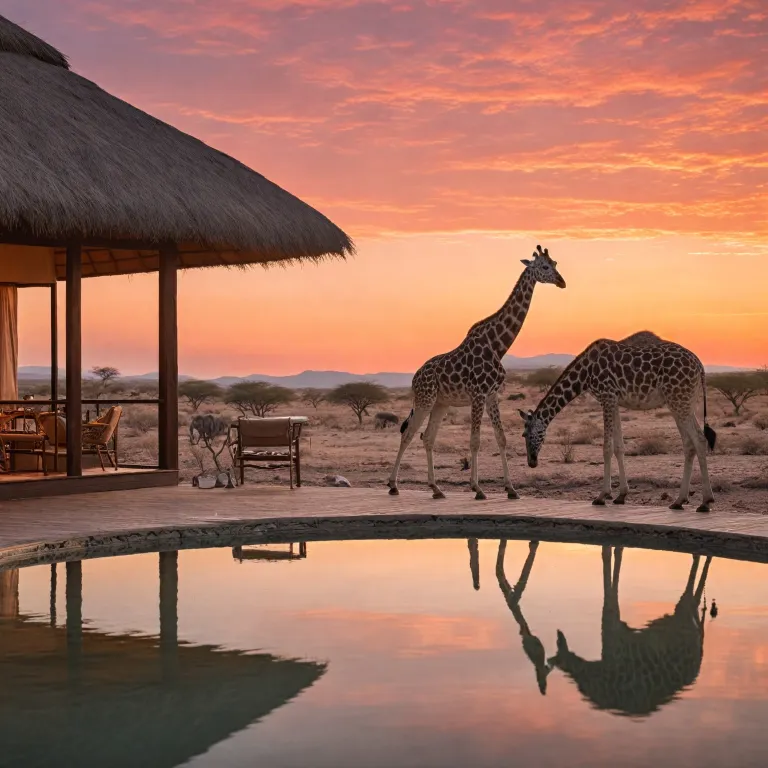
Why an Etosha National Park safari defines Namibia’s luxury wilderness
An Etosha National Park safari combines raw wilderness with refined comfort. Within this vast park in northern Namibia, travellers encounter a dramatic salt pan, prolific wildlife, and carefully managed conservation areas that still feel wonderfully remote. For guests choosing premium accommodation, the challenge is aligning expectations of luxury with the realities of a fragile national ecosystem.
The heart of any etosha national park safari is the immense Etosha Pan, a shimmering salt pan that dominates the landscape and shapes wildlife movements. Around this pan, the park offers both self drive safari routes and guided tours, each revealing different perspectives on Etosha wildlife and the surrounding savanna. Because the park Etosha area is so extensive, selecting the right lodge or camp becomes essential for minimising transit time and maximising time in the field.
Etosha is managed by the Ministry of Environment and Tourism, Namibia, which balances tourism growth with conservation priorities. Within the national park, rest camps and private luxury lodge properties operate under strict regulations that protect wildlife and sensitive habitats. This framework reassures guests that their safari etosha experience supports long term preservation of black rhino, elephant, and big cat populations.
For many visitors, an Etosha safari begins with a flight into Windhoek airport, followed by a Namibia drive of roughly 400 kilometres to the park gates. Others choose a fly in option to a nearby airstrip, then transfer to a tented camp or permanent lodge. In both cases, careful planning of each day and night is vital to enjoy the best time at waterholes, when wildlife congregates and the light over the etosha pan turns soft and golden.
From Windhoek to the Etosha Pan: structuring a premium safari route
Designing a luxury etosha national park safari starts long before you reach the gate. Most itineraries begin in Windhoek, where international flights arrive at the main airport and guests meet their guide or collect a 4x4 for a self drive safari. The Namibia drive north unfolds across changing landscapes, from highland plateaus to the drier plains that signal your approach to the national park.
Travellers who value comfort often break the journey with an overnight stay at a lodge en route, turning the drive into part of the experience. This approach allows time to adjust after long haul flights, refine plans for private safaris, and ensure that the first day in Etosha is not rushed. When you finally visit Etosha and pass through the park Etosha entrance, you can head directly to your chosen accommodation rather than navigating unfamiliar roads while tired.
Within the national park, the road network is well maintained, making a drive safari feasible even for first time visitors. However, premium travellers often combine self drive days with guided tours, using expert trackers to interpret subtle wildlife behaviour around the Etosha Pan and nearby waterholes. This blend of independence and guidance is particularly valuable when planning the best time to be at key viewpoints.
Many high end itineraries pair an Etosha safari with another iconic destination, such as an exclusive stay near Victoria Falls. For example, guests may enjoy an elevated riverfront retreat at the Victoria Falls Safari Club before or after their Namibia drive. This multi country approach appeals to travellers seeking a seamless sequence of luxury lodge stays, each framed by outstanding wildlife and landscape experiences.
Choosing between rest camps, tented camps, and luxury lodges in Etosha
Selecting accommodation is the most important decision for any etosha national park safari. Inside the national park, government run rest camps offer practical bases with access to floodlit waterholes, while private tented camp and luxury lodge options cluster along the boundaries. Each style of camp or lodge shapes how you experience the park Etosha environment, from sunrise drives to quiet evenings beside a salt pan.
Rest camps within Etosha provide solid, comfortable rooms and easy access to supplies, which suits self drive safari guests who value convenience. Their central locations shorten the drive to major waterholes and make it simple to return for a midday break during the hottest part of the day. For many travellers, this balance of affordability and proximity offers the best time to enjoy both wildlife and relaxed downtime.
Private tented camps and luxury lodge properties, often just outside the national park gates, focus on personalised service and curated tours. These camps typically include guided safaris in open vehicles, sundowner stops overlooking the Etosha Pan, and multi course dinners under the stars. Guests who choose this style of accommodation often appreciate the quieter atmosphere and the ability to tailor each day’s drive safari to specific interests, such as photography or birdwatching.
Some premium travellers combine several styles of accommodation during a longer safari etosha itinerary. A few nights in a rest camp might be followed by a stay at Dolomite Camp, which offers a more intimate setting in the western sector of Etosha. Others end with a high end property highlighted in guides to exceptional hotels with spa experiences across Namibia, ensuring that the final day includes both wildlife and restorative treatments.
Understanding Etosha wildlife, the salt pan, and seasonal timing
The defining feature of any etosha national park safari is the interplay between wildlife and the vast Etosha Pan. This immense salt pan covers nearly a quarter of the park and creates a stark, reflective backdrop that concentrates animals around its fringes. During the dry season, when water is scarce elsewhere, the pan’s permanent waterholes become magnets for Etosha wildlife and for photographers seeking dramatic scenes.
Choosing the best time to visit Etosha depends on your priorities. The dry months are widely regarded as the best time for clear sightings, as elephants, lions, and antelopes gather in large numbers at predictable points. In contrast, the wetter months transform parts of the salt pan into shallow lakes, attracting migratory birds and softening the harsh lines of the landscape, which some guests find equally compelling.
Within the national park, different areas offer distinct experiences, from the western reaches near Dolomite Camp to the central plains around the main rest camps. A well planned drive safari might focus one day on the open grasslands, another day on mopane woodland, and a third on the stark edges of the Etosha Pan. This variety ensures that each day’s tours feel fresh, even for guests staying a full week.
Conservation remains central to the park Etosha management strategy, with anti poaching units protecting rhinos and other threatened species. Travellers who choose responsible lodges and private safaris contribute directly to these efforts through park fees and community partnerships. For many guests, understanding this connection deepens the meaning of their safari etosha experience and shapes how they speak about Namibia’s national parks after they return home.
Designing multi day luxury safaris that link Etosha, the Namib Desert, and sand dunes
Many premium travellers extend their etosha national park safari into a broader circuit that includes the Namib Desert and its famous sand dunes. After several days focused on Etosha wildlife and the shimmering salt pan, the transition to towering dunes and Atlantic fog banks feels almost surreal. This contrast between the national park’s open plains and the sculpted forms of the Namib Desert is one of Namibia’s greatest strengths.
A typical itinerary might start Etosha with three or four nights split between a rest camp and a private luxury lodge. Each day includes a mix of self drive safari time and guided tours, ensuring that guests see both popular waterholes and quieter corners of the park Etosha area. Once the best time for wildlife viewing has passed, usually by late morning, travellers return to camp for leisurely lunches and poolside relaxation.
From Etosha, many guests fly or drive south to reach the Namib Desert, where iconic sand dunes rise more than 300 metres above the surrounding plains. Those who wish to climb a dune at sunrise often base themselves at a tented camp or lodge close to Sossusvlei, reducing transfer times in the dark. For detailed planning, travellers frequently consult guides to a refined desert stay near Dune 45, then integrate these insights into their wider Namibia drive.
Combining Etosha, the Namib Desert, and the coast creates a multi day journey that showcases Namibia’s diversity without sacrificing comfort. Carefully chosen accommodation at each stage ensures that every day ends with excellent cuisine, attentive service, and quiet time to reflect on the safari etosha highlights. For discerning guests, this layered approach turns a single national park visit into a comprehensive exploration of Namibia’s most compelling landscapes.
Practical planning for premium Etosha stays, from airport arrival to final game drive
Thoughtful logistics transform an etosha national park safari from a simple holiday into a seamless luxury experience. Most international guests land at Windhoek airport, where they either meet a private guide or collect a pre arranged 4x4 vehicle. From here, the Namibia drive to the national park typically takes between four and six hours, depending on stops and road conditions.
Premium travellers often arrange a first night in Windhoek to rest, adjust to the time zone, and review their safari etosha plans. The next day, they set out early for Etosha, aiming to reach the park Etosha gate by mid afternoon and settle into their chosen lodge or rest camp before sunset. This schedule allows time for a short drive safari on arrival day, offering a first glimpse of Etosha wildlife around nearby waterholes.
Within the national park, many luxury lodge properties and tented camp operators provide a flexible mix of scheduled tours and private safaris. Guests might join a shared morning drive to the Etosha Pan, then book a private vehicle for an afternoon focused on photography or birding. Over several day and night cycles, this variety keeps the experience engaging while still allowing ample downtime at the accommodation.
When planning the final day, it is wise to allow generous time to exit the park and reach the airport or next destination. Some travellers choose to end with a leisurely breakfast overlooking a salt pan, followed by a relaxed Namibia drive back to Windhoek. Others connect directly from Etosha to another regional highlight, confident that their carefully structured itinerary has delivered the best time and value from every aspect of their etosha national park safari.
Key statistics for Etosha National Park and its wildlife
- Park area : approximately 22 270 km², making Etosha one of Africa’s larger protected national parks.
- Etosha Pan coverage : around 23 % of the park is dominated by the iconic salt pan.
- Mammal diversity : about 114 mammal species contribute to exceptional Etosha wildlife viewing.
- Birdlife : roughly 340 bird species have been recorded within the park Etosha boundaries.
- Reptiles and amphibians : around 110 reptile species and 16 amphibian species inhabit the wider Etosha ecosystem.
- Visitor numbers : approximately 200 000 people visit Etosha each year, supporting conservation and local economies.
Essential questions about planning an Etosha National Park safari
What is the best time to visit Etosha National Park?
The dry season, from May to October, is ideal for wildlife viewing as animals congregate around waterholes. During this period, vegetation is thinner, water sources are limited, and Etosha wildlife becomes easier to observe from both self drive safari routes and guided tours. Many travellers therefore plan their etosha national park safari around these months to maximise sightings and photographic opportunities.
Are self drive safaris allowed in Etosha National Park?
Yes, the park's well-maintained roads allow for self-drive safaris, offering flexibility to visitors. Guests can collect a vehicle in Windhoek, complete the Namibia drive to the national park, and then follow clearly signposted routes around the Etosha Pan and major waterholes. Combining self drive days with occasional guided tours often provides the best time balance between independence and expert insight.
What accommodations are available within the park?
Etosha offers a range of accommodations, including lodges and campsites, some featuring floodlit waterholes for nighttime wildlife viewing. Inside the national park, rest camps provide practical rooms and easy access to services, while nearby private tented camp and luxury lodge options focus on personalised safaris and elevated comfort. Travellers can mix these styles across several day and night stays to create a tailored safari etosha itinerary that matches their budget and expectations.
