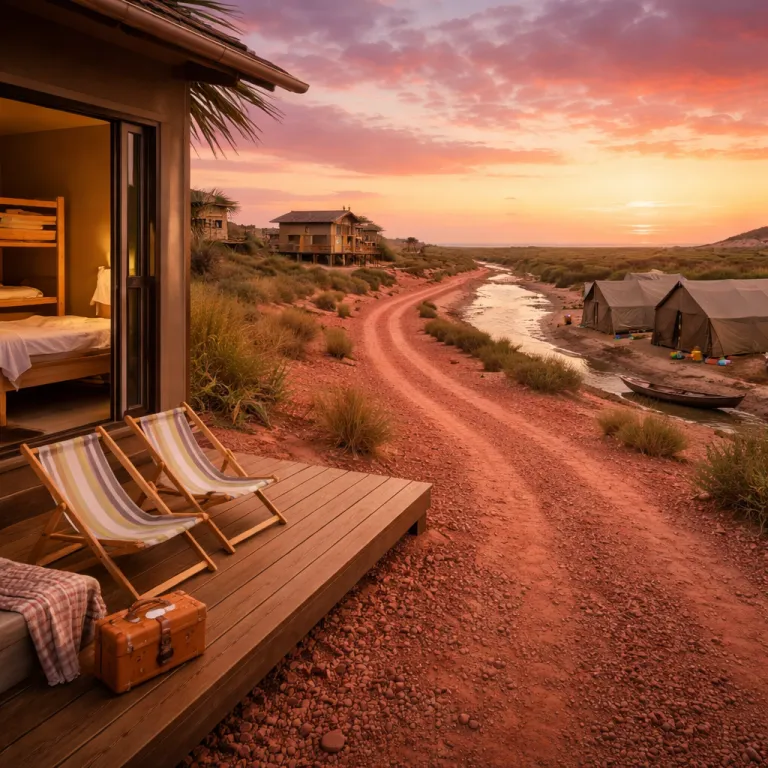
Why a four-region hotel guide Namibia itinerary works for families
Think of a hotel guide Namibia itinerary as four clear anchors: a night or two in Windhoek, a chapter in the desert, a wildlife immersion near Etosha National Park, and a coastal or cultural finale. These stages give structure to your trip without exhausting the children. In a country as wide as Namibia, this rhythm keeps transfers manageable while still feeling as if you truly explore southern Africa rather than just ticking off parks and dunes.
Families often ask whether three regions are enough for a first safari in Namibia. If you must cut, drop either the coast or Damaraland, but never both the desert and Etosha wildlife chapter, because those two are the best places to feel the contrast between Sossusvlei’s desert dunes and the animal-rich pans of Etosha National Park. A well planned hotel guide Namibia route will still let you share time at a desert lodge, a tented camp near Etosha, and a relaxed coast camp without turning every day into a long-haul drive across Africa.
The four-region structure also helps you control budget and energy. You can mix a high-design lodge in the Namib-Naukluft area with a more understated camp near the Etosha park entrance, then finish with a simple guesthouse at the Atlantic Ocean coast. This balance of hotels and lodges across Namibia keeps the focus on wildlife, sand dunes and Skeleton Coast views rather than on how many hours the children spend strapped into a vehicle between each national park.
Windhoek opener: one night or two, and where to stay
Every serious hotel guide Namibia itinerary starts in Windhoek, because the capital is the practical gateway to the rest of the country. For most premium families, one night is enough to shake off the South African or long-haul flight, check bags, and adjust to the altitude before heading towards the desert or Etosha National Park. Choose two nights in Windhoek only if you want a slower start, time to explore the city’s markets, and a buffer in case of delayed international travel from South Africa or Europe.
In central Windhoek, Hilton Hotel Windhoek offers a polished city hotel experience with a rooftop pool and wide view over the Khomas Highlands, which works well for older children who enjoy urban comforts. Protea Hotels also operate several properties across Namibia, giving you reliable accommodation options if you prefer a familiar brand at the beginning or end of your safari. For a more intimate feel, local favorites such as Olive Exclusive or Galton House sit in quiet neighborhoods, pairing generous family rooms with easy access to restaurants and the main road north towards Etosha and Damaraland Camp areas.
Use this Windhoek opener to refine logistics for the rest of your hotel guide Namibia route. Confirm charter flights or self-drive car hire, check park entrance paperwork for Etosha National Park, and talk through desert-adapted wildlife expectations with your guide before the children are distracted by dunes and coast camp adventures. Looking ahead, Newmark’s Thitaka Lodge in the Caprivi will add valuable family room inventory to Namibia and neighboring South African circuits, and you can follow its progress through dedicated coverage of new family friendly villas and pool privacy in the Kwando area.
Desert chapter: choosing your lodge between design and wildlife
The desert chapter is where a hotel guide Namibia journey becomes emotional, because the Namib-Naukluft landscape feels almost lunar. Families usually choose between the design-led &Beyond Sossusvlei Desert Lodge and the wildlife-focused Wilderness Little Kulala, both positioned to reach the famous Sossusvlei desert dunes at first light. Either way, you wake before dawn, drive through the national park entrance, and watch the children race up sand dunes that glow orange against a cobalt sky.
&Beyond Sossusvlei Desert Lodge leans into architecture and astronomy, with glass-walled suites that frame the desert and a telescope for late-night stargazing over one of Africa’s darkest skies. Wilderness Little Kulala, by contrast, places more emphasis on desert-adapted wildlife and guided walks that explain how oryx, bat-eared foxes and smaller creatures survive in this harsh corner of Namibia. Both lodges offer private plunge pools, air-conditioned suites and flexible meal times, which matter when younger guests fade early after a long day of travel and dune climbing.
Whichever desert lodge you choose, keep transfers realistic within your hotel guide Namibia plan. Charter flights reduce journey time between Windhoek, the Namib-Naukluft area and Etosha, but self-drive can work for confident parents with children old enough to handle four- to six-hour drives between camps. As a rough guide, Windhoek to Sossusvlei by road takes about five to six hours, Sossusvlei to Swakopmund around five hours, and Swakopmund to the southern Etosha gates roughly six hours, so build in rest stops and picnic breaks. For a deeper look at how sustainable luxury is reshaping Namibia’s desert lodges and coast camp operations, read our analysis of why sustainable luxury is now the baseline in Namibian hospitality, which explains how properties manage water, energy and wildlife impact across the national park landscapes.
Wildlife chapter: Etosha, private concessions and tented camps
For many families, the wildlife chapter is the emotional core of any hotel guide Namibia itinerary. Etosha National Park delivers that classic Africa image of elephants, giraffes and lions gathering at waterholes, often visible from your vehicle without long, uncomfortable waits. The question is whether to stay inside Etosha National Park itself or in private concessions on its perimeter, where lodges and tented camp options offer more flexibility.
Inside the park, government-run camps such as Okaukuejo provide simple accommodation options with unrivalled access to floodlit waterholes, which can be magical for older children who want to watch wildlife after dinner. On the perimeter, private lodges like Ongava or Onkoshi offer more polished service, guided drives that avoid the busiest loops, and family suites that feel closer to a high-end desert lodge than a traditional camp. For a first-time family safari, I usually recommend one or two nights inside Etosha National Park for the atmosphere, then two or three nights in a private concession where you can share quieter sightings and slower mornings.
Whichever mix you choose, remember that Etosha is vast, and distances between park entrance gates and key waterholes can be long for younger children. Charter flights can link Etosha with the Namib-Naukluft desert or Damaraland Camp areas, but many families still prefer a self-drive loop that lets them stop at viewpoints and picnic sites along the way. As one of our reference guides puts it, “Book accommodations in advance during peak season, consider proximity to attractions, and check for included amenities.” For planning purposes, aim to keep individual driving legs to four hours or less with children under eight, and only stretch to six hours in a day if teenagers are used to road trips and you can break the journey into two or three shorter segments.
Damaraland and the Skeleton Coast: culture, coast camps and desert adapted wildlife
Damaraland is where a hotel guide Namibia itinerary gains cultural depth, especially for families who want their children to understand more than just wildlife checklists. Properties such as Damaraland Camp and Doro Nawas Camp work closely with local Damara communities, offering visits to the Damara Living Museum that feel respectful rather than staged. Here, you can share time with guides who grew up in the area, learning how desert-adapted elephants and rhinos move through the dry riverbeds that cut across this part of Namibia.
From Damaraland, many families extend their travel to the Skeleton Coast, where the Atlantic Ocean collides with the desert in a swirl of fog and shipwreck stories. High-end options such as Shipwreck Lodge and Hoanib Skeleton Coast Camp offer coast camp experiences that feel almost otherworldly, with drives along sand dunes that plunge straight into the sea and flights over seal colonies. Hoanib Camp in particular balances desert-adapted wildlife drives with excursions to the Skeleton Coast, making it one of the best places in Africa to combine elephants, dunes and dramatic ocean views in a single stay.
Further south, Walvis Bay and Swakopmund provide a softer coastal landing, with hotels and guesthouses that suit families who prefer a town base to a remote tented camp. Boat trips from Walvis Bay reveal dolphins and pelicans on the Atlantic Ocean, while quad biking in the nearby sand dunes gives teenagers a different kind of desert thrill. If you are comparing coastal luxury across continents, our feature on a bayside escape to ultimate luxury in Curaçao shows how Namibia’s raw Skeleton Coast contrasts with more classic beach resort models.
Logistics, internal flights and self drive: what works at each age
Designing a hotel guide Namibia route for families is as much about logistics as it is about lodges. Internal charter flights stitch together Windhoek, the Namib-Naukluft desert, Etosha National Park and the Skeleton Coast in short hops, which suits younger children who tire quickly on long drives. The trade-off is cost, because flying between every camp and lodge can significantly increase the overall budget of your Africa journey.
Self-drive, by contrast, offers flexibility and value, especially for families with older children who can handle four- to six-hour stretches between hotels. Namibia’s main roads are generally well maintained, traffic is light compared with South African highways, and the sense of space between dunes, parks and coast camps becomes part of the experience. If you choose this route, plan fuel stops carefully, carry extra water for desert stretches, and avoid driving after dark when wildlife can wander onto the road near national park boundaries.
Many families settle on a hybrid model for their hotel guide Namibia itinerary, flying the longest legs and driving the shorter links between regions. For example, you might fly from Windhoek to the Sossusvlei desert area, drive north through Damaraland Camp country to the Skeleton Coast, then continue by road to Etosha before a final hop back to Windhoek. This approach keeps transfers varied, gives children a sense of Namibia’s scale, and still allows you to reach remote tented camp and desert lodge properties that feel far from any city in South Africa or beyond.
How long to stay, when to go and how to book
A realistic hotel guide Namibia plan for a four-region family trip starts at around twelve nights. That usually means one or two nights in Windhoek, three in the desert, three or four near Etosha National Park, and the balance split between Damaraland and the coast. If you only have eight nights, you must choose three regions, and I would keep Windhoek, the desert and Etosha, then save the Skeleton Coast or Walvis Bay for a future Africa journey.
Timing matters as much as routing, especially when you are balancing school holidays with wildlife viewing. The dry season from June to September is widely regarded as the best time to visit Namibia, because wildlife congregates at waterholes in Etosha and temperatures in the Sossusvlei desert are more manageable for children. Instead of relying on broad averages for hotel prices or total property counts, check current rates for your specific dates and compare a few representative lodges in each region to build a realistic budget for your family.
When it comes to reservations, use a mix of tools to secure your preferred camp, lodge and hotel combinations. Online booking platforms, direct hotel websites and specialist travel agencies all play a role, and the integration of virtual tours now helps families compare room layouts and views before they commit. Namibia is generally safe with standard precautions, and there are budget accommodations alongside luxury options, but for a premium family safari, curated advice from a dedicated hotel guide Namibia resource will always beat a generic search result.
Key figures for planning a hotel guide Namibia itinerary
- Instead of relying on a single quoted “average nightly rate” for hotels and lodges in Namibia, compare a sample of properties in Windhoek, Sossusvlei, Etosha and the coast for your exact travel month, then use those live prices to benchmark a realistic budget for a twelve-night, four-region itinerary.
- Rather than focusing on an approximate total number of hotels across Namibia, concentrate on how many suitable properties exist in each region you plan to visit, from city hotels in Windhoek to remote desert lodge and tented camp options near the main national parks.
- Peak tourist season in Namibia typically begins around early June and runs through the dry winter months, so families aiming for the best wildlife viewing in Etosha National Park should book key camps and lodges several months in advance.
- Self-drive safari tourism continues to grow in Namibia, reflecting the country’s good road network and low traffic, but there is also a clear rise in eco-friendly lodges and high-end safari camps that cater to families seeking lower-impact stays.
- Online booking platforms, hotel websites and travel agencies now often include virtual tours of rooms and public areas, which supports more informed decisions when comparing desert-adapted lodges, coast camps and Windhoek hotels for a complex family itinerary.
FAQ about luxury family stays and hotel guide Namibia planning
What is the best time to visit Namibia for a family safari ?
June to September during the dry season is generally considered the best time to visit Namibia, because wildlife concentrates around waterholes in Etosha National Park and daytime temperatures in the desert are more comfortable for children. These months also offer clearer skies for stargazing at desert lodges and tented camps. The trade-off is higher demand for the best places, so advance booking is essential.
Is it safe to travel in Namibia with children ?
Namibia is generally safe with standard precautions, and many lodges and hotels are well used to hosting families. The main risks are environmental rather than criminal, such as heat in the desert, long driving distances between parks and wildlife around unfenced camps. Choose reputable operators, follow lodge safety briefings and avoid driving at night near national park areas.
Are there budget friendly options alongside luxury lodges in Namibia ?
Yes, there are budget accommodations in Namibia, including guesthouses, simple hotels and campsites near major attractions. Families can mix a few nights at high-end desert lodges or Etosha concessions with more modest properties in Windhoek or coastal towns like Walvis Bay. This blended approach keeps costs under control while still delivering key experiences in dunes, parks and coast camps.
How far in advance should I book hotels and lodges in Namibia ?
For peak dry season months, aim to secure core desert, Etosha and Skeleton Coast camps at least six to nine months ahead, especially if you need family suites. Shoulder-season trips can sometimes be arranged closer to departure, but the most sought-after lodges and tented camps still fill quickly. Using a specialist hotel guide Namibia resource or trusted travel agency helps you track availability across multiple regions.
What is the minimum trip length for a four region hotel guide Namibia itinerary ?
A meaningful four-region itinerary that includes Windhoek, the desert, Etosha and either Damaraland or the coast usually requires at least twelve nights. Anything shorter forces you to drop one region or accept rushed transfers that are hard on children. If you only have eight nights, focus on three anchors and plan to return for the remaining region on a future Africa journey.
Sample 12-night family hotel guide Namibia itinerary with driving times
To make these ideas concrete, here is an example of a twelve-night premium family route that balances charter flights and self-drive, with approximate driving times between key gates and hubs so you can adapt it to your own hotel guide Namibia plans.
Day 1–2: Windhoek arrival and city stay
Arrive in Windhoek, transfer 45 minutes to your chosen hotel, and spend one or two nights adjusting to the time zone. Use the full day to finalize car hire, review your desert and Etosha paperwork, and let children swim or explore the city before the longer drives begin.
Day 3–5: Sossusvlei and the Namib-Naukluft desert
Drive from Windhoek to the Sossusvlei area in about five to six hours via Rehoboth and Solitaire, or take a one-hour charter flight if you prefer to avoid the road. Spend three nights at a desert lodge, with early-morning excursions through the Sesriem gate into the national park, dune climbs at Sossusvlei and Deadvlei, and relaxed afternoons by the pool or telescope.
Day 6–7: Swakopmund and Walvis Bay coast
Continue by road from Sossusvlei to Swakopmund in roughly five hours, crossing the Gaub and Kuiseb passes before reaching the Atlantic coast. Base yourselves in Swakopmund or nearby Walvis Bay for two nights, joining a morning dolphin cruise, sandboarding or quad biking in the coastal dunes, and enjoying easy restaurant access for children who want a break from set-menu lodge dining.
Day 8–10: Damaraland culture and desert-adapted wildlife
Drive north from Swakopmund towards Damaraland in about four to five hours, depending on your exact camp location near Twyfelfontein or the Huab River. Spend three nights exploring rock engravings, visiting the Damara Living Museum and tracking desert-adapted elephants with local guides, while keeping daily drives to three hours or less once you are based in the region.
Day 11–12: Etosha National Park safari and return
On Day 11, travel from Damaraland to the southern Etosha gates in around four to five hours, then settle into either a government camp inside the park or a private lodge on the boundary. Use your final two nights for classic game drives between Okaukuejo, Halali and nearby waterholes, before a last road transfer of about four to six hours back to Windhoek on departure day, or a shorter charter flight if your budget allows.