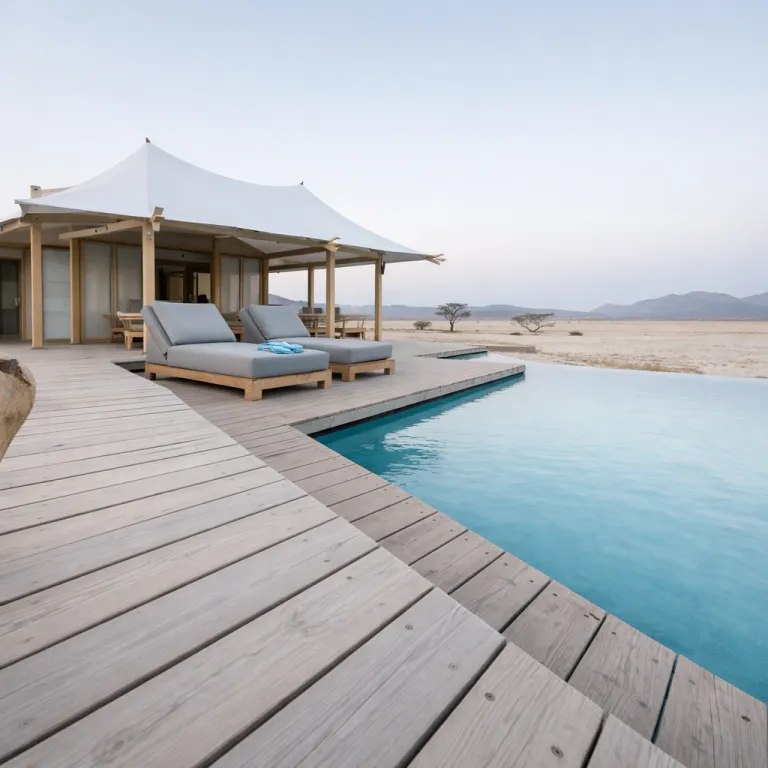
Understanding the best time to visit Namibia Africa for luxury stays
Choosing the best time to visit Namibia Africa is essential when you are investing in premium accommodation. The country’s climate is defined by a long dry season and a shorter rainy season, and this rhythm shapes everything from wildlife encounters to the atmosphere in luxury lodges. When you plan your time to visit, you are really choosing the style of experience you want, from crisp winter mornings to dramatic summer storms.
For many travelers, the dry season Namibia offers between May and October is the best time for a first visit Namibia focused on safari. During these winter months, skies are usually clear, daytime temperatures hover around 20 °C, and wildlife concentrates around scarce water sources. This makes game viewing in places like Etosha National and other national park areas exceptionally rewarding, especially during the peak months of August, September, and early October.
The rainy season Namibia experiences from November April brings a different kind of beauty, with green landscapes and fewer visitors in luxury properties. Average daytime temperatures rise towards 30 °C, afternoon storms roll in, and the desert feels more dramatic, yet it remains manageable with proper planning and hydration. It is safe to travel during this time year, although some remote tracks may be less accessible due to rains.
Travelers seeking the best balance between comfort and value often choose the shoulder months of April October, especially April and late October November. These months offer excellent light, relatively clear skies, and more availability in high end lodges and city hotels in Windhoek and Swakopmund. When you align your season Namibia choice with your expectations, you elevate both your Namibia safaris and your time in urban retreats.
Dry season elegance: why May to October suits luxury Namibia safaris
The dry season is widely regarded as the best time to visit Namibia Africa for classic safari luxury. From June to October, vegetation thins, water sources shrink, and wildlife congregates in predictable patterns that suit high end game drives. In Etosha National Park and private reserves, this translates into excellent game viewing from the comfort of open vehicles and elevated decks.
During these winter months, mornings and evenings can feel surprisingly cool, while midday temperatures remain pleasantly warm. Skies clear above the desert and savannah, creating luminous conditions that flatter the ochre dunes and salt pans. Many premium lodges design their activity schedules around this rhythm, offering early morning drives, long siestas, and lantern lit dinners under the stars.
For travelers combining Etosha with Victoria Falls or regional highlights, the dry season also synchronizes well with neighboring destinations. When planning a cross border itinerary that includes an exclusive stay such as the Victoria Falls Safari Club, consistent weather patterns simplify logistics and packing. This period is particularly attractive for honeymooners and multi generational families who value reliability and comfort.
According to local guidance, "June to October, during the dry season." is often highlighted as the prime window for wildlife viewing. This aligns with the best time for Etosha game drives, when elephants, lions, and antelopes gather at waterholes throughout the day. If your priority is to maximize sightings while enjoying refined service, the dry season Namibia offers remains the most strategic time visit.
Shoulder seasons from April to November: refined value and softer light
For many discerning guests, the nuanced shoulder months around the dry season provide the best time to visit Namibia Africa. Periods such as April October and October November often combine comfortable temperatures, softer light, and slightly lower occupancy in luxury properties. This can translate into more personalized service and a calmer atmosphere at high end lodges and city hotels.
In April, the last rains of the rainy season Namibia may linger, but landscapes are fresh and lightly green. Wildlife begins to move back towards permanent water sources, and roads usually remain accessible for self drive travelers and private transfers. By late April, the transition towards the dry season Namibia is well underway, offering an excellent compromise between lush scenery and improving game viewing.
October is another pivotal month, especially for travelers focused on Etosha and other national park regions. Daytime temperatures rise, yet the combination of dry conditions and shrinking water sources produces intense wildlife activity. Many guests consider this month excellent for photography, as dust in the air softens sunsets over the desert and salt pans.
Luxury wellness travelers may find these months ideal for combining safari with spa experiences. Properties highlighted in curated collections of exceptional hotels with spa experiences across Namibia often offer attractive packages outside peak dates. When you align your time year choice with these shoulder periods, you can enjoy both value and exclusivity during your visit Namibia.
Rainy season from November to April: lush landscapes and quieter luxury lodges
While many travelers focus on the dry season, the rainy season from November April can also be the best time to visit Namibia Africa for certain preferences. During this season Namibia transforms as brief but intense showers refresh the desert and savannah. The result is a striking contrast between red dunes, green grasses, and dramatic skies clear after afternoon storms.
Average daytime temperatures during this time year rise towards 30 °C, so luxury properties emphasize cooling design and shaded relaxation areas. Infinity pools, air conditioned suites, and generous verandas become central to the experience. For guests who value privacy, the lower visitor numbers in many national park areas and city hotels can feel particularly exclusive.
Game viewing patterns shift, because wildlife no longer relies solely on permanent water sources. Animals disperse more widely, yet the scenery becomes more photogenic, with young animals often visible in some months. Birding is excellent, and the interplay of clouds and light over the desert creates memorable photographic opportunities.
For travelers planning Namibia safaris during this period, flexibility is essential, especially on remote tracks. It remains safe to travel, but some gravel roads may be affected by heavy showers, and flight schedules can adjust to weather. If you appreciate dramatic weather, vibrant colors, and quieter lodges, this season Namibia offers a distinctive, often underrated way to visit Namibia.
Etosha, desert regions, and national parks: aligning locations with the best time
Different regions respond differently to each season, which shapes the best time to visit Namibia Africa for your specific itinerary. Etosha National Park is strongly influenced by the dry season Namibia, when its pans and waterholes become magnets for wildlife. From June to October, game viewing here is at its most concentrated, making this the best time for classic Etosha safaris.
In contrast, the coastal desert around Swakopmund and the Skeleton Coast remains relatively cool year round. Morning fogs roll in from the Atlantic, while inland desert areas warm quickly under clear skies. Luxury properties in these regions often recommend layering clothing, because temperatures can shift significantly between sunrise and late afternoon.
The Namib desert and Sossusvlei dunes are particularly photogenic when skies clear and the air is crisp. Many photographers favor the winter months and the shoulder periods of April October for their visit Namibia. During these months, the low angle of the sun at dawn and dusk accentuates dune ridges and creates excellent contrasts.
When planning a multi stop journey, it is wise to consider how each national park and region fits into your chosen time year. A carefully sequenced route might begin with Etosha National in the heart of the dry season, then move south towards the desert and finally end at the coast. This approach allows you to experience varied climates while maintaining consistently high standards of comfort and service.
Luxury booking strategies: timing, availability, and premium experiences
Securing the finest rooms and suites in Namibia requires aligning your booking strategy with the best time to visit Namibia Africa. During the peak dry season Namibia, especially from July to early October, premium lodges near Etosha and in flagship national park areas can sell out months in advance. Travelers seeking specific room categories, private pools, or family villas should reserve as early as possible.
In the shoulder months of April October and October November, availability tends to improve while standards remain high. This can be the best time for flexible travelers who prioritize value without compromising on quality. Many properties offer multi night incentives, private guide options, or complimentary activities during these months.
Urban stays in Windhoek also benefit from thoughtful timing, particularly for pre and post safari nights. For an elegant stay in the capital, curated collections such as this guide to an elegant stay in Namibia’s capital Windhoek for discerning travellers help match hotels to your travel season. Whether you arrive at the start of the dry season or during the rainy season Namibia, you can align your city experience with your broader itinerary.
To refine your time visit decisions, it is helpful to research climate data, consult travel guides, and engage with tour operators who specialize in Namibia safaris. Many travelers also read detailed trip reports and Namibia read style blogs to understand how different months feel on the ground. By combining this insight with your own preferences for temperatures, crowd levels, and activities, you can shape a time year plan that supports a seamless, luxurious journey.
Designing your ideal Namibia itinerary by season and length of stay
Once you understand the best time to visit Namibia Africa, you can design an itinerary that suits both your interests and your preferred level of comfort. Shorter trips of seven to ten days often focus on one or two key regions, such as Etosha National Park and the Namib desert. Longer journeys of two weeks or more allow you to combine multiple national park areas, coastal towns, and private reserves.
During the dry season Namibia, a classic ten day route might include Windhoek, Etosha, and Sossusvlei, with optional extensions to the coast. This structure maximizes game viewing while still allowing time to appreciate the desert’s sculpted dunes and clear night skies. In the rainy season Namibia, you might adjust the balance towards scenic drives, cultural visits, and wellness focused stays in properties with strong spa and culinary offerings.
When planning your visit Namibia, consider how many days you wish to dedicate to pure safari versus relaxation. Some travelers prefer three or four nights in Etosha National, followed by several days in the desert and a final night in Windhoek. Others allocate more days to game viewing, especially if they are passionate photographers or traveling with wildlife enthusiasts.
Whatever your priorities, aligning your time year choice with your desired pace is crucial for a rewarding experience. Season Namibia patterns influence transfer times, activity schedules, and even the style of dining, from outdoor bomas in winter to shaded terraces in summer. By integrating these seasonal nuances into your planning, you ensure that every element of your Namibia safaris feels intentional, coherent, and quietly luxurious.
Key statistics on climate and seasons in Namibia
- Average daytime temperature during the main dry season is around 20 °C, which supports comfortable game drives and outdoor dining.
- Average daytime temperature in the rainy months rises towards 30 °C, making pools, shaded decks, and air conditioned suites especially valuable.
- Average rainfall between November and April is approximately 70 mm, concentrated in short, often dramatic showers rather than continuous rain.
Essential questions about the best time to visit Namibia Africa
What is the best time for wildlife viewing in Namibia?
The most reliable period for concentrated wildlife sightings is from June to October, which corresponds to the heart of the dry season. During these months, vegetation is sparse and animals gather around limited water sources, especially in Etosha National Park and nearby reserves. This makes it easier to see a wide range of species during relatively short game drives.
Are there any festivals in Namibia during the dry season?
Yes, several cultural events and festivals take place during the dry months, particularly in August and September. These gatherings often celebrate music, dance, and regional traditions, and they can be integrated into a broader itinerary that includes safari and desert experiences. Travelers interested in such events should coordinate dates early, as nearby accommodations can become busier around festival periods.
Is it safe to travel to Namibia during the wet season?
Travel during the rainy season from November to April is generally safe, provided you remain flexible and informed about local conditions. Some remote roads and tracks may be affected by heavy showers, so working with experienced tour operators or local guides is advisable. In return, you benefit from greener landscapes, fewer visitors, and often more attractive rates at many luxury properties.
