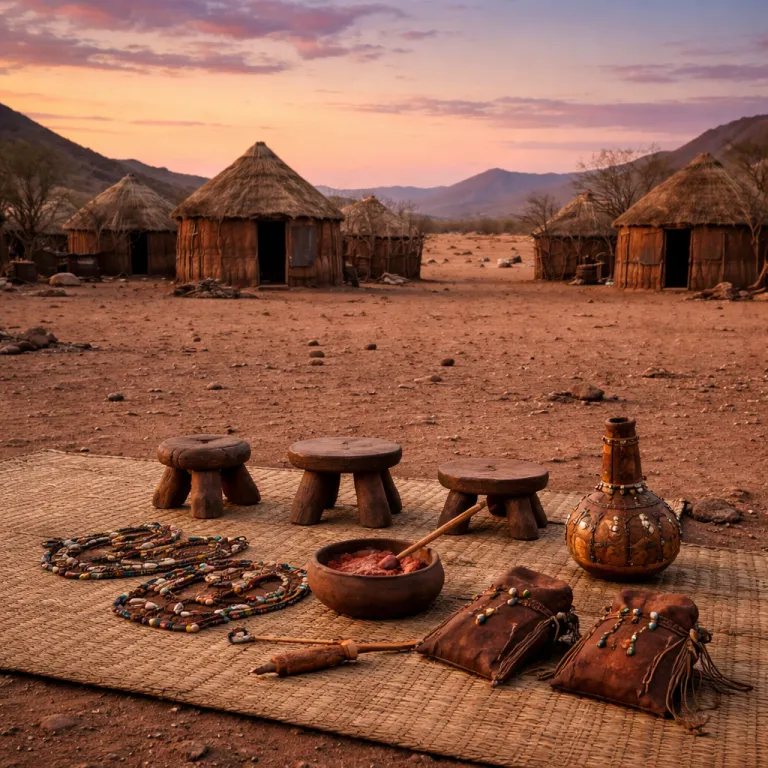
Why the Himba cultural festival in Namibia belongs on a luxury itinerary
The Himba cultural festival in Namibia is not a spectacle for passing cameras, but a community led gathering that anchors identity in the Kunene Region. Over three to five days, the festival takes shape around traditional music, dance, storytelling and daily living practices that the Himba people have maintained despite pressure from the wider country and from modern travel trends. For a solo explorer used to polished lodges and seamless transfers, this cultural festival offers something rarer than any infinity pool, because it opens a window into a living culture that still sets its own terms.
The festival takes place in or near Opuwo, a remote place in northwestern Namibia where red earth, thorn trees and distant cattle posts define the landscape. Here, the Himba cultural calendar is not aligned with mass tourism events in Windhoek or with the big arts festival circuits in South Africa and Cape Town, but with seasonal rhythms and clan priorities. When the festival takes form in May, it sits quietly alongside better known Namibia festivals such as Windhoek Karneval or the Enjando Street celebrations, yet it carries a different weight because it is rooted in cultural heritage rather than urban street festival energy.
Understanding what this festival is, and what it is not, is essential before you book a luxury stay in Namibia and plan a visit. The event is a cultural festival first, and only secondarily a point of interest for people who travel through Africa in search of rare experiences. As the organizing committee explains in its own words, “What is the Himba Cultural Festival?” and “When is the Himba Cultural Festival held?” and “Where does the Himba Cultural Festival take place?” and “Who organizes the Himba Cultural Festival?” and “How can I attend the Himba Cultural Festival?”
The conservancy model and how access really works
Access to the Himba cultural festival in Namibia is controlled through local conservancies and community leaders, not by distant tour operators. The Himba people host the festival with support from regional tourism boards and cultural preservation organisations, ensuring that decisions about who attends, how photography is handled and how revenue is shared remain in local hands. This conservancy structure is the quiet architecture that protects cultural heritage while still allowing respectful cultural festival visits from those who value authenticity.
For luxury travellers, this means that any visit to Opuwo and the wider Kunene Region should be coordinated through a trusted guide or lodge that already works with these conservancies. A well briefed guide will explain why staged village tours are no longer acceptable, how the use of otjize (the butterfat and ochre paste that defines Himba cultural identity) is discussed during workshops, and when it is appropriate to observe or to step back. If you are starting your journey in Windhoek, consider spending a night in an elegant stay in Namibia’s capital for discerning travellers, then flying north with a clear briefing on festival etiquette before you reach this remote place.
The conservancy model also shapes how money flows, which matters if you care about where your Namibia cultural spend ends up. Rather than tipping randomly or handing out sweets, you contribute through agreed community funds, craft purchases and guided activities that have been priced with the Himba people, not for them. This approach mirrors how responsible arts festival programming in Windhoek arts circles or Bank Windhoek sponsored events in the capital now operate, where festivals Namibia wide are expected to show transparent benefits for the communities whose culture they showcase.
Timing your visit: May in the desert circuit and festival logistics
The Himba cultural festival in Namibia usually unfolds in May, which aligns neatly with the shoulder season for the desert circuit and its luxury lodges. Days are warm but not oppressive, nights are cool enough for fireside conversations, and travel conditions in the Kunene Region are generally reliable for light aircraft and 4×4 transfers. For a solo traveller, this timing allows you to weave the festival into a broader Namibia cultural journey that might also include the Skeleton Coast, Etosha and the remote Hoanib valleys.
Hoanib Valley Camp and the newer Hoanib Elephant Camp are currently the closest high end bases that can realistically integrate a day or multi day excursion to the festival. From these lodges, the festival takes planning that starts weeks in advance, because conservancy permissions, guide availability and vehicle capacity must align with the specific festival events you hope to attend. Many guests choose to spend one day focused on music dance performances and another on quieter storytelling sessions, then return to the lodge in time for a late dinner under some of the clearest skies in Africa.
Logistically, you will likely route through Windhoek or even via Cape Town and South Africa before flying onward to the Kunene Region, so build in buffer days for rest and orientation. Some travellers pair this journey with a coastal interlude, using a refined coastal elegance stay in Namibia as a pause between intense cultural immersion and the next leg of their trip. Whether you are tracking Namibia festivals in a notebook or simply following your instincts, remember that this festival takes place in a remote country corner where flexibility and patience are as important as any packing list.
Respectful engagement: photography, gifting and being present
Respect at the Himba cultural festival in Namibia begins with how you arrive, how you dress and how you hold your camera. Clothing that is modest, breathable and neutral in colour signals that you understand this is a cultural festival grounded in spiritual and social meaning, not a themed performance for passing travel content. Before you lift a lens, you ask permission from individuals or from the guide who liaises with the Himba people, because consent is part of protecting cultural heritage in a world saturated with images.
Photography is usually welcomed during public dance performances, music dance sessions and formal events, but less appropriate during private rituals or moments of preparation. Your guide will explain when a festival day is focused on open demonstrations of traditional arts and when the emphasis is on internal community activities that are not designed for visitors. Think of it the way you might approach a Windhoek Karneval parade or an Enjando Street festival in the capital, where some segments are clearly staged for the crowd and others are intimate cultural expressions that deserve distance.
Gifting also requires nuance, because unstructured handouts can distort local economies and expectations in this part of Namibia. Instead of distributing sweets or cash directly, channel your generosity through agreed community funds, fair priced craft purchases or contributions to school or health projects that the conservancy has prioritised. This mirrors how responsible sponsors such as Bank Windhoek now support Windhoek arts events and Namibia festivals more broadly, where the focus is on long term cultural and economic resilience rather than one off gestures that fade after independence day celebrations end.
Solo traveller advantages and weaving the festival into a wider journey
Travelling alone to the Himba cultural festival in Namibia can feel daunting on paper, yet on the ground it often leads to deeper, more flexible encounters. Without the inertia of a large group, you can linger at a storytelling circle, step away from a crowded dance performance or spend an unplanned hour discussing cattle, climate or clan history with a local elder. Solo travellers also tend to move more quietly through festival events, which aligns with the conservancy preference for low impact visits that respect both traditional culture and daily living rhythms.
From a luxury perspective, going solo does not mean sacrificing comfort, because lodges like Hoanib Valley Camp and Hoanib Elephant Camp are well set up for single guests who value space and privacy. You might start your Namibia journey with a refined city stay, then head north for the festival, and later pivot east to a different kind of cultural immersion at a property such as the opulent safari retreat on the crater rim in the Ngorongoro region, which we review in detail in our guide to an opulent safari retreat on the crater rim. This kind of itinerary shows how a single traveller can thread together multiple festivals, landscapes and arts experiences across Africa without losing the thread of authenticity.
Throughout, keep in mind that Namibia is a country where festivals Namibia wide, from Windhoek arts gatherings to remote cultural events, are increasingly framed around sustainability and respect. The Himba cultural festival stands out because it is led by the community itself, yet it sits within a broader movement that includes urban arts festival programming, independence day commemorations and regional street festival initiatives. For the solo explorer who values both comfort and meaning, this is where luxury travel and cultural responsibility finally meet on equal terms.
FAQ about the Himba cultural festival in Namibia
What is the Himba cultural festival in Namibia ?
The Himba cultural festival in Namibia is an annual community led event in the Kunene Region that celebrates Himba traditions through dance, music, storytelling and cultural workshops. It is designed primarily for the Himba people themselves, with visitors welcomed as guests rather than as the main audience. The festival helps preserve cultural heritage while generating carefully managed tourism income for local conservancies.
When and where does the festival usually take place ?
The festival usually takes place in May and runs for three to five days, aligning with the cooler, drier period that suits both local needs and regional travel logistics. Most programming is held in or near Opuwo, a town in northwestern Namibia that serves as a hub for the surrounding Himba communities. Exact dates and venues can shift slightly each year, so travellers should confirm details with local tourism offices or their lodge before finalising flights.
How can a luxury traveller attend respectfully ?
Luxury travellers should arrange their visit through lodges or operators that already work with the relevant conservancies and community leaders. This ensures that access fees, guiding and photography protocols are aligned with local expectations, and that your presence supports rather than disrupts traditional culture and daily living. Dressing modestly, asking before taking photos and contributing through agreed community channels are all part of a respectful approach.
Which high end lodges work well with a festival visit ?
Hoanib Valley Camp and Hoanib Elephant Camp are among the closest luxury properties for travellers who want to combine the festival with a wider Kunene Region itinerary. From these bases, you can arrange guided day trips or overnight excursions to Opuwo, with transfers and permissions handled in advance. Many guests pair these stays with time in Windhoek or on the coast to balance intense cultural immersion with restorative downtime.
Is the festival suitable for solo travellers ?
The festival is well suited to solo travellers who are comfortable with remote destinations and who value meaningful cultural exchange over rigid schedules. Travelling alone allows for more flexible timing at events, quieter conversations with local participants and easier integration into small group activities led by guides. As long as you coordinate logistics through reputable lodges and respect local customs, a solo visit can be both safe and deeply rewarding.