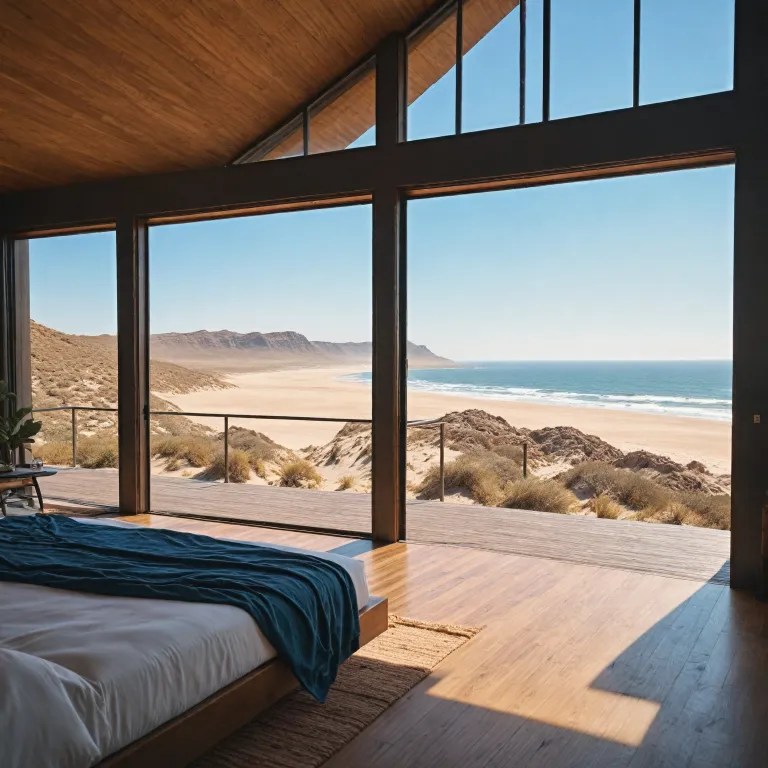
Namibia coast elegance for discerning travellers
The Namibia coast stretches for about 1 570 kilometres along the Atlantic Ocean, offering a rare blend of raw wilderness and refined hospitality. Luxury travellers come here for solitude and space, then stay longer when they realise how carefully conservation and comfort are balanced. Along this coast Namibia reveals a landscape where the Namib Desert meets the sea in towering sand dunes and foggy shores.
High end lodges and premium hotels are concentrated around Walvis Bay and Swakopmund, yet the wider coast national landscape remains largely untouched. Guests can enjoy a sea facing suite one night, then fly to a remote coast camp near the Skeleton Coast the next day for a completely different experience. This contrast between urban comfort and remote camp immersion defines many Namibia travel itineraries.
The Namibian Government manages large protected areas such as Skeleton Coast National Park and Dorob National Park, ensuring that luxury development respects fragile ecosystems. These national park zones protect desert adapted wildlife, including desert adapted elephants that sometimes roam dry river beds flowing from the interior to the coast. For travellers, this means that every coast safaris experience is framed by strict conservation rules and guided by trained experts.
Premium properties along the Namibia coast often partner with the Namibian Coast Conservation and Management Project to reduce their footprint. Guests may be invited to learn about Ocean Conservation Namibia, whose teams work tirelessly to rescue entangled Cape fur seals along the shore. This blend of indulgence and environmental awareness is becoming a defining feature of luxury travel in this part of Africa.
Skeleton Coast and shipwreck stories in luxury context
The Skeleton Coast is one of the most dramatic stretches of the Namibia coast, famed for its fog, shifting dunes, and haunting shipwrecks. Many travellers choose a fly in stay at an exclusive shipwreck lodge, where architecture echoes the rusting hulls scattered along the shore. From these remote bases, guests can explore the Skeleton Coast National Park with expert guides who understand both its dangers and its fragile beauty.
The phrase “coast skeleton” appears often in older sailing logs, describing how this part of the Atlantic was feared by mariners. Today, shipwrecks skeleton remains are a highlight of guided drives, where guests photograph twisted metal framed by the endless Atlantic Ocean. Carefully planned coast safaris ensure that vehicles stay on approved tracks, protecting lichen fields and other delicate desert life.
Some Namibia travel itineraries combine the Skeleton Coast with the Hoanib Skeleton region further inland, where dry river systems support desert adapted lions and adapted elephants. Travellers can stay at a coast camp near the ocean, then move to a camp in the Hoanib Skeleton valley to appreciate how wildlife survives between dunes and river beds. This dual setting shows how the wider area links coast, desert, and ephemeral river ecosystems.
Luxury operators emphasise safety and interpretation, turning a harsh coast Namibia environment into a comfortable yet authentic experience. Scenic flights over the Skeleton Coast reveal sand dunes spilling into the sea, seal colonies, and the stark line where the Namib Desert meets the Atlantic. From the air, guests gain a wider view of how the national park system protects both the coastline and the inland desert.
From Namib Desert dunes to the Atlantic Ocean
One of the most striking features of the Namibia coast is the way the Namib Desert runs directly into the Atlantic Ocean. Travellers can stand on high sand dunes at dawn, watching fog roll in from the cold Atlantic while the desert glows pink. This meeting of desert and sea shapes every view, every breeze, and every activity along the shoreline.
Premium hotels near Walvis Bay and Swakopmund often arrange guided excursions into the Namib Desert, where guests learn how desert adapted plants and animals survive. Guides explain how moisture from the Atlantic supports beetles, geckos, and even small mammals that have evolved to thrive in this national desert area. These outings complement marine cruises, creating a balanced picture of life on both sides of the coast.
Further north, the sand dunes of the Skeleton Coast grow wilder and more remote, with fewer roads and only a handful of exclusive camps. Scenic flights are a preferred way to appreciate this vast area, tracing the line of the coast Namibia while spotting shipwrecks and seal colonies below. From the air, travellers can see how river channels from the interior cut through the dunes before fading into the sand.
For many visitors, the highlight of Namibia travel is the contrast between the quiet luxury of their lodge and the elemental power of the surrounding landscape. Even in the most refined properties, design choices often echo the colours and textures of the dunes and the Atlantic. This thoughtful integration helps ensure that the Namibia coast remains both a world class destination and a protected natural treasure.
Linking Namibia coast safaris with Botswana and the Okavango Delta
Many high end travellers combine the Namibia coast with Botswana and the Okavango Delta to create a multi country safari across southern Africa. A typical itinerary might start with several nights on the coast Namibia, followed by a charter flight to the lush channels of the Okavango Delta. This contrast between desert and delta offers a powerful sense of the region’s ecological diversity.
Specialist operators design safaris that move from the Skeleton Coast to Etosha, then onward to Botswana’s private concessions. Guests may track adapted elephants in dry river beds one day, then glide past hippos and crocodiles in a mokoro on the delta the next. Such journeys highlight how national park networks and private reserves across south and southern Africa work together to protect migratory species.
Some travellers extend their trip further into South Africa, adding Cape Town or a wine region stay after their Namibia travel segment. This allows them to compare coastal experiences on the cold Atlantic with warmer waters further south, while still enjoying consistent luxury standards. Throughout, the focus remains on seamless logistics, from scenic flights over the coast to light aircraft transfers into remote Botswana camps.
When planning these complex safaris, it is important to work with operators who understand both the regulatory frameworks and conservation priorities of each area. They can ensure that visits to the Namibia coast, the Okavango Delta, and South Africa’s parks support local communities and conservation projects. Travellers benefit from expert guidance while contributing to long term protection of Africa’s most iconic landscapes.
Wildlife, Cape fur seals, and conservation led luxury
Wildlife experiences along the Namibia coast differ from classic savanna safaris, yet they are no less compelling. Large colonies of Cape fur seals line parts of the shore, creating dramatic scenes as waves crash against the rocks. Birdlife is also rich, with around 75 species recorded along the coastal area, especially near Walvis Bay’s lagoon and salt pans.
Ocean Conservation Namibia plays a crucial role in protecting marine life, particularly seals affected by plastic pollution and fishing gear. Their work illustrates how luxury tourism and conservation can align, as many high end lodges support rescue operations and awareness campaigns. Guests sometimes join educational outings, gaining insight into the challenges facing the Atlantic and the wider coast national ecosystem.
Inland from the shore, desert adapted species such as oryx, brown hyena, and adapted elephants move through dry river systems that occasionally reach the coast. Guided drives from select coast camp properties reveal how these animals use dunes, gravel plains, and ephemeral water sources to survive. These safaris complement marine excursions, offering a holistic view of life between the Namib Desert and the sea.
Travellers interested in the human side of conservation can learn how the Namibian Government, NACOMA, and local communities collaborate to manage the Skeleton Coast and other protected areas. “Namibia protects its coastline through the establishment of national parks, conservation projects, and environmental legislation.” For more insight into how service excellence supports this conservation focused model, you can read about stellar guest services in Namibia’s luxury hotels.
Choosing the best luxury stays along the Namibia coast
Selecting the best property along the Namibia coast depends on how remote you wish to be and which experiences you value most. In and around Walvis Bay, premium hotels offer easy access to restaurants, galleries, and harbour cruises, ideal for travellers who prefer a town base. Further north, intimate lodges and shipwreck lodge style properties provide deep immersion in the Skeleton Coast environment.
When comparing options, consider whether you want direct Atlantic Ocean views, dune access, or proximity to a national park gate. Some coast camp properties specialise in scenic flights, offering daily aerial excursions over the Skeleton Coast and the Namib Desert. Others focus on vehicle based safaris, photography, or guided walks across sand dunes and along dry river beds.
It is also worth examining each lodge’s conservation partnerships and community initiatives, as these shape the long term sustainability of the area. Properties that support coast safaris with strict environmental guidelines help protect fragile habitats while still delivering high levels of comfort. Asking about links to NACOMA, Ocean Conservation Namibia, or local conservancies can reveal how seriously a lodge takes its responsibilities.
Finally, consider how your Namibia travel plans connect with the rest of your Africa journey, especially if you are also visiting Botswana, the Okavango Delta, or South Africa. Coordinated itineraries reduce unnecessary flights and ensure that time on the coast Namibia is used to its full potential. Thoughtful planning allows you to enjoy both the drama of the Skeleton Coast and the serenity of inland parks without feeling rushed.
Key figures about the Namibia coast
- Length of Namibia's coastline : 1 570 kilometres.
- Area of Skeleton Coast National Park : 16 845 square kilometres.
- Number of bird species recorded along the coast : 75 species.
Essential questions about the Namibia coast
What is the Skeleton Coast known for ?
The Skeleton Coast is known for its treacherous shores, shipwrecks, and unique desert landscapes.
How is Namibia protecting its coastline ?
Namibia protects its coastline through the establishment of national parks, conservation projects, and environmental legislation.
What wildlife can be found along Namibia's coast ?
Namibia's coast is home to species like Cape fur seals, African penguins, and various seabirds.
