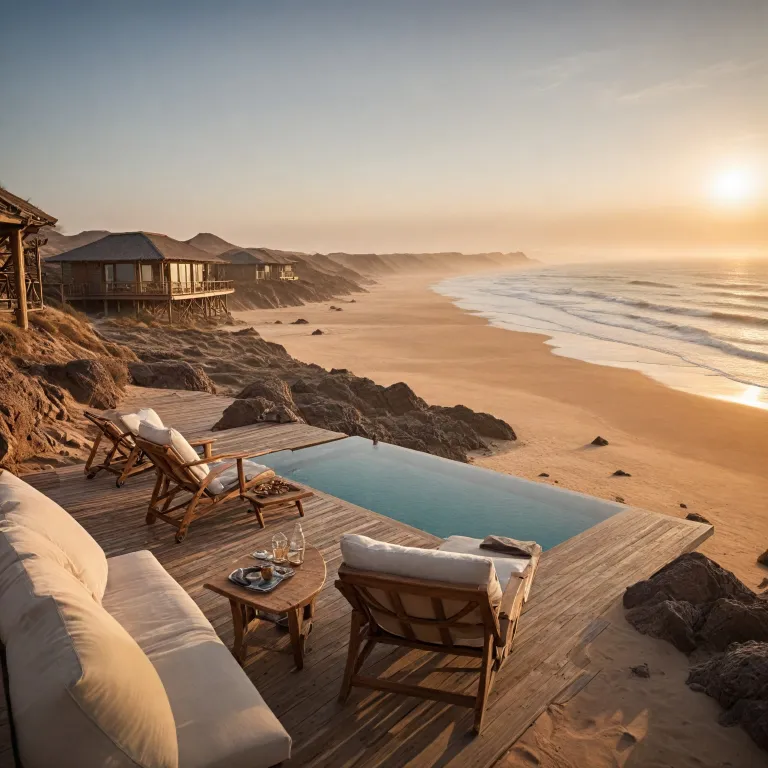
Skeleton coast luxury stays for Namibia travel connoisseurs
The Skeleton Coast in northwestern Namibia offers one of Africa’s most dramatic meeting points between desert and sea. Along this remote coast, luxury and premium lodges translate harsh conditions into rare comfort, while keeping the fragile environment central to every decision. For travellers planning Namibia travel with a focus on refinement, the Skeleton Coast combines raw nature with curated elegance.
This coast stretches for roughly 500 km, forming a wild region where the Namib Desert falls into the Atlantic Ocean. Dense fogs, shifting sand dunes, and the cold Benguela current create an area once feared by sailors, now coveted by high end safari guests. The Namibian Government manages the Skeleton Coast National Park as a protected area, balancing conservation with carefully regulated access.
Luxury properties along the coast Namibia corridor are few, and that scarcity enhances their appeal for privacy seeking guests. Each lodge or camp operates under strict national park guidelines, limiting vehicle movements and guest numbers to protect wildlife. When evaluating a premium stay, travellers should look for operators who actively support conservation programs and community partnerships in this region.
The name Skeleton Coast comes from the skeleton like shipwrecks and bleached whale bones scattered along the shore. “The name derives from the numerous shipwrecks and whale and seal bones that litter the shore.” These shipwrecks now form haunting landmarks that many guests view on guided drives or scenic flights, adding a powerful historical layer to their Namibia skeleton journey.
Reading the landscape of the Skeleton Coast national park
Understanding the Skeleton Coast landscape helps travellers choose the right lodge or camp experience. The national park is divided into zones, with some areas open to self drive visitors and others accessible only by fly in safari. This zoning keeps the park largest wilderness sections intact while still allowing carefully managed tourism.
Along the coast skeleton shoreline, the Atlantic Ocean generates dense fog that rolls inland over the Namib Desert. This moisture feeds hardy lichens, succulents, and grasses that sustain desert adapted wildlife, including the famous desert adapted elephants. When selecting a property, ask how guides interpret these subtle ecosystems during drives and walks in the area.
Rivers such as the Ugab River cut through the desert, creating linear oases that attract wildlife and shape where lodges can operate. In some valleys, guests may view adapted elephants moving between ephemeral water sources and the coast Namibia dunes. A well located lodge will offer both river focused excursions and drives across the sand dunes towards the national coastline.
The Skeleton Coast region is defined by extremes, yet it supports lions, brown hyenas, seals, and numerous bird species. Despite its harsh conditions, the area is home to species like desert-adapted elephants, lions, and seals. Premium operators typically use satellite imagery and wildlife monitoring data, aligning with Namibian Government conservation methods to minimise their footprint while maximising guest understanding.
Choosing between shipwreck lodge style stays and classic desert camps
Travellers comparing luxury options along the Skeleton Coast will encounter two broad styles of accommodation. Some properties echo the shipwreck lodge aesthetic, with architecture inspired by the twisted hulls that dot the coast. Others follow a more classic desert camp approach, emphasising canvas, timber, and unobtrusive design within the Namib Desert landscape.
A shipwreck lodge concept often places guests closer to the coast skeleton dunes and the Atlantic Ocean fog belt. From these rooms, you may view shipwrecks directly or reach them quickly on guided drives along the coast Namibia shoreline. This style suits travellers who prioritise maritime history, dramatic ocean views, and the eerie beauty of rusted hulls emerging from sand.
Classic desert camps tend to sit slightly inland, sometimes near dry riverbeds such as the Ugab River. These camps focus on desert adapted wildlife, including adapted elephants, and on the sculpted sand dunes that define the region. Guests choosing this style often enjoy quieter nights, expansive desert views, and a stronger sense of isolation from the national coastline.
Both lodge and camp models operate under Skeleton Coast National Park regulations, which limit guest numbers and vehicle routes. When planning Namibia travel, consider how each property integrates with conservation goals and local communities in this area. Reading independent reviews and detailed operator information, including resources such as Info Namibia, can help refine expectations before booking.
Designing a Skeleton Coast itinerary within wider Namibia travel
Many travellers combine the Skeleton Coast with other Namibia travel highlights to create a balanced itinerary. A common route links the coast with the Namib Desert interior, allowing guests to experience both ocean facing dunes and the iconic sand dunes further south. This combination reveals how one desert region can hold multiple personalities within a single country.
Some itineraries extend beyond Namibia into south Africa or neighbouring safari destinations in southern Africa. Travellers might pair the Skeleton Coast with the Okavango Delta wetlands, creating a striking contrast between desert and river based ecosystems. Others add classic national parks in countries such as Kenya or Tanzania, although these combinations require careful flight planning.
While the Skeleton Coast lies far from the Ngorongoro Crater or the great migration routes of east Africa, it appeals to the same discerning audience. Guests who have already experienced Kenya or Tanzania often seek the quiet exclusivity of this region. They appreciate how a remote coast national environment can feel as powerful as any savannah safari.
Within Namibia itself, some travellers link the Skeleton Coast with Etosha National Park, the Kunene River region, or the deep south near the cape like promontories of the Atlantic. Each area offers different wildlife, landscapes, and cultural encounters that complement time on the coast skeleton. Working with specialist operators who understand flight logistics, park regulations, and seasonal patterns is essential for a seamless premium journey.
Evaluating luxury service, guest experience, and digital booking platforms
For high end travellers, the quality of service often matters as much as the view or wildlife. Luxury lodges along the Skeleton Coast emphasise personalised hosting, expert guiding, and flexible daily schedules tailored to each guest. When booking, look for properties that limit guest numbers per vehicle and offer private activities in this remote area.
Premium booking platforms dedicated to Namibia travel now play a crucial role in curating reliable options. A well designed site should provide transparent info Namibia style details about each lodge, including conservation commitments and access requirements. Reading in depth editorial pieces, such as those on stellar guest services and elevated luxury booking experiences in Namibia, can help travellers benchmark service standards.
Guests should also assess how a lodge or camp interprets the Skeleton Coast story during their stay. Strong guiding teams connect the coast, the Namib Desert, and the Atlantic Ocean into a coherent narrative about climate, geology, and human history. They explain why shipwrecks occurred, how desert adapted species survive, and how the Namibian Government manages this national park.
Digital booking tools increasingly integrate satellite imagery, detailed maps of the park largest zones, and real time availability. These features allow travellers to visualise the region, from the Ugab River mouth to more northerly stretches of coast Namibia. Combining such technology with human expertise ensures that each Namibia skeleton journey aligns with personal expectations and comfort levels.
Practical guidance for safe, sustainable, and rewarding stays on the Skeleton Coast
Planning a luxury stay on the Skeleton Coast requires attention to logistics and regulations. Access to many sections of the national park demands permits, and some zones are restricted to fly in guests. Reputable lodges and camps will manage these formalities, ensuring compliance with Namibian Government guidelines for this protected area.
Travellers should prepare for harsh conditions despite the comfort of premium accommodation. Temperatures can fluctuate sharply, fog can reduce visibility along the coast skeleton, and strong winds shape the sand dunes daily. Packing layered clothing, windproof outerwear, and closed shoes is essential, even when staying at the most refined lodge.
Wildlife viewing here differs from classic safari regions such as Kenya, Tanzania, or south Africa. Animals are more dispersed, and sightings of adapted elephants or lions may require patience along dry river corridors like the Ugab River. However, the reward lies in understanding how desert adapted species have evolved to survive with minimal water in this stark region.
Responsible guests respect park regulations, remain on designated tracks, and avoid disturbing shipwrecks or sensitive lichen fields along the coast Namibia. Many lodges support local communities and conservation research, sometimes using satellite imagery to monitor environmental change. By choosing operators aligned with these values, travellers help ensure that the Skeleton Coast remains a pristine, hauntingly beautiful destination for future generations.
Key statistics about the Skeleton Coast and its environment
- Annual rainfall on the Skeleton Coast averages around 10 mm, underscoring the extreme aridity of this desert coast.
- The Skeleton Coast stretches for approximately 500 km along northwestern Namibia, forming one of the most remote shorelines in Africa.
- Historical records indicate that around 1 000 shipwrecks lie scattered along this coast, giving the region its evocative name.
Essential questions for planning a Skeleton Coast luxury stay
Why is it called the Skeleton Coast ?
The name reflects the many shipwrecks and animal remains that line this Atlantic shoreline. Over centuries, treacherous currents, dense fog, and shifting sandbars caused vessels to run aground along the coast Namibia. The combination of rusting hulls and bleached bones created a stark visual impression that still defines the region’s identity today.
What wildlife can be found on the Skeleton Coast ?
Despite its reputation for harsh conditions, the Skeleton Coast supports a surprising range of wildlife. Along the shore, large seal colonies thrive, while inland valleys and riverbeds host desert adapted elephants, lions, brown hyenas, and antelope. Birdlife is also rich, with coastal species, raptors, and desert specialists all present within the national park.
Is it safe to visit the Skeleton Coast ?
Visiting the Skeleton Coast is considered safe when travellers follow regulations and rely on experienced operators. The main risks relate to remoteness, weather, and navigation, which is why guided safaris and fly in access are strongly recommended. Luxury lodges and camps maintain robust safety protocols, communication systems, and trained staff to manage emergencies in this isolated region.
