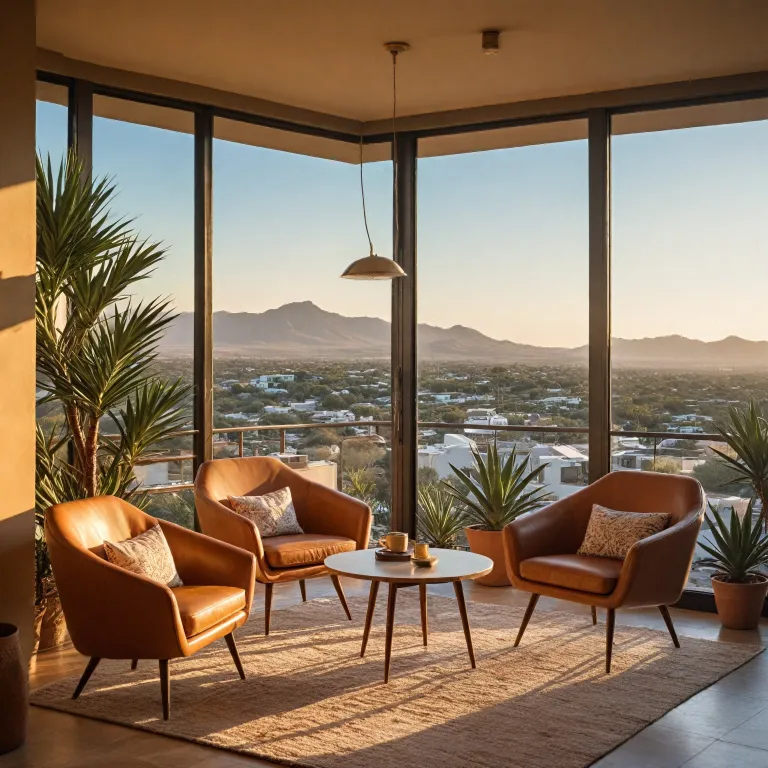
Luxury perspectives on Namibia’s capital Windhoek
Namibia’s capital Windhoek sits in a highland basin, balancing African light with European heritage. This capital city is the political and cultural heart of Namibia, yet it also frames a refined gateway to the country’s wild national park landscapes. For travellers planning several days in the city Windhoek before or after a desert tour, understanding its premium hotel scene is essential.
The municipality, known as the City of Windhoek, manages vital services that quietly support every luxury stay in this African capital. Reliable water, electricity, and immaculate parks help premium properties deliver seamless comfort in the city centre and in each surrounding industrial area that is being transformed. This solid infrastructure underpins the confidence of international brands and independent Namibian hoteliers investing in Windhoek Namibia.
Windhoek Namibia has grown from a modest German outpost into a modern African city with 486,169 residents and an area of 5,133 square kilometres. Many luxury guests arrive via the international airport, then transfer directly to a city Namibia hotel without realising how the capital connects to wider south west Africa. Positioning your stay in the right neighbourhood of the city Windhoek can shape your view of both urban life and the nearby desert.
High end properties cluster around Independence Avenue in the city centre, on elevated ridges with a sweeping view, and near the main road to Etosha National and other national park destinations. From here, guests can explore the historic Alte Feste fortress, stroll to the National Museum, or arrange a tailored tour into the surrounding hills. This blend of heritage, comfort, and access defines the premium promise of Windhoek capital stays.
Where to stay in Windhoek Namibia for refined comfort
Choosing the right address in Namibia capital Windhoek is less about star ratings and more about context. In the compact capital city, a few kilometres can mean the difference between a tranquil hilltop retreat and a lively urban stay near a school or market. Understanding each area helps you match your expectations to the city’s rhythm.
In the historic core of city Namibia, near Alte Feste and the Christuskirche, premium hotels offer immediate access to museums, cafés, and government buildings. This part of Windhoek Namibia suits travellers who want to walk between meetings, galleries, and dinner reservations within the same compact city centre. The architecture here still reflects German and early Namibian influences, with gracious verandas and wide streets.
Further south of the central grid, some properties overlook a green park or valley, giving a softer view of the African landscape. These hotels often appeal to guests combining business in the capital with a quiet holiday atmosphere, especially during October and other school break periods. Families appreciate being close to both a high school sports field and a shaded park where children can unwind after long days of travel.
On the edge of the industrial area, several modern properties cater to corporate travellers linked to logistics, mining, and south African trade routes. These hotels prioritise swift access to the international airport and main highways leading to south Africa and west Africa. While the immediate view may be more functional than scenic, the convenience for early flights and overland connections from Windhoek capital is significant.
Heritage, architecture, and the character of city Windhoek stays
Luxury hotels in Namibia windhoek often weave the city’s layered history into their design and guest experiences. The German colonial era left buildings, street names, and monuments that still shape how visitors navigate the capital city today. Staying near landmarks such as Alte Feste or the equestrian statue of Curt von François places guests within this narrative.
Alte Feste, once a fortress and now part of the National Museum, anchors a cultural precinct where several premium properties cluster. From these hotels, guests can walk to exhibitions that explain how Windhoek Namibia evolved from a fortified town into a modern African capital. The story includes figures like Jonker Afrikaner, whose early settlement influenced the town’s strategic location at a natural spring.
Many high end properties in city Namibia blend German architectural lines with warm Namibian materials, such as local stone and hardwoods. Interiors often feature African art, textiles, and photography that frame the desert, national park wildlife, and daily life in the city Windhoek. This design approach helps guests feel connected to both the capital and the wider Namibian landscape during their stay.
Some hotels offer curated heritage walks that start in the city centre and extend to quieter residential streets and a nearby park. These tours may highlight how Windhoek capital manages rapid urbanisation while preserving historic buildings and green spaces. They also reveal how the City of Windhoek balances its role as administrative capital with its identity as a welcoming African holiday destination.
From capital comfort to national park adventure
For many travellers, Namibia capital Windhoek is the elegant prologue or epilogue to a wilderness journey. The city’s altitude of 1,655 metres brings cool evenings that contrast with the heat of the desert and the plains of Etosha National Park. Planning your days in the capital city around onward connections can significantly enhance the overall trip.
Most international arrivals land at the main international airport east of city Namibia, then transfer by road to their hotel. Premium properties often coordinate private transfers, ensuring a smooth transition from long haul flights into the calm of Windhoek Namibia. After a restorative night in the capital, guests can depart refreshed for a guided tour into Etosha National or the Namib desert.
Many luxury travellers choose to spend two or three days in the city Windhoek at the start of their itinerary. This allows time to adjust to the African climate, explore a national museum, and finalise logistics with local tour operators. It also offers a chance to enjoy the culinary scene, which blends Namibian ingredients with south African and wider west Africa influences.
Those returning from a national park circuit often appreciate a final night in Windhoek capital before flying home. A spa treatment, a quiet walk in a landscaped park, and a final view over the city centre can help process the intensity of desert and wildlife experiences. For more inspiration on how premium stays can elevate your culinary journey across Namibia, consider insights from this guide to luxury and premium hotel booking websites.
Planning stays around seasons, holidays, and school calendars
Timing your visit to Namibia capital Windhoek can influence both rates and atmosphere. The city’s semi arid climate brings warm days and cooler nights throughout much of the year, with subtle shifts that matter for outdoor pools and terrace dining. Luxury travellers often coordinate their stays with regional holiday patterns and school schedules.
During major holiday periods, especially around October and other school breaks, Windhoek Namibia becomes a hub for domestic travellers. Families from across the country and from neighbouring south Africa use the capital city as a meeting point. Premium hotels respond with family friendly packages, additional activities in the park like gardens, and flexible dining hours.
Business focused months see a different rhythm in the city centre and industrial area. Corporate guests from south African hubs and west Africa fill conference rooms, while local executives commute from residential suburbs into city Namibia. High end properties near government offices and financial districts adjust services to support meetings, working breakfasts, and swift transfers to the international airport.
Travellers planning multi day tours to a national park or the desert should also consider local events in Windhoek capital. Cultural festivals, sports tournaments at a high school stadium, or national celebrations can affect traffic and availability. Checking with your chosen hotel in the city Windhoek about upcoming events helps ensure a calm, well timed stay in the capital.
How to evaluate premium hotels in Windhoek capital
Selecting a luxury property in Namibia windhoek requires more than scanning star ratings and photos. The most rewarding stays in the capital city align location, service style, and sustainability practices with your personal priorities. This is especially important in a growing African city where neighbourhoods can change character within a few blocks.
Begin by mapping each hotel’s position within the wider area of city Namibia. Properties in the historic city centre offer walkable access to museums like Alte Feste and government buildings, ideal for short urban days. Hotels on elevated ridges may provide a panoramic view over Windhoek Namibia, particularly beautiful at sunset when the desert light softens.
Next, consider how each property connects to your onward tour plans, whether towards Etosha National Park, the Namib desert, or south Africa. Proximity to main roads, the industrial area logistics hubs, or the international airport can save valuable hours. For travellers combining business in Windhoek capital with leisure in a national park, this connectivity is crucial.
Finally, assess how each hotel engages with Namibian culture and sustainable practices championed by the City of Windhoek. Windhoek is the only city in Africa that recycles water, demonstrating a commitment to sustainable resource management. Properties that align with this ethos, support local artisans, and highlight African culinary traditions often deliver a richer sense of place in the capital city.
Practical tips for a seamless stay in Namibia’s capital city
A refined stay in Namibia capital Windhoek rests on thoughtful practical planning. The city’s elevation and semi arid climate mean strong sun by day and cooler evenings, even when the desert feels intense. Packing layers and high quality sun protection will keep you comfortable during both urban walks and national park excursions.
When booking, clarify transfer options between the international airport and your chosen hotel in city Namibia. Many premium properties arrange private vehicles, which is especially valuable after late arrivals or long days in transit. This also simplifies early departures for flights to south Africa or regional connections across west Africa.
Guests interested in history should request rooms or suites with a view towards the city centre, where landmarks like Alte Feste and the Christuskirche define the skyline. Others may prefer a quieter outlook over a residential area or landscaped park on the edge of Windhoek Namibia. Families travelling during school holidays often appreciate proximity to a high school sports field or playground where children can stretch after long drives.
Finally, allow at least one or two days in Windhoek capital at either end of a national park or desert itinerary. Use this time to explore local markets for Namibian crafts, enjoy African fusion cuisine influenced by south African chefs, and reflect on your journey. In doing so, the capital city becomes not just a transit point, but a meaningful chapter in your wider Namibian story.
Key statistics about Windhoek
- Population of Windhoek : 486,169 people.
- Elevation of Windhoek : 1,655 metres above sea level.
- Total area of the City of Windhoek : 5,133 square kilometres.
Questions people also ask about Windhoek
What is the population of Windhoek ?
As of 2023, Windhoek has a population of 486,169 people.
What is the elevation of Windhoek ?
Windhoek is situated at an elevation of 1,655 metres above sea level.
What are the main industries in Windhoek ?
The main industries include tourism, transportation, communication, agriculture, finance, and business services.
References : Namibia Tourism Board ; City of Windhoek municipal information ; World Bank country and urban development data.
