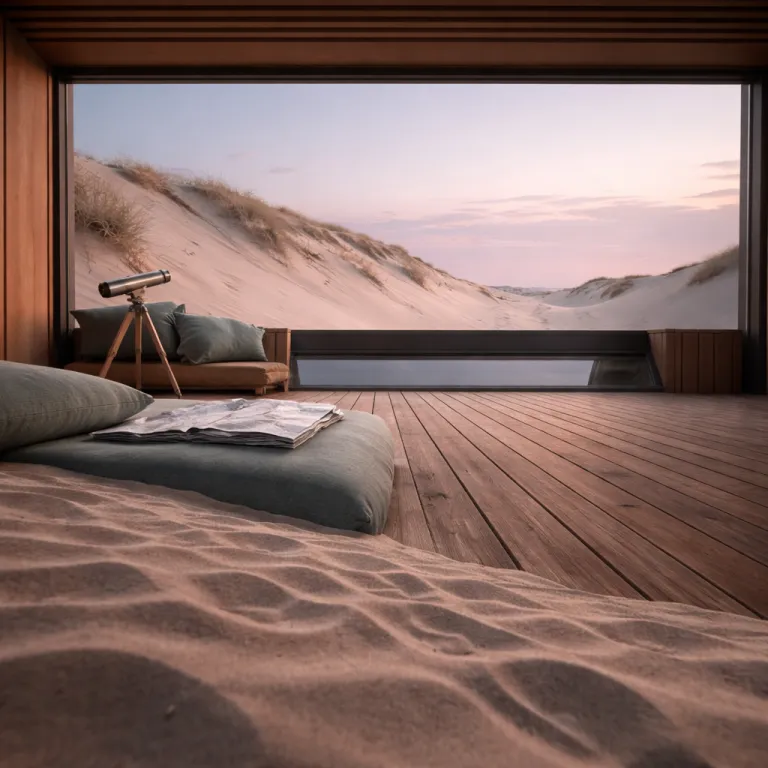
Why Namibia is the ultimate dark sky stage for romance
Namibia gives couples something rare in modern travel: true darkness. Across the Namib Desert the air stays bone dry, the dunes absorb heat by day, and the skies clear to a sharp, ink blue at night. Long-term records from the Namibia Meteorological Service indicate that parts of the Namib receive well over 300 clear nights each year, so the country quietly offers one of the most reliable stargazing calendars on the planet.
Low light pollution means every luxury lodge in the Namib Desert has a front row seat to the Milky Way, but only a handful build their identity around the night sky. In the NamibRand Nature Reserve, recognised by DarkSky International as Africa’s first International Dark Sky Reserve, regulations limit artificial light and protect the horizon line, so the night skies feel almost three dimensional. This is where the idea of a true stargazing Namibia luxury lodge becomes meaningful, because the architecture, guiding and even the position of your bed are designed around the stars.
Couples who choose these desert lodge stays are not sacrificing comfort for astronomy; they are upgrading both. You still arrive by 4x4 or light aircraft, step into a cool stone lobby, and find a chilled drink waiting after the long travel day across Namibia. Yet the real luxury begins later, when the generator hum fades, the desert wind drops, and your guide quietly dims the last remaining light so the Namibian night sky can take over.
Inside the lodges Namibia built for the stars
&Beyond Sossusvlei Desert Lodge sits on a rocky rise at the edge of the Sossusvlei Desert, facing a sea of rust red dunes. Each glass and stone suite frames the Namib Desert by day, but the real theatre is overhead, where a large skylight above the bed turns your room into a private observatory at night. You lie back, the air still warm from the hot air of the day, and watch the stars drift across the ceiling without leaving the linen.
Little Kulala Lodge, near Sossusvlei, takes a different approach to the same stargazing Namibia dream. Here, rooftop skybeds invite you to sleep under the stars in complete privacy, with the desert stretching silent in every direction. Staff quietly make up the bed on the roof while you dine, so by the time you climb the stairs the night skies are already bright and the only sound is the soft scrape of geckos on the wall.
Further south in the NamibRand Nature Reserve, Kwessi Dunes has created open air “stargazer” rooms that sit beside your main suite, so you can choose when to sleep indoors and when to sleep under the night sky. These lodges in Namibia understand that romance is not only about rose petals and champagne, but about the shared awe of a dark sky so clear that the Milky Way casts a faint shadow on the sand. As one lodge astronomer explained during a recent observing night, “When guests see their first dense star field over the Namib Desert, the conversation just stops for a moment — it is that overwhelming.” For couples travelling with children, properties that balance astronomy with family friendly safari activities are ideal, and you will find a curated selection of the best hotels in Namibia for families, where the team genuinely understands the needs of an eight year old, in our dedicated guide.
What an astronomy night actually looks like
Many travellers imagine stargazing in Namibia as simply lying on a deck and looking up, but a serious stargazing Namibia luxury lodge offers much more structure. At places like Kwessi Dunes or &Beyond Sossusvlei Desert Lodge, a resident or visiting astronomer leads a dedicated session of around ninety minutes. You meet after dinner, when the last glow has left the western sky and the desert has cooled enough that the hot air shimmer has disappeared.
The astronomer starts with naked eye orientation, tracing the Southern Cross, the arc of the Milky Way, and the faint smudges of the Magellanic Clouds across the dark sky. High powered telescopes, typically large-aperture Schmidt-Cassegrain or Dobsonian instruments as described by lodge guides, then reveal star clusters, nebulae and distant galaxies, while laser pointers stitch temporary constellations between the brightest stars. Guided stargazing sessions, the use of in-room telescopes and the option to sleep under the stars now define how the best lodges Namibia wide describe their core astronomy offering.
In the NamibRand Nature Reserve, International Dark Sky Reserve status means strict controls on artificial light, so your eyes adapt quickly and the night skies feel almost luminous. The best time for a guided astronomy night is around the new moon, when moonlight does not wash out the fainter stars, and your lodge will usually suggest the ideal time to visit based on your travel window. As sustainability becomes the baseline for high end properties in Namibia, we are seeing a new wave of experiences where conservation, low light impact and serious astronomy sit together, a shift explored in depth in our analysis of how sustainable luxury is no longer the angle in Namibia but the baseline.
When to go, what you see and how to plan
For couples planning a stargazing Namibia trip, timing matters more than it does for almost any other desert experience. The dry season, from May to October, offers the clearest skies, with cool nights and almost no cloud cover over the Namib Desert. During these months the Milky Way core arches overhead for much of the night, and the air above the dunes stays stable enough for crisp telescope views.
The best time to see the Magellanic Clouds clearly is during the darker months when humidity is low and the night sky is free from haze. Meteor showers peak at specific times, and a good lodge in Sossusvlei or the wider NamibRand Nature Reserve will quietly adjust your astronomy schedule so you are outside during the highest activity. Ask your chosen desert lodge to share a simple sky calendar before you travel, including moon phases, so you can align your time to visit with the darkest possible nights.
As a planning shortcut, many couples use a basic sky calendar like this when choosing dates:
- New moon weeks: darkest skies and best visibility for the Milky Way and faint nebulae.
- First and last quarter: good balance of star fields and dramatic lunar detail through the telescope.
- Full moon: softer stargazing but spectacularly lit dunes and desert landscapes.
- Meteor showers: major events such as the Perseids and Geminids are visible in the Namib, with peak activity on a few key nights each year.
Remember that Namibia is vast, and combining a stargazing Namibia luxury lodge with a wildlife focused safari lodge or a Skeleton Coast camp requires careful routing. Some couples choose to start with the drama of the dunes and the dark sky, then fly north to the Skeleton Coast for shipwrecks, fog banks and roaring ocean before ending with a classic safari. Others reverse the order, using the stillness of the Namib Desert and the chance to sleep under the stars as a final, grounding chapter after days of game drives and lodge hopping across Namibia.
Pairing star led lodges with the rest of Namibia
Not every luxury lodge in Namibia treats the night sky as a central character, and that distinction matters when you are planning a romantic trip. A true stargazing Namibia luxury lodge in the Namib Desert will dim or shield almost every artificial light, orient suites away from neighbouring buildings, and offer purpose built decks or skybeds for sleeping under the stars. Wildlife lodges elsewhere in Namibia may offer casual stargazing after dinner, but the focus remains on safari drives rather than on the skies themselves.
For many couples the sweet spot is a two or three stop itinerary that balances a dedicated dark sky reserve stay with a more traditional safari and perhaps a coastal pause. You might spend three nights at &Beyond Sossusvlei Desert Lodge or Kwessi Dunes, then fly to a private reserve near Etosha for big game, before finishing with a Skeleton Coast camp where the night skies glow above the Atlantic. Typical light aircraft flights take around one hour from Sossusvlei to Windhoek, a further 60–90 minutes to Etosha, and roughly two hours to reach the Skeleton Coast, so you can move between these regions without losing full days to travel.
Wherever you go, ask direct questions about light pollution policies, the presence of a resident astronomer, and whether your bed can be moved or duplicated outside for a true sleep under the stars experience. Serious lodges in Namibia will answer with specifics, from telescope aperture to how they shield pathway lights, because they know that the dark sky is now as valuable an asset as any wildlife filled waterhole. When you are ready to book, speak to a specialist who knows both the Namib Desert and the Sossusvlei area well, share your preferred travel window and moon phase, and let them match you to the lodges where that attention to detail turns a good night into the one you still talk about years later.
FAQ
What is the best time for stargazing in Namibia ?
The dry season, from May to October, offers the clearest skies. During these months the combination of low humidity, minimal cloud cover and stable air over the Namib Desert creates ideal conditions for a dark sky experience. For the darkest nights, aim for dates around the new moon when moonlight does not dilute the stars.
Do these lodges offer other activities besides stargazing ?
Yes, high end lodges in Namibia pair astronomy with a full range of desert activities. You can expect guided nature drives, scenic walks among the dunes, and often hot air balloon flights over the Sossusvlei Desert at sunrise. Many properties also offer wellness treatments, photographic safaris and cultural encounters with local communities.
Are the stargazing experiences suitable for beginners ?
Absolutely, lodges design their astronomy programmes for guests with no prior knowledge of the night sky. Resident or visiting astronomers explain constellations in clear language, demonstrate how to use telescopes, and adjust the pace to suit each couple. You can simply lie back on your bed or deck and let the guide interpret the heavens for you.
How does an International Dark Sky Reserve benefit guests ?
An International Dark Sky Reserve, such as the NamibRand Nature Reserve, enforces strict controls on artificial light and development to protect natural darkness. For guests this means dramatically brighter stars, more visible structure in the Milky Way, and a deeper sense of immersion in the desert environment. It also ensures that future travellers can enjoy the same pristine night skies you see today.
Can I combine a stargazing lodge with a classic safari in one trip ?
Combining a stargazing Namibia luxury lodge with a wildlife focused safari is not only possible, it is one of the country’s strongest itineraries. Many travellers spend several nights in the Namib Desert around Sossusvlei, then fly to Etosha or a private reserve for game viewing. Light aircraft connections make these transitions efficient, so you can maximise both your time under the stars and your time on safari.