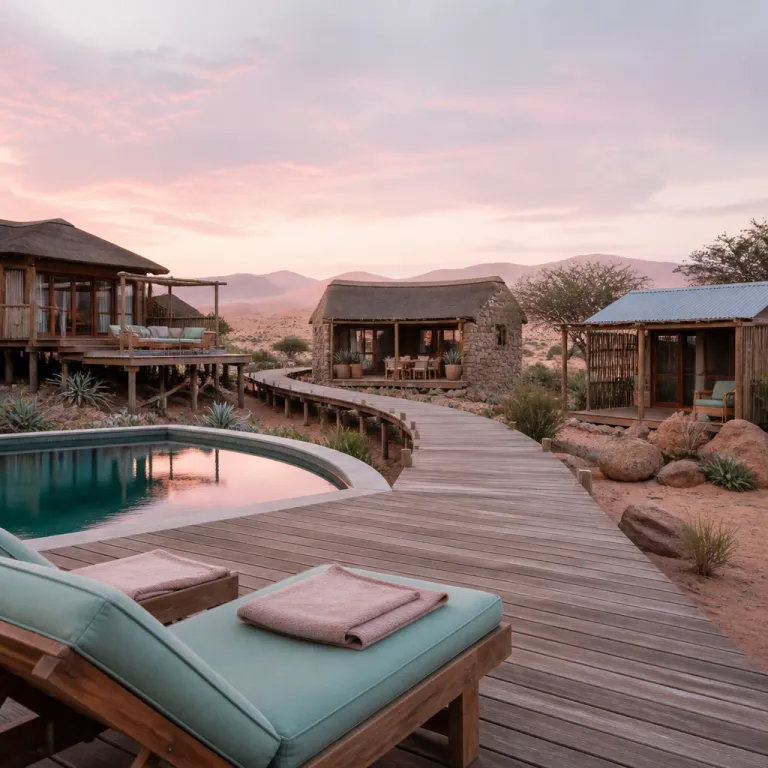
How to read the price tags of a luxury stay in Namibia
Planning a luxury stay in Namibia starts with understanding what each price tier really buys you. In this country the gap between an entry level lodge and an ultra premium camp is not just about thread count or a bigger pool, it is about access to wild spaces, guide calibre and how deeply your money flows into conservation. When you compare hotels and lodges across the Namib Desert, Etosha and the Skeleton Coast, you quickly see that the same word luxury hides very different realities for guests.
Across Namibia, entry luxury usually sits around N$8,000 to N$12,000 per night for a couple, while mid luxury stretches from roughly N$12,000 to N$25,000 and ultra premium climbs far beyond that. These bands apply whether you are looking at a river lodge on the Fish River Canyon, a desert lodge near Sossusvlei or a safari camp in a private game reserve bordering Etosha National Park. The key is to check what is included in the rate at each lodge or hotel, because internal flights, park fees and conservation levies can double the real cost of a luxury stay in Namibia.
In Namibia the same budget can buy very different experiences depending on region and season. A N$15,000 night in Windhoek at a luxury hotel with a city view rooftop will feel very different from a N$15,000 night in a desert adapted camp on the Skeleton Coast. For couples planning hotels Namibia wide, the smartest move is to mix tiers strategically, saving on a hotel in Windhoek and then splurging on a private camp in a remote nature reserve; recent guest reports from 2023–2024 suggest this blended approach delivers the best sense of value.
Entry luxury in Namibia: what N$8,000–12,000 really delivers
Entry luxury in Namibia is where many Gondwana Collection properties and comparable lodge Namibia options sit, and they form a solid foundation for a first luxury stay in Namibia. At this level you can expect comfortable rooms, air conditioning in most desert lodge properties, good mattresses and reliable hot water, but not always a fully private plunge pool or ultra personalised service. The focus is on well run hotels and lodges with shared activities, rather than on a tiny camp with a one to one guide to guests ratio.
Places like Sossusvlei Lodge near the Sossusvlei dunes offer dozens of air conditioned units with private patios and en suite bathrooms, which is generous hardware for an entry luxury rate. Okonjima Bush Lodge, about 225 km from Windhoek, delivers spacious chalets with African décor and private seating areas, plus access to a renowned nature reserve that supports conservation work with big cats. Some boutique properties at the upper edge of this band offer only a handful of suites, private terraces and outdoor baths, and their higher nightly rates illustrate how quickly entry luxury can shade into mid tier pricing in Namibia; figures and lodge names in this paragraph are indicative examples and should be verified against current tariff sheets at time of booking.
At this level, conservation levies and park fees are sometimes optional add ons rather than fully integrated into the rate. That means a lodge in or near a national park such as Etosha National Park might look cheaper on paper than a more inclusive camp in a private game reserve. For couples, the sweet spot is often two or three nights in an entry luxury hotel Windhoek or coast property, then shifting budget to a more remote safari lodge where the game viewing and desert adapted wildlife feel genuinely special.
Book in advance during peak season, check for package deals and inquire about included activities: these three pieces of advice apply especially strongly at this tier, because availability and inclusions vary widely between lodges. If you care about eco friendly practices, this is also where you start to see the integration of sustainable methods in luxury accommodations, but not yet at the deep conservation funding level of ultra premium camps. For a detailed look at how conservation funding shapes lodges in Namibia, read this analysis on conservancy based lodges and long term funding, and cross check sample rates with the latest lodge tariff documents.
Mid luxury: private guides, better food and real conservation muscle
Move into the N$12,000 to N$25,000 band and your luxury stay in Namibia changes character, because mid luxury is where specialist operators like &Beyond, Wilderness and Natural Selection dominate. Here the typical camp is smaller, often with eight to twelve tents or suites, and the ratio of staff to guests rises sharply, which you feel in the quality of guiding and the ease of arranging private activities. A mid tier desert lodge near Sossusvlei or a river lodge on the Kunene will usually include all meals, most drinks and twice daily activities in the rate.
In Etosha and the surrounding Etosha National Park area, mid luxury lodges often sit on private reserves that share unfenced borders with the park, giving you access to both classic self drive game viewing and guided drives into quieter corners. A camp on a private game reserve can offer night drives, off road tracking and walking safaris that are not allowed inside the national park itself, which transforms the safari experience for wildlife focused couples. When you compare hotels Namibia wide at this tier, look for properties that explicitly mention conservation levies and partnerships with local communities, because those signals usually correlate with better guiding and more thoughtful experiences.
Food quality is another major differentiator in this band, especially at remote desert adapted camps in the Namib Desert or along the Skeleton Coast. You start to see tasting menus, serious wine lists and chefs who can handle dietary requirements without fuss, which matters on a ten night luxury stay in Namibia. One recent couple described a pre dawn breakfast laid out on a dune near Sossusvlei, complete with fresh pastries and hot coffee, as the moment their mid tier camp suddenly felt ultra premium. For a clear breakdown of how accommodation types and price tiers compare from guesthouse to private concession, see this guide to accommodation in Namibia and honest price tiers.
Mid luxury is also where you feel the difference between a standard hotel in Windhoek and a true luxury hotel Windhoek property that understands pre and post safari needs. Expect quieter rooms, better soundproofing, a more refined view hotel rooftop bar and staff who can coordinate internal charter flights and last minute itinerary changes. For many couples, a mix of mid luxury desert lodge stays, a few nights in a river lodge and a final night in a polished city hotel delivers the best balance of value, comfort and access to Namibia’s most dramatic landscapes.
Ultra premium and the new ceiling: when Namibia goes all in
At N$25,000 and above per night, a luxury stay in Namibia enters ultra premium territory, where the focus shifts from facilities to exclusivity, privacy and access to wild land. This is the realm of Zannier Sonop in the Namib Desert, Little Kulala style sky suites near the Sossusvlei dunes and ultra remote camps such as Serra Cafema on the Angolan border, where each property feels like a self contained world. Here a private guide, personal butler style service and tailor made activities are standard, not add ons.
On the Skeleton Coast, ultra premium often means flying into a tiny airstrip and staying at a camp such as Hoanib Skeleton Coast or Shipwreck Lodge, where the landscape is a surreal mix of desert, ocean and shipwrecks. These camps sit in or near the Skeleton Coast National Park and adjacent nature reserves, and they specialise in tracking desert adapted lions, elephants and brown hyenas across vast, empty spaces. The cost reflects not only the remoteness and logistics but also the conservation work required to keep these fragile ecosystems intact, which is why many ultra premium lodges in Namibia include substantial conservation levies in their nightly rates.
The new ceiling is emerging with next generation projects sometimes quoted at around N$50,000 per night, fully inclusive. At that level, each unit may come with a personal chef, dedicated concierge and even a high end telescope for private stargazing over the Namib Desert, turning the night sky into a core amenity. Helicopter access, private concession traversing and the ability to design your own daily rhythm, from pre dawn dune climbs to late night astrophotography, define this top tier of luxury hotels in Namibia; specific project names and rate examples in this paragraph are indicative and should be confirmed directly with the operator and its most recent tariff.
For couples, the question is not whether these ultra premium camps are objectively the best, but whether they are the best for your style of travel and budget. If you value solitude, uninterrupted horizons and the feeling of having an entire game reserve almost to yourselves, then a few nights at this level can be transformative. Many travellers now combine one ultra premium camp with several mid luxury lodges and a night or two in a refined hotel Windhoek property, creating a layered luxury stay in Namibia that feels both indulgent and grounded.
Region by region: where to allocate your luxury budget in Namibia
Once you understand the tiers, the next step is deciding where in Namibia to spend and where to save, because each region rewards a different strategy. In Windhoek, a well located luxury hotel with efficient airport transfers and a calm view hotel rooftop is usually enough, so there is little need to chase the most expensive suite in town. On the coast, especially around Swakopmund and the wider Skeleton Coast, you can balance a comfortable hotel with day trips into wilder areas, reserving your biggest spend for more remote camps.
In the Namib Desert and around Sossusvlei, it pays to stretch into mid luxury or ultra premium if you can, because location and access are everything. A desert lodge with a private gate into the Sossusvlei area or a concession bordering the Namib Naukluft National Park will let you reach the dunes before the crowds, and that quiet, early light is where the magic lives. Some lodges also offer hot air ballooning, e biking across the desert and guided walks focused on desert adapted flora and fauna, which turn a simple stay into a layered experience.
Far south, near the Fish River Canyon and the wider river canyon landscapes, a river lodge or canyon facing camp can be relatively good value compared with the Skeleton Coast or Etosha. Game viewing is less intense here, but the sense of space and the geological drama are extraordinary, and entry luxury or mid luxury lodges often deliver the best balance of comfort and cost. In Etosha and the surrounding game reserves, consider one or two nights inside the national park for classic self drive game viewing, then move to a private reserve lodge for more exclusive safaris and quieter evenings.
Throughout the country, remember that internal charter flights, park entry fees and tips can add 20 to 40 percent to your overall spend on a luxury stay in Namibia. When comparing hotels Namibia wide, always ask whether rates include transfers between lodge and airstrip, conservation levies for the surrounding nature reserve and activities such as game drives or guided walks. For a deeper dive into how luxury safari logistics and lodge choices intersect, explore this feature on elegant Namibia luxury safari planning and compare its sample budgets with the latest lodge rate sheets.
What really changes between tiers: guides, food, privacy and impact
Across Namibia, the most meaningful shift between entry luxury, mid luxury and ultra premium is not the size of the room, but the quality of time you spend outside it. At entry level, activities are often shared with several other guests, vehicles are fuller and guides may rotate between groups, which can still deliver excellent game viewing in Etosha or a national park if you are relaxed about pace. In mid and ultra tiers, you are more likely to have a private guide or a very small group, which means more time with sightings, better photography and a deeper understanding of desert adapted wildlife.
Food follows a similar curve, moving from hearty buffets and set menus at many entry luxury hotels to plated, multi course dinners and flexible dining times at higher tiers. In the Namib Desert or on the Skeleton Coast, where supply chains are complex, the difference between a basic camp and a serious luxury lodge is often measured in fresh produce, thoughtful wine pairings and the ability to serve a perfect breakfast on a dune at sunrise. For couples on a long luxury stay in Namibia, this culinary progression matters, because repetitive or uninspired food can dull even the most spectacular view.
Privacy and exclusivity also scale with price, especially in remote game reserves and nature reserves. A private camp with only a handful of suites will feel quieter, more intimate and more responsive to your rhythms than a larger lodge, and that can be priceless on a honeymoon or anniversary trip. Finally, the conservation contribution usually rises with the rate, as mid and ultra premium lodges in Namibia often channel a significant portion of revenue into anti poaching, community projects and habitat restoration, turning your stay into a tangible investment in Africa’s wild future.
When you evaluate hotels Namibia wide, ask specific questions about guide training, vehicle density at sightings, maximum guests per drive and how conservation levies are used. A hotel in Windhoek might not have a game drive programme, but it can still support urban conservation or local cultural initiatives, which adds depth to a short city stay. The most rewarding itineraries mix different types of luxury hotel and lodge experiences, from a refined city hotel Windhoek stay to a remote desert lodge and a wildlife rich game reserve, so that each night in Namibia feels distinct and intentional.
Booking strategy: timing, hidden costs and how to protect your spend
Securing the right luxury stay in Namibia is as much about timing and fine print as it is about choosing the right lodge or hotel. Booking is possible year round, but peak season from May to October fills fast, especially in Etosha, Sossusvlei and along the Skeleton Coast, so couples should aim to reserve key camps six to twelve months ahead. Off peak months from November to April can offer softer light, fewer guests and better value, though some river lodge and desert lodge properties may close briefly for maintenance.
Hidden extras can significantly change the real cost of a luxury stay in Namibia, particularly when you stitch together multiple lodges across vast distances. Internal charter flights between Windhoek, Etosha, the Namib Desert and the coast are often mandatory for high end camps, and they can add several hundred dollars per person per leg. Conservation fees, park entry charges for each national park and tips for guides and camp staff should be budgeted from the outset, rather than treated as afterthoughts.
When booking, use official lodge websites, trusted travel booking platforms or specialist tour operator services that understand Namibia’s logistics. Many luxury hotels and lodges offer all inclusive packages that cover meals and activities, so comparing like for like means checking whether your quoted rate includes accommodation, meals, standard drinks and at least two guided activities per day. Always check cancellation terms, especially for ultra premium camps and new openings, where stricter policies often apply due to limited inventory and high demand.
For couples, a smart strategy is to lock in the most in demand camps first, then build the rest of the itinerary around confirmed dates, using a mix of entry luxury, mid luxury and ultra premium stays. Direct contact with lodges can sometimes unlock value adds such as a complimentary private dinner, a dune breakfast or a slightly later checkout in Windhoek, which softens long travel days. With thoughtful planning, your luxury stay in Namibia can balance romance, adventure and meaningful contribution to Africa’s most compelling desert landscapes.
Key figures for a luxury stay in Namibia
- Indicative nightly rates at high end boutique lodges can exceed typical entry luxury bands, placing some suites at the upper edge of entry luxury and the lower edge of mid luxury for Namibia; always confirm current prices directly with the property.
- Sossusvlei Lodge offers a relatively large number of individual units compared with many mid and ultra premium desert lodges that typically have 8 to 12 suites for greater exclusivity.
- Okonjima Bush Lodge sits roughly 225 km north of Windhoek, a drive of about 2.5 to 3 hours, making it a practical first or last safari stop on a central Namibia itinerary; distances and drive times should be checked against current road conditions.
- Peak season for luxury travel in Namibia runs from May to October, when cooler, drier weather improves game viewing in Etosha and other national parks compared with the wetter summer months.
- Many luxury lodges in Namibia operate on a year round basis, but some desert and river lodges adjust rates between peak and off peak seasons, creating potential savings of roughly 15 to 30 percent for flexible travellers.
FAQ about luxury stays in Namibia
What amenities are typically included in a Namibian luxury lodge stay ?
Amenities at a luxury lodge in Namibia usually include spacious rooms or tents with en suite bathrooms, hot water and often air conditioning in hotter regions such as the Namib Desert. Many properties add private terraces, outdoor baths or plunge pools, plus shared facilities like pools, lounges and fire pits. Guided activities such as game drives, nature walks or desert excursions are frequently part of the package, and higher tiers may add spa treatments or private in room dining.
Are meals and activities included in luxury lodge rates in Namibia ?
Many luxury lodges offer all inclusive packages covering meals and activities, especially in remote safari and desert locations where there are no outside restaurants. Breakfast, lunch, afternoon tea and dinner are usually included, along with two guided activities per day such as game drives or dune walks. Drinks policies vary, so always check whether premium wines and spirits are part of the rate and whether any activities, like hot air ballooning, carry a surcharge.
How far in advance should I book a luxury stay in Namibia ?
It is advisable to book several months in advance, especially for peak seasons, because high demand lodges in Etosha, Sossusvlei and the Skeleton Coast have limited rooms. For ultra premium camps and small desert adapted properties, six to twelve months is sensible if you want specific dates or room types. Shoulder and off peak seasons can be more flexible, but last minute availability is never guaranteed, particularly for popular combinations of desert lodge and game reserve stays.
What is the best time of year for a luxury safari in Namibia ?
The best time for a classic safari in Namibia is the dry season from May to October, when wildlife congregates around waterholes in Etosha National Park and surrounding reserves. Cooler temperatures make game drives more comfortable, and road conditions are generally better for self drive travellers. Desert regions such as the Namib Desert and the Skeleton Coast are striking year round, but summer months can be very hot inland, so early morning and late afternoon activities become especially important.
How can I ensure my luxury stay in Namibia supports conservation and communities ?
Choose lodges that clearly state their conservation levies, partnerships with local conservancies and community employment policies, because transparency is a strong indicator of real impact. Ask how your nightly rate contributes to anti poaching, habitat protection or education projects in the surrounding nature reserve or national park. Working with specialist tour operators who prioritise responsible travel in Africa can also help you select properties that align with your values and reflect the latest conservation funding models.