Why desert-adapted elephants change how you plan a luxury stay
In northwestern Namibia, a small population of desert-adapted elephants has reshaped how serious wildlife travellers think about luxury. These elephants move through the Namib Desert and Damaraland at a walking pace that can reach around 60 km a day, so tracking them on foot demands a very different kind of base camp and a very different mindset. For solo explorers used to a quick game drive before breakfast, the time spent following these dryland herds across pale riverbeds will feel slower, more exacting, and far more intimate.
These desert elephants are not a separate species, yet every adapted individual here shows physical tweaks that matter for tracking arid landscapes. A 2019 summary by Namibia’s Ministry of Environment, Forestry and Tourism (MEFT) and long-term Kunene research projects estimates that only around 150 elephants can truly be called desert-dwelling, and they survive by stretching the time between food and water stops and by walking vast loops between ephemeral springs and community boreholes. Longer legs, larger feet, and a lighter frame help each animal spread its weight on soft sand, while matriarchs hold a mental map of water that runs for hundreds of kilometres across Damaraland and the fringes of the Skeleton Coast. For current figures and range maps, lodges now refer guests to the latest MEFT elephant management reports and to annual updates from Kunene-based monitoring teams.
For a luxury or premium hotel booking, this means your choice of base camp in Namibia is not just about thread count but about proximity to these ancient routes. The best time for tracking on foot is the cool dry season, when walking is comfortable and wildlife concentrates around water, yet camps that take desert elephants seriously will run small groups year round and adapt the length of each day to heat and wind. When you plan travel in this part of Africa, you are not just choosing a room; you are choosing how close you want to stand to wild elephants that have learned to live with almost no rain.
The guide’s craft: reading tracks, wind, and elephant body language
On a proper desert elephant tracking walk in Namibia, the most valuable amenity is not a plunge pool but the local guide walking ahead of you. These guides are expert trackers with deep knowledge of elephant behaviour and desert terrain, and they use a blend of traditional spoor reading and GPS devices to check where a family of adapted elephants might have moved overnight. Before you leave base camp in Damaraland, your guide will brief you on wind direction, safe distances, and how the project of following elephants on foot differs from a standard vehicle drive.
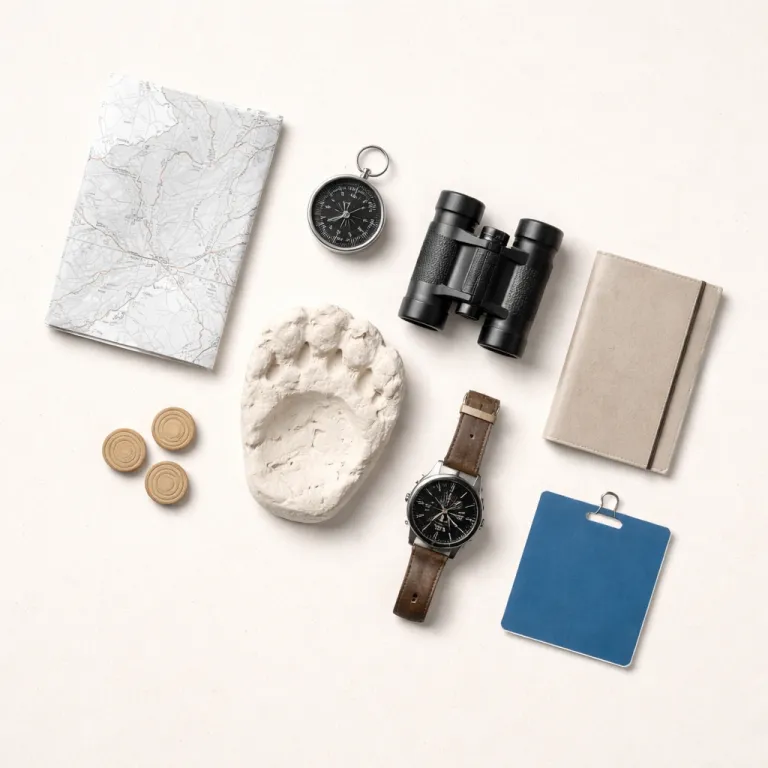
In the first hour of the day, the sand still holds crisp details of every elephant that passed, and your guide will point out how a desert-dwelling herd spreads its toes to grip the slope of a dune. You learn to read time spent at a resting site by the depth of the imprint and the scatter of dung, and you start to see how wild elephants choose shade, rest, and water with clinical efficiency. At around 50 metres, the protocol set by MEFT’s national human–elephant conflict and tourism guidelines takes over, and your guide manages the encounter by watching trunk position, ear spread, and the angle of the elephant’s body.
Walking-based tracking is safe when done correctly, and national guidelines are explicit: elephant approaches are considered acceptable only when conducted with experienced guides following safety protocols. Those protocols govern how close you may approach adapted elephants, how long you may stay, and when you must back away and circle downwind. One Hoanib guide explains it simply to guests at the morning briefing: “If the wind is wrong or the matriarch is unsettled, we change the plan. The elephants always decide how the day goes.” For solo travellers, this guided structure is reassuring, because you can join a small group walk, share the cost, and still feel that the experience is tailored to your fitness, your appetite for time on foot, and your interest in photography rather than a fast drive between sightings.
For readers comparing this to more classic wildlife itineraries, it helps to pair a desert tracking project with a more traditional big game reserve. Our detailed guide to Etosha Park safari experiences for luxury travellers shows how vehicle-based wildlife viewing in a fenced park contrasts with the low-key, low-density tracking model in Damaraland. Together, they create a balanced Namibia journey where you see elephants from a vehicle in Etosha, then meet a desert-adapted elephant on foot in the Namib Desert with only your guide, the wind, and the sound of sand underfoot.
The three concessions that still do walking tracking properly
Only a handful of concessions in Namibia still offer desert elephant tracking on foot in a way that respects both wildlife and guests. The Hoanib, Ugab, and Skeleton Coast concessions form the core of this experience, and each has a different personality that should shape how you choose your lodge or tented base camp. In all three, the best time for long walks is the cool season, yet serious operators will adjust departure time, route length, and vehicle support so that solo travellers can join without feeling pushed beyond their comfort.
Hoanib Skeleton Coast Camp, in the northern Namib Desert, is the most obvious choice for travellers who want a strong conservation angle with their tracking itinerary. Here, desert-adapted elephants share the landscape with black rhino and desert-dwelling giraffe, and concession fees support both elephant monitoring and the Black Rhino Relocation Program that Natural Selection helps fund. Guests who want to check current projects can ask camp staff for the latest Natural Selection conservation updates, which outline how fees are allocated between rhino work, elephant collaring, and community partnerships. Walks usually start from a temporary base camp in a dry riverbed, with a vehicle shadowing at a distance so that you can follow elephant spoor on foot for several hours, then drive back to camp in time for a late breakfast and a quiet hour by the fire pit.
Farther south, Desert Rhino Camp in Damaraland focuses on rhino tracking but often overlaps with elephant routes, giving you a dual project that pairs black rhino conservation with desert elephant encounters. Shipwreck Lodge on the Skeleton Coast offers a different angle again, with walks that begin among dune ridges and end near the Atlantic, where adapted elephants sometimes move between inland water and the fog-cooled coastline. In 2022, for example, guides at Shipwreck recorded a collared cow and her herd using the same coastal drainage three times in a single month, confirming patterns that researchers had previously only inferred from GPS data. For travellers who want to extend this style of low-density, conservation-led safari into other ecosystems, our in-depth review of Nkasa Linyanti’s six tent debut on the Linyanti Kwando confluence shows how similar principles apply in a wetland setting, with walking, boat, and vehicle options that still keep wildlife welfare at the centre.
Ethics, conservation funding, and the role of your booking
Every step you take behind a guide on a desert elephant tracking walk has a conservation shadow. In this part of Africa, drought and shifting rainfall patterns push elephants across Namibia toward community boreholes, and organisations such as Elephant Human Relations Aid (EHRA) work with local residents to reduce conflict around shared water points. When you stay at a concession-based camp that takes this seriously, a portion of your nightly rate flows into projects that reinforce fences, protect pumps, and fund rapid response teams when an elephant pushes too close to a homestead.
EHRA’s 2021–2023 monitoring summaries note that the organisation tracks around 60 regularly observed desert-adapted elephants in the Kunene region, using GPS collars and patrols to understand how time spent near villages changes as water sources dry. Their work shows that these elephants can stretch the interval between drinks far longer than savannah herds, yet they still rely on a network of natural springs and human-made boreholes that are under pressure from people, livestock, and climate. Travellers who want to verify current numbers or collar locations can request EHRA’s latest monitoring reports directly from partner camps or from EHRA’s own public summaries, which are updated as new data comes in. When you choose a camp that partners with EHRA or similar organisations, you are effectively underwriting the data collection, the community meetings, and the practical engineering that keep both people and wild elephants safer.
Ethical tracking operations also limit group size, cap the number of walks per day, and avoid repeated approaches to the same family of adapted elephants. Good guides will cancel a walk if wind direction is wrong, if an elephant cow shows stress, or if a black rhino has moved into the same drainage line, even when guests are eager and the schedule looks tight. As a traveller, your role is to check these details before you book, ask how concession fees are shared with conservancies, and accept that sometimes the most responsible decision is to stay in the vehicle and drive past a resting herd without stopping.
Designing a solo-friendly itinerary around tracking desert elephants
For solo travellers, the logistics of desert elephant tracking in Namibia can feel opaque until you break the trip into clear stages. Start by choosing one primary concession for your desert-dwelling experience, then build a wider route that balances walking, vehicle-based wildlife viewing, and rest days in lodges where the focus shifts from tracking to wellness. Our feature on what a Namibian wellness day actually looks like shows how a dune walk, an ochre scrub, and a slow afternoon by the fire can reset your body after several early starts.
In practical terms, a classic pattern is three nights in Damaraland, three nights in a Skeleton Coast concession, and three nights in a more traditional wildlife area such as Etosha or the Zambezi region. This gives you at least two full days for tracking on foot, one day for rhino tracking or a longer drive along the Hoanib or Ugab riverbeds, and several days where you can simply sit on your deck and watch elephants move through the heat shimmer. Fitness requirements are moderate; you should be comfortable walking 8 to 10 km in soft sand at a measured pace, with breaks in the shade and a support vehicle on call.
When booking through a specialist platform such as mynamibiastay.com, look for lodges that explicitly mention guided walking, desert-adapted elephants, and partnerships with local communities. Ask whether walks are shared or private, whether you can join a small group as a solo guest, and how the camp manages safety protocols in line with national guidelines. The more you engage with these details before you travel, the more your time in the Namib Desert will feel like a coherent project rather than a series of disconnected activities stitched between long drives.
FAQ
What makes desert-adapted elephants in Namibia unique compared with other elephants ?
Desert-adapted elephants in Namibia have longer legs, larger feet, and a lighter build that helps them move efficiently across soft sand and rocky riverbeds. They can travel long distances between water sources, sometimes covering around 60 km in a single day as they move between the Namib Desert, Damaraland, and the Skeleton Coast. Their matriarchs also hold detailed mental maps of food and water points that span hundreds of kilometres, allowing herds to survive in hyper-arid landscapes where other elephants would struggle.
How can I participate in guided tracking of desert elephants while staying at a luxury lodge ?
The most straightforward way is to book a lodge or camp in concessions such as Hoanib Skeleton Coast, Desert Rhino Camp in Damaraland, or Shipwreck Lodge on the Skeleton Coast that explicitly offers guided walking. These properties usually run early morning tracking walks with a lead guide, a back-up vehicle, and strict safety protocols, so you can join as a solo traveller or part of a small group. When you reserve through a specialist platform, ask for clear details on walk length, fitness requirements, and how often the camp actually tracks desert elephants on foot rather than only by vehicle drive.
Is elephant tracking on foot safe for solo travellers ?
Walking near wild elephants always carries some risk, but reputable operators in Namibia follow national protocols that keep guests at a safe distance and avoid stressful encounters. Experienced local guides manage wind direction, read elephant body language at around 50 metres, and will end an approach immediately if a cow with calves shows signs of agitation. For solo travellers, joining a small guided group with vehicle support is the safest format, and you should always follow your guide’s instructions on where to stand, when to move, and how long to stay.
When is the best time of year for desert elephants Namibia tracking on foot ?
The best time for long walking days is the cool dry season, when daytime temperatures are lower and wildlife tends to concentrate around remaining water sources. In these months, you can comfortably spend several hours following tracks along desert riverbeds on foot before heat becomes an issue, and visibility in the clear desert air is excellent for photography. That said, desert-dwelling elephants move year round, so serious operators will still offer shorter walks in hotter months, adjusting departure time and route length to keep conditions safe.
What should I pack for a day of tracking desert elephants from a luxury camp ?
For a typical morning walk, you will need comfortable closed walking shoes, neutral-coloured clothing, a wide-brimmed hat, and high-factor sun protection. Most lodges provide drinking water, but carrying your own refillable bottle, light snacks, and a small daypack for a camera or binoculars will make the experience smoother. Camps that specialise in desert elephant tracking also supply radios, first aid kits, and sometimes GPS devices, so your focus can stay on the landscape, the tracks, and the quiet presence of wild elephants ahead.