Why winter changes everything for a resort in Namibia
In winter, a luxury resort in Namibia feels sharper, quieter, more culinary. When night temperatures in the central desert and highland areas slide towards 0–5 degrees Celsius, chefs across camps and lodges start rewriting menus with the same focus an executive brings to a quarterly review. The result is a season where the cold air outside and the heat from the kitchen shape how guests eat, talk and even choose their next booking.
Resort chefs act as strategic menu planners, coordinating with local farmers to align seasonal produce with the winter calendar in Namibia. Their work follows a clear internal rhythm, with most menu planning happening in late autumn, implementation at the start of winter and a formal review later in the season that mirrors a performance cycle in any well run hotel or private game reserve. Behind the scenes, methods such as menu revision, supplier coordination and staff training turn a simple dinner at a Namibian lodge into a carefully engineered winter experience for every guest.
Across Sossusvlei desert lodges, Etosha National Park camps and Skeleton Coast hideaways, the same objectives repeat with quiet precision. Kitchens aim to provide comfort food, highlight local produce and maintain culinary excellence, while the front of house team gathers guest feedback that functions like live reviews for the next season. For business travelers extending a Windhoek week, this means that a stay at a high end safari lodge during winter is less about the swimming pool and more about the boma fire, the slow braise and the glass of Swartland Syrah warming your hands at night.
From carpaccio to slow braise: how menus shift with the cold
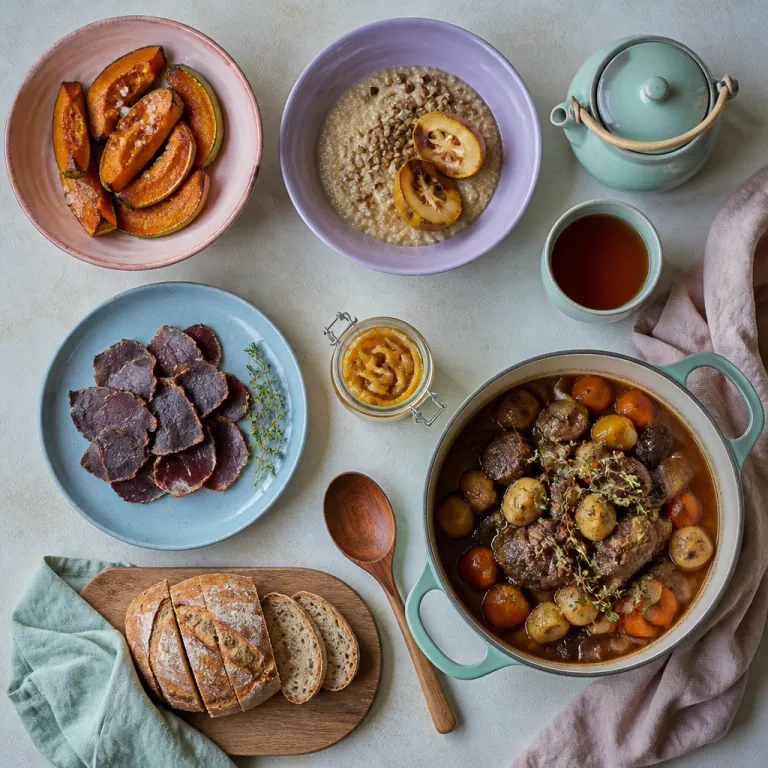
Summer at a high end lodge situated near a national park often leans on lighter plates, with game carpaccio, citrus salads and grilled fish served beside the pool. Once the Namibian winter arrives, the same resort in Namibia pivots towards slow braised springbok shanks, rich biltong broths and cast iron potjiekos that simmer for hours while guests return from an afternoon game drive. This is not a cosmetic tweak but a structural change in how resort chefs think about time, temperature and appetite.
Across camps in Etosha National Park and the Namib Naukluft region, hearty stews, roasted meats and warm desserts become the backbone of the menu. One internal guideline from a lodge group notes that these dishes consistently outperform lighter options in guest satisfaction surveys during winter, and you feel that sentence come alive when a server lifts the lid from a potjie at Damaraland Camp. Vegetarian guests are not sidelined either, with seasonal vegetable dishes and soups written into winter menu briefs so that plant based diners can share the same sense of comfort and abundance.
For an executive used to hotel club lounges and predictable buffets, the winter shift in Namibian retreats offers something more narrative. You might start with a bowl of pumpkin and wild herb soup at a desert lodge near the Naukluft Park, move to slow cooked Omaheke beef at a private game reserve, then finish with rooibos infused malva pudding under a sky so clear it feels almost artificial. To map where to stay for this kind of culinary arc, use a detailed lodge map if you are adding leisure days to a Windhoek week, which helps you align your booking strategy with the properties that take winter food seriously.
Fireside dinners, boma rituals and the social life of a cold night
When the sun drops behind the dunes or mopane trees, the social centre of a resort in Namibia moves decisively towards the fire. At 8 degrees Celsius, a boma dinner is no longer a themed event but a practical necessity, with braai coals, lanterns and blankets turning an open air circle into the warmest room in the hotel. The choreography is familiar yet always atmospheric, from the first glass of Hemel en Aarde Pinot Noir to the last ember glowing after guests drift back to their tents or suites.
At a coast camp on the Skeleton Coast, the ritual feels different from a lodge situated near Etosha National Park, but the logic is the same. You arrive from a Hoanib Skeleton Coast game drive with the Atlantic wind still in your jacket, and the staff guide you towards a sheltered fire where slow grilled lamb, maize pap and chakalaka replace the lighter seafood plates of warmer months. Inland, at Onguma Private Game Reserve on the Etosha fringe, the boma becomes a semi formal dining room where executives compare wildlife sightings as seriously as quarterly numbers.
These fireside nights also reshape how guests interact with the resort in Namibia team. Conversations with guides, managers and even local farmers who supply the camp stretch longer, because no one is rushing back to the swimming pool or the air conditioned lounge. For business travelers planning a Namibian extension around visa on arrival policies and flight schedules, understanding this winter rhythm helps you choose whether to spend your extra night at a desert lodge, a coast camp or a private game reserve where the boma is the true boardroom after dark.
Local winter ingredients: from Omaheke beef to Kunene roots
The most interesting winter menus in resorts in Namibia start long before the first guest sits down, in conversations between resort chefs and local farmers. These suppliers provide seasonal produce that anchors the cold weather dishes, from Kunene region root vegetables to wild herbs gathered near the Brandberg foothills. The relationship is practical, not romantic, but it allows each camp and lodge to express a distinct sense of place on the plate.
In the highlands and central desert, Omaheke cold aged beef becomes a signature ingredient for many a resort in Namibia, especially when slow braised or grilled over camelthorn coals beside the boma. Community gardens in conservancies such as Marienfluss supplement the supply chain with hardy greens and squash that stand up well to chilly night service. Habitas Namibia, for example, runs cooking and medicinal plant workshops that introduce guests to indigenous ingredients, including the cultural uses of red ochre, which deepens the connection between the dining room and the surrounding landscape.
For guests moving between a desert lodge near the Namib Naukluft and a camp closer to Etosha National Park, the continuity of these ingredients becomes a quiet thread through the trip. You might taste the same Kunene sweet potato in a refined mash at a hotel near Windhoek, then again roasted in the coals at a Skeleton Coast camp while the Atlantic roars beyond the dunes. When you later write your own reviews on travel platforms or share impressions via social media, those specific flavours and sourcing stories often carry more weight than any generic comment about a pool or room size.
Signature winter tables: from Zannier Hotels Sonop to Damaraland Camp
Certain properties define the winter food conversation for any serious resort in Namibia itinerary, especially for executives who measure value in both time and taste. Zannier Hotels Sonop, often referred to simply as Hotels Sonop, stages a French Namibian fusion table that tightens in winter, with richer sauces, truffled potato purées and game dishes that feel almost Alpine against the empty desert backdrop. The lodge is situated on a rocky outcrop that catches the morning light, but at night the dining room becomes a cocoon of candlelight, polished service and quietly confident wine pairings.
Further north, Camp Kipwe in Damaraland has built a reputation where every meal is described as far above average in traveller reviews, and winter only sharpens that impression. Here the Damaraland terroir is expressed through slow cooked kudu, roasted root vegetables and citrus desserts that cut through the richness without feeling fussy. Okonjima, home to the AfriCat Foundation, leans into its carnivore focused identity with robust grills and stews, while still offering vegetarian soups and seasonal vegetable dishes that match the broader Namibian practice of including plant based options in winter.
On the coast, Shipwreck Lodge on the Skeleton Coast and Hoanib Skeleton Coast Camp offer a different kind of winter table, shaped by Atlantic winds and the drama of the Skeleton Coast itself. Menus here balance hearty stews with carefully handled seafood, always mindful that guests arrive from game drives chilled by fog and wind rather than desert heat. For a deeper dive into how a Sossusvlei desert lodge handles luxury accommodation and unforgettable desert experiences in colder months, a dedicated guide to Sossusvlei lodges in the Namib Desert provides a useful benchmark when comparing resorts in Namibia for a multi stop itinerary.
From Windhoek boardroom to desert fire: planning a winter food itinerary
For the business leisure traveler, the real question is how to turn a Windhoek work week into a coherent winter food journey across resort in Namibia properties. Start by accepting that cold desert nights demand different packing, with warm layers for 0–5 degrees Celsius evenings and a willingness to dine outdoors even when the thermometer suggests otherwise. Then look at your calendar and decide whether you want one deep stay at a single lodge or a sequence of shorter nights that trace a line from the capital to Etosha National Park or the Namib Naukluft.
Executives who value efficiency often choose a two stop pattern, pairing a desert lodge near Sossusvlei with a private game reserve on the Etosha fringe such as Onguma Private Game Reserve. This allows you to experience both dune edge fireside dining and classic wildlife focused boma dinners without losing time to excessive transfers. Others prefer a coast camp finale, ending at Shipwreck Lodge or a Skeleton Coast property where the Atlantic and the Skeleton Coast landscape frame the last braai of the trip.
Whichever pattern you choose, treat each booking as a strategic decision rather than a last minute add on. Read detailed resort and hotel reviews that comment specifically on winter menus, wine lists and fireside setups, not just room design or pool size. Then speak directly with the reservations team at each camp or lodge situated along your route, asking about seasonal menu changes, vegetarian options and whether winter dishes are influenced by local cuisine, because many properties will confirm that they feature traditional Namibian ingredients and recipes and can name the exact cuts, grains and vegetables they rely on.
Key winter figures for resort dining in Namibia
- Average winter temperatures in Sossusvlei hover around 10 degrees Celsius by day and can drop towards 0–5 degrees Celsius at night, which directly drives the shift from light salads to hearty stews and braised dishes (based on Namibia Meteorological Service seasonal climate summaries and lodge temperature logs).
- There are numerous significant lodges and resorts in the broader Sossusvlei area, and this concentration of high end properties means competition for discerning guests encourages each resort in Namibia to refine its winter menu and service style (drawing on Namibia Tourism Board accommodation listings and regional operator reports).
- Menu planning for winter typically begins several weeks before the season, with implementation at the start of June and a structured review later in the winter, mirroring a three month performance cycle familiar to many business travelers (according to interviews with lodge managers and internal hospitality planning timelines).
- Across central Namibia, night time winter temperatures frequently fall below 5 degrees Celsius in desert and highland areas, making fireside boma dinners and warm desserts a practical necessity rather than a decorative tradition (regional climate data from the Namibia Meteorological Service and on site observations from camp teams).
FAQ about winter dining at resorts in Namibia
What dishes are popular in Namibian resorts during winter?
Across camps and lodges, the most requested winter dishes are slow braised game stews, roasted meats and warm desserts that hold their heat during chilly evenings. Many resorts in Namibia serve springbok shanks, kudu potjiekos and malva pudding or rooibos infused sweets beside the fire. These plates replace the lighter carpaccios and salads that dominate during hotter months.
Do Namibian resorts offer vegetarian options in winter?
Yes, most high end resort in Namibia kitchens plan specific vegetarian options for winter service. Seasonal vegetable soups, roasted root vegetable platters and grain based dishes appear on almost every menu, often using produce from local community gardens. Guests with stricter dietary requirements should still flag preferences during booking so the lodge team can prepare in advance.
Are winter menus in Namibian resorts influenced by local cuisine?
Winter menus in resorts in Namibia are strongly influenced by traditional Namibian cooking and regional ingredients. You will often find potjiekos, pap and chakalaka, biltong based broths and game cuts sourced from nearby farms or conservancies. Many chefs combine these roots with international techniques, creating a fusion style that still feels grounded in place.
How should I pack for winter dinners at a desert lodge or camp?
Pack a warm jacket, a beanie, gloves and closed shoes for night time, even if daytime temperatures feel mild. Most camps and lodges provide blankets at the boma, but layered clothing makes fireside dining more comfortable. A smart casual sweater or coat also helps you feel appropriately dressed for the more formal dining rooms at properties such as Hotels Sonop or Okonjima.
Can I experience winter style lodge cuisine in Windhoek before heading out?
Several Windhoek restaurants echo lodge style winter cooking with game dishes, stews and South African red wines, giving business travelers a preview before they fly or drive to a resort in Namibia. Ask your hotel concierge to recommend venues known for game and robust seasonal plates rather than generic international menus. This approach lets you compare urban and remote interpretations of the same ingredients during a single trip.