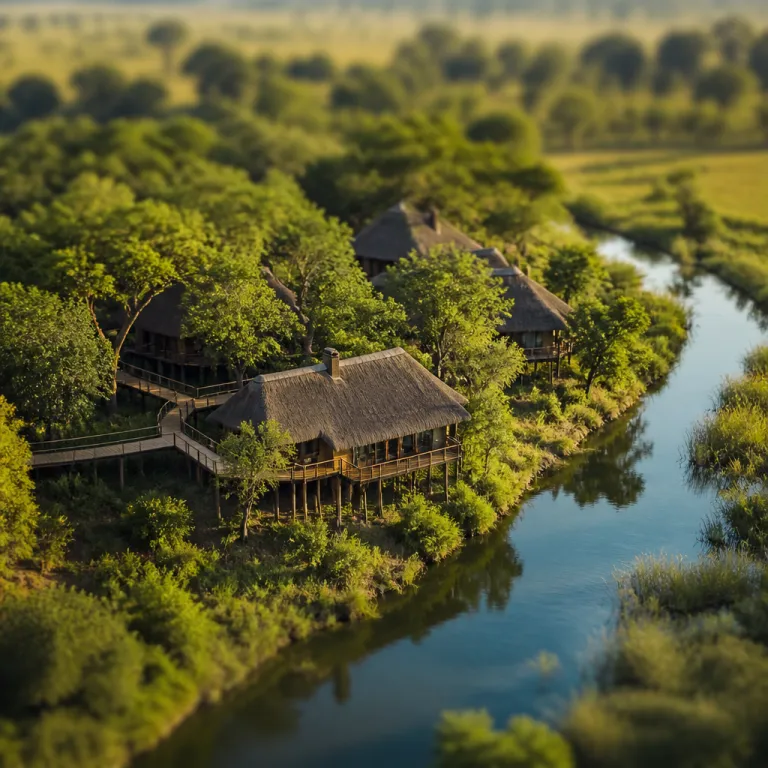
Designing a Namibia photography safari around light, not mileage
A Namibia photography safari rewards couples who plan around light rather than distance. May to September offers cooler temperatures and clear skies, which suits long days in the desert and on safari. That single line from local operators is repeated so often because it is true for both wildlife and landscapes.
Think of your route through Namibia as a sequence of light events, not just a list of lodges and camps. Deadvlei at dawn, the Skeleton Coast in morning mist, and Etosha’s pans in harsh midday glare each demand different photographic approaches and different photography skills. A well planned photographic safari will move slowly between these regions, giving you several days in each place to work the changing light rather than chasing every national park in one rushed loop.
Most luxury lodge operators now understand that photographers are not just casual guests with a camera. They design private activities, hides, and flexible mealtimes so that photographers can leave camp before sunrise and return after dark without fuss. When you book through a specialist platform for a Namibia photo journey, you can filter for lodges that offer dedicated photography safaris, vehicle seating limited to two guests per row, and guides trained to position vehicles for wildlife photography rather than simple game viewing.
Arrival logistics matter more than many couples expect. Charter flights between the Namib Desert, the Skeleton Coast, and Etosha often impose 15 to 20 kilogram luggage limits including hand luggage, which shapes how much photography gear you can carry. Plan your first night near Windhoek Airport or Airport Windhoek in a comfortable lodge that offers secure gear storage and a calm start, then step into the desert adapted rhythm of early mornings and long, golden evenings.
Deadvlei, Sossusvlei and the Namib sand dunes: sculpted light in the desert
For many couples, the emotional centre of a Namibia photography safari is Sossusvlei Namibia and the nearby Deadvlei clay pan. Here, 900 year old camelthorn skeleton trees stand against orange dunes that glow at dawn, creating some of the most recognisable landscapes in Africa. The light changes minute by minute, and photographers who arrive with a clear plan will leave with Namibia photo portfolios that feel both iconic and personal.
June and July sunrise in the Namib is around 07:15, with golden afternoon light stretching to roughly 17:45, which gives you long, workable windows for photography Namibia sessions. Aim to be at the Deadvlei trailhead as the first gate opens, then walk briskly through the sand dunes to reach the pan while the dune crests still hold deep shadow. This is when the contrast between bright dunes and dark tree skeleton forms is strongest, and when wide angle lenses on a tripod will capture the full drama of the Namib Desert landscapes.
Choosing the right lodge near the Namib Naukluft National Park is not about the size of the pool. It is about whether the lodge offers early gate access, private guides, and flexible breakfast so you can stay in the dunes until the last usable light. Properties that focus on photography safaris often provide beanbags in vehicles, dust covers for gear, and staff who understand why you will skip lunch to rest before an evening photo safari among the rippled sand dunes.
Couples who want a slower rhythm should look at desert lodges that combine dune edge suites with stargazing platforms and guided night photography. Some properties near the NamibRand Dark Sky Reserve offer dedicated astrophotography sessions, where guides help you frame the Milky Way above the Namib Desert while keeping an eye on wildlife movements. For more ideas on how to balance intense shooting days with restorative time, read this piece on a slow week stay and wellness focused luxury in Namibia, then apply the same philosophy to your desert segment.
Skeleton Coast and Hoanib: mist, shipwrecks and desert adapted wildlife
The Skeleton Coast feels like another planet, and a Namibia photography safari that skips it loses an entire chapter of visual storytelling. Morning fog rolls in from the Atlantic, wrapping shipwrecks and bleached bones in soft, diffused light that flatters both wide landscapes and intimate photo details. This is where photographers who love mood more than colour will find their favourite frames in Africa.
High end camps along the Skeleton Coast and in the Hoanib region specialise in photographic safari experiences that mix aerial views with ground level wildlife photography. Hoanib Skeleton Coast Camp, for example, offers scenic flights that reveal the abstract patterns of dunes, dry riverbeds, and ocean surf from above. From the air, the desert adapted elephant tracks and the sharp line where the Namib Desert meets the sea become graphic compositions that reward careful photography planning.
On the ground, expect long drives through gravel plains where every oryx and jackal feels like a gift. Guides at these camps understand that photographers will happily spend twenty minutes on a single subject, waiting for the right angle or a shift in light. Many lodges operate private vehicles for couples, which transforms a standard safari into a tailored photo safari where you control the pace, the stops, and the willingness to sit quietly as wildlife approaches.
Drone use is a sensitive topic here. Innovation in Namibia photography safari experiences includes the use of drones for aerial shots, but Namibia Civil Aviation Authority rules are strict, and drones are prohibited in all national parks and most conservancies. If you are interested in aerial perspectives, choose camps that offer flights instead, and read this detailed guide on tracking desert adapted elephants on foot to understand how responsible operators balance access, safety, and respect for wildlife.
Etosha and Ongava: wildlife photography from hides, vehicles and pans
No Namibia photography safari aimed at wildlife feels complete without time on the Etosha salt pan and its surrounding waterholes. The national park holds more than 340 bird species and a dense mix of plains game, predators, and rhino, which makes it a natural classroom for wildlife photography. In wet years, shallow water on the pan creates mirror like reflections that work beautifully for minimalist photo compositions.
Luxury travellers often base themselves in private reserves on the park’s edge, then move between guided drives inside the national park and quieter photographic sessions on the concession. Ongava Lodge and its sister properties are well known for hides that sit at eye level with waterholes, allowing photographers to work from ground level without disturbing wildlife. At night, subtle floodlighting and careful design mean you can shoot from the hide or from your room’s deck, capturing Namibia photo sequences of rhino and antelope moving through pools of light.
Vehicle configuration matters as much as the lodge name. Ask whether your camp offers photography safaris with beanbags, removable roof panels, and a maximum of four guests per vehicle, which ensures each photographer has a full row. Couples who book private vehicles for several days will have the freedom to wait at a single waterhole, tracking how the light shifts and how wildlife behaviour changes from morning to midday.
Etosha’s light is harsh by late morning, but that does not mean you should put the camera away. Black and white wildlife photography thrives in this contrast, and long lenses compress the heat shimmer into atmospheric layers. When planning your route between Windhoek Airport, Etosha, and the north west, remember the simple safety advice repeated by experienced guides ; book lodges in advance, carry sufficient water, and respect local customs even when you are focused on the next shot.
Spitzkoppe, NamibRand and slow time: lodges built for the lens
Between the big name parks, a Namibia photography safari can feel surprisingly intimate. Granite peaks at Spitzkoppe, rolling grasslands in the NamibRand, and quiet bush camp clearings create space for couples to slow down and refine their photography. These are the places where you will experiment with long exposures, star trails, and the kind of Namibia photo work that needs patience more than luck.
Spitzkoppe rewards late afternoon and sunset, when warm light grazes the granite arches and boulders. Photographers can scramble onto rock platforms to frame silhouettes against a deepening sky, using wide lenses to exaggerate the curves and lines. A private guide from your lodge or bush camp will know the safest routes and the best angles, which matters when you are carrying gear and watching the light rather than your feet.
Further south, lodges near the NamibRand reserve and the edge of the Namib Naukluft National Park specialise in night sky experiences. Some properties offer guided photo tours focused on astrophotography, with staff who help you set up tripods, choose exposure times, and compose images that show both the Milky Way and the desert foreground. Because light pollution here is among the lowest on the planet, photography safaris in this region often produce the most memorable images of an entire trip.
To balance intense shooting with rest, consider a slow stay at a wellness oriented lodge that still understands photographers. A thoughtful example is outlined in this article on the case for a slow week stay in Namibia, which argues persuasively for longer, deeper time in one place. Apply that logic to your own Namibia photography safari by booking at least three nights in each lodge, which gives you multiple chances at perfect light and the freedom to rest when the desert heat peaks.
Gear, logistics and choosing the right photography focused lodge
Good planning turns a Namibia photography safari from a hopeful trip into a confident creative project. Dust, weight limits, and connectivity all shape how you shoot, edit, and share your work. Couples who address these details early will spend more time watching light and less time worrying about batteries or baggage.
The Namib Desert is famously dry, and fine sand finds its way into every gap. Pack a simple but disciplined kit ; one or two camera bodies, a wide lens for landscapes, a telephoto for wildlife, and a sturdy tripod for low light work. Use rain covers or lightweight dust sleeves in vehicles, and clean gear each evening back at the lodge or camp, where staff can often provide compressed air or soft brushes for delicate photography equipment.
Charter flights between Windhoek Airport, Sossusvlei Namibia, the Skeleton Coast, and Etosha usually limit luggage to 15 to 20 kilograms per person. That means you will need to prioritise lenses and consider leaving heavy photo accessories at home. Many high end lodges now offer loaner tripods and even basic DSLR cameras for guests, which can ease the load and allow you to focus on the essentials for photography Namibia without exceeding weight limits.
Smartphone cameras are increasingly capable, and some couples choose to travel with one main camera plus phones for backup. When comparing lodges, ask about WiFi strength and whether connectivity is available in rooms or only in main areas, especially if you plan to edit and share Namibia photo stories each evening. Finally, remember that several operators now run structured photography workshops and photo tours across Namibia ; “Are there photography workshops available in Namibia? Yes, several operators offer workshops tailored for photographers.”
Building a 10 to 14 day itinerary around Namibia’s golden hours
A well balanced Namibia photography safari for couples usually runs between ten and fourteen days. That duration allows you to combine the Namib Desert, the Skeleton Coast, and at least one major wildlife area without rushing. It also gives you enough nights in each lodge to adapt to local sunrise and sunset patterns, which is essential for consistent photography.
One classic route starts with a night near Airport Windhoek, then moves south to Sossusvlei Namibia for three nights of dunes and Deadvlei. From there, you can fly or drive to the Skeleton Coast or Hoanib region for another three nights focused on mist, shipwrecks, and desert adapted wildlife. Finish with three or four nights in the Etosha and Ongava Lodge area, where wildlife photography and hide based photo safari sessions will round out your portfolio.
When ranking locations by light quality, think in terms of specific windows rather than whole days. Deadvlei and the highest dunes are best at dawn, while the Skeleton Coast excels in soft morning fog and late afternoon glow on the surf. Etosha’s pans can work at midday in wet years, when reflections flatten the harshness, and Spitzkoppe rewards sunset and the blue hour that follows, especially for couples interested in both landscapes and night sky photography safaris.
Throughout the trip, stay flexible. Weather, wildlife, and your own energy levels will shift, and the most memorable Namibia photo often appears when you abandon a rigid plan. Keep one or two unstructured days in your itinerary for spontaneous photo tours arranged through your lodge, whether that means a last minute photographic safari drive, a quiet afternoon in a bush camp hide, or a simple walk from camp to watch the dunes change colour in silence.
Key figures for planning a Namibia photography safari
- Annual visitors to Sossusvlei are estimated at around 200 000 people according to the Namibia Tourism Board, which makes early morning access and photography focused lodges crucial for uncrowded compositions.
- Etosha National Park hosts roughly 340 recorded bird species as reported by park authorities, giving wildlife photographers a broad range of subjects beyond the classic big mammals.
- June to September is widely regarded by local guides as the prime period for photography in Namibia, combining cooler temperatures with clear skies that favour both desert landscapes and wildlife sightings.
- Sunrise around Sossusvlei in mid winter occurs close to 07:15, with usable golden light lasting until about 08:30, while afternoon golden light typically runs from roughly 16:30 to 17:45, shaping how you plan each shooting session.
- Charter flights that link Windhoek, Sossusvlei, the Skeleton Coast, and Etosha usually impose luggage limits of 15 to 20 kilograms per person including hand luggage, which directly influences how much photography gear couples can bring.
FAQ about Namibia photography safaris
What is the best time to visit Namibia for photography?
May to September offers cooler temperatures and clear skies, which suits both desert landscapes and wildlife photography. During these months, dust haze is usually lower and the light is cleaner, especially in the early morning and late afternoon. This period also aligns with peak wildlife viewing in Etosha and surrounding private reserves.
Are there photography workshops available in Namibia?
Yes, several operators offer workshops tailored for photographers. Many luxury lodges partner with visiting professionals to run small group photo tours that focus on specific regions such as Sossusvlei, the Skeleton Coast, or Etosha. When booking, ask whether the workshop includes private vehicle time, editing sessions, and guidance on local regulations.
Is a permit required for drone photography in Namibia?
Yes, a permit from the Namibia Civil Aviation Authority is required. Drones are prohibited in all national parks and game reserves, and many private conservancies also restrict their use to protect wildlife and guest privacy. If aerial perspectives are important to you, choose lodges that offer scenic flights instead of relying on drones.
How many days should a couple plan for a Namibia photography safari?
A trip of ten to fourteen days works well for most couples who want both landscapes and wildlife. This length allows three nights each in key regions such as Sossusvlei, the Skeleton Coast or Hoanib, and Etosha or Ongava, with an extra night near Windhoek Airport at the start or end. Longer stays give you more chances at ideal light and reduce the pressure to shoot in poor conditions.
What photography gear is essential for Namibia’s deserts and wildlife areas?
At minimum, bring one camera body, a wide angle lens for landscapes, and a telephoto lens for wildlife, plus a sturdy but lightweight tripod. Dust protection such as rain covers or simple cloth sleeves is important in the Namib Desert and on gravel roads. Because of charter flight weight limits, prioritise lenses and batteries over heavy accessories, and consider lodges that can provide tripods or beanbags on site.