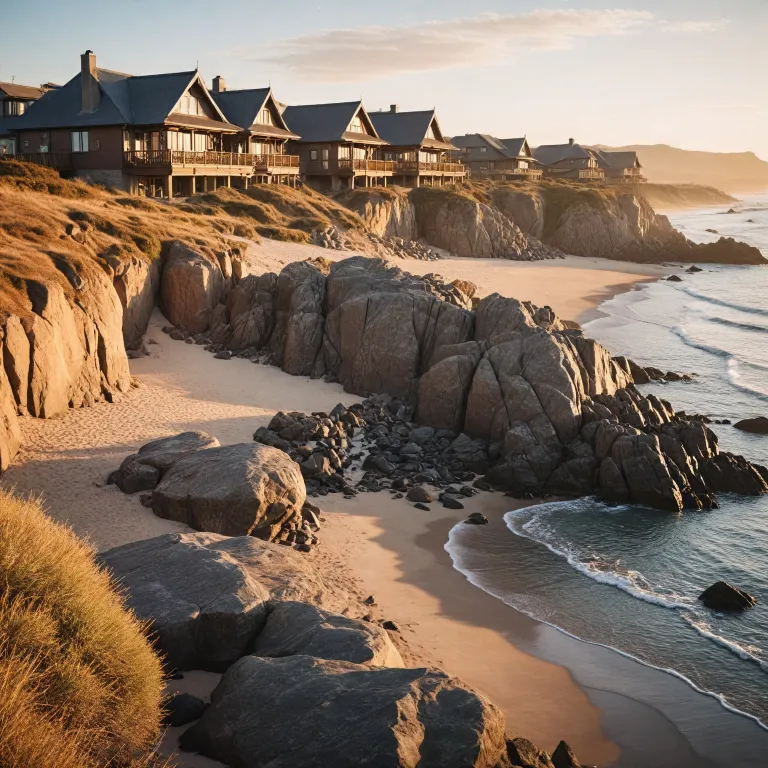
Cape Cross heritage and coastal luxury for discerning travelers
Cape Cross sits on Namibia’s Atlantic coast as a rare meeting point between maritime history and refined travel. Along this remote stretch of coast, the original stone cross of Diogo Cão stands near modern lodges that understand luxury guests expect both comfort and context. The surrounding area feels wild and elemental, yet a well planned stay can be seamless and deeply relaxing.
The headland lies within the Cape Cross Seal Reserve, a protected national area of about 60 km² that forms part of the broader skeleton coast ecosystem. Here, the Atlantic sea crashes against dark rocks while fur seals crowd the shore in a vast, noisy colony. For travelers, this dramatic coast park offers a powerful contrast to Namibia’s inland desert landscapes and southern savannas.
Luxury and premium properties near Cape Cross balance proximity to the seal colony with privacy and quiet. Many guests choose a cross lodge style property positioned slightly back from the sea, where ocean views remain uninterrupted but the sound of fur seals softens. This careful siting also respects wildlife patterns within the seal reserve and wider national park framework.
High end operators increasingly coordinate with the Ministry of Environment and Tourism Namibia to align guest experiences with conservation priorities. As the Ministry notes, “Cape Cross is historically significant as the site where Portuguese navigator Diogo Cão landed in 1486 and erected a stone cross, marking early European exploration in Africa.” This dual heritage, both historical and ecological, shapes how responsible luxury travel is curated along this section of the skeleton coast.
Planning a refined stay around the seal colony and reserve
When planning a premium stay around Cape Cross, timing and logistics matter as much as room categories. Many travelers aim for the main breeding season, when up to 210 000 fur seals gather and the colony becomes an intense wildlife spectacle. During these peak days, a well located cross lodge with private decks and sound insulated suites can make the difference between fascination and fatigue.
The Cape Cross Seal Reserve is managed as a national park style protected area, with boardwalks guiding visitors safely through the seal colony. Luxury guests often appreciate private guided walks that explain how the cape fur seals use different sections of the coast for breeding, resting, and access to the sea. Guides also interpret the wider skeleton coast story, from shipwreck history to the role of the cold Benguela Current along this part of south west Africa.
Because the reserve lies within a harsh desert environment, premium properties focus on comfort details that matter after time in the elements. Heated floors, high thread count linens, and deep soaking baths help guests warm up after windy hours near the cross seal viewing platforms. Thoughtful touches such as binoculars in every suite and curated books on Namibia’s national parks reinforce a sense of place.
Travelers often combine a day at Cape Cross with excursions to nearby coastal towns and geological sites. Henties Bay to the south offers basic services and fishing culture, while the remote Messum Crater inland reveals stark desert scenery that contrasts with the busy seal reserve. A skilled concierge can weave these experiences into a coherent coast park itinerary that feels both efficient and unhurried.
Balancing wildlife intensity with premium comfort and privacy
Many first time visitors underestimate how immersive the seal colony experience can be at Cape Cross. The density of fur seals, the constant movement between sea and shore, and the strong natural odors create a powerful sensory impact. Luxury travelers therefore value properties that provide both immediate access to the seal reserve and a calm retreat once the day’s wildlife viewing ends.
Architects designing high end lodges near the cape and cross often orient suites away from prevailing winds while preserving views of the Atlantic coast. This reduces the intensity of smells from the seal colony and allows guests to enjoy sunsets over the sea in comfort. Sound proofing and layered glazing further soften the roar of waves and the calls of fur seals without disconnecting guests from the environment.
Some premium itineraries pair Cape Cross with quieter sections of the skeleton coast, where shipwreck remains and empty beaches replace the crowded seal reserve. This contrast highlights the scale of Namibia’s coastline and the diversity of its national parks, from the remote Nkasa Rupara wetlands in the far north to the desert shores near Tsau Khaeb and the Khaeb Sperrgebiet. For many guests, alternating intense wildlife days with slower scenic drives enhances overall trip satisfaction.
Experienced travel planners also consider how sensitive travelers may respond to the realities of a large seal colony. Clear pre arrival communication about the sights, sounds, and smells of the cape fur seal reserve helps set expectations. When guests understand that this colony cape environment is a thriving wildlife habitat rather than a manicured park, they tend to appreciate the authenticity while relying on their lodge for restorative comfort.
Linking Cape Cross with Namibia’s wider coast and desert circuits
Cape Cross fits naturally into several premium travel circuits that combine coast, desert, and national parks across Namibia. Many itineraries route from Swakopmund north along the skeleton coast, passing Henties Bay and continuing to the seal reserve before turning inland. This creates a smooth transition from colonial era architecture to raw Atlantic landscapes and then to desert interiors.
Further south, the restricted Khaeb Sperrgebiet and the broader Tsau Khaeb region frame another section of protected coast park, known for diamonds, dunes, and remote sea cliffs. While these areas operate under different regulations than the Cape Cross Seal Reserve, they share a focus on limiting visitor numbers and preserving fragile desert ecosystems. High end operators often coordinate permits and logistics so guests experience these national parks without administrative friction.
To the north and east, itineraries may link Cape Cross with Etosha or the wetlands of Nkasa Rupara, showcasing how varied Namibia’s national park network has become. In this context, the seal colony and cross seal monument represent just one chapter in a broader wildlife and heritage story. Guests move from fur seals on the coast to elephants inland, gaining a multi habitat understanding of south west Africa.
For travelers interested in geology, a day trip from Cape Cross to Messum Crater reveals volcanic formations and desert flora that contrast sharply with the busy seal reserve. Combining this with a coastal sunset drive along the skeleton coast offers a full spectrum of landscapes in a single day. Luxury properties with strong guiding teams can weave these elements into a coherent narrative that elevates the entire journey.
Heritage, Diogo Cão, and storytelling in luxury hospitality
The historical cross at Cape Cross gives luxury hoteliers a powerful narrative anchor for guest experiences. Diogo Cão’s landing and the stone monument he erected connect this remote cape to early European exploration along the coast of Africa. Today, interpretive walks and in room literature help guests understand how this single cross shaped maps, trade routes, and later colonial ambitions.
Thoughtful properties avoid superficial references and instead integrate the story of Diogo Cão into broader discussions of Namibia’s layered history. Guides may explain how the original cross left the cape and later returned, and how local communities now relate to this symbol. This approach respects both the European maritime narrative and the perspectives of people who have long lived along the coast and inland desert.
Designers sometimes echo the geometry of the cross in subtle architectural details, from window frames to courtyard layouts. Combined with natural materials that reference the surrounding area, such as stone from nearby outcrops and colors drawn from the desert, these choices create a sense of continuity between lodge and landscape. Guests feel that their cross lodge environment belongs to Cape Cross rather than being imported from another part of south or southern Africa.
For travelers researching where to stay, editorial resources on elevated guest service in Namibia can be invaluable. Articles such as stories that highlight stellar guest services in luxury and premium hotel booking experiences in Namibia help identify properties that combine strong storytelling with operational excellence. When a lodge can articulate the significance of the cape, the cross, the seal colony, and the wider skeleton coast, guests gain a richer appreciation of their stay.
Practical booking strategies for luxury stays at Cape Cross
Securing the right property near Cape Cross requires attention to both seasonality and personal preferences. During peak breeding months for the cape fur seals, premium rooms with the best sea views and sheltered terraces often sell out well in advance. Travelers who value privacy and quieter wildlife viewing may instead choose shoulder periods, when the colony remains active but the overall number of seals is lower.
When comparing options, guests should look beyond generic star ratings and examine how each lodge engages with the seal reserve and national park regulations. Properties that coordinate viewing times to avoid crowding on the boardwalks usually provide a more serene experience. It is also worth asking how the lodge contributes to monitoring of fur seals and broader wildlife conservation along this section of the skeleton coast.
Travelers combining Cape Cross with other national parks, such as Nkasa Rupara or the coastal zones near Tsau Khaeb and Khaeb Sperrgebiet, benefit from working with Namibia specialists. These experts understand driving times between the coast park and inland desert areas, and they can advise whether to include Henties Bay or Messum Crater as intermediate stops. A well sequenced route reduces fatigue and maximizes time spent enjoying the sea, the colony cape environment, and the historical cross.
Finally, guests should clarify practical details that shape comfort in this remote area. Questions about heating, insulation, and wind protection matter as much as spa menus when staying near a cold Atlantic sea and a dense seal colony. With the right information and a carefully chosen cross lodge, Cape Cross becomes a highlight of any luxury journey through Namibia and the wider south of Africa.
Key figures for Cape Cross and its seal reserve
- Approximate size of the Cape Cross Seal Reserve and surrounding protected area : 60 km² of coastal habitat within a broader national park framework.
- Estimated number of cape fur seals present during the main breeding season : up to 210 000 individual seals along this section of the skeleton coast.
- Timeline of formal protection : the Cape Cross Seal Reserve was proclaimed as a protected reserve several decades ago to safeguard the colony and historical cross.
Essential questions about Cape Cross for luxury travelers
What is the historical significance of Cape Cross?
Cape Cross is historically significant as the site where Portuguese navigator Diogo Cão landed in 1486 and erected a stone cross, marking early European exploration in Africa. For today’s travelers, this monument adds cultural depth to a stay that might otherwise focus only on wildlife and scenery. Many luxury lodges incorporate guided visits to the cross and interpretive talks into their guest programs.
Why is Cape Cross important ecologically?
Ecologically, Cape Cross is important as it hosts the world's largest breeding colony of Cape fur seals, with up to 210,000 seals present during the breeding season. This dense aggregation of fur seals plays a key role in the marine food web along the skeleton coast. Responsible tourism practices within the seal reserve help ensure that viewing the colony does not disturb wildlife or degrade the surrounding desert and sea environment.
Can visitors access Cape Cross Seal Reserve?
Yes, visitors can access Cape Cross Seal Reserve, which offers facilities such as walkways for seal viewing, information signs, picnic areas, and campsites. Luxury travelers typically visit on guided excursions arranged through their lodge, often timed for the best light and least crowding. These structured visits allow guests to experience the intensity of the seal colony while relying on expert guidance and comfortable accommodation nearby.
Trusted references : Ministry of Environment and Tourism Namibia ; Namibia Tourism Board ; UNESCO World Heritage Centre.
