Why namib desert geology fairy circles matter for luxury travelers
For a certain kind of traveler, the Namib Desert is not a backdrop but the main event. The Namib Desert geology fairy circles, inselbergs and the vast Namib Sand Sea turn a simple hotel booking into a front row seat on deep time. When you choose a luxury lodge in this part of Namibia, you are really choosing how close you want to sleep to the edge of a dune, the rim of a fairy circle or the base of a granite tower.
The Namib Sand Sea covers around 34 000 square kilometres, a matrix of shifting dunes that has evolved over millions of years.1 Geologists estimate that the Namib Desert itself has persisted for roughly 55 million years, which means your sunset drink is framed by one of Earth’s oldest surviving desert fairy landscapes.2 High end properties at Sossusvlei and NamibRand understand that their real asset is this geology, so the best suites orient every window and deck toward the dunes, the grass plains and the mysterious fairy circles Namibia is famous for.
When you scan room descriptions on a premium booking website, look for language that respects this context. A pool is pleasant, but a private deck facing active fairy circles or a lone inselberg is what turns a stay into a story. Ask whether your guide team includes someone trained in desert soils and vegetation pattern research, not only wildlife tracking, because the Namibian fairy formations and bare patches under your feet are as compelling as any big cat. Then use that information to shortlist two or three lodges and speak directly with a specialist consultant before you confirm your reservation.
Fairy circles and the grassland rooms that frame them
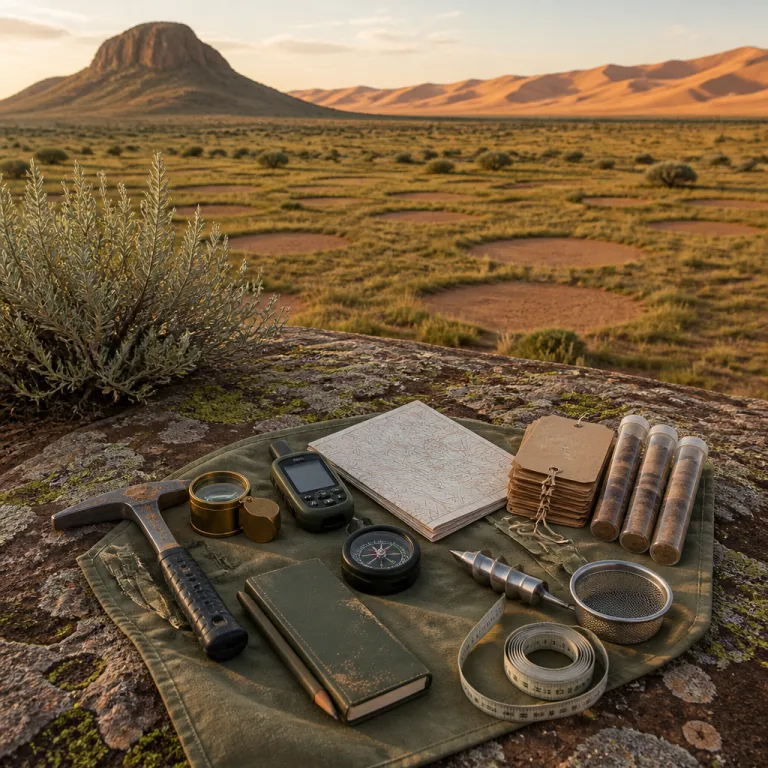
Fairy circles are circular bare patches in the grasslands of the Namib Desert, usually ringed by a fringe of taller grass. From the air each fairy circle looks like a coin pressed into the desert soil, and in some areas the circles form a near perfect hexagonal matrix that stretches for kilometres. Lodges in NamibRand and the wider Namib Desert now design suites, decks and even outdoor baths to face these fairy circles Namibia travelers come to see at first light.
Scientists still debate the organization hypothesis behind these patterns, asking whether vegetation self organisation or termites are the main architects. One research summary puts it plainly: "What causes fairy circles?" and answers with equal restraint: "The exact cause is still debated." Some teams emphasise how plants compete for scarce water in the soils, while others map sand termite colonies beneath the bare soil and argue that each circle center marks a long term nest of sand termites.4,5
For you as a guest, the science shapes the experience. A good guide will show how soil moisture changes from the bare patches to the surrounding grass, and how each plant adjusts to water stress over time. When you compare properties in this part of Namibia, prioritise those that offer dedicated fairy circle walks, interpretive drives and low impact access to the grass plains, then pair that with a stay in the greener northeast using a specialist itinerary such as August in the Caprivi Strip for a complete sense of the country’s contrasts.
Termites, water and the quiet drama beneath your suite
Spend a night in a dune edge villa and it is easy to forget that the real drama of Namib Desert fairy circles happens underground. Beneath the bare soil of each fairy circle, researchers have found intricate termite colonies and subtle gradients in soil moisture that help explain the vegetation pattern you see from your bed.4 The best lodges now weave this subterranean story into their guiding, turning a simple stroll from your room into a masterclass in desert ecology.
One school of thought argues that the sand termite, and related sand termites, engineer the fairy circles Namibia visitors photograph, by clearing plants above their nests to stabilise the water table. Another perspective emphasises how each plant competes for water in hyper arid soils, creating a self organised circle where grass thrives at the rim and leaves the center bare.5 In practice, both the termite and vegetation explanations probably interact over long time scales, which is why the organization hypothesis has become more nuanced and more interesting for curious guests.
When you browse a luxury and premium hotel booking website for Namibia, look for properties that reference this research rather than repeating myths about a single Namibia fairy legend. Some lodges name suites after Eugène Marais, the early South African naturalist who wrote about termite behaviour in southern Africa, and use his work to frame modern studies on desert fairy systems. For a broader sense of how serious Namibian concessions can be about science led guiding, read field based pieces such as tracking desert adapted rhinos on the Palmwag concession, then apply the same expectations to your chosen fairy circle lodge or trusted tour operator.
Inselbergs, the Sand Sea and choosing your desert address
Not every couple wants to stay on an open grass plain; some prefer the sculptural drama of inselbergs or the soft lines of the Namib Sand Sea. Inselbergs are isolated granite or sandstone hills that rise abruptly from the desert, and in Namibia the most famous example is the Spitzkoppe at about 1 728 metres above sea level.3 A room facing such a rock circle of peaks offers a different kind of intimacy with geology than a suite facing fairy circles, but both speak to the same Namib Desert story.
The Namib Sand Sea, a UNESCO listed dune field, is the other major stage for high end stays. Here the focus shifts from grass and bare patches to waves of sand, some dunes exceeding 300 metres in height and forming a vast matrix of ridges and slipfaces.1 Properties near Sossusvlei and Deadvlei lean into this, offering sunrise drives where you climb a dune crest while your guide quietly checks the light and the wind, then return to a room that frames the desert fairy glow of late afternoon.
When you plan a longer itinerary, it makes sense to pair at least two geological zones. One night near inselbergs, a few nights in the Sand Sea and a stay on a plains reserve with active fairy circles will give you a layered sense of Namibia and southern Africa. To align this with your comfort expectations, use curated resources such as Namibia vacations in style, then cross check which properties offer serious guiding on soils, plants and water as well as polished service before you finalise your booking.
How to read a luxury listing through a geological lens
Most premium hotel listings lead with thread counts and wine cellars, but in Namibia you should read between the lines for geology. A suite that mentions views over the Namib Desert without specifying whether you see dunes, inselbergs or fairy circles is not telling you enough. Ask whether your room faces active fairy circles Namib grasslands, a dune sea or a granite center, because each setting shapes how you experience time and space.
Pay attention to how a property talks about its land. References to soil studies, vegetation pattern monitoring or partnerships with universities suggest that the team understands the soils and water dynamics that underpin the Namib Desert geology and fairy circles. Mentions of guided walks focused on plants, termite mounds and bare soil patches are a good sign that you will hear about both the termite colonies and the self organisation of plants, not just folklore about a Namibia fairy or Namibian fairy spirit.
Finally, consider how your stay contributes to preserving this landscape. Some concessions support research on soil moisture and water stress in desert plants, while others help fund remote sensing projects that map fairy circle distribution across Namibia and into South Africa and wider southern Africa.6 Choosing these properties means your romantic escape supports the same field studies, satellite imagery and geospatial modelling that help scientists answer simple questions such as "How tall are Namib dunes?" and "What is an inselberg?" with data rather than guesswork. When you enquire, ask explicitly how your nightly rate feeds into conservation or research, and use those answers to decide where to stay.
FAQ
What are fairy circles in the Namib desert ?
Fairy circles in the Namib Desert are circular bare patches in otherwise continuous grassland, usually surrounded by a ring of taller grass. Each fairy circle can range from less than 1 metre to several metres in diameter, and together the circles form striking patterns visible from the air. They occur mainly in western Namibia but similar circles have been reported in parts of South Africa and other regions of southern Africa.4,5,6
What causes fairy circles and are termites responsible ?
The cause of fairy circles is still debated among scientists, and current evidence suggests that more than one process is involved. Some studies highlight the role of sand termite colonies that clear plants above their nests, creating bare soil patches that help regulate water around the colony.4 Other research focuses on how plants self organise under water stress, competing for limited soil moisture and forming a vegetation pattern where grass thrives at the rim and leaves the center bare.5
Where can I see fairy circles from a luxury lodge in Namibia ?
The best places to see fairy circles from a luxury lodge are private reserves in the NamibRand area and selected properties on the fringes of the Namib Sand Sea. Many suites and tents in these concessions are positioned so that guests can look directly onto fairy circles Namibia is known for, sometimes with a single large fairy circle visible from the bed. When booking, ask specifically whether the lodge offers guided walks or drives focused on fairy circles and desert soils, and request a room category that faces an active grassland zone.
How do inselbergs and the Sand Sea influence where I should stay ?
Inselbergs such as the Spitzkoppe offer a dramatic rock landscape, so lodges near them appeal to travelers who enjoy climbing, photography and Damara cultural history. The Sand Sea around Sossusvlei and Deadvlei provides access to towering dunes and wide open horizons, which suits couples seeking silence, big skies and soft light. Many visitors combine both, staying a few nights near inselbergs and a few nights in the dune belt to experience the full geological range of Namibia.
Is it safe and practical to explore these geological sites on guided tours ?
Exploring fairy circles, inselbergs and the Namib Sand Sea is safe and rewarding when done with experienced guides who understand the desert environment. Reputable lodges schedule activities to avoid the hottest part of the day, carry sufficient water and follow strict off road driving rules to protect fragile soils and plants. Guided tours are strongly recommended, because they combine safety with expert interpretation of the geology, ecology and cultural stories that define the Namib Desert.
1 UNESCO World Heritage Centre, "Namib Sand Sea" (inscribed 2013), World Heritage List entry describing an area of approximately 34 000 km² and dunes exceeding 300 m in height.
2 Geological overviews of southwestern Africa describe the Namib as one of the world’s oldest deserts, with hyper arid conditions persisting for roughly 55 million years.
3 Topographic surveys place the main Spitzkoppe peak at about 1 728 m above sea level.
4 Norbert Jürgens, "The biological underpinnings of Namib Desert fairy circles," Science 339, 2013, proposes sand termites as key ecosystem engineers.
5 Michael Cramer and Nichole Barger, "Are Namibian ‘fairy circles’ the consequence of self organizing vegetation under arid conditions?" PLOS ONE 8(8), 2013, emphasises vegetation self organisation and water competition.
6 Remote sensing and field surveys, including satellite based mapping of fairy circle distribution, document similar patterns from Namibia into parts of South Africa and wider southern Africa.