How a namibia cultural tourism craft cooperative reshapes luxury family travel
In Namibia’s far northeast, the Zambezi Region feels a world away from dune lodges and Skeleton Coast shipwrecks. Here, the quiet rhythm of a small, women-led cultural tourism and craft cooperative offers luxury travelers something rare: an unhurried encounter with living culture that fits seamlessly between river cruises and game drives. For families choosing premium hotels in Namibia, these intimate arts and crafts encounters with local artisans and young artists often become the most talked about part of the trip.
At the heart of this shift are rural cooperatives that link villages, high-end lodges and a growing market of guests who want their spending to support a real community. Instead of staged performances, you meet artisans in working spaces such as the Caprivi Art Centre in Katima Mulilo, the Mashi Craft Centre near Kongola and Mbukushu basket weavers along the Okavango floodplains. Each centre operates as a curated bridge between local artists and the hospitality chains that will bring a steady flow of visitors.
For travelers using a luxury booking website focused on Namibia, these community craft hubs now sit alongside riverfront suites and private game vehicles in suggested itineraries. A visit to a regional arts and handicrafts centre typically lasts two to three hours and can be slotted between a morning boat safari and an afternoon pool session with the children. The experience feels small-scale and personal, yet the impact on women creating crafts and their families in surrounding villages is anything but small.
Caprivi Art Centre, Mashi Crafts and the new map of Namibian destinations
Caprivi Art Centre in Katima Mulilo anchors a loose constellation of arts and crafts hubs that now shape how premium travelers move through Namibia’s northeast. The centre grew from early community projects in the 1980s into a structured cultural tourism craft cooperative, supported by partners such as Omba Arts Trust and the Katima Craft Centre. For guests staying at river lodges, it offers a focused way to meet rural women artisans creating baskets, textiles and other creative work who would otherwise remain invisible behind supply chains.
Two hours west, on the C49 near the Kongola bridge, Mashi Craft Centre gathers handicrafts from rural Zambezi villages into one calm, shaded market. Here, women weaving intricate baskets sit beside young artists experimenting with new forms, while older artisans quietly maintain traditional patterns. Lodges along the Kwando often schedule a stop at this centre on transfer days, turning what used to be a long drive into a highlight for families who value culture as much as wildlife.
Travelers who split their time between river country and the Atlantic coast can now pair these inland arts and crafts experiences with dramatic desert stays. A carefully planned itinerary might combine Zambezi craft cooperatives with a few nights in high-end properties along the Skeleton Coast, using a resource such as a guide to luxury stays where the desert meets the Atlantic. The result is a Namibian journey that moves elegantly from basket weaving circles to ocean-facing suites without losing narrative coherence.
Inside the weaving circle: what families actually experience
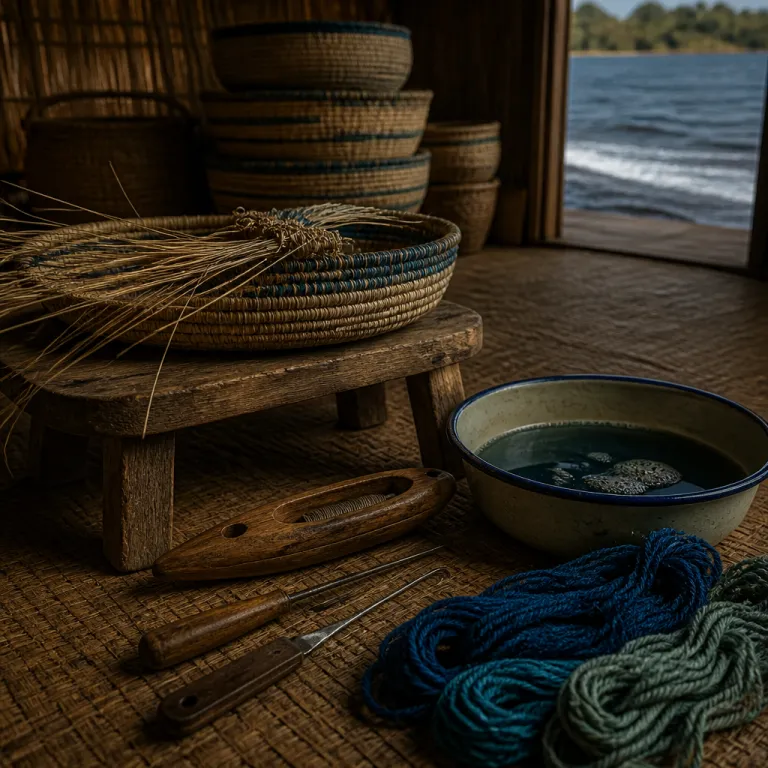
A typical visit to a cultural tourism craft centre in Namibia begins quietly, with a guide introducing the women and young artisans in their working space. Children are usually drawn first to the colours of the arts and crafts laid out on mats, then to the tactile feel of palm leaves, bark and natural dyes. Within minutes, the formality of a hotel excursion gives way to an easy, shared activity.
Weaving demonstrations are the centrepiece, and they are surprisingly absorbing for adults used to fast-paced itineraries. Women artisans explain how specific palms grow in wetlands, how bark is stripped and softened, and why certain patterns are reserved for particular ceremonies in their villages. Guests sit on low stools or mats, trying a small section of weaving while the artisans correct hand positions with patient, creative precision.
Many cooperatives now offer short material-sourcing walks, which work especially well for families staying at nearby lodges. A guide will lead you a few hundred metres from the centre to show where leaves are cut, how sustainable harvesting protects the local ecology and why certain plants support both crafts and wildlife. Photography-minded travelers can time these walks using a planning resource such as a dry season photography window guide, aligning soft light with meaningful cultural encounters.
Beyond baskets: regional crafts, ecology and luxury lodge partnerships
While Zambezi baskets have become the emblem of many a Namibia cultural tourism initiative, they are only one thread in a wider tapestry of Namibian handicrafts. In the northwest, Himba jewellery reflects a semi-arid landscape where ochre, leather and metal replace palm leaves as primary materials. Farther south, Damara leatherwork and San beadwork echo rocky plains and sparse woodlands, each craft shaped by what the land will yield.
Luxury lodges are beginning to curate these regional arts and crafts with the same care they apply to wine lists and guiding teams. A family-friendly property near Etosha might host San beadwork sessions for young guests, while a desert lodge pairs Damara leather demonstrations with stargazing on dune tops. Along the Zambezi, river lodges collaborate with local cooperatives so that women artisans can sell directly to guests, bypassing opaque chains of intermediaries that once absorbed most of the value.
For travelers booking through a premium Namibia platform, this means cultural experiences can be filtered as carefully as room categories or private vehicle options. You can choose stays where a portion of your nightly rate will support a specific community craft project, or where a dedicated arts and crafts corner in the lounge showcases work from several rural villages. One detailed itinerary might even link a Zambezi weaving visit with a stay at a dune-edge property featured in an overview of luxury accommodation near Sossusvlei, creating a north–south arc that feels both coherent and generous.
Impact, ethics and how to choose the right cooperative visit
Behind the calm scenes at any rural craft centre lies a hard economic reality: livelihoods in many Namibian villages remain fragile, and crafts often provide the only cash income for women. Omba Arts Trust, a non-profit that supports rural Namibian artisans, reports working with several hundred artists and craft producers across the country, helping them reach markets without losing control over pricing. Their long-term collaboration with centres such as Mashi Craft Centre and Katima Craft Centre illustrates how structured support can stabilise income while preserving cultural integrity.
Guests sometimes ask whether these visits feel intrusive, and the answer depends on how the experience is designed. Look for cooperatives where artisans set their own schedules, where women creating the crafts are clearly introduced by name and where a transparent price list avoids bargaining that can undermine dignity. One helpful reference point comes from a simple set of clarifications often shared with visitors: “What is the Omba Arts Trust? A non-profit supporting Namibian artisans. Where is the Mashi Craft Centre located? On the C49 road at Kongola bridge. When was the Katima Craft Centre established? In the 1980s as a community-focused market space.”
Ethical luxury travel in Namibia also means asking how your hotel or lodge structures its partnerships with local artists. A responsible property will pay fairly for stock, offer space for women artisans to sell directly on certain days and integrate craft visits into junior ranger programmes so that young guests see culture and conservation as linked. When families choose these kinds of stays, they help ensure that the arts and crafts of small rural communities remain a living, evolving part of Namibia’s tourism story.
FAQ
How long does a visit to a craft cooperative in the Zambezi Region usually take ?
Most visits to a Zambezi craft centre last between two and three hours, including time for demonstrations, questions and browsing the market. Families can comfortably fit a visit between a morning or afternoon game drive without rushing. Lodges will often adjust transfer times so that young children are not overtired during the experience.
Can children actively participate in weaving or craft activities ?
Yes, many cooperatives design small, manageable tasks so that children can try basic weaving or beadwork alongside artisans. The activities are supervised, use safe materials and focus on creativity rather than perfection. Parents often find that these hands-on sessions hold their children’s attention longer than a standard game drive.
How can I be sure my purchase supports local artisans fairly ?
Choose recognised centres such as Mashi Craft Centre or Katima Craft Centre, which work with established partners like Omba Arts Trust and follow fair trade principles. Prices are usually set collectively by the artisans, with clear labelling of who made each item. Buying directly at these centres ensures that most of the payment goes back to the rural community.
Do I need to book a cooperative visit in advance through my lodge ?
Advance booking is recommended, especially during peak travel periods when lodges coordinate multiple activities. Many premium properties in Namibia can arrange private or small-group visits to nearby cooperatives as part of a tailored itinerary. Booking ahead also allows the artisans to prepare demonstrations and ensure that enough women are available to host guests.
Are craft cooperatives suitable for travelers who are not usually interested in shopping ?
Even travelers who rarely buy souvenirs tend to appreciate the storytelling and technical skill on display at these cooperatives. The focus is on understanding how crafts connect to local ecology and daily life, rather than on sales pressure. You can attend demonstrations, ask questions and leave without purchasing, while still contributing through the visit fee arranged by your lodge.