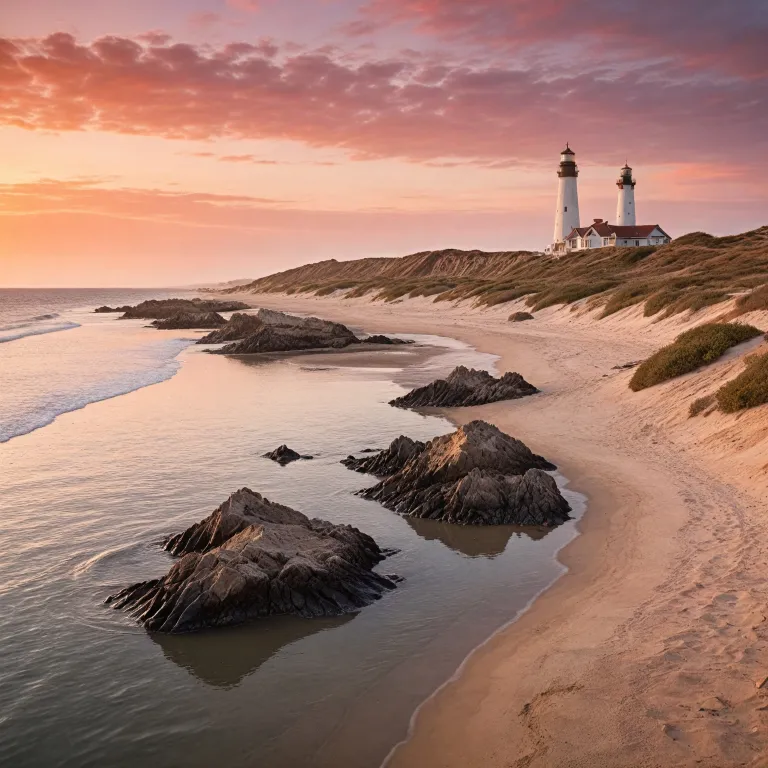
Remote luxury at pelican point Namibia for discerning travellers
Pelican Point Namibia offers a rare blend of seclusion, wildlife and understated luxury for travellers who value privacy. This remote sand spit near Walvis Bay feels like the end of the continent, yet premium lodges and curated tours will ensure comfort without sacrificing authenticity. For guests comparing luxury and premium hotel booking websites in Namibia, this area stands out as a niche destination where every point of contact is highly personalized.
The narrow sand spit stretches between the Atlantic Ocean and the sheltered bay lagoon, creating a dramatic setting for sunrise and sunset over water on both sides. On one flank, the open ocean pounds the sand with powerful surf, while on the other, the calm waters of Walvis Bay Namibia host dolphins, pelicans and other bird species in astonishing numbers. Nature lovers quickly understand why this area has become a flagship for eco conscious travel in southern Africa.
At the heart of the peninsula rises the historic Pelican Point Lighthouse, a 34 meter tower whose black and white bands have guided ships into the bay for generations. Today, the point lighthouse still functions as a maritime navigation aid, while nearby suites transform the former isolation of the spit into a refined retreat. Guests can wake to the sound of the fur seal colony below and step directly from their room onto the sand spit for sunrise photography or quiet contemplation.
Wildlife, fur seals and marine encounters around the sand spit
The signature experience at Pelican Point Namibia is immersion in the immense cape fur seal colony that carpets the sand near the lighthouse. Estimates indicate that up to 30 000 Cape fur seals may use this area, creating a living, shifting mass of fur, flippers and sound along the ocean side of the spit. For many guests, the first close encounter with a fur seal pup on the sand becomes the emotional highlight of their travel through Namibia.
Guided kayaking excursions in the bay lagoon allow visitors to glide quietly among curious seals and dolphins, with the calm waters of Walvis Bay providing a safe environment even for beginners. A knowledgeable guide will position the kayaks at a respectful distance from the main seal colony, ensuring that wildlife interactions remain ethical and low impact. These tours often reveal additional marine life, and while sightings of great white sharks are not typical here, guides explain broader Atlantic ecosystems and predator prey dynamics.
On the lagoon side of the sand spit, bird species such as flamingos, cormorants and pelicans feed in the shallows, creating a constantly changing tableau for photographers. Nature lovers can walk along the point pelican shoreline, watching as the black backed jackal occasionally patrols the edges of the seal colony in search of scraps. This interplay between cape fur seals, scavengers and seabirds illustrates the complexity of the area’s food web and reinforces the need for responsible tourism practices.
Lighthouse heritage, premium stays and how to choose your lodge
The Pelican Point Lighthouse is more than a photogenic landmark ; it is a working maritime instrument with a luminous intensity of 1 300 000 candela. Its rhythmic flashes still mark the entrance to Walvis Bay Namibia, helping vessels navigate the shifting sand banks that define this coast. Staying near the lighthouse pelican structure allows guests to appreciate how navigation, safety and tourism intersect at this remote point.
Pelican Point Lodge has transformed the former isolation of the spit into an eight suite hideaway, offering elevated views over the bay lagoon and the Atlantic surf. Suites are designed so that guests can watch the fur seal colony and passing wildlife directly from their private decks, while premium dining focuses on fresh seafood and Namibian produce. For travellers comparing luxury and premium hotel booking websites in Namibia, this lodge often appears as the flagship option for the Pelican Point area.
When evaluating different travel platforms, pay attention to how clearly they describe access logistics to the sand spit and the point lighthouse. Reputable sites will specify that access is usually via guided 4×4 transfer or tour Walvis Bay departure, due to soft sand and tidal conditions. They should also highlight conservation partnerships, such as collaborations with Ocean Conservation Namibia, which signal that the property aligns with broader African government and local initiatives to protect marine ecosystems.
Access, guided tours from Walvis Bay and practical planning
Reaching Pelican Point Namibia typically begins in Walvis Bay, a working harbour town that has grown into a hub for marine excursions. Most visitors book a combined boat and 4×4 tour Walvis Bay package, which crosses the bay lagoon by catamaran before continuing along the sand spit by vehicle. This approach allows guests to experience both the open water environment and the shifting dunes that frame the point pelican peninsula.
Because the sand can be treacherous and tides change quickly, independent driving along the spit is not recommended, and a professional guide will manage timing and safety. Many operators emphasize eco friendly practices, limiting vehicle numbers near the main seal colony and maintaining distance from resting wildlife. These standards align with broader south African and African government discussions about sustainable coastal tourism, even though Pelican Point itself lies firmly within Namibia.
Weather at the bay Namibia coast can shift rapidly, with fog, strong winds and cool Atlantic currents contrasting sharply with the inland desert heat. Luxury and premium hotel booking websites in Namibia that specialise in this area usually provide detailed packing lists, including windproof layers, sun protection and waterproof bags for kayaking equipment. For deeper inspiration on pairing coastal stays with gourmet experiences inland, travellers can consult resources such as this guide to elevating your Namibian journey through culinary experiences at luxury hotels: luxury hotel culinary inspirations in Namibia.
Eco tourism, conservation and choosing responsible luxury stays
Pelican Point Namibia has become a reference point for eco tourism along the Atlantic coast, balancing high end comfort with strict environmental safeguards. Operators work closely with conservation groups to monitor the health of the cape fur seal population and to reduce plastic pollution that can entangle fur seals. These efforts reflect a wider shift in travel, where guests increasingly expect their stay to support, rather than threaten, local ecosystems.
Luxury and premium hotel booking websites in Namibia now highlight sustainability credentials as prominently as room categories or spa menus. When reviewing options for the Pelican Point area, look for clear information about waste management, energy use and wildlife interaction guidelines near the seal colony. Transparent policies indicate that management understands both the fragility of the sand spit environment and the expectations of nature lovers who value ethical experiences.
Regulatory frameworks from the Namibian authorities interact with broader African government and south African regional standards to shape how tourism operates along this coast. While the region is not a core habitat for great white sharks, conservation messaging often uses iconic species to explain food chains and the importance of protecting marine nurseries in the bay lagoon. Visitors can support these initiatives by choosing operators whose guide will explain local rules, encourage guests to scroll top for safety briefings on digital platforms and promote respectful behaviour around bird species and marine mammals.
Designing a high end itinerary around pelican point Namibia
For travellers planning a wider Namibian journey, Pelican Point Namibia works best as a two or three night coastal chapter within a longer circuit. Many guests pair time on the sand spit with desert lodges in the Namib, creating a contrast between ocean fog and sun baked dunes. Luxury and premium hotel booking websites in Namibia increasingly offer curated itineraries that link Walvis Bay, Swakopmund and inland reserves under one booking umbrella.
A typical high end itinerary might begin with a night in Walvis Bay Namibia, followed by a transfer to the point lighthouse area for immersive wildlife and kayaking. After sunrise walks among cape fur seals and photographic sessions with the seal colony, guests often continue to Sossusvlei or Damaraland for big sky landscapes and desert adapted wildlife. Throughout, a dedicated guide will coordinate timings so that each transfer along the sand spit or through the bay Namibia corridor feels seamless rather than rushed.
Digital planning tools now allow travellers to compare room categories, inclusions and conservation credentials across multiple properties in the Pelican Point area. When browsing, ensure that listings clearly reference the lighthouse pelican landmark, access logistics along the sand spit and the presence of cape fur seals in both singular and plural descriptions. By aligning personal priorities with transparent information, guests can craft a journey that honours the wild character of this remote point while enjoying the refined comforts that define modern Namibian hospitality.
Key figures about pelican point Namibia
- Cape fur seal population at Pelican Point: approximately 30 000 seals.
- Pelican Point Lighthouse height: 34 meters above the sand spit.
- Lighthouse light intensity: 1 300 000 candela guiding ships into Walvis Bay.
Essential questions about pelican point Namibia
What wildlife can be observed at Pelican Point?
Visitors can observe Cape fur seals, dolphins, flamingos, and various other bird species.
How can one access Pelican Point?
Access is typically via guided tours, including 4×4 drives and boat trips from Walvis Bay.
Is the Pelican Point Lighthouse operational?
Yes, the lighthouse remains operational, aiding maritime navigation.
Trusted references for further planning
- Namibia Tourism Board – official destination information and coastal travel guidance.
- Ocean Conservation Namibia – insights on cape fur seal conservation and marine protection.
- Walvis Bay municipality – local regulations, harbour information and environmental notices.
