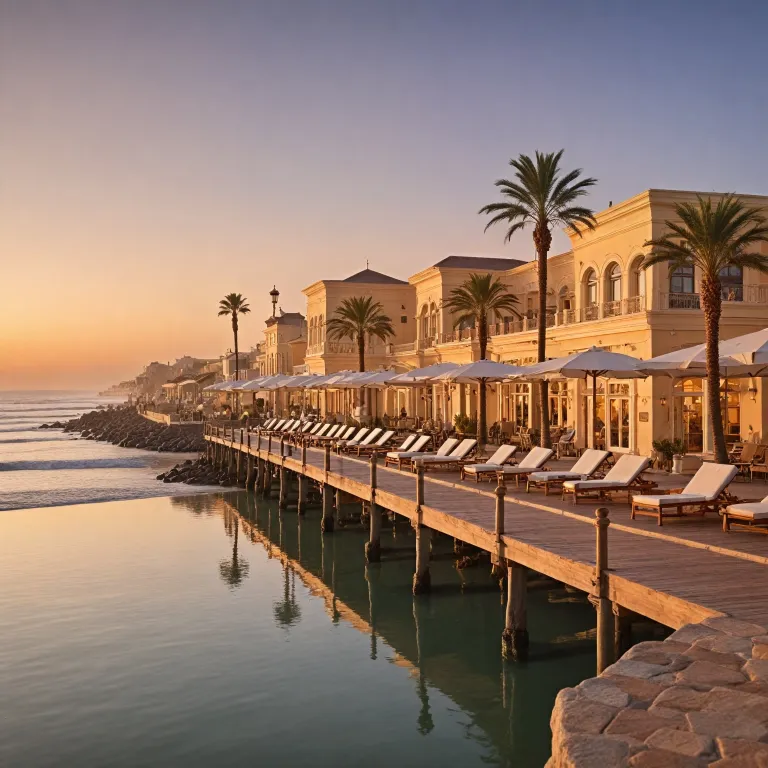
Swakopmund city coastal charm for discerning travellers
Swakopmund city offers a rare balance of Atlantic coast freshness and Namib Desert drama. The city swakopmund stretches between ocean and sand dunes, giving luxury travellers a refined base with a constantly changing view. In this coastal town, people experience german heritage, Namibian warmth, and African light in one elegant place.
Set on the west Africa shoreline of namibia, Swakopmund city developed from a colonial era harbour into a polished resort town. It once served german south ambitions in German South West Africa, and traces of that past remain in architecture and street planning. Today, premium hotels reinterpret this german colonial legacy with contemporary design, spa facilities, and curated desert experiences.
The town centre is compact, walkable, and ideal for guests who value time efficiency and calm. From many luxury properties in swakopmund namibia, you can stroll to the Atlantic coast promenade, fine dining restaurants, and the Swakopmund museum. This proximity allows travellers to enjoy both the relaxed rhythm of a small town and the service standards expected in high end city hotels.
Swakopmund municipality and the Swakopmund Tourism Board work with local partners to refine infrastructure and tourism services. Their efforts support reliable utilities, safe streets, and well maintained public spaces that benefit every premium hotel and resort. For travellers comparing destinations across south africa and west Africa, this stability adds a layer of trust to every booking decision.
History, culture, and architecture shaping luxury stays
Understanding the layered history of swakopmund enriches every premium stay in the city. Founded as a strategic harbour for german colonial trade, the town grew between the Atlantic coast and the namib desert. Many current luxury hotels occupy streets where german colonial buildings still frame the skyline and define the town centre.
These facades tell stories of german south administration, maritime trade, and the ambitions of German South West Africa. Behind them, modern interiors now feature spa suites, ocean view lounges, and refined dining rooms. This contrast between colonial era exteriors and contemporary comfort gives swakopmund namibia a distinctive character among coastal towns in africa.
The cultural narrative also includes herero and herero nama communities, whose histories intersect with german expansion. Thoughtful hotels increasingly reference Namibian art, textiles, and storytelling traditions in public spaces. When a property highlights local people and artisans, it transforms a simple city stay into a meaningful cultural tour.
Guests can deepen their understanding at the Swakopmund museum, where exhibits trace the town, desert, and Atlantic coast connections. Curated excursions may include guided walks that explain how the harbour walvis route once linked swakopmund with walvis bay. In this context, a luxury stay becomes a lens on namibia, from the skeleton coast to the inland mining belt.
Landscape between ocean, desert, and skeleton coast
Swakopmund city occupies a narrow strip where the namib desert meets the Atlantic coast. From many hotel terraces, guests can watch fog roll in from the bay while sand dunes glow inland. This interplay of moisture and aridity shapes both the climate and the style of premium hospitality in the town.
To the north, the skeleton coast stretches into one of africa’s most dramatic shorelines. South of the city swakopmund, the route towards walvis bay follows the atlantic coast past salt pans and wetlands. Luxury travellers often combine a stay in swakopmund namibia with scenic drives that reveal shipwrecks, birdlife, and shifting sand.
Inland, the namib desert and its sand dunes provide a natural playground for guided tours. Operators offer sunrise drives, fat bike excursions, and photographic outings that start directly from town centre hotels. The proximity of desert and ocean allows guests to move from cool sea air to warm dunes within a short time.
Further east, the rossing uranium and other uranium mine operations remind visitors that this region also supports industrial namibian economies. Some premium itineraries include educational overviews of mining history, linking german colonial exploration with modern resource extraction. For travellers interested in both nature and industry, swakopmund and walvis bay together present a nuanced view of south west namibia.
Choosing luxury and premium hotels in swakopmund city
Selecting the right luxury property in swakopmund city begins with clarifying your preferred setting. Some guests favour ocean facing rooms along the atlantic coast, while others choose quieter streets near the town centre. Both options provide easy access to the desert, the Swakopmund museum, and the main dining areas of the city swakopmund.
High end hotels in swakopmund namibia typically offer spacious rooms, refined linens, and attentive concierge services. Many integrate german design influences with Namibian materials, creating interiors that reference both europe and africa. When evaluating options, look for properties that highlight responsible partnerships with local people and suppliers.
Premium stays often include curated access to the namib desert and nearby sand dunes. Ask whether your hotel collaborates with licensed guides for quad biking, scenic flights, or skeleton coast excursions. Quality partners will prioritise safety, environmental respect, and meaningful interpretation of the landscape and its history.
Location also matters for guests planning visits to walvis bay and the harbour walvis area. Some hotels arrange transfers for dolphin cruises, lagoon birding, or combined city and bay tours. By choosing a property that understands both swakopmund and walvis bay logistics, you save time and gain a smoother overall experience in namibia.
Designing a refined itinerary around swakopmund city
A well planned itinerary in swakopmund city balances rest, culture, and soft adventure. Start with a gentle walk through the town centre, noting german colonial facades and ocean facing promenades. This first day allows people to adjust to the cool coastal climate of west Africa after inland heat.
On another day, dedicate time to the Swakopmund museum and nearby heritage buildings. Here you will see how german south administration, herero communities, and later Namibian governance shaped the town. The quote “Swakopmund is known for its German colonial architecture and as a popular beach resort.” captures this dual identity clearly.
Reserve at least one morning or afternoon for a guided tour into the namib desert. Many operators collect guests directly from luxury hotels, then drive towards sand dunes that rise just beyond the city. Along the way, guides explain how fog sustains desert life and how the skeleton coast earned its name.
For travellers interested in regional context, consider a day linking swakopmund, walvis bay, and the harbour walvis industrial zone. You might pass near the rossing uranium and other uranium mine routes, gaining insight into Namibian export corridors. For deeper planning ideas focused on high end stays across namibia, consult this resource on a leading luxury and premium hotel booking website in Namibia.
Practical guidance for premium bookings in swakopmund city
When booking a luxury stay in swakopmund city, timing and climate deserve careful attention. Coastal temperatures average around 15 °C, with cool mornings and evenings along the atlantic coast. Many travellers from south africa and inland namibia appreciate this relief after hotter days in other parts of africa.
Peak periods often align with local holidays, when the town centre and beach areas become livelier. To secure preferred rooms with an ocean or desert view, reserve well in advance. This is especially important for properties that offer limited suites overlooking the bay or sand dunes.
Consider how you plan to move between swakopmund, walvis bay, and the wider south west region. Some premium hotels can arrange private transfers to the harbour walvis district, the namib desert, or even towards skeleton coast gateways. Clarifying these logistics before arrival saves time and enhances the overall sense of ease during your stay.
Finally, assess how each property engages with Namibian culture, from herero nama heritage to contemporary urban life. Hotels that collaborate with local high school programmes, artists, and guides often provide richer experiences for their guests. In a city shaped by german colonial history, uranium mine development, and evolving tourism, such partnerships help ensure that luxury travel supports both people and place.
Key statistics for planning a stay in swakopmund city
- Population of swakopmund city is estimated at around 25 047 people, supporting a solid base of services for travellers.
- Average annual rainfall is approximately 20 mm, which explains the dry conditions of the surrounding namib desert.
- Typical average temperature near the atlantic coast is about 15 °C, offering cooler weather than many inland areas of namibia.
Essential questions about swakopmund city for luxury travellers
What is Swakopmund known for ?
Swakopmund is known for its German colonial architecture and as a popular beach resort. This reputation makes the city swakopmund particularly attractive for travellers seeking both cultural depth and coastal relaxation. Luxury hotels build on this foundation by combining historic surroundings with refined contemporary comforts.
What activities can tourists enjoy in Swakopmund ?
Tourists can enjoy activities like skydiving, quad biking, and exploring the Namib Desert. Many premium properties in swakopmund namibia coordinate these tours directly, ensuring seamless transfers from lobby to sand dunes. Guests can also add harbour walvis and walvis bay excursions for marine wildlife viewing and lagoon cruises.
When was Swakopmund founded ?
Swakopmund was founded on August 4, 1892. This origin during the german colonial period explains much of the town’s architecture and early harbour development. Today, visitors can reflect on that history while enjoying a modern coastal stay on the atlantic coast of africa.
