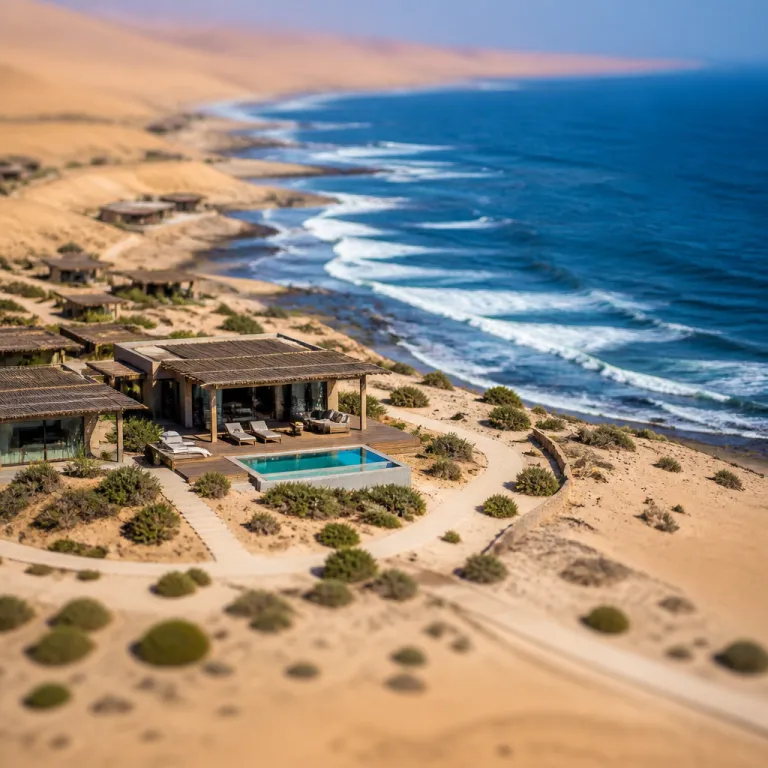
Namibia Africa travel for luxury guests who value space and silence
Namibia in southern Africa offers rare luxury for people who value silence and wide-open horizons. This vast country combines high end lodges, dramatic desert scenery, and wildlife in protected areas that cover about 44 percent of the land, according to the Namibian Ministry of Environment, Forestry and Tourism (MEFT, 2022). For any serious Namibia Africa travel plan, the question is not whether you will be amazed, but how you will curate each trip to match your style.
Most luxury travellers start or end their Namibia trip in Windhoek, where premium hotels provide calm bases before heading into remote regions. Hosea Kutako International Airport sits about 40 kilometres east of the city, and from this hub you can connect by car, light aircraft, or private transfer to the Skeleton Coast, Etosha National Park, or the Namib sand dunes, each area offering distinct experiences. When you visit Namibia for the first time, you quickly understand why many guests who have already visited Namibia return for longer stays and more secluded nature reserves.
High end lodges in Namibia price most services in USD, although the Namibian dollar remains the official currency and is pegged to the South African rand (Bank of Namibia, 2023). This makes it easy for people from Europe or South Africa to compare costs across different Africa Namibia destinations and decide how many days they will allocate to each region. For a well balanced trip Namibia itinerary, many experts suggest at least ten days, combining the desert, a wildlife focused national park, and one coastal stop such as Walvis Bay.
Luxury journeys in this part of Africa are shaped by conservation, not mass tourism, which keeps guest numbers low. MEFT and the Namibia Tourism Board work closely with high end lodges to protect wildlife and water resources while improving visitor comfort. As a result, you can stay in remote desert areas with reliable hot water, fine dining, and expert guiding, while still feeling that the country remains wild and largely untouched.
Entry requirements, health, and practical planning for a premium Namibia trip
Before you book any luxury hotel, confirm the current entry requirements for your nationality. Namibia now offers an e visa system for many visitors, and eligible travellers can apply for a visa online, but you must still arrive with a valid passport and proof of onward or return travel (Namibian Ministry of Home Affairs, Immigration, Safety and Security, 2024). Official guidance does not treat all nationalities the same, so instead of assuming “Do I need a visa to visit Namibia? Yes, a visa is required,” you should check whether you are visa exempt, need an e visa, or can obtain a visa on arrival.
For most Namibia Africa travel itineraries, you should check recommended vaccines with a qualified medical professional several weeks before departure. Some areas of southern Africa require yellow fever proof if you transit through certain countries, and malaria precautions may be advised for parts of the north, especially during the wetter months (World Health Organization, 2024). When planning a long Namibia trip that includes remote nature reserves, consider that medical facilities can be far away, so comprehensive travel insurance with medical evacuation cover is essential.
Water quality in major cities such as Windhoek and Walvis Bay is generally good, yet many luxury lodges still provide filtered drinking water in rooms and vehicles. In very arid desert areas, guests are often reminded that water is scarce and that long showers should be avoided, which aligns well with eco conscious travel values. Responsible people who have already visited Namibia often comment that the country manages to balance guest comfort with respect for fragile ecosystems remarkably well.
Timing matters for every trip Namibia plan, especially if you want specific wildlife or landscape conditions. The Namibia Tourism Board notes that “What is the best time to visit Namibia? May to September offers cooler temperatures and wildlife viewing” (NTB, 2023). During this prime time to visit, Etosha National Park and other reserves see animals concentrate around waterholes, while coastal areas near Walvis Bay and Swakopmund offer cool relief from the inland heat.
If your Namibia Africa travel route extends into neighbouring South Africa, you may combine Windhoek with Cape Town or the Cape Winelands on one ticket. Many premium travellers fly into Cape Town first, enjoy a few days of urban comfort, then continue to Africa Namibia destinations by regional flights. When your trip includes both countries, check separate entry requirements, vaccines guidance, and travel insurance conditions, because rules can differ between Namibia and South Africa.
For those interested in the lush northeast, a detailed guide to August in the Caprivi Strip and Namibia’s green season helps you judge whether to add this region to your itinerary. This area contrasts strongly with the desert, offering rivers, wetlands, and rich birdlife that appeal to guests who enjoy quieter wildlife experiences. Many luxury lodges here operate as private nature reserves, giving you exclusive access to waterways and game viewing away from crowds.
Windhoek, Etosha, and private reserves : where luxury and wildlife meet
Windhoek is more than a transit point for Namibia Africa travel, because the city now hosts several premium hotels and guest houses with refined service. Staying one or two days in the capital allows you to adjust after a long flight, meet local guides, and finalise car rental or charter arrangements. Many people also appreciate the chance to dine at well regarded restaurants and visit craft markets before heading into the desert or the bush.
Etosha National Park remains the flagship wildlife area for any Namibia trip, and luxury lodges on private concessions around the park offer elevated comfort. These properties often provide guided drives into Etosha National itself, combined with exclusive activities on their own land, such as night drives or photographic hides at waterholes. During the dry season, wildlife viewing can be exceptional, as animals gather around scarce water sources, creating intense scenes that define Africa Namibia safaris.
Some high end travellers prefer private nature reserves south or west of Etosha, where guest numbers are tightly controlled. These reserves may not carry the Etosha National label, yet they often host similar wildlife, including lions, elephants, and rhinos, with more flexible off road driving rules. When you visit Namibia with a focus on privacy, such reserves can be ideal, especially for multi generational groups who will book several suites or an exclusive use villa.
Gravel roads around Etosha and across much of the country are generally well maintained, but they still demand careful driving. If you plan a self drive road trip, choose a suitable car with high clearance, and allow extra time between destinations, because distances are long and wildlife may cross unexpectedly. Many luxury travellers still opt for private transfers or fly in safaris, yet those who have visited Namibia by car often describe the journey itself as a highlight.
Coastal elegance complements the bush experience, and many itineraries now include Swakopmund or Walvis Bay for marine excursions and fresh seafood. For a curated overview of where to stay, a guide to Namibia hotels for discerning travellers outlines coastal, desert, and safari options that meet premium expectations. Combining these areas in one trip Namibia plan allows you to experience both Atlantic breezes and inland heat without sacrificing comfort.
When comparing Namibia Africa travel with other southern Africa destinations, Etosha stands out for its open pans and stark light. Unlike some greener parks in South Africa, visibility here is often excellent, making it easier to spot wildlife at distance and appreciate the scale of the landscape. For photographers, this means that even a short Namibia trip of five or six days in Etosha and nearby reserves can yield striking images and memorable sightings.
From the Skeleton Coast to the Namib sand dunes : desert luxury in Namibia
The Skeleton Coast is one of the most dramatic stretches of shoreline in Africa, and luxury camps here offer a rare sense of isolation. Many Namibia Africa travel itineraries include a fly in stay along this coast, where shipwrecks, fog banks, and roaring dunes create an almost surreal atmosphere. People who have visited Namibia often describe this region as the place where the desert meets the ocean in its most powerful form.
High end lodges along the Skeleton Coast and in the broader Namib desert focus on low impact design and personalised service. Suites may feature floor to ceiling windows facing the sand dunes, private decks with hot tubs, and guided activities that range from scenic flights to dune drives and coastal walks. Because water is scarce in these areas, properties invest heavily in efficient systems and educate guests on how to enjoy comfort while respecting the desert environment.
The Namib sand dunes near Sossusvlei and Deadvlei are central to many Namibia trip plans, and premium lodges here often sit within private nature reserves. From these bases, you can enter the national park early, reaching iconic dunes in time for sunrise, then return to shaded pools and fine dining by midday. For travellers comparing Namibia Africa travel with other desert destinations, the combination of towering dunes, clear skies, and refined accommodation is difficult to match.
Driving to the desert usually involves long stretches on gravel roads, which can be tiring if you underestimate distances. When planning a road trip that includes both the Skeleton Coast and the central Namib, allow generous days between lodges, and consider breaking the journey with an extra night in a midway area. Many luxury travellers choose a mix of car transfers and light aircraft hops, balancing the romance of the road with the efficiency of flying.
For those who enjoy linking iconic landscapes across southern Africa, it is possible to combine the Namib desert with other high end safari regions. A detailed article on an opulent safari retreat on the Ngorongoro Crater rim shows how different volcanic and desert landscapes can be woven into one extended journey. Such combinations highlight how Namibia Africa travel can sit alongside East African experiences while still offering a distinct sense of place.
Night skies in the Namib desert rank among the clearest in the world, and many lodges now offer dedicated stargazing decks or even open air beds. One lodge manager near Sossusvlei described how guests often whisper instead of talk on these decks, as if they were in a cathedral; after long days exploring sand dunes and dry riverbeds, lying under the Milky Way becomes a quiet ritual that many remember as the emotional peak of their trip Namibia adventure. This blend of raw landscape and carefully crafted comfort defines the essence of luxury in this part of the country.
Self drive elegance : gravel roads, premium cars, and guided alternatives
Self drive travel has become a defining feature of Namibia Africa travel, even at the luxury level. Many high end guests choose to rent a premium 4x4 car and explore the country at their own pace, linking desert lodges, coastal hotels, and wildlife reserves. The sense of independence on long gravel roads, with almost no other people in sight, is part of the appeal.
When planning a road trip in Namibia, you should budget both time and money carefully. Distances between key areas such as Windhoek, Etosha, the Skeleton Coast, and the southern sand dunes are significant, and fuel stops can be far apart, so each day’s driving plan must be realistic. Most rental companies quote prices in USD, but you will pay for fuel and many local services in Namibian dollars, so carrying both cash and cards works well.
Gravel roads in Namibia are usually well graded, yet they can become slippery after rare rains or dusty during dry spells. Luxury travellers who are not confident driving in such conditions may prefer private transfers or fully guided safaris, where professional drivers handle the logistics. This approach allows you to relax between lodges, focus on the scenery, and arrive fresh for afternoon activities in each nature reserve or national park.
Travel insurance is non negotiable for any Namibia trip that involves self drive elements, because minor incidents on remote roads can become expensive. Policies should cover vehicle excess, medical care, and evacuation, especially if you plan to visit Namibia regions far from major hospitals. When comparing options, check whether cross border cover applies if your road trip extends into South Africa or includes a side journey to Cape Town and the Cape region.
Some luxury operators now offer hybrid itineraries that combine self drive segments with fly in links between more distant areas. For example, you might drive from Windhoek to Etosha National Park over two days, then board a light aircraft to the Skeleton Coast, before returning by car via Swakopmund and Walvis Bay. This structure keeps the romance of the open road while reducing fatigue on the longest stretches.
People who have already visited Namibia often advise new travellers to keep daily driving times under six hours. This guideline leaves space for unplanned photo stops, wildlife sightings along the roadside, and relaxed check ins at each property, which suits the slower rhythm of luxury travel. In a country where the journey is as memorable as the destination, rushing rarely works well.
Budgeting in USD, sustainability, and choosing the right luxury hotel
Luxury Namibia Africa travel can range from refined city hotels to ultra remote desert camps, and prices vary widely. Many high end properties quote nightly rates in USD per person, often including meals, drinks, and activities, which simplifies comparison across different areas. When you plan a long trip Namibia itinerary, it helps to group nights by experience type, such as wildlife, desert, or coast, then allocate budget accordingly.
Wildlife focused lodges near Etosha National Park or in private nature reserves often command higher rates, because they include guided drives, conservation fees, and expert trackers. Desert properties along the Skeleton Coast or near the Namib sand dunes may cost slightly less per night, yet their remote logistics and water management still justify premium pricing. Coastal hotels in Walvis Bay or Swakopmund sometimes offer better value, especially for people who will spend days on marine excursions or scenic flights rather than game drives.
Sustainability has become central to high end hospitality in Namibia, and many lodges now operate on solar power, advanced water recycling, and strict waste policies. Guests are encouraged to travel with refillable bottles, limit long showers, and respect wildlife viewing guidelines, which aligns with the conservation goals set by national authorities. When you visit Namibia, choosing properties that support local communities and conservation projects ensures that your spending benefits the country as a whole.
Booking through a specialist Namibia Africa travel platform or a trusted tour operator can help you navigate complex choices. These experts understand seasonal changes, road conditions, and the subtle differences between national park concessions and private reserves, which matter for both wildlife density and privacy. They can also advise on entry requirements, vaccines, and travel insurance, ensuring that your valid passport, visas, and health documents are in order before departure.
For many travellers, the most satisfying Namibia trip balances headline destinations with quieter, lesser known areas. Combining Etosha National with a smaller nature reserve, adding a few days in Walvis Bay, and ending with a remote desert camp creates a rhythm that feels both varied and coherent. People who have visited Namibia several times often refine this balance, returning to favourite lodges while adding one new region on each journey.
When you evaluate hotel options, look beyond room photos and focus on guiding quality, conservation credentials, and access to key experiences. A property that offers fewer suites, strong links to local communities, and expert naturalists may deliver more value than a larger hotel with more facilities but weaker sense of place. In a country where wildlife, desert landscapes, and cultural encounters define the experience, these deeper qualities matter more than surface glamour.
Key statistics for luxury and premium travel in Namibia
- Tourist arrivals in Namibia reached about 1 578 000 people in 2019, according to the Namibia Tourism Board and MEFT’s latest pre pandemic reporting, reflecting strong demand for both self drive and high end safaris (MEFT, Tourism Statistical Report 2021, published 2022). The full report is available via the official MEFT publications portal.
- Approximately 44 percent of Namibia’s land is under some form of protection, as reported by the Namibian Ministry of Environment, Forestry and Tourism (MEFT, 2022), giving luxury travellers extensive access to national parks and nature reserves.
- The period from May to September is widely regarded as the best time to visit Namibia for wildlife viewing, with cooler temperatures and animals concentrating around water sources in Etosha National Park and other reserves (NTB, 2023).
- Self drive safaris and road trips have grown significantly, with gravel roads covering much of the country and encouraging travellers to rent a car and explore remote areas at their own pace (MEFT, 2021 tourism report).
- Eco tourism and cultural tourism are both rising, with more luxury lodges integrating community partnerships and low impact design into their operations across desert, coastal, and wildlife regions (MEFT, 2022 policy updates).
Frequently asked questions about luxury travel in Namibia
Do I need a visa and valid passport to visit Namibia ?
Most international travellers must hold a valid passport with at least six months’ validity and sufficient blank pages for entry and exit stamps. Depending on your nationality, you may be visa exempt, eligible for an online e visa, or required to obtain a visa on arrival at major entry points; always confirm the latest rules on the official Namibian immigration or e visa portal (Namibian Ministry of Home Affairs, Immigration, Safety and Security, checked 2024).
What is the best time to visit Namibia for luxury safaris ?
The prime time to visit Namibia for wildlife focused luxury safaris is generally from May to September, when temperatures are cooler and animals gather around limited water sources. During these months, Etosha National Park and surrounding reserves offer excellent game viewing, and gravel roads are usually dry and accessible, while coastal areas such as Walvis Bay and Swakopmund can be cool and foggy, which many travellers find refreshing after hot days inland.
Is Namibia safe for high end self drive road trips ?
Namibia is widely considered one of the safer countries in Africa for tourists, including those on self drive itineraries, with relatively low crime rates in rural areas compared with many urban centres in the region (NTB safety briefings, 2023). Standard precautions still apply, such as avoiding night driving on gravel roads, securing valuables, and following lodge advice in wildlife areas.
Do I need special vaccines or health precautions for Namibia ?
Routine vaccines should be up to date, and additional vaccines or malaria prophylaxis may be recommended depending on the regions you plan to visit and your transit route, especially if you pass through yellow fever risk countries (WHO travel health advice, 2024). Northern areas and some riverine zones can carry higher malaria risk, while desert regions are generally low risk, so consult a travel medicine clinic several weeks before departure and ensure your travel insurance covers medical care and evacuation from remote locations.
How much should I budget in USD for a luxury Namibia trip ?
Luxury lodge rates in Namibia often range from about 350–600 USD per person per night at the lower premium level to 900–1 500 USD or more at ultra luxury camps, usually including meals, drinks, and activities (industry averages, 2023–2024). For planning purposes, a ten to fourteen day Namibia Africa travel itinerary that combines Etosha, the desert, and the coast typically starts around 7 000–10 000 USD per person excluding international flights, rising higher for private charters, exclusive use villas, or peak season dates.
References : Namibia Tourism Board (NTB) ; Namibian Ministry of Environment, Forestry and Tourism (MEFT) ; Namibian Ministry of Home Affairs, Immigration, Safety and Security ; World Health Organization (WHO) travel health guidance ; Bank of Namibia reports ; MEFT Tourism Statistical Report 2021 (published 2022).