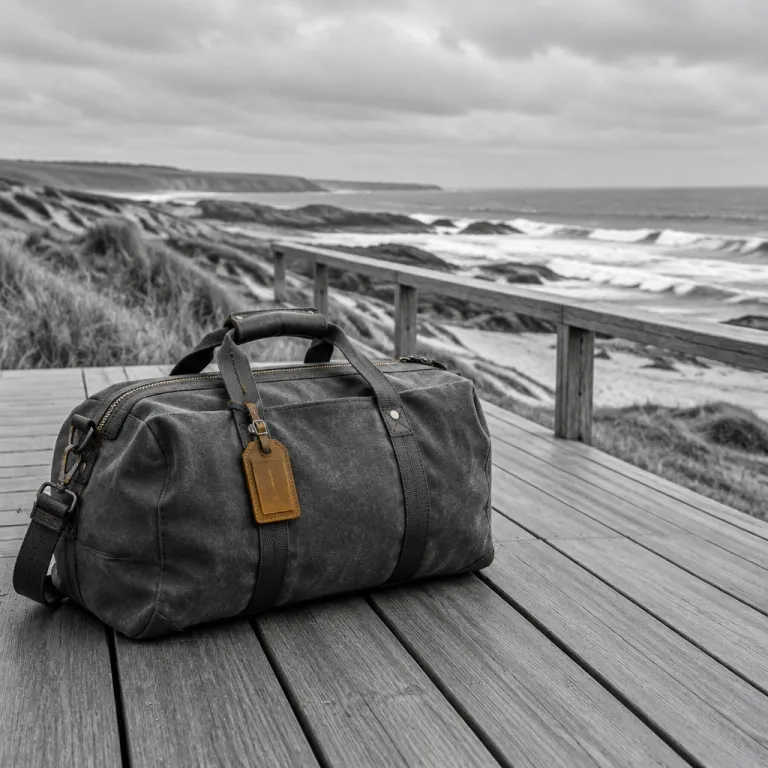
Namibia beach landscapes along the Atlantic coast
Coastal Namibia feels unlike any other shoreline in Africa. Along this remote Atlantic coast, Namibia presents a stark meeting of cold ocean and arid desert, where pale sand runs into towering dunes. The result is a chain of wild beaches where the Atlantic shapes every luxury stay and every moment outside your hotel suite.
From the south near Lüderitz to the far north of the Skeleton Coast, each region offers a different character. Around Walvis Bay and Swakopmund, the Namibian coast softens into wide beaches and calm bays that suit premium hotels and refined restaurants. Farther north the skeleton of the land becomes harsher, with heavy surf, ocean fogs, and sand dunes that plunge straight into dense ocean swells.
Travelers often expect tropical palms, yet this part of Africa is ruled by the Benguela Current. Cold water from the south shapes the climate, creating an arid desert right beside the sea and feeding rich sea life offshore. This contrast defines every coastal itinerary in Namibia and explains why luxury properties here focus on warmth, texture, and shelter from the elements.
Where luxury meets the desert: Walvis Bay, Swakopmund and the Namib dunes
Walvis Bay is the most accessible hub on the Namibian coast for travelers seeking premium hotels. The bay itself forms a natural harbour on the Atlantic coast, with calm water protected from the heavy surf that pounds the open coast Namibia further north. Here you can spend long beach days between lagoon cruises, dune drives, and fine dining in town.
High end lodges and hotels around Walvis Bay and Swakopmund use the Namib Desert as their backdrop. Many suites face the sand dunes while public spaces open towards the ocean, giving you both desert and beaches in a single stay. When you visit area highlights such as Sandwich Harbour, you see how the Namib Desert and the Atlantic meet in a sweep of sand that feels almost sculpted.
Swakopmund itself offers a gentler coastal atmosphere, with a promenade, historic buildings, and easy access to the river valleys that cut through the desert. During the green season in Namibia, some travelers plan their stay using a specialist guide to green season travel to time flamingo arrivals and lagoon water levels. One Swakopmund guide, Johan, likes to say that “the dunes are our front yard and the ocean is our back yard,” a balance of soft sand, cool ocean breezes, and polished hotel service that suits both first time visitors and repeat Africa Namibia travelers.
Skeleton Coast drama: shipwrecks, fog and remote luxury
The Skeleton Coast is the most dramatic stretch of shoreline in Namibia, running along the remote north of the country. This region is called the Skeleton Coast because of the shipwrecks and whale bones that once littered the sand, a reminder of how unforgiving this ocean can be. Today, carefully placed luxury lodges allow guests to experience this wild coast Namibia without sacrificing comfort.
Here the Atlantic coast is shaped by the Benguela Current, which brings cold water and thick ocean fogs that roll inland over the dunes. The result is a narrow band where arid desert meets dense ocean, creating a unique ecosystem that supports surprising sea life and desert adapted wildlife. Guests often fly in over the national park, tracing the line of sand dunes, river mouths, and rusting fishing vessel hulls stranded on remote beaches.
High end properties in this region focus on seclusion, guided exploration, and low impact design. Many travelers use specialist insight into where luxury lodge design is heading in Namibia before choosing between four or six suite retreats along the Namibian coast. For guests who value privacy, the Skeleton Coast offers coastal experiences where you may see more shipwrecks than people during a full day of guided exploration.
Henties Bay and the fishing culture of the Namibian coast
Henties Bay sits roughly between Swakopmund and the Skeleton Coast National Park, and it has grown into a relaxed town with a strong fishing culture. Many Namibians travel north to this region for beach days focused on angling, surf casting, and family time on the sand. For international visitors, Henties Bay offers a quieter alternative to Swakopmund, with easy access to both desert and ocean activities.
The Benguela Current supports rich sea life along this part of the Atlantic coast, making it ideal for shore based fishing and boat excursions. You will often see a fishing vessel working just offshore while anglers line the beach, casting into the heavy surf that breaks along the coast Namibia. Luxury travelers can charter private guides who provide premium equipment, permits, and transfers from high end hotels in Swakopmund or from smaller guest properties in Henties Bay itself.
While the town feels modest, the surrounding landscape is pure coastal drama. To the east, sand dunes and the wider Namib Desert rise in soft curves, while to the west the dense ocean sends in rolling swells and cool ocean fogs. This combination of arid desert and cold water creates a climate where clear mornings can shift into misty afternoons, so premium hotel concierges often recommend flexible planning for outdoor activities.
From Lüderitz to the south: wild capes, bays and cold Atlantic water
In the south of Namibia, the coastal town of Lüderitz offers a different style of shoreline experience. Here the coast breaks into rocky capes, small bays, and islands, with only short stretches of sand between the headlands. The water remains cold because the Benguela Current runs close to shore, but the scenery is striking and the sense of remoteness appeals to many luxury travelers.
This southern region lies closer to South Africa, and some itineraries link Cape Town, the west coast of South Africa, and the Namibian coast in a single journey. Around Lüderitz, the Namib Desert reaches the ocean in a series of sand dunes and rocky outcrops, while inland you find the ghost town of Kolmanskop and wide open arid desert plains. Premium accommodation here tends to be intimate, with a focus on history, marine excursions, and guided drives into the desert.
While this is not a classic swimming destination, the coastal settings around Lüderitz reward travelers who value atmosphere over warmth. You can walk along quiet beaches, watch sea life from the shore, and explore bays that feel almost untouched. For guests who enjoy contrasting landscapes, combining this south coast with the dunes around Sossusvlei and a stay at a luxury lodge in the Namib Desert creates a compelling desert and ocean itinerary.
Designing a luxury Namibia beach itinerary along the Atlantic coast
Planning a high end journey along the Namibian coast starts with understanding distance and climate. The Atlantic shoreline stretches for more than 1 500 kilometres, and many regions are separated by long drives through arid desert or protected national park areas. For this reason, luxury travelers often combine road transfers with scenic flights along the Atlantic coast to save time and enjoy aerial views of sand dunes, river mouths, and shipwrecks.
A typical premium itinerary might begin in Windhoek, then move to Sossusvlei in the Namib Desert before reaching the coast Namibia at Swakopmund or Walvis Bay. From there, guests can continue north to Henties Bay and the Skeleton Coast, or south towards Lüderitz and the remote capes and bays near the border with South Africa. Each region offers different styles of beaches, from wide sand near Walvis Bay to narrow strips of shore pressed between dunes and dense ocean along the Skeleton Coast.
When choosing hotels, travelers should consider how much time they want to spend on the beach itself versus exploring the desert and ocean by vehicle or boat. Many luxury properties focus on guided activities such as dune drives, marine cruises, fishing excursions, and scenic flights over the Namibian coast. By balancing these experiences, you can enjoy both the tactile feel of sand underfoot and the wider drama of Africa Namibia landscapes where desert, river valleys, and the Atlantic meet.
What to expect from luxury and premium hotels on the Namibian coast
Luxury hotels along this coastal corridor are designed to shield guests from the elements while framing the landscape. Expect thick walls, deep verandas, and large windows that look either towards the ocean or across the sand dunes of the Namib Desert. Many properties use natural materials and soft colours that echo the surrounding arid desert and beaches.
Service standards on the Namibian coast are shaped by the country’s strong hospitality training culture and by the expectations of well traveled guests from across Africa and beyond. Premium hotels in Walvis Bay, Swakopmund, and selected Skeleton Coast lodges offer curated activity menus that include fishing trips, visits to shipwrecks, scenic drives along the coast Namibia, and boat cruises focused on sea life. In more remote areas, small properties often arrange private scenic flights over the national park coastline, where you can see the skeleton remains of old fishing vessel hulls resting on the sand.
Travelers should also be prepared for the climate contrasts that define every stay on the Namibian coast. Mornings can begin with cool ocean fogs and dense ocean air, then clear into bright sunshine over the dunes and river valleys. By choosing hotels that provide layered bedding, heated bathrooms, and sheltered outdoor spaces, you can enjoy the full drama of the Atlantic coast while remaining comfortable throughout your stay.
Key figures for Namibia’s coastal and desert tourism
- Namibia received about 1.6 million international tourist arrivals in 2019, with a significant share visiting the Namib Desert and Atlantic coast regions for combined desert and beach experiences (World Tourism Organization, 2021 tourism statistics report; always check the latest figures before you travel).
- The Namib Naukluft National Park, which includes parts of the Namib Desert and coastal dunes near Swakopmund and Walvis Bay, covers roughly 49 000 square kilometres, making it one of the largest conservation areas in Africa (Namibian Ministry of Environment, Forestry and Tourism, 2020 protected areas overview; figures rounded).
- The Benguela Current Large Marine Ecosystem supports one of the world’s most productive fisheries, with Namibia’s marine capture fisheries landing between 300 000 and 600 000 tonnes of fish annually, which underpins the strong fishing culture along the Namibian coast (Food and Agriculture Organization of the United Nations, 2018–2022 fisheries reviews; volumes vary by year).
- The Skeleton Coast National Park extends for about 500 kilometres along the northern Namibian coast, protecting a narrow strip of beaches, dunes, and ocean that is home to seals, desert adapted lions, and other wildlife (Namibian conservation authorities, 2020 park summary; distances approximate).
Frequently asked questions about Namibia beach travel and luxury stays
Is Namibia suitable for a traditional beach holiday with swimming and sunbathing ?
Coastal destinations in Namibia are not classic tropical swimming spots because the Benguela Current keeps the Atlantic water cold year round. Many travelers still enjoy walking on the sand, sunbathing on sheltered decks, and spending beach days on guided activities rather than swimming. If you want warm water, you may prefer to combine Namibia with islands elsewhere in Africa, while using the Namibian coast for scenery, wildlife, and desert experiences.
Which Namibia beach regions offer the best luxury hotels ?
For the widest choice of premium hotels, focus on Swakopmund and Walvis Bay, where the Namibian coast offers both beaches and easy access to the Namib Desert. Henties Bay has a smaller selection, with a stronger emphasis on fishing and relaxed coastal stays. The Skeleton Coast and the far south near Lüderitz offer very exclusive lodges with fewer rooms, often accessed by air and designed for guests who value seclusion.
How many days should I spend on the Namibian coast during a trip ?
Most luxury travelers allocate three to five beach days along the Atlantic coast, often split between Swakopmund or Walvis Bay and a more remote area such as Henties Bay or the Skeleton Coast. This allows time for marine cruises, dune excursions, and visits to shipwrecks without rushing. If you are combining the coast with Etosha National Park and the Namib Desert interior, a ten to fourteen day itinerary usually feels balanced.
Is the Skeleton Coast safe to visit for high end travelers ?
The Skeleton Coast is safe to visit when you travel with licensed operators and stay in established lodges or camps. Access is often by light aircraft or guided 4x4, and reputable properties follow strict safety and environmental protocols along this remote stretch of coast Namibia. The main risks come from the heavy surf, cold water, and arid desert conditions, which your guides manage through careful route planning and equipment.
What should I pack for a luxury Namibia beach and desert itinerary ?
Pack layered clothing, including a warm jacket for cool ocean fogs and early morning drives, as well as light fabrics for hot afternoons in the Namib Desert. Closed shoes are useful for walking on sand dunes and exploring rocky bays, while a hat and high SPF sunscreen are essential along the Namibian coast. Even in premium hotels, practical clothing matters more than formality, though many guests enjoy dressing smart casual for dinner.