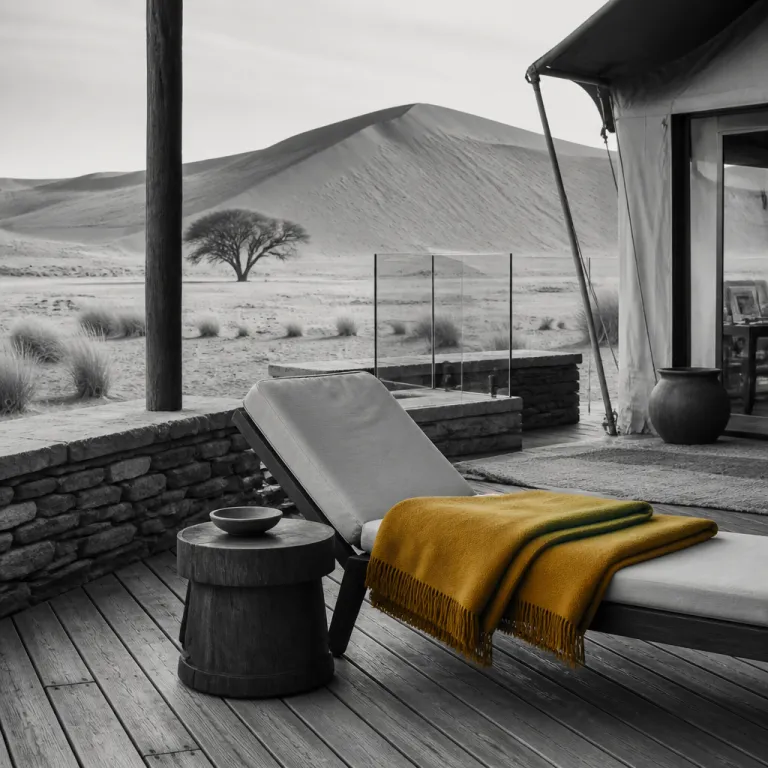
Why luxury travellers are drawn to the Sossusvlei dunes in Namibia
The Sossusvlei dunes in Namibia sit at the heart of the Namib Desert, where luxury travellers find a rare mix of silence and spectacle. These towering sand mountains in the Namib Naukluft landscape create a sculpted sea of ochre that feels both remote and surprisingly accessible for a premium stay. For many guests, a first visit to Sossusvlei Namibia becomes the benchmark for every future desert journey, especially when they first see the sunrise turn the dunes from deep purple to glowing orange.
This area lies inside the Namib Naukluft National Park, one of the largest conservation areas on the continent and home to the famous Sossusvlei dunes and the haunting white clay pan of Dead Vlei. The contrast between the red sand dunes Sossusvlei is known for and the pale vlei floor makes every step feel cinematic, especially when viewed from a nearby desert lodge with panoramic decks. Luxury properties here are designed to frame the dunes, the Tsauchab River valley, and the distant Naukluft mountains without disturbing the fragile desert, often using low-impact lighting and natural materials to blend into the landscape.
Travellers choosing premium accommodation near Sossusvlei Namibia are usually seeking both comfort and access, because the best time of day to experience the dunes is sunrise and sunset. Staying either inside the park or close to the Sesriem gate shortens the road transfer to the main car park at Sossusvlei and to the trailheads for Dead Vlei and Big Daddy dune. This combination of refined lodging, efficient logistics, and world class scenery makes the Sossusvlei dunes Namibia region one of the best areas in the country for high end desert travel and for first-time visitors to the Namib Desert.
Choosing where to stay: inside the park versus private reserves
One of the first decisions for guests planning a trip to the Sossusvlei dunes Namibia region is whether to stay inside the park or in a neighbouring private reserve. Properties such as Sossusvlei Lodge sit just outside the Sesriem gate, offering quick access to the national park while still feeling immersed in the Namib Desert. Other luxury desert lodge options on private land, including well-known names like Little Kulala or &Beyond Sossusvlei Desert Lodge, provide more seclusion, wider safari style activities, and dramatic views over the Namib sand dunes.
Staying inside the park or immediately at the gate gives a crucial advantage for timing, because you can reach the Sossusvlei car park and Dead Vlei before most day visitors arrive from further afield. This early access matters when you want to climb a dune like Big Daddy or Elim Dune in the coolest part of the day and photograph the clay pan while the light is still soft. Guests who value exclusivity sometimes prefer a remote desert camp in a private Namib Naukluft concession, trading a slightly longer road transfer to Sossusvlei for quieter nights and more personalised guiding, such as private sundowner drives or tailor-made walking routes.
For travellers interested in conservation led luxury, several high end properties in the wider Naukluft National region are part of community or conservancy partnerships that channel revenue back into local livelihoods. If you want to understand how local ownership can work at the luxury end of the market, it is worth reading about the four conservancy run lodges model in Namibia. Whether you choose a Sossusvlei lodge near Sesriem or a more remote desert lodge in the Namib, the key is to match your expectations about access, privacy, and the style of safari activities on offer, from scenic drives to guided desert walks.
Understanding the landscape: dunes, vleis, and canyons
The Sossusvlei dunes Namibia region is shaped by the ancient Tsauchab River, which once flowed more regularly through the Namib Desert before being blocked by advancing sand dunes. Today the river rarely reaches the main Sossusvlei vlei, but its dry course still guides the road from Sesriem through the park to the Sossusvlei car park. Along this route, travellers pass some of the highest sand dunes in the world, including the famous Big Daddy dune that towers over Dead Vlei and offers sweeping views across the dune sea.
Dead Vlei itself is a clay pan, a hard white basin where camel thorn trees died centuries ago when the Tsauchab River changed course and left them stranded. The contrast between the dead trees, the bright clay pan floor, and the orange dunes Sossusvlei is known for creates one of Namibia’s most photographed scenes. Nearby, the lesser visited Elim Dune offers a gentler climb and sweeping views over the Namib Naukluft plains, making it a rewarding option for guests who prefer a quieter experience and softer gradients underfoot.
Just outside the main park entrance, Sesriem Canyon cuts a narrow gorge into the desert floor, carved by the same Tsauchab River that feeds the Sossusvlei area. Walking through Sesriem Canyon in the cooler part of the day gives a vivid sense of how water once shaped this national park, even though the surface now appears bone dry. Photographers planning a luxury stay around Sossusvlei Namibia should consider how the changing light affects each feature, and resources such as the guide to the spring photography shift in Namibia can help refine the timing of each excursion.
Planning your visit: timing, access, and daily rhythm
For most travellers, the best time to experience the Sossusvlei dunes Namibia region is at sunrise and sunset, when the low angle light sculpts every dune ridge. Luxury lodges and desert camp properties near Sesriem build their daily rhythm around these hours, arranging early breakfasts and flexible meal times so guests can reach the park gate before opening. If you stay inside the park boundary, you may be able to reach the Sossusvlei car park even earlier, which is a major advantage for photography and quieter walks.
The road from Sesriem to Sossusvlei is partly tarred and partly gravel, with the final stretch to the main vlei and Dead Vlei accessible only by 4x4 through deep sand. Many guests choose to leave their vehicles at the 2x4 car park and use the park shuttles or lodge vehicles for this last section, which reduces stress and protects the fragile dune environment. Planning your day with a professional guide also helps you judge how much time to spend at Big Daddy, Dead Vlei, Elim Dune, and Sesriem Canyon without rushing between sites or missing the best light.
Hot air balloon flights over the Namib Desert are another highlight for luxury travellers, offering a bird’s eye view of the Namib Naukluft sand dunes at first light. These flights usually launch from private land near the park rather than directly above Sossusvlei, but they still reveal the scale of the dunes Sossusvlei is part of and the winding line of the Tsauchab River. Because places are limited and weather dependent, it is wise to coordinate hot air activities with your desert lodge or Sossusvlei lodge at the time of booking rather than waiting until the day of arrival, when availability may be more restricted.
| Logistics detail | Typical range (approx.) |
|---|---|
| Drive Windhoek to Sesriem / Sossusvlei | 5–6 hours by road (about 360 km) |
| Light aircraft flight from Windhoek | 1–1.5 hours (scenic route over the Namib) |
| Transfer Sesriem gate to Sossusvlei car park | 45–60 minutes each way, excluding photo stops |
| Park shuttle 2x4 car park to Sossusvlei / Dead Vlei | 10–15 minutes each way by 4x4 shuttle |
| Typical luxury lodge nightly rate (per person) | From about US$350–900+ depending on season and inclusions |
| Recommended advance booking window | 6–12 months for peak season and balloon flights |
What luxury and premium lodges offer around Sossusvlei
High end properties in the Sossusvlei dunes Namibia region focus on space, privacy, and a strong sense of place rather than urban style glamour. Suites at a typical desert lodge or desert camp are often spread out along low ridges or dry riverbeds, each with wide decks facing the Namib Desert and its rolling sand dunes. Many Sossusvlei lodge options now include private plunge pools, shaded daybeds, and outdoor showers so guests can enjoy the desert air throughout the day, sometimes with uninterrupted views of oryx moving across the plains.
Guided activities usually combine classic safari elements with desert specific experiences, such as nature drives across the Namib Naukluft plains, walks on the lower slopes of a dune, and visits to lesser known vlei systems beyond the main Sossusvlei area. While you will not find the dense wildlife of Etosha, the national park and surrounding private reserves support oryx, springbok, ostrich, and smaller desert adapted species that thrive in the Namib. Many lodges also offer star gazing sessions, because the night sky above Sossusvlei Namibia is exceptionally clear and free from light pollution, with the Milky Way often visible from your private deck.
Service at the best properties tends to be highly personalised, with staff tailoring each day’s plan around your preferred visit times to Sossusvlei, Dead Vlei, Elim Dune, and Sesriem Canyon. Some lodges arrange private breakfasts in the dunes Sossusvlei is famous for or sundowners overlooking the Tsauchab River valley, creating memorable moments without crowds. A common guest memory is returning from a sunrise walk to find a cooled plunge pool, fresh coffee, and a quiet deck waiting, which captures the unhurried rhythm of a luxury desert stay.
Linking Sossusvlei with wider Namibian and regional journeys
Many travellers weave the Sossusvlei dunes Namibia region into a longer itinerary that includes other Namibian highlights and sometimes neighbouring countries. After several days in the Namib Desert, guests often continue by road or air to the coast, the Damaraland region, or the great wildlife concentrations of Etosha National Park. For those interested in combining desert and river landscapes, a stay at a property overlooking the Zambezi National Park pairs beautifully with Sossusvlei, and the detailed review of Victoria Falls Safari Lodge as a luxury stay offers useful context.
Within Namibia itself, the Namib Naukluft and Naukluft National areas around Sossusvlei form just one part of a broader network of protected landscapes. Travellers who appreciate the sculpted sand dunes and stark clay pan of Dead Vlei often find similar drama in the canyons and inselbergs further north, even though the ecosystems differ. Planning with a specialist who understands both the Sossusvlei area and the wider safari circuit helps ensure that each day of travel feels distinct rather than repetitive, particularly on longer itineraries.
Because distances in Namibia are long and road conditions vary, it is important to build realistic drive times between Sossusvlei Namibia and your next destination, whether that is Swakopmund, Windhoek, or a remote desert lodge in another region. Many luxury travellers choose a mix of road transfers and light aircraft flights to reduce fatigue while still appreciating the scale of the Namib Desert from above. Whatever route you choose, the memory of walking across the sand at Sossusvlei, standing in the silence of Dead Vlei, and watching the light change on the dunes Sossusvlei is known for tends to anchor the entire journey and shape how you remember Namibia.
Key statistics about Sossusvlei and the Namib Desert
- The Namib Naukluft National Park covers roughly 49 768 square kilometres, making it one of the largest national parks in Africa and providing extensive protection for the Namib Desert dune systems (figure reported by the Namibian Ministry of Environment, Forestry and Tourism, 2022 protected areas summary).
- Some of the sand dunes near Sossusvlei, including Big Daddy, reach heights of around 325 metres, placing them among the tallest dunes in the world and creating significant elevation gain for hikers (height estimate used by Namibian tourism authorities and cited in official park information boards updated in 2021).
- Average annual rainfall in the central Namib Desert is often below 100 millimetres, which explains the extreme aridity around Sossusvlei and the formation of dry clay pan features such as Dead Vlei (climate data from the Namibia Meteorological Service long-term averages published in 2020).
- Self drive visitors typically cover about 60 kilometres on the road from Sesriem gate to the Sossusvlei car park and back in a day, which helps explain why staying close to or inside the park is recommended for sunrise and sunset visits (distance based on official park signage and the Ministry of Environment, Forestry and Tourism visitor information sheets).
Frequently asked questions about luxury stays near Sossusvlei
What is the best time of year to visit the Sossusvlei dunes in Namibia ?
The cooler months are generally considered the best time to visit the Sossusvlei dunes Namibia region, because daytime temperatures are more comfortable for climbing dunes and walking in the clay pan. Light conditions in these months also tend to be clearer, which benefits photography in places like Dead Vlei and Elim Dune. Regardless of season, sunrise and late afternoon remain the best times of day for excursions.
Do I need a 4x4 vehicle to reach Sossusvlei and Dead Vlei ?
You can drive a standard vehicle from Sesriem gate along the main road through the Namib Naukluft National Park to the 2x4 car park near Sossusvlei. The final stretch through deep sand to the main vlei and Dead Vlei requires a 4x4, but park shuttles and lodge vehicles are available if you prefer not to drive yourself. Many luxury travellers choose guided transfers so they can focus on the scenery rather than the sand.
Is it better to stay inside the park or outside near Sesriem ?
Staying inside the park or immediately at the gate offers earlier access to the Sossusvlei dunes and Dead Vlei, which is valuable for sunrise visits and photography. Lodges just outside Sesriem still provide quick access while sometimes offering a wider range of room types and facilities. The best choice depends on whether you prioritise absolute proximity, broader safari style activities, or a particular style of desert lodge.
How many days should I spend in the Sossusvlei area ?
Most luxury travellers find that two or three nights in the Sossusvlei Namibia region allows enough time to visit Sossusvlei, Dead Vlei, Elim Dune, and Sesriem Canyon without rushing. This duration also leaves space for a hot air balloon flight, a nature drive in the Namib Naukluft landscape, and some relaxed time at your desert camp. Guests with a strong interest in photography or geology sometimes extend their stay to four nights.
Can I combine Sossusvlei with other safari destinations in one trip ?
Yes, Sossusvlei is often combined with Etosha National Park, Damaraland, and the Skeleton Coast in a single Namibian itinerary, sometimes with regional extensions to the Zambezi area. Many luxury and premium hotel booking platforms for Namibia offer sample routes that link the Namib Desert with river and savannah ecosystems. Using a specialist who understands both the Sossusvlei dunes Namibia region and wider safari logistics helps ensure smooth connections between each destination.
Trusted references for further factual information include the Namibian Ministry of Environment, Forestry and Tourism, the Namibia Tourism Board, and the Namibia Meteorological Service, which publish updated figures and visitor guidance on their official channels.
