The quiet revolution in Namibia lodge design architecture
Across Namibia, a new lodge aesthetic is rewriting what luxury means. The most serious properties now treat architecture as a form of editing, stripping away anything that competes with the landscape. For guests used to glass towers and statement lobbies, the first impression can feel almost understated.
This restraint is deliberate, because the desert itself is the primary amenity and every building decision serves that experience. Low horizontal lines echo the dunes, while carefully placed walls frame views of red sand seas, granite outcrops or dry riverbeds where game moves at dusk. When you book a high end game lodge through a platform like mynamibiastay.com, you are not just choosing a bed ; you are choosing a point of view on the Namibian landscape.
Architects working in Namibia talk less about style and more about time, heat and dust. The best architecture design teams start each project by mapping wind, sun paths and seasonal temperatures rather than sketching façades. That is why the most compelling lodges feel inevitable, as if the building had slowly emerged from the ground rather than arrived by truck.
Materials that belong: stone, sand, canvas and the red horizon
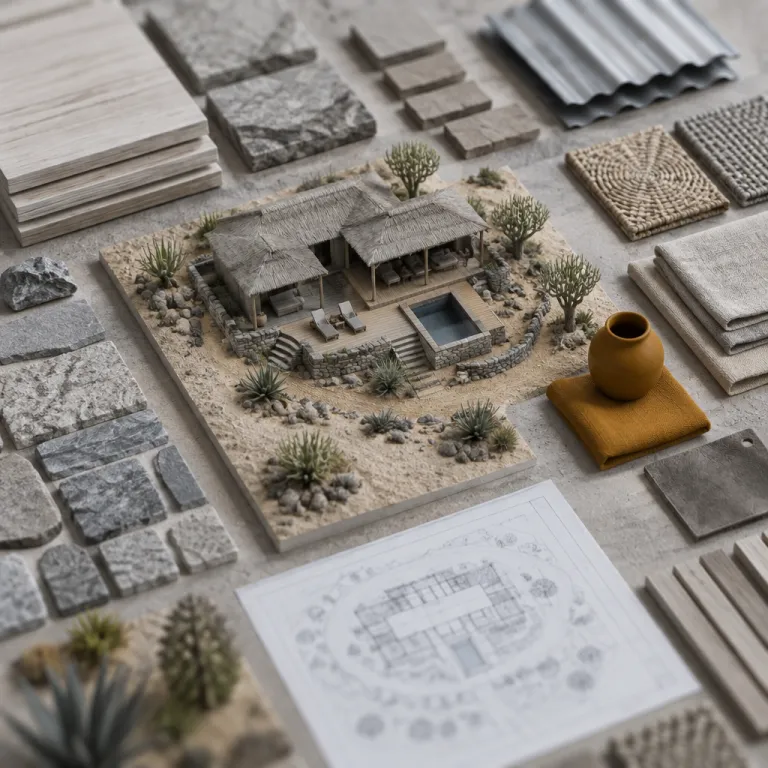
In the Namib and Damaraland, the palette of serious lodge architecture is set by what already lies underfoot. Rammed earth, rough stone and timber are used in thick walls that hold the night’s cool air, while canvas and glass open to the red horizon when the temperature drops. This is not nostalgia for heritage forms ; it is performance driven design that respects physics as much as aesthetics.
Many of the most sought after honeymoon retreats, such as the dune edge properties featured in this guide to Namibian lodges built for two, rely on a similar material language. Roof lines sit low, often following the contours of the rock, so that the building reads as a shadow rather than a statement. When a lodge is genuinely inspired by local geology and vegetation, the architecture will weather into the setting instead of fading against it.
For business leisure travelers, this material honesty is a quick test of intent. If you see imported stone cladding and shiny finishes fighting the dust, you are probably in a themed game lodge rather than a serious desert project. When the materials are local and the architecture design feels calm, you can expect a quieter, more thoughtful experience inside as well.
Form follows climate: why restraint is the new luxury
Namibia’s climate is the real client for every desert lodge, and the best architects accept that from the first sketch. Temperatures swing sharply, water is scarce and the grid often stops hundreds of kilometres away. In this context, a restrained building is not an aesthetic pose ; it is a survival strategy that happens to read as luxury.
Passive cooling shapes almost every serious project in the Namib. Deep overhangs and carefully angled roofs shade glass, while thick masonry walls and shaded courtyards create pockets of cool air where guests can sit without relying on high energy air conditioning. Properties featured in analyses of Sossusvlei’s most elegant desert lodges often use narrow building footprints that encourage cross ventilation, so the wind does the work that machines would do in a city hotel.
Off grid power systems also leave a clear trace on architecture design. Roof planes tilt to catch sun for solar arrays, plant rooms are tucked into the landscape and service routes are shortened to reduce losses over time. When you walk a property and notice how discreetly these systems are integrated, you are seeing the difference between a lodge conceived as a complete building project and one assembled from catalogues.
Inside the rooms: translating desert silence into hospitality
Step inside the best Namibian lodges and the design language tightens rather than loosens. Interiors are pared back, with long sightlines to the landscape and a deliberate quietness in colour and texture. The aim is to let guests hear the wind, not the minibar.
Walls are often finished in limewash or earth toned plaster that softens light, while floors in stone or polished screed stay cool under bare feet after a long game drive. Furniture tends to sit low, echoing the horizontal roof lines outside and keeping the eye level aligned with the horizon where game moves. When textiles pick up the red and ochre tones of the desert, they do so sparingly, so that a single throw or rug carries the story of Namibia without turning the room into a theme park.
For business travelers extending a trip, these interiors offer a different kind of workspace. A long timber desk facing the landscape, a shaded terrace with a power outlet, a quiet reading chair by a screened opening in the wall ; these are the details that signal a lodge designed for adults who work and rest in the same space. If the room layout respects both privacy and view, your overall experience will feel considered rather than improvised.
How to read a Namibian lodge: signals of serious architecture
When you scroll through mynamibiastay.com looking for a lodge in Namibia, the photographs already tell you how seriously each property takes architecture. Start with the relationship between building and landscape ; if the structures sit lightly, following contours and leaving generous gaps for views, the design team has probably spent real time on site. If the roofs are flat and generic, dropped onto the desert like a suburban project, you can expect the interiors to follow suit.
Next, look at how guests move between spaces. Covered walkways that cast patterned shade, small courtyards that trap cool air and carefully lit paths that respect the night sky all indicate a thoughtful architecture design process. A genuine game lodge will also choreograph the transition from vehicle to room, so that the dust and heat of the drive fall away as you pass through a sequence of thresholds and thicker walls.
Finally, pay attention to how the lodge frames wildlife and conservation. Properties that take tracking seriously, such as those highlighted in this piece on desert adapted elephant tracking on foot, often extend the same discipline to their buildings. When viewing decks, hides and shaded terraces are positioned with the wind and animal paths in mind, your experience will feel both more intimate and more respectful of the game that shares the land.
FAQ
What defines the current Namibia lodge design architecture trend ?
The current Namibia lodge design architecture trend is defined by low horizontal buildings, local materials and a focus on passive cooling rather than heavy air conditioning. Architects prioritise stone, earth and canvas that weather into the landscape instead of glossy imported finishes. The overall effect is quiet, allowing the desert to remain the main attraction for guests.
How can I tell if a game lodge is thoughtfully designed ?
A thoughtfully designed game lodge will sit gently in the landscape, with roofs and walls that follow natural contours and avoid blocking key views. Circulation routes feel intuitive, shading is generous and service areas are discreetly integrated into the building project. If the architecture design seems calm and functional rather than themed, your stay will usually feel more refined.
Why do many Namibian lodges use local stone and earth walls ?
Local stone and earth walls provide excellent thermal mass, keeping interiors cooler during the day and warmer at night without excessive energy use. These materials also tie the lodge visually to its surroundings, reinforcing a sense of place and heritage. For travelers, this means more comfortable rooms and a stronger connection to Namibia’s landscape.
Is air conditioning still necessary in high end Namibian lodges ?
Many high end lodges in Namibia still offer air conditioning, especially in regions with extreme heat. However, serious architects design buildings so that passive cooling does most of the work through shading, cross ventilation and carefully oriented roofs. This approach reduces energy demand and creates a more natural, less mechanical experience for guests.
What should business travelers look for when booking a design focused lodge ?
Business travelers should look for lodges where architecture design supports both work and rest, with quiet rooms, good natural light and practical work surfaces facing the landscape. Thoughtful details such as shaded outdoor seating, reliable power points and strong walls for acoustic privacy are key. When these elements align with a restrained, locally inspired aesthetic, the lodge will feel both efficient and deeply relaxing.