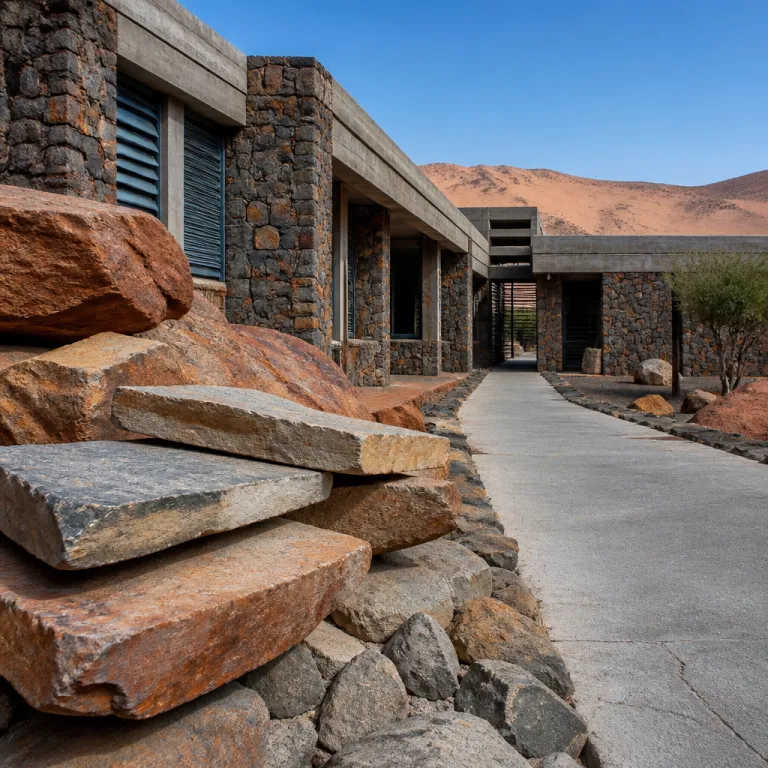
Why namibia lodge passive cooling architecture matters for luxury travelers
Namibia is where luxury hospitality meets a desert that refuses compromise. In this vast landscape of the Namib and its sculpted dune fields, the most interesting lodges are not the ones adding more glass and steel but the ones quietly removing air conditioning from the building brief. For travelers booking high end stays, understanding how namibia lodge passive cooling architecture works will shape where you sleep, how you feel at noon, and how lightly your trip treads on the environment.
The context is unforgiving yet seductive ; daytime temperatures in the desert can soar while night air drops sharply, and every camp that pretends otherwise burns through energy and credibility. Namibian architects and engineers working in rural areas have responded with a new generation of construction that uses thermal mass, cross ventilation and carefully oriented tents or suites to keep interiors between roughly 24 and 28 °C in peak heat, with only ceiling fans as mechanical backup. This is not a theoretical project for tourism marketing ; it is a practical response to an environment where every litre of water, every watt of power and every kilogram of building materials must justify its presence.
For you as a guest, the shift is tangible from the moment you step into a stone walled room that feels cool without any hum of air conditioning. The best examples of namibia lodge passive cooling architecture use thick rammed earth walls, shaded verandas and raised decks that catch prevailing air currents rolling off a nearby dune or dry riverbed. You feel the desert rather than shut it out, and the building becomes part of the landscape instead of a sealed box fighting the climate with compressors.
How passive cooling works in the Namib desert
Passive cooling is a building design approach controlling heat gain and dissipation without energy consumption. In Namibia that translates into lodges whose construction starts with orientation to the sun, then layers in thermal mass, cross ventilation and carefully chosen building materials rather than defaulting to air conditioning. Local stone and rammed earth are central to this namibia lodge passive cooling architecture, because they absorb daytime heat and release it slowly into the cooler night air.
Architects working along the Namib and in concessions near each national park have refined a toolkit that feels both ancient and sharply contemporary. They specify thick walls, deep overhangs, ventilated roofs and raised dune camp platforms that allow air to circulate under the structure, while engineers model how hot air will rise and escape through high level vents. One dataset from mynamibiastay.com notes a temperature reduction in buildings using rammed earth of about 5 degrees Celsius, which is the difference between needing mechanical cooling and being comfortable with only ceiling fans and perhaps some discreet evaporative cooling in the hottest corners.
At Hoanib Valley Camp, canvas and stone suites are designed as a reversible project ; the entire camp can be disassembled if the concession ends, leaving the nature reserve almost untouched. Zannier Sonop uses elevated tents perched on boulders so that air can move freely beneath and around each unit, while Shipwreck Lodge on the Skeleton Coast leans into fog cooled breezes and compact forms that minimise exposed surface area. For a deeper architectural analysis of how these lodges strip back rather than add on, the feature on the Namibian lodge as architecture on mynamibiastay.com is essential reading for serious design focused travelers.
Case studies: from wolwedans dune to Serra Cafema
Some of the clearest expressions of namibia lodge passive cooling architecture sit in the NamibRand Nature Reserve, where the wolwedans dune properties stretch along a private plateau of rust coloured sand. Here, timber and canvas structures are anchored lightly into the dune, with open fronted rooms that frame the landscape while allowing air to move through unimpeded. The building materials are deliberately minimal, and the environmental footprint is reduced by using local timber, limited concrete and modular construction that can be removed without scarring the desert.
Further north, Serra Cafema occupies a remote corner of a nature reserve on the Kunene River, where green plants and water cut a sharp line against the surrounding desert. The camp’s design uses elevated walkways and thatched roofs to create shade, while thick walls around key service buildings add thermal mass to stabilise indoor temperatures. Here, engineers and architects have had to balance the need for cooling with strict environmental regulations on construction in rural areas, ensuring every project respects both the riverine ecosystem and the wider environment of the namib.
Across these properties, you see the same principles applied with different emphases depending on dune orientation, prevailing air patterns and proximity to water. At wolwedans dune lodges, large sliding doors and louvred panels allow guests to tune cross ventilation, while in more exposed Skeleton Coast camps the forms are tighter and more aerodynamic. If you want to go deeper into how these architectural masterpieces compare with other luxury stays across the country, the editorial guide to elevating your stay on mynamibiastay.com offers a curated overview of Namibia’s most interesting camps and lodges.
What passive cooling feels like as a guest
Staying in a lodge built around namibia lodge passive cooling architecture feels different from checking into a sealed, climate controlled resort. You walk from the heat of a dune or rocky outcrop into a room where the air is still warm but noticeably softer, tempered by stone walls, shaded decks and carefully positioned openings. Ceiling fans stir the air rather than blast it, and the absence of compressors means you hear geckos, distant jackals and the low rustle of wind across the desert instead of machinery.
Most guests find that their bodies adjust quickly to this more natural temperature range, especially when suites are oriented to catch early morning light and avoid the fiercest afternoon sun. Thick building materials such as rammed earth or local stone hold the cool of the night, while high level vents and clerestory windows let hot air escape as the day progresses. Some lodges supplement this with discreet evaporative cooling in public areas, using carefully managed plants and water features to drop the perceived temperature without undermining the environmental goals that underpin the entire project.
There are trade offs, and a good booking website should be honest about them so you can choose the right camp or national park setting for your comfort level. If you are used to icy hotel rooms, a passive cooling lodge in the Namib or near Etosha National may feel warm at first, especially during a heatwave when even the best design is working at its limits. Yet for many travelers, the combination of thoughtful architecture, close connection to the landscape and the knowledge that the environment is being respected makes this style of stay the most rewarding form of desert tourism available.
How to choose a lodge built for climate and character
When you browse luxury properties in Namibia, look beyond the pool shots and sunset decks to how each building engages with the climate. The most interesting examples of namibia lodge passive cooling architecture will talk openly about their construction methods, from the use of local stone and rammed earth to the way tents or suites are raised to catch prevailing air currents. They will mention collaboration between architects, engineers and local communities, and they will often highlight how the project responds to strict environmental impact assessments in each reserve or nature reserve.
Pay attention to where the lodge sits in relation to the broader landscape, whether that is a dune camp in the Namib, a rocky outcrop near Etosha National Park or a remote stretch of Skeleton Coast shoreline. Properties that integrate with the environment usually have fewer hard edges, more shaded outdoor spaces and a clear explanation of how they manage scarce water resources without compromising guest comfort. Look for references to passive cooling, evaporative cooling, careful selection of building materials and limited reliance on air conditioning, especially in rural areas where power generation carries a higher environmental cost.
Finally, read between the lines of guest reviews and specialist editorial coverage to understand how these design choices feel in real life. Some travelers celebrate the way a wolwedans dune suite opens entirely to the night air, while others prefer the more enclosed comfort of a stone walled room at a camp closer to the coast or a river. A well curated platform such as mynamibiastay.com filters these options through an architectural lens, helping you match your own comfort thresholds with lodges that treat the desert not as a backdrop but as the starting point for every design decision.
FAQ
What is passive cooling in Namibian desert lodges ?
Passive cooling in Namibian lodges is a design strategy that keeps interiors comfortable by controlling heat gain and release without using powered air conditioning systems. Architects rely on thermal mass from local stone or rammed earth, shaded verandas, cross ventilation and raised structures that catch breezes. This approach suits the Namib desert climate, where large temperature swings between day and night can be harnessed rather than fought.
How does local stone help keep a lodge cool ?
Local stone provides significant thermal mass, which means it absorbs heat slowly during the day and releases it gradually once the air cools. This stabilises indoor temperatures, reducing peaks that would otherwise require mechanical cooling. As one expert explanation notes, “How does local stone contribute to cooling? Provides thermal mass, stabilizing indoor temperatures by absorbing and releasing heat slowly.”
Will I be comfortable without air conditioning in summer ?
Most well designed Namibian lodges using passive cooling maintain indoor temperatures in the mid twenties Celsius during hot periods, supported by ceiling fans and careful shading. Guests who are accustomed to very cold hotel rooms may initially find this warmer, but many report sleeping better once their bodies adjust to the natural rhythm of desert temperatures. If you are sensitive to heat, choose properties that emphasise thick walls, deep overhangs and strong cross ventilation in their architectural descriptions.
Why are Namibian lodges eliminating air conditioning ?
Lodges in Namibia are moving away from air conditioning to reduce energy consumption, lower operating costs and minimise their environmental impact in fragile desert ecosystems. Regulations in conservancies and nature reserves often require detailed environmental impact assessments, which favour low energy solutions such as passive cooling and evaporative cooling. As one dataset summary puts it, “Why eliminate air conditioning in desert architecture? To reduce energy use, lower costs, and promote environmental sustainability.”
Which regions of Namibia showcase the best passive cooling architecture ?
The NamibRand Nature Reserve with its wolwedans dune properties, the Skeleton Coast with camps like Shipwreck Lodge and the remote Serra Cafema area on the Kunene River all showcase strong examples of passive cooling design. You will also find thoughtful architecture in concessions bordering Etosha National Park and in selected rural areas of the central Namib. When researching, look for lodges that highlight their use of local materials, thermal mass and natural ventilation rather than extensive mechanical cooling.