Why Twyfelfontein deserves more than a quick stop
Twyfelfontein in northwestern Damaraland is often treated as a brief pause between game drives and sundowners. Yet any serious Twyfelfontein rock engravings guide will tell you that this sandstone amphitheatre in Namibia holds one of the densest concentrations of hunter gatherer rock art in Africa. Give the site time and it becomes less a checklist and more a conversation with people who stood here thousands years before you.
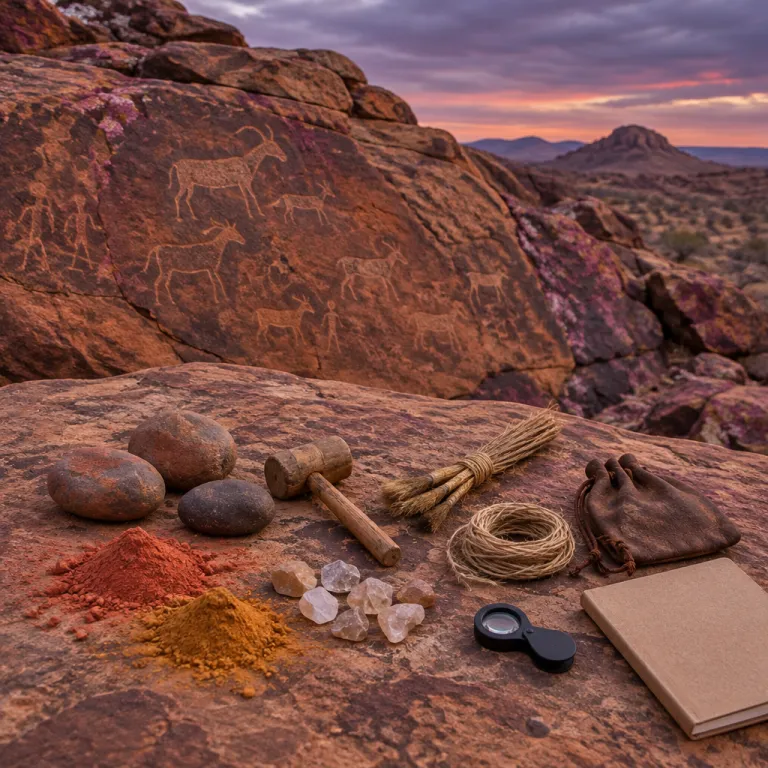
The official Twyfelfontein Namibia heritage site lies above the Aba Huab valley, where a rare spring once drew San people and Damara herders into the same desert basin. That permanent spring is why the rock engravings cluster so tightly here, and why the rock itself feels almost warm with memory under the late afternoon light. When you visit Twyfelfontein with a patient guide, the engravings, the rock carvings and the surrounding desert start to read like a layered archive rather than a static open air gallery.
This is not just another stop on a southern Africa safari circuit ; it is Namibia UNESCO history written into stone. Twyfelfontein rock panels show animals, abstract patterns and hunting routes that predate most written records on the continent, and the engravings Twyfelfontein holds are still studied by archaeologists. For a solo visitor who values cultural depth, the site offers a rare chance to stand exactly where San people once mapped their world, and to feel how a single rock can hold both art and orientation.
How to read the rock engravings with the right guide
Arriving at the visitor centre, you step from the car park into a low stone complex that almost disappears into the rock. This modest visitor centre is where your official Twyfelfontein rock engravings guide meets you, and where the story of the heritage site quietly begins. A good guide does not rush ; they calibrate the pace to the heat, the light and the questions of each visitor.
On the first panel, the guide will usually point out the lion man figure, a lion with a human hand at the end of its tail that has become an emblem of Twyfelfontein Namibia. That single lion carving opens a door into San cosmology, where animals and people share attributes and the rock art becomes a record of spiritual as well as physical journeys. When the guide traces the air just above the rock engravings, never touching the surface, you start to see how the engravings, the rock and the desert form one continuous cultural landscape.
Many panels show animals that still move through Damaraland, from giraffe and rhino to the desert adapted elephant that guests hope to see from their lodges. Others depict animals no longer present in this part of Namibia, and your guide will explain how San people used these rock carvings as teaching tools and route markers. For travellers interested in community run hospitality, this is also the moment to ask about nearby conservancy lodges and how local Damara communities manage both tourism and heritage, a topic explored in depth in our review of four conservancy run lodges at the luxury end.
Timing, light and the rhythm of an afternoon visit
Most travellers hear that early morning is best for any desert site, and for wildlife that is usually true. Twyfelfontein rock panels, however, reward a different rhythm, and any thoughtful Twyfelfontein rock engravings guide will nudge you toward a late afternoon visit. When the sun drops behind the Damaraland ridges, the engravings Twyfelfontein holds gain contrast, and the shallow pecked lines suddenly stand out against the rock.
Plan to arrive at the site by mid afternoon, allowing time at the visitor centre before your guided tours depart along the marked trails. The heat softens, the wind often calms, and the rock itself shifts from pale orange to deep rust as the desert light changes. In that window, the rock art becomes easier to photograph without harsh glare, and the guide can show you subtle details like faint animal tracks and the fine lines around the lion man figure.
Pairing an afternoon visit Twyfelfontein with a slow morning in camp works well for luxury travellers who value both comfort and cultural immersion. Many high end lodges in this part of Namibia offer flexible schedules, so you can rest through the early morning heat in green season or explore nearby features like the organ pipes and burnt mountain when the light is softer. For those planning a broader itinerary that balances seasons, wildlife and heritage, our dedicated piece on planning a green season Namibia trip helps you understand when Damaraland roads, riverbeds and desert routes are at their most forgiving.
Linking Twyfelfontein with Damaraland lodges and wider Namibia
For many visitors, Twyfelfontein is one stop in a longer Damaraland arc that might include the organ pipes, burnt mountain and the Aba Huab riverbed in search of desert elephants. The best luxury lodges in this part of Namibia understand that the heritage site is not a box to tick but a cultural anchor, and they work closely with local Damara and San guides. When you choose a property, ask how they structure their guided tours to the site, and whether they support the visitor centre and community projects.
Some lodges sit close enough to Twyfelfontein rock formations that you can see the same sandstone layers from your terrace, while others are tucked deeper into the desert for privacy and views. Either way, a strong Twyfelfontein rock engravings guide will help you connect the engravings, the rock carvings and the surrounding animals you may encounter on drives, from oryx on the plains to the occasional lion track near dry riverbeds. This is where Namibia UNESCO status becomes tangible, as you realise that the heritage site is part of a living ecosystem rather than an isolated monument.
Solo travellers often route from Damaraland toward the coast, and a night or two in Swakopmund offers a different kind of cultural layering after the desert. Our detailed look at Swakopmund city coastal elegance for luxury stays explains how to choose a property that matches the quiet intensity of your Twyfelfontein visit. From there, you can continue south through other Namibia UNESCO landscapes or loop back inland, carrying the memory of those rock engravings as a reference point for every other site you visit.
Etiquette, conservation and reading a living heritage site
Walking the marked paths above the spring, you quickly see why strict etiquette matters at this heritage site. The rock engravings sit on exposed sandstone slabs, and even a single touch can leave oils that trap dust and moisture on the rock surface. Guides are trained to keep visitors on the trails and to use hand gestures above the engravings, never on them, so follow their lead without negotiation.
This is not a museum frozen in time ; it is a place where Damara and San people still feel a cultural connection to the animals, the rock and the stories carved here. When your Twyfelfontein rock engravings guide explains a panel, listen for how they speak about people rather than just "artists" or "hunters". That language shift reminds you that the engravings Twyfelfontein preserves are part of a longer human presence in southern Africa, not an anonymous prehistoric backdrop for your holiday photographs.
Respect extends beyond the rock art itself to the wider desert and the animals that move through it, from small lizards warming on the rock to the occasional lion passing through the Aba Huab valley at night. Stay on paths, keep noise low and treat the visitor centre staff as custodians rather than service personnel. In doing so, you honour both the namibia unesco status of the site and the living communities who continue to guide, interpret and protect Twyfelfontein rock for future visitors.
FAQ
Why is Twyfelfontein considered so important for rock art in Africa ?
Twyfelfontein in Damaraland holds more than 2,500 individual rock engravings on over 200 sandstone blocks, making it one of the largest concentrations of hunter gatherer rock art in Africa. The engravings include animals, human figures, abstract patterns and the famous lion man motif, offering rare insight into San people cosmology and movement. This density and diversity led to its recognition as a Namibia UNESCO World Heritage Site and a key reference point for southern Africa rock art research.
Do I really need a guide to visit Twyfelfontein rock engravings ?
Access to the main Twyfelfontein rock engravings is only allowed with an accredited guide from the visitor centre, and this is a benefit rather than a limitation. A knowledgeable Twyfelfontein rock engravings guide helps you read subtle details in the rock carvings, from animal tracks to directional symbols that would otherwise look like random lines. They also explain cultural context, conservation rules and the relationship between the spring, the desert and the people who engraved the site thousands years ago.
When is the best time of day to visit Twyfelfontein ?
While early morning is cooler, late afternoon usually offers the best balance of temperature, light and visibility for the engravings. As the sun drops, the low angle light casts gentle shadows in the pecked lines, making the rock art easier to see and photograph without harsh glare. Many luxury lodges in Damaraland therefore schedule guided tours to arrive at the site in mid to late afternoon, returning to camp around sunset.
How should I behave to help protect the rock engravings ?
Stay on marked paths, follow your guide closely and never touch the rock engravings, even lightly. Oils from human skin can trap dust and moisture on the rock surface, accelerating erosion of lines that have survived for thousands years in the desert climate. Keep noise low, avoid placing bags or tripods on panels and treat the visitor centre staff and guides as custodians of a living cultural landscape.
Which lodges work well for a Twyfelfontein focused stay ?
Several high end lodges in Damaraland sit within easy driving distance of Twyfelfontein Namibia, often combining visits to the heritage site with drives in the Aba Huab riverbed in search of desert adapted elephants. When choosing, ask how they structure their guided tours, whether they support local Damara communities and how they coordinate with the official visitor centre. Properties that prioritise smaller group sizes and flexible timing will give you more space and better light to engage deeply with the rock art and the wider desert landscape.