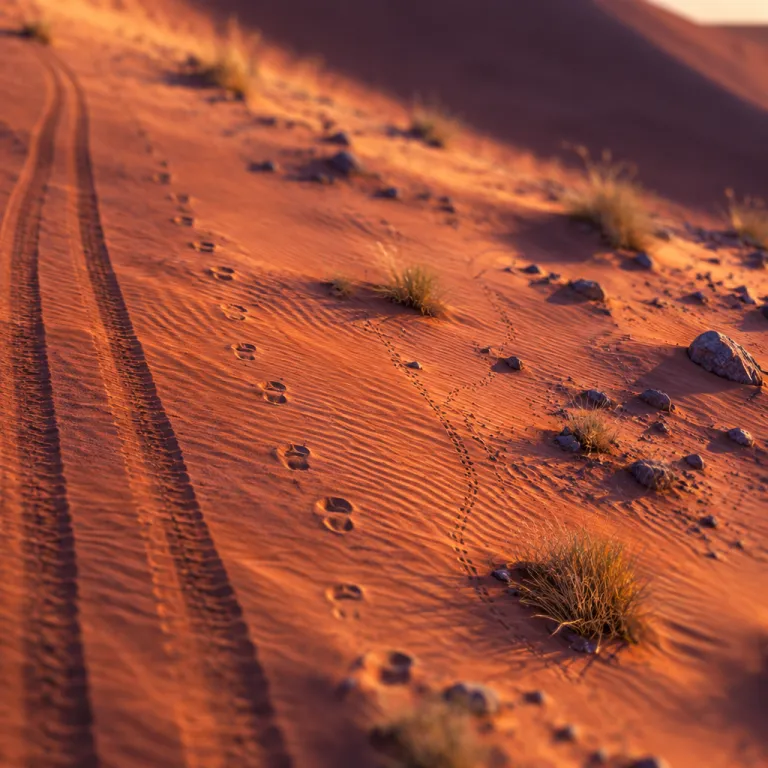
Why a guided desert walk changes how you see the Namib
A Namibia guided desert walk at dawn shrinks the landscape to human scale. Leaving the lodge while stars still hang over the Namib Desert, you step out at temperatures that can sit between 8–15°C (46–59°F) in winter and a little higher in summer, and the dunes stop being a backdrop and start becoming a textured, living surface under your boots. On foot, each patch of sand tells a story that long game drives across the park will simply glide past.
Luxury travelers often arrive in Namibia from Cape Town or South Africa expecting only sweeping safari vistas and dramatic drives. A dawn walk in the Namib Naukluft area or near Sossusvlei desert lodges instead reveals how insects, beetles and lizards use fog, shade and the highest sand ridges to survive each day. That shift from wildlife safari spectacle to quiet observation is exactly what makes these guided walks the most memorable part of many Africa itineraries, especially for guests who thought they had already “done” the desert from a vehicle.
On a vehicle safari you cover many kilometres in a few hours, yet the desert can still feel strangely distant. Walking beside your guide in the early light, you notice how each ripple of sand changes colour, how a single plant clings to a slope that yesterday’s wind reshaped. This is where the Namib, one of the world’s oldest deserts at around 55–80 million years old according to the Geological Society of Namibia, stops being a postcard and becomes a precise, legible environment that rewards patience over speed.
First light over the dunes: why timing matters more than distance
Dawn in the Namib Desert is not a romantic extra; it is the operating system of the landscape. Before sunrise, temperatures sit low enough for you to walk comfortably across soft sand dunes while the first light brushes the crests above Sossusvlei. As the sun lifts, the colour of the dunes shifts from muted violet to deep orange, and the scale of the desert suddenly becomes clear in a way no mid morning drive can match, even if you cover far more ground by 4x4.
Guides schedule a Namibia guided desert walk at first light because this is when moisture from the Atlantic fog still clings to the sand. That moisture fuels the survival strategies you come to see, from beetles tilting their bodies to collect droplets to plants that pull water from the air rather than the ground during the coolest part of the day. A senior guide in the NamibRand Nature Reserve describes it simply: “If you miss the first two hours of light, you miss half the story the desert is trying to tell.” The same timing makes a later climb of a famous Sossusvlei dune, such as the one described in this detailed guide to climbing Dune 45 for a refined desert stay, feel more meaningful because you already understand how each grain of sand has moved overnight.
As the hours pass, the desert changes from hospitable to harsh with startling speed. By mid morning, the heat reflecting off the dunes can push ground temperatures above 30°C (86°F) even when the air still feels mild, turning even a short tour into a test of endurance, which is why the best lodges keep guided walks to a few hours and retreat to shade for meals and breakfast afterwards. Those who have only experienced the Namib from vehicles often underestimate how quickly the day becomes too hot for safe walking, especially for solo travelers who are used to cooler city climates and underestimate how soft sand multiplies effort.
The guide as interpreter: turning empty sand into a dense narrative
On a Namibia guided desert walk, the most valuable luxury is not the lodge infinity pool but the guide who walks ahead of you, reading the sand like a book. The dataset for these experiences is not digital; it is written in tracks, moisture patterns and the faint marks left by nocturnal insects that crossed the dune face before dawn. Your guide’s role as interpreter is what transforms an apparently empty stretch of Namib into a dense narrative of survival that you would never decode alone.
One moment you are looking at a blank slope of sand, and the next your guide is tracing the path of a gecko that hunted beetles under the cool fog layer during the night. They kneel, scoop a handful of grains and show how the top layer has already warmed while the deeper sand remains cold, explaining why certain lizards move only at specific times of day. This is where the official guidance that “Will I see big animals on a walk? Rarely; focus is on small creatures, tracks, not large mammals” becomes not a limitation but a promise of detail, backed by park regulations that prioritise low-impact, small-group walking in sensitive dune systems.
For travelers who have already enjoyed wildlife safari game drives in Etosha National Park or even Kruger Park, this focus on the small can feel radical. Yet the same guiding discipline that keeps you safe around big game on drives is what allows some concessions to offer carefully controlled tracking of desert adapted elephants on foot, as outlined in this specialist piece on tracking desert adapted elephants with the right protocols. In both cases, the guide’s expertise turns risk into structured experience, whether you are following a beetle’s trail across a dune or reading the distant signs of larger animals from a safe distance.
From Windhoek to the Namib: how luxury lodges shape the walking experience
Most high end desert lodge stays begin in Windhoek, where international airport arrivals connect smoothly to light aircraft flights or long overland drives. Whether you fly directly from Johannesburg after time in South Africa or route via Cape Town with a Table Mountain city break, the transition from urban Africa to the Namib Desert is dramatic. Within a few hours, you move from glass towers and paved streets to a landscape where sand dunes run unbroken to the horizon and night skies meet International Dark Sky Reserve standards in several private conservancies.
Luxury properties in the Namib Naukluft and Naukluft National Park fringes design their itineraries around this contrast, pairing afternoon game drives with early morning guided walks. A typical day might start with coffee before dawn, followed by a three hour walk across the dunes covering roughly 3–6 kilometres, then a return to the lodge for generous meals and breakfast served on a shaded deck overlooking the desert. Later, you might join a scenic tour by vehicle to Sossusvlei or the nearby sossusvlei desert pans, where the highest sand ridges frame bleached camelthorn trees in a natural amphitheatre of silence.
Some of the most atmospheric properties sit within private reserves bordering the Namib Naukluft Park, where drives are limited and walking is emphasised as the primary way to experience the landscape. If you value dark skies and quiet over busy bar scenes, consider the curated stays highlighted in this guide to refined desert luxury in the NamibRand Nature Reserve. These lodges understand that for many solo travelers, the real luxury is not another wildlife safari but the chance to walk out with a guide at first light and feel the desert wake up around them, then return to a hot shower and a well-made espresso.
Planning your walk: safety, fitness and the solo traveler’s pace
For all its beauty, the Namib Desert demands respect, and a Namibia guided desert walk is carefully structured to keep you safe. Distances are modest, usually a few kilometres over two or three hours, but the combination of soft sand and rising heat means you feel every step more than you would on a city trail. Guides brief you clearly on pace, hydration and what to expect, so you can focus on the experience rather than the logistics, and reputable operators follow Namibia Tourism Board safety recommendations on group size and radio contact.
Operators emphasise that “Is walking safe at dawn? Yes with trained guides and established trails” because they keep to known routes and read conditions constantly. You will be asked to wear closed shoes, carry water and dress in layers, since the chill before sunrise can give way to intense warmth by mid morning on even the shortest days. For solo travelers, this structure offers a reassuring framework; you walk with a small group or privately with a guide, yet the silence of the desert still feels entirely your own, and your pace is adjusted to the slowest walker rather than to a rigid timetable.
Many itineraries pair a few days in the Namib with time at Fish River Canyon or the Fish River area, or with classic wildlife safari drives in Etosha National Park and even cross border extensions to Kruger Park. Some travelers add a river canyon hike or a scenic flight over the dunes to see how the patterns you walked through look from the air, while others prefer slow drives between lodges to feel the distance across southern Africa. Whatever your route, the key is to treat the guided walks not as an optional extra but as the central thread that ties your Namibia travel story together, anchoring the more dramatic highlights in quiet, detailed encounters on foot.
How a dawn walk fits into a wider Namibia and southern Africa itinerary
Designing a high end itinerary around a Namibia guided desert walk means thinking in contrasts rather than checklists. One day you might be tracing beetle tracks in the Namib Desert at first light, and a few days later you could be watching elephants on game drives in Etosha National Park or Kruger Park. The shift from micro scale desert life to big game safari sightings keeps the journey across southern Africa feeling layered rather than repetitive, especially when you alternate walking days with vehicle-based excursions.
Many travelers fly into Hosea Kutako International Airport near Windhoek, then connect by light aircraft to a desert lodge before looping south to Fish River Canyon or north to Etosha. Others arrive from Cape Town after a few days exploring Table Mountain and the city’s food scene, using a short flight to Namibia as a reset from urban energy to desert stillness. In both cases, the walks at dawn become the quiet centre of the trip, the moments you remember more vividly than the long drives or the included flights between parks, because they slow the pace of travel to the rhythm of your own footsteps.
When you look back, it is rarely the transfer from the airport or the exact number of days in each lodge that stays with you. It is the way the sand felt cold under your boots before sunrise, the way the guide’s hand hovered over a line of tiny tracks, the way the dunes glowed as the day began. That is what a guided walk in the Namib offers that even the most dramatic drives through Africa’s national parks cannot replicate, and why many repeat visitors quietly plan their entire return itinerary around those first two hours of light.
FAQ
Will I see large animals on a guided desert walk in the Namib?
Large mammals are rarely the focus of a Namibia guided desert walk, because the Namib Desert environment supports fewer big animals than savannah parks. You are more likely to see tracks, insects, lizards and specialised plants that reveal how life survives on minimal moisture. For big game viewing, plan separate wildlife safari drives in areas such as Etosha National Park or other reserves designed for vehicle based sightings, where regulations and infrastructure support close but controlled encounters.
Why is dawn considered the best time for a desert walk?
Dawn offers cooler temperatures, softer light and a brief window when fog and moisture still cling to the sand. Many desert creatures are most active at night and leave fresh tracks that are easiest to read in the first light of day. As the sun climbs, heat builds quickly, so responsible lodges end guided walks by mid morning for both comfort and safety, often returning guests to the lodge by around 09:30–10:00.
How fit do I need to be for a guided walk in the Namib Desert?
Most guided walks are designed for guests with moderate fitness who can manage a few kilometres over uneven, sandy terrain. Walking on dunes is more demanding than on firm ground, so guides set a slow, steady pace with frequent stops to interpret tracks and features. If you have specific concerns, discuss them with your lodge in advance so they can tailor the route or suggest alternative activities such as shorter interpretive strolls near the lodge.
What should I wear and bring on a dawn desert walk?
Closed walking shoes, layered clothing, a hat and sunscreen are essential, because temperatures shift quickly from cold to warm. Lodges usually provide water, but carrying your own bottle and a light daypack helps you stay comfortable. Binoculars are useful for spotting birds and small creatures, and a simple scarf or buff can protect your face when the wind lifts sand from the dunes or when you pause on a ridge to watch the sunrise.
How does a desert walk compare to a game drive in terms of experience?
A game drive covers more distance and often focuses on larger animals, while a guided desert walk slows everything down to highlight small scale life and subtle ecological patterns. On foot, you feel the texture of the sand, hear the silence and notice details that are invisible from a moving vehicle. Many travelers find that combining both experiences gives the most complete understanding of Namibia’s varied landscapes, from the red dunes of the Namib to the open plains of Etosha.
References
Namibia Tourism Board; Namib Naukluft Park management information; Etosha National Park official visitor guidelines; Geological Society of Namibia overview of desert formation.