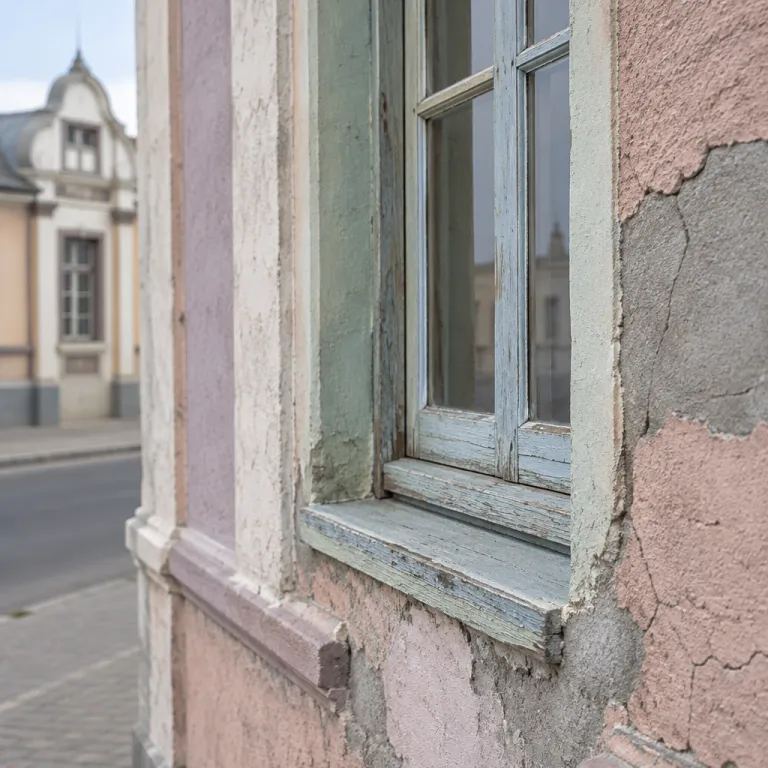
Reading Namibia’s German century from your hotel doorstep
Namibia’s German colonial architecture sits in front of many luxury hotels, shaping how your first walk through Windhoek or Swakopmund actually feels. The façades look almost European at first glance, yet the context of colonial rule and the 1904–1908 genocide of the Herero and Nama peoples means these streets are never just pretty backdrops for a romantic city stroll. When you book a premium stay in Windhoek Namibia or on the Atlantic coast, you are also booking into a landscape where colonial buildings, new African institutions and desert light all share the same urban spaces.
In Windhoek, German colonial authorities once planned a compact civic core, and several of today’s five star properties sit within easy walking distance of that original grid. Christuskirche, the sandstone Lutheran church that anchors the skyline, is often the first item on a city tour, its architecture German in style yet adapted to Namibian light with pale brown stone and sharp shadows. Around it, you will notice colonial architecture in the form of former administrative buildings, now repurposed as museums, offices and cultural centres that hold both painful memory and everyday life.
Swakopmund tells a different story, where the seaside air and half timbered German colonial era houses create a resort town that feels almost detached from the desert behind it. Here, colonial buildings line streets that lead from your ocean facing suite to the pier, and the German character of the town is used by the tourism sector as a nostalgic selling point. That nostalgia is part of the content you are walking through, yet the full story includes forced labour, land dispossession and the long shadow of genocide that still shapes how local Namibians talk about these buildings.
Windhoek’s colonial core from a luxury base
Staying in central Windhoek Namibia places you within a few hundred metres of the densest cluster of colonial buildings in the country. From a rooftop pool or a quiet lounge, you can trace how architecture German planners favoured — Wilhelminian eclecticism, neo Romanesque and Gründerzeit forms — still structures the city centre’s sightlines. Heritage studies summarise this clearly in one key line: “Why do colonial buildings remain central in Windhoek city centre? The answer is legal, economic and planning inertia plus national identity compromises.”
Walk out from your hotel and you move quickly between original German colonial era structures and post independence monuments such as the Independence Memorial Museum and the Parliament Gardens, a contrast that makes any honest review of the city’s architecture more layered. The former administrative buildings, with their steep roofs and ornate gables, now host ministries, galleries and archives, turning colonial architecture into working spaces rather than frozen museum pieces. Many visitors find that this proximity allows a slow morning of urban exploration before heading back to the hotel for spa time, a gentle touch that balances cultural intensity with comfort.
For travellers who care about context, the most rewarding content in Windhoek is often found in small details rather than grand vistas. Read the plaques on civic buildings and memorials carefully, because the print sometimes reflects older narratives that underplay colonial violence, while newer installations push for more inclusive memory. When you choose a luxury property here, ask whether the concierge can arrange a guided walk with a local historian or a guide linked to institutions like the National Museum of Namibia, someone who can speak about both the architecture German engineers left behind and the living communities that now inhabit these brown stone streets.
Swakopmund’s seaside charm and its uncomfortable shadows
Swakopmund’s appeal for many luxury travellers lies in the contrast between Atlantic mist and desert dunes, with Namibia’s German colonial architecture providing a photogenic frame for slow days between excursions. The harbour quarter and the streets behind it are lined with colonial buildings whose turrets, balconies and pastel façades echo European resort towns, yet the town’s history as a key port in the German colonial project is never far away. When you book a premium guesthouse or oceanfront hotel here, you are stepping into a town where tourism uses colonial nostalgia as a brand, while local Namibians negotiate what that nostalgia means.
A thoughtful day in Swakopmund might start with a walk from your hotel through the historic centre, noting how each item of street furniture, each restored façade and each museum sign participates in a particular narrative. Heritage researchers describe this as “reading architecture honestly by linking beauty with colonial violence”, and that phrase is a useful warranty against slipping into uncritical admiration. You can enjoy the clean lines and careful proportions of the architecture German builders brought, yet still hold space for the knowledge that these buildings were financed by an extractive system that culminated in genocide against the Herero and Nama peoples.
Many high end properties now collaborate with local guides who offer context rich tours that move beyond simple photo stops, and these experiences often feel more valuable than any printed brochure. Ask specifically for a guide who addresses how tourism packaging of German colonial heritage intersects with contemporary Namibian identity, rather than one who only highlights European style cafés and bakeries. Between walks, retreat to your suite, where the design may echo the stripped back desert aesthetic explored in pieces such as the Namibian lodge as architecture essay on new generation minimalism, a reminder that current hospitality trends are moving away from colonial pastiche toward more grounded forms.
Holding beauty and violence in the same frame
Engaging with Namibia’s German colonial architecture as a luxury traveller means accepting that no building here is a neutral object, however graceful its lines. The Herero Nama genocide, which lasted from 1904 to 1908 during the German colonial period, is not an abstract historical footnote but a lived memory that shapes how many local Namibians see these streets. When you admire colonial architecture in Windhoek or Swakopmund, you are also looking at the physical infrastructure of a system that attempted to erase communities whose descendants now guide tours, run hotels and curate museums.
Responsible visitors often ask how to balance their own aesthetic pleasure with respect for that history, and the answer usually lies in listening more than speaking. Visit museums and memorials that foreground Namibian voices, such as the Independence Memorial Museum in Windhoek or the Swakopmund Museum on the seafront, and treat each exhibit as a carefully chosen content item in an ongoing public conversation about memory, justice and urban space. Some displays use archival photographs and facsimile print documents from the German colonial era, while others highlight oral histories that push back against earlier publishing traditions which romanticised the so called civilising mission.
In both cities, debates continue about whether to remove, rename or recontextualise certain colonial buildings and monuments, and your hotel may sit within sight of contested statues or renamed streets. Rather than seeking a simple verdict in your own private review, consider how your presence and spending can support institutions that work toward more inclusive heritage practices. Choosing locally owned lodges that commission original Namibian art, or staying in properties that partner with heritage bodies and community researchers, is one quiet but meaningful touch that aligns your trip with the country’s long project of reframing public memory.
From colonial façades to contemporary Namibian design
One of the most interesting shifts in Namibia’s high end hospitality scene is how new lodges and hotels reference German colonial architecture only indirectly, if at all. Instead of copying half timbered façades or steep tiled roofs, many architects now work with local stone, rammed earth and passive cooling strategies that respond to climate rather than to European nostalgia. Articles on passive cooling and local stone in Namibian architecture show how designers are eliminating air conditioning from desert properties, creating spaces where thick walls, deep verandas and careful orientation do the hard work.
For travellers, this means you can spend your nights in thoroughly contemporary suites while using your days to walk through the colonial core, treating each environment as a different chapter in the same story. A piece on who designs the Namibian desert lodge aesthetic explains how many of the country’s most interesting architects are deliberately stripping back ornament, a quiet refusal of the visual excess that once signalled German colonial power. The contrast between these minimal desert lodges and the ornate colonial buildings in Windhoek Namibia or Swakopmund becomes part of the trip’s narrative arc, a full journey from imposed forms to self determined design.
Even in the cities, some newer luxury properties reinterpret architecture German settlers brought by using similar proportions or materials without copying decorative detail, a subtle dialogue rather than a direct quotation. Look for hotels that credit local architects clearly, respect copyright on commissioned artworks and publish thoughtful content about their design choices, rather than using colonial imagery as a superficial marketing hook. When you read their sustainability statements, treat them almost like a warranty on the future, asking whether the property’s relationship to history feels honest, specific and grounded in Namibian perspectives rather than in generic European fantasies.
Practical ways to engage thoughtfully during your stay
Planning a luxury itinerary around Namibia’s German colonial architecture works best when you treat Windhoek and Swakopmund as slow, reflective pauses between more remote desert or safari legs. Start by choosing hotels whose staff can arrange context rich heritage walks, ideally with guides who have worked on architecture surveys, archival research or community projects related to colonial buildings. These experts often know which memorials, plaques and museums offer the most nuanced content, and which still present a one sided print narrative that underplays colonial violence.
As you move through civic squares and harbour fronts, pay attention to how public spaces are being reimagined, from renamed streets to new monuments that assert independence and foreground marginalised voices. Some travellers keep a small notebook, treating each building as an item in a personal catalogue, noting where architecture German planners imposed still dominates and where contemporary Namibian interventions have shifted the balance. Over a glass of wine back at your hotel, those notes can turn into a more considered review of the day, one that holds both the aesthetic pleasure of brown stone façades and the ethical weight of genocide and dispossession.
Finally, remember that your presence is part of an ongoing story about tourism, heritage and power, not a separate layer floating above it. Support local publishing houses, galleries and design studios that reinterpret colonial architecture through Namibian eyes, whether by buying an original print, attending a talk or simply crediting their work accurately when you share photographs. In doing so, you help shift the warranty of meaning attached to these buildings, from symbols of German colonial dominance toward anchors in a more inclusive, self written Namibian urban future.
FAQ
What defines German colonial architecture in Namibia’s main cities ?
German colonial architecture in Namibia is defined by Wilhelminian eclecticism, neo Romanesque churches and Gründerzeit style civic buildings adapted to local climate. In Windhoek and Swakopmund, this means steep roofs, ornate gables and verandas combined with thick walls and shaded courtyards. These forms create a distinctly European silhouette that still dominates key streets and squares.
How can luxury travellers engage respectfully with colonial buildings ?
Luxury travellers can engage respectfully by seeking guided tours led by local historians or community based organisations rather than relying only on hotel brochures. Visiting museums, memorials and heritage centres that foreground Namibian perspectives helps balance visual appreciation with historical understanding. Taking time to read plaques critically and asking questions about the Herero Nama genocide ensures that beauty and violence are held together in your experience.
Is all colonial architecture in Windhoek and Swakopmund preserved ?
Not all colonial architecture in Windhoek and Swakopmund is preserved, and debates continue about which buildings and monuments should remain. Some structures have been repurposed as government offices, museums or cultural venues, while others have been altered or replaced. Public discussions often focus on whether to remove, rename or reinterpret specific colonial symbols within a broader independent urban landscape.
Why does Swakopmund feel more European than other Namibian towns ?
Swakopmund feels more European than many other Namibian towns because a high concentration of German colonial era houses, civic buildings and seaside promenades has been carefully maintained. The tourism sector actively uses this German character in branding, from architecture to cafés and signage. At the same time, local residents and researchers are working to ensure that this nostalgic image does not erase the town’s colonial history and its impact on Namibian communities.
Can I stay in hotels that reflect contemporary Namibian design instead ?
Yes, many newer lodges and hotels across Namibia showcase contemporary design that draws on local materials and climate responsive techniques rather than colonial styles. Properties highlighted in features about passive cooling and local stone, or about the Namibian lodge as architecture, often prioritise stripped back forms and strong connections to the surrounding landscape. Choosing these stays allows you to experience a living design culture while still visiting colonial buildings as part of a broader, critically engaged itinerary.