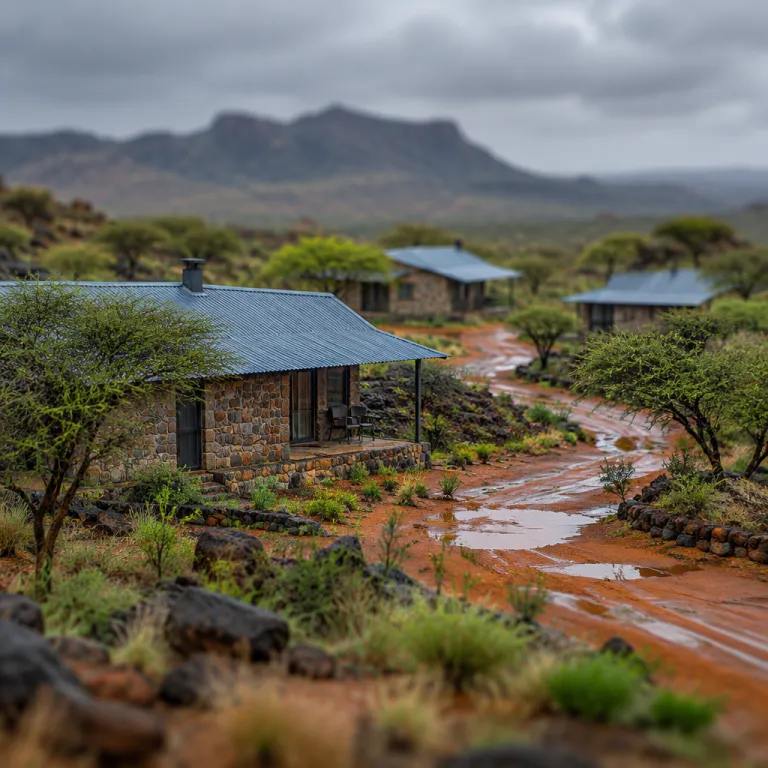
Namibia green season in November: a softer, wilder canvas for families
Namibia green season November is when the first distant thunderheads start to build and the desert exhales. Over a few short days the land shifts from bone dry to delicately green, and luxury lodges across Namibia adjust every detail of the guest experience for this new season while keeping service levels firmly in peak condition. For families planning a trip, this is often the best time to trade crowds and dust for space, value and a more intimate wildlife experience.
On the ground, the change in conditions is immediate and dramatic. Short, early storms wash the haze from the air, temperatures rise and the first flush of green grass appears around usually bare pans, so the light for photography becomes softer and more forgiving across more months of the year. Lodge managers and guides respond by shifting game drives earlier in the morning and later in the afternoon, stretching those days and nights when the sky turns theatrical and the desert adapted wildlife moves against a luminous backdrop.
For Etosha National Park, the transition from the dry season to the green season means wildlife disperses away from the famous waterholes. Game viewing is no longer about parking at a single pan for hours; instead, guides design longer game drives that track seasonal water and follow herds through mopane woodland, which can be thrilling for curious children who enjoy the sense of real exploration. This is where the Namibia green season November narrative diverges from the classic July August peak season story, and where travellers who value atmosphere over tick lists start to feel they have chosen the Namibia best window for their style of safari.
How lodges adapt when the first rains fall
Behind the scenes, the first storms of the green season trigger a well rehearsed response from lodge managers and guides. Operations teams check rain proof roofing, raised walkways and decks, while shaded common areas and upgraded cooling systems keep families comfortable through hot, humid afternoons that can feel very different from the crisp air of the dry season. Kitchen and hospitality staff quietly rework menus around seasonal produce from local suppliers, so long, lazy lunches become part of the experience rather than a pause between activities.
Because average rainfall in Windhoek in the wettest months reaches around 150 mm, serious properties plan for heavy bursts rather than all day drizzle. This figure is broadly in line with long term climate data published by the Namibia Meteorological Service and the World Bank Climate Change Knowledge Portal, which both show peak mid summer rainfall in the central highlands. Gravel access roads can become cut by sudden downpours, so the best lodges build flexibility into transfers and game drives, sometimes swapping a long afternoon drive for a shorter loop followed by a guided walk when conditions improve. This is also when more lodges schedule soft renovations, using the quieter shoulder season to refresh suites and pools without disturbing guests, which means November travellers often sleep in newly updated rooms at lower rates than during the peak season.
Families drawn to the NamibRand and Sossusvlei area during the Namibia green season November window will notice how programmes tilt toward landscape and sky. With the first green shoots softening the desert, guides lean into stargazing, scenic drives and photography sessions timed to the new moon, and this is where planning around the dark sky reserve new moon window pays off for parents with older children. Lodges such as &Beyond Sossusvlei Desert Lodge, Kwessi Dunes and Wolwedans have built reputations for expert astronomy guiding and sensitive low light design, and properties that understand the year round rhythm of the desert know that not every safari has to chase big game; sometimes the best time is when the silence, the light and the sense of space do most of the work.
Wildlife, birding and family safaris in the early green season
Once the first proper showers arrive, water spreads across the landscape and wildlife behaviour changes quickly. Sightings become more dispersed but birdlife and newborn animals abundant, and that single sentence from a veteran guide captures why November can be such a rewarding season for patient families. Instead of concentrating around a few permanent water sources, animals fan out, and the green season becomes about reading tracks, listening for alarm calls and letting your guide interpret subtle signs during long, unhurried game drives.
In Etosha National Park, this means that classic dry season scenes of hundreds of animals at one waterhole give way to smaller, more intimate encounters. Etosha national guides use their knowledge of soil, vegetation and recent storms to decide where to spend each day, and they will tell you honestly when game viewing will require more driving and less sitting. For children, this can feel like a real safari expedition rather than a theme park ride, especially when desert adapted antelope, giraffe and predators appear suddenly from new green thickets that were bare only weeks earlier.
Birders quietly regard the Namibia green season November period as the best time of the year for serious wildlife viewing of a different kind. Migratory species arrive from Europe and elsewhere in Africa between December March, according to regional birding guides and data from the Namibia Bird Club, and the Zambezi Region in the far northeast becomes a magnet for travellers who care more about kingfishers and bee eaters than about ticking off the Big Five. Families who split their days and nights between Etosha, the Zambezi Region and the coast can balance classic safari drives with boat trips, guided walks and even marine excursions along the Skeleton Coast National Park luxury lodges, where the contrast between green inland and misty ocean desert is at its most striking.
Planning a November green season itinerary with luxury lodges
Designing a Namibia green season November itinerary for a premium family means leaning into variety rather than chasing the dry season playbook. Start with three or four days and nights near Etosha for a concentrated safari experience, then add a similar stretch in the Zambezi Region where water based activities and lush riverine scenery contrast beautifully with the desert. Finish with time on the coast, using a refined Swakopmund base to explore dunes, ocean and the cooler Atlantic air that often feels like a relief after the inland heat.
Rates at many luxury properties drop significantly once the classic July August peak season ends, and that value based pricing is one of the quiet advantages of travelling in the shoulder season. Do lodge rates fall with the green season? Yes rates fall significantly outside dry season high demand, and that reality allows families to upgrade to larger suites or private vehicles that might be out of reach during the peak season. The author works with premium Namibian travel planners and has seen how coastal elegance in Swakopmund, at properties such as Strand Hotel Swakopmund, The Delight and The Stiltz, pairs naturally with inland safari lodges to create a balanced itinerary that mixes dune adventures with relaxed downtime.
There are trade offs, and you should be clear eyed about them before you book your trip. Is wildlife still easy to see when rains begin? Sightings become more dispersed but birdlife and newborn animals abundant; are roads passable early in green season? Gravel roads often cut by heavy storms; plan flexibly. For many families, though, the combination of fewer vehicles, softer light, dramatic skies and the sense of being in on a secret makes this the Namibia best season December onward window, especially when you choose lodges that understand how to turn changing conditions into part of the experience rather than a problem to be hidden.
FAQ
Is wildlife still worth seeing in Namibia when the green season starts?
When the green season begins, wildlife spreads out because water becomes available across wider areas instead of only at permanent waterholes. That makes game viewing slightly harder than in the dry season, but it also means more natural behaviour, fewer vehicles at each sighting and excellent birding. Families who value atmosphere and learning over sheer numbers often find this period more rewarding than the classic peak season.
Do lodge rates really drop in November and early green season?
Luxury lodges across Namibia typically reduce rates once the high demand dry season ends, and November sits at the front edge of that value curve. Properties use shoulder season pricing to keep occupancy healthy, so families can often secure larger rooms, better views or private guiding for less than during July and August. It is still wise to book in advance, because the best safari suites remain limited even outside peak months.
Are roads and travel conditions difficult when the first rains arrive?
Early storms can cut gravel roads and create short lived flooding in low lying areas, especially in the north and northeast. Most high end lodges monitor conditions closely and adjust transfer routes or timings, sometimes flying guests in when necessary. If you build a little flexibility into your itinerary, these weather shifts become part of the adventure rather than a serious obstacle.
Is the green season suitable for a first family safari in Namibia?
The early green season is an excellent choice for a first family safari if you prioritise space, softer light and a calmer pace over dense wildlife at every turn. Children often enjoy the drama of storms, newborn animals and the chance to spot birds and smaller creatures that guides highlight more when big game is dispersed. Parents usually appreciate the combination of lower rates, quieter lodges and the feeling that their trip is not locked into the same pattern as every dry season itinerary.
How should we pack for a Namibia trip in November?
For a Namibia trip in November, pack light breathable clothing for hot days, a warm layer for cooler evenings and a waterproof jacket for sudden showers. Closed shoes, a wide brimmed hat, high SPF sunscreen and insect repellent are essential, especially in the Zambezi Region where mosquitoes are more common. Many luxury lodges provide rain ponchos and laundry services, so you can travel with fewer items and still stay comfortable throughout your stay.