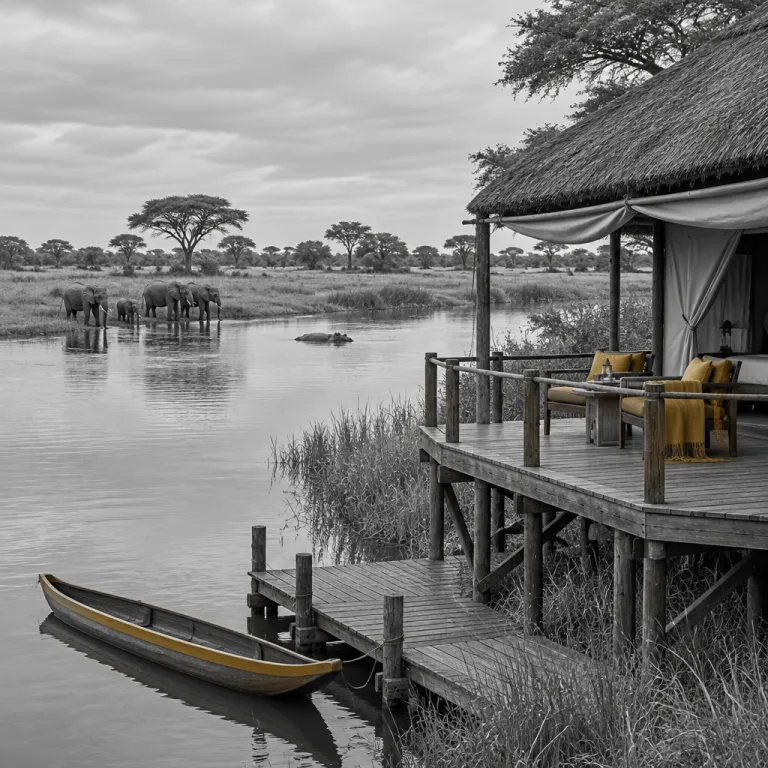
Caprivi Namibia as a luxury riverscape destination
At first light on the Caprivi floodplains, mist lifts off the river and the only sounds are distant hippos and the clink of coffee cups on a private deck. This is the quieter, greener side of Namibia: a ribbon of water, wildlife and refined lodges where days unfold at an unhurried pace. In this remote Caprivi region, the narrow strip of land between four countries becomes a sanctuary for slow travel and discreet luxury. Travelers who value privacy, space and attentive service will find the Caprivi Strip ideal for extended holidays.
This northeastern corner of Namibia is defined by water, with the Kavango River, Zambezi River and Chobe River shaping its floodplains. Along these waterways, each river lodge positions suites to frame sunrise over reed beds and sunset over islands where wildlife gathers. Because the Caprivi Strip borders Botswana, Zambia and Angola, guests can combine several national parks and safari areas in one seamless southern Africa itinerary.
Luxury travelers often ask whether Namibia’s Caprivi is worth the detour from the country’s deserts. The answer lies in the contrast between the arid interior and these green river corridors filled with bird species and aquatic life. When you add expert guided game drives, boat safaris and curated cultural encounters, Caprivi Namibia becomes a sophisticated alternative to more crowded safari circuits, especially for guests who prefer intimate lodges and personalised hosting.
National parks, wetlands and high end safari experiences
The Caprivi Strip concentrates several national parks within a relatively compact area, which is rare in Namibia. Bwabwata National Park, Mudumu National Park and Nkasa Rupara National Park protect a mosaic of woodland, floodplain and marsh that supports diverse wildlife. For guests, this means you can experience different ecosystems and species without long transfers between reserves.
In Bwabwata National Park, lodges along the Kavango River offer boat-based wildlife viewing and access to Popa Falls, a series of rapids that become dramatic in high water. Further east, the Bwabwata–Mudumu corridor links habitats used by elephants moving between Namibia, Botswana and Zambia, creating exceptional game viewing on both land and water. Many luxury properties here design private game drives that follow these seasonal movements, with guides explaining how national parks and community conservancies cooperate.
Mudumu National Park and the wetlands around Nkasa Rupara form some of the wildest corners of Namibia’s Caprivi. During certain months, the Rupara wetland area can be flooded, turning islands into temporary refuges for antelope and predators. Guests staying at an intimate river lodge here often combine vehicle-based safari, walking excursions and boat trips, then fly onward to a contrasting desert stay such as a luxury camp near the Sossusvlei dunes in the Namib Desert, which you can explore through this guide to luxury stays near the Sossusvlei dunes.
Choosing the right river lodge in Caprivi Namibia
Selecting a river lodge in Caprivi Namibia is less about star ratings and more about location on the river system. Properties on the Kavango River near Popa Falls feel different from those on the Zambezi River floodplains or the quieter channels near Nkasa Rupara. Before booking, study maps and ask for details about boat access, water levels and typical wildlife viewing patterns in each season.
Lodges along the Zambezi River often focus on birding, catch-and-release tiger fishing and sunset cruises, while those near the Chobe River emphasize big game viewing and cross-border excursions into Chobe National Park in Botswana. Some high-end lodges operate private concessions within or adjacent to Bwabwata National Park, offering exclusive game drives with limited vehicle numbers. Others in the Rupara wetland area specialize in water-based adventures, using shallow-draft boats to reach remote islands where few visitors go.
For travelers interested in responsible luxury, conservancy-run lodges in Namibia’s Caprivi demonstrate how community ownership can support both wildlife and livelihoods. A detailed case study of four such properties is presented in this analysis of conservancy run lodges at the luxury end. When comparing options, ask each lodge for clear details on its conservation contributions, staff training and partnerships with local villages, then align your booking with the model you wish to support.
Cross border safaris: Chobe, Okavango Delta and Victoria Falls
Caprivi Namibia sits at the heart of a wider safari circuit that includes Botswana, Zambia and Zimbabwe. From a lodge on the Caprivi Strip, guests can reach Chobe National Park, the Okavango Delta and Victoria Falls with short flights or well-organized transfers. This geography allows you to design holidays that combine river-based safari, delta wetlands and one of Africa’s most famous waterfalls.
Many travelers pair a stay in Bwabwata National Park or Mudumu National Park with time in Chobe National Park, using the Chobe River as a natural link between Namibia and Botswana. Boat cruises on this river offer close views of elephants, hippos and other species, often in quieter stretches than the busier sections near Kasane. From there, light aircraft flights connect easily to the Okavango Delta, where wildlife viewing focuses on mokoro excursions and remote island camps.
Victoria Falls lies within reach of Caprivi Namibia via road or air, making it a dramatic finale to a multi-country adventure. Guests can spend mornings on game drives in Namibia’s Caprivi and evenings listening to the roar of the falls from a hotel terrace. When planning, work with a specialist who understands border formalities, park fees and transfer times, because these details determine how relaxed or rushed your cross-border safari will feel.
Seasonality, wildlife viewing and species highlights
Because Caprivi Namibia is shaped by rivers and floodplains, seasonality plays a decisive role in wildlife viewing. Water levels in the Kavango River, Zambezi River and Chobe River rise and fall through the year, influencing where species concentrate. During drier months, animals gather along permanent water, making game drives and boat safaris especially rewarding.
In Bwabwata National Park and the Bwabwata–Mudumu corridor, elephants, buffalo and antelope move between Namibia, Botswana and Zambia, following ancient routes that predate modern borders. Predators such as lions and wild dogs track these herds, creating intense wildlife encounters for guests on guided safari activities. Birdlife is exceptional, with the Zambezi River and associated wetlands attracting migratory species that delight photographers and specialists alike.
Areas around Nkasa Rupara and the Rupara wetlands can feel almost like a miniature Okavango Delta during high water. Here, islands emerge from the floodplains, and boat-based wildlife viewing becomes the primary way to explore. When booking, ask each lodge for precise details on expected water levels and access routes for your travel dates, because these factors shape which species you are likely to see and how you will move through the park.
Planning a luxury Caprivi itinerary within Namibia
Designing a refined journey through Caprivi Namibia starts with understanding distances and flight options. The strip stretches several hundred kilometres from the Kavango River in the west to the Zambezi River in the east, so overland transfers can be long. Many luxury travelers therefore combine a few key river lodge stays with scheduled or charter flights to reduce travel time.
A classic route might begin in Windhoek, continue to Etosha for traditional game viewing, then head northeast to Bwabwata National Park and Mudumu National Park before ending near Nkasa Rupara. From there, guests can exit via Botswana or Zambia, or return to central Namibia for coastal relaxation in Swakopmund, using this curated guide to coastal elegance for luxury stays in Swakopmund. Throughout, a specialist agent or dedicated concierge should manage park permits, border crossings and lodge coordination, ensuring that transfers align smoothly with game drives and river activities.
When comparing itineraries, look beyond headline names such as Victoria Falls or the Okavango Delta and focus on how each day will feel. Ask how many hours you will spend on the road versus on the river, how many guests share each vehicle on game drives and whether your lodge offers flexible dining for early or late activities. These details transform a standard safari into a tailored Africa adventure that reflects your pace, interests and expectations of service.
Practical booking insights for premium travelers
Premium travelers considering Caprivi Namibia often prioritize reliability, safety and clarity of information. Work with operators who provide transparent details on cancellation terms, aircraft types, park fees and guiding qualifications. For river lodge stays, request specifics on room categories, view orientation and proximity to main areas, especially if you value privacy or quiet.
Because the Caprivi Strip involves multiple national parks and sometimes cross-border movements into Botswana or Zambia, travel insurance that covers medical evacuation and trip interruption is essential. Confirm that your policy includes activities such as boat-based wildlife viewing, walking safaris and small aircraft flights. When booking, share any mobility or dietary needs early, so lodges can adapt game drives, boat access and menus without last-minute pressure.
Finally, consider the broader context of conservation and community impact when choosing where to stay in Namibia’s Caprivi. Properties embedded in conservancies or partnerships with local villages often contribute directly to anti-poaching, education and employment. By aligning your holidays with such lodges, you help ensure that the wildlife, rivers and national parks of Caprivi Namibia remain protected for future travelers and for the communities who call this unique strip of Africa home.
Key figures and statistics for Caprivi Namibia travel
- Caprivi, now officially known as the Zambezi Region, covers roughly 14 500 square kilometres, making it one of Namibia’s smaller regions by area but one of the most densely populated according to the Namibia Statistics Agency.1
- Bwabwata National Park spans about 6 100 square kilometres, combining former game reserves and communal lands into a single conservation landscape that supports both wildlife and resident communities, as documented by Namibia’s Ministry of Environment, Forestry and Tourism.2
- Chobe National Park in neighbouring Botswana holds an estimated 120 000 elephants, one of the largest free-ranging populations in Africa, which regularly moves through the Bwabwata–Mudumu corridor and into the Caprivi Strip, according to the Botswana Department of Wildlife and National Parks.3
- Victoria Falls, often combined with Caprivi Namibia itineraries, measures roughly 1 700 metres wide and drops up to 108 metres, making it one of the largest continuous curtain waterfalls in the world by volume, based on data from the Zambian and Zimbabwean tourism authorities.4
- The Kavango–Zambezi Transfrontier Conservation Area, which includes Namibia’s Caprivi, Botswana, Zambia, Zimbabwe and Angola, covers about 520 000 square kilometres, creating one of the largest transboundary conservation initiatives globally, as reported by the Peace Parks Foundation.5
1 Namibia Statistics Agency, Zambezi Region profile. ↩
2 Ministry of Environment, Forestry and Tourism (Namibia), Bwabwata National Park overview. ↩
3 Botswana Department of Wildlife and National Parks, Chobe elephant population estimates. ↩
4 Zambia Tourism Agency and Zimbabwe Tourism Authority, Victoria Falls statistics. ↩
5 Peace Parks Foundation, Kavango–Zambezi Transfrontier Conservation Area fact sheet. ↩
Frequently asked questions about Caprivi Namibia luxury stays
Is Caprivi Namibia safe for high end travelers ?
Caprivi Namibia is generally considered safe for visitors who travel with reputable operators and follow local guidance. Lodges coordinate transfers, monitor river conditions and maintain radio or satellite communication for emergencies. As with any remote safari area, choosing experienced partners and comprehensive insurance is the best safeguard.
How many days should I spend in the Caprivi strip ?
For a relaxed luxury stay, plan at least four to six nights in the Caprivi Strip. This allows time to experience different rivers, such as the Kavango River and Zambezi River, and to visit more than one national park. Guests combining Chobe National Park, the Okavango Delta and Victoria Falls often extend to eight or more nights in the wider region.
What is the best time of year for wildlife viewing ?
Drier months typically offer the most concentrated wildlife viewing in Caprivi Namibia, as animals gather along permanent water sources. During these periods, game drives and boat safaris along the Chobe River and Zambezi River can be especially productive. Green season brings lush landscapes and excellent birding, though some floodplain areas may be harder to access.
Can I combine Caprivi Namibia with other Namibian highlights ?
Yes, many itineraries link Caprivi Namibia with Etosha National Park, Swakopmund and the Namib Desert. Travelers often start with desert and coastal landscapes before flying or driving to the river systems of Namibia’s Caprivi. This contrast between dunes, ocean and wetlands creates a varied and memorable holiday.
Do I need visas for cross border trips from Caprivi ?
Visa requirements depend on your nationality and the specific countries you visit from the Caprivi Strip, such as Botswana, Zambia or Zimbabwe. Always check current regulations with official consular sources before travel, and share your route with your tour operator. They can advise on multi-entry visas, park fees and any additional paperwork for cross-border game drives or transfers.