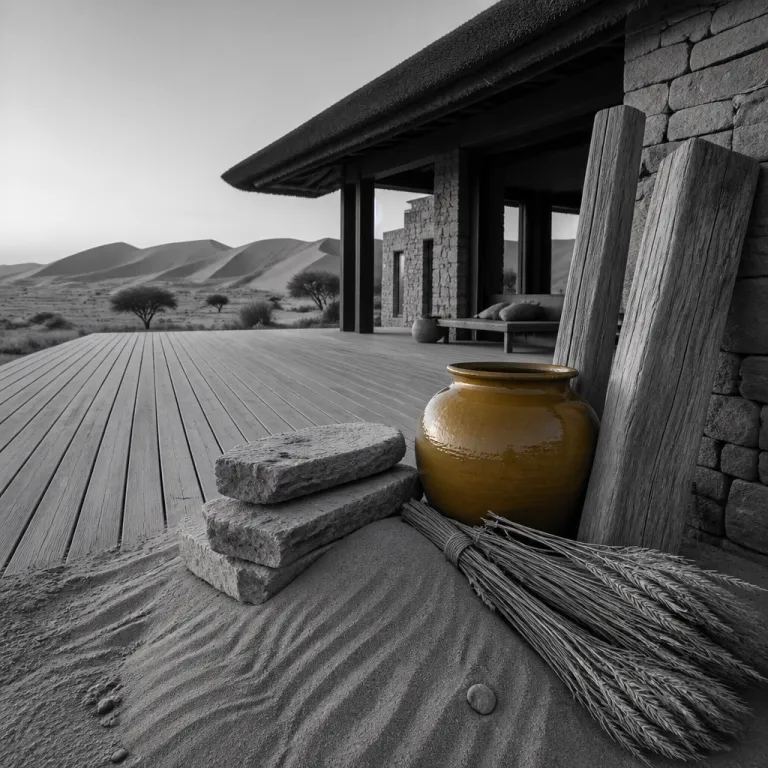
Luxury lodges in Sossusvlei: planning a refined Namib Desert escape
Why Sossus is the refined heart of the Namib Desert
Sossus is the name many travellers use for the Sossusvlei area in southern Namibia, a region where luxury hospitality meets one of the planet’s most photogenic desert landscapes. This part of the Namib Desert lies within the Namib-Naukluft National Park, and it offers guests rare access to towering sand dunes, ancient clay pans, and high-end lodges that understand comfort in extreme conditions. Every premium lodge or campsite here must balance exclusivity with strict park conservation rules, which directly shapes how you plan your trip and where you choose to stay.
The wider Sossusvlei area sits close to the small settlement of Sesriem, the official gateway to the park and to the famous Sossusvlei dunes, Deadvlei clay pan, and Sesriem Canyon. When you book a lodge or a campsite near Sesriem, you are really choosing how easily you can reach the park gate for a sunrise drive, how quickly you can stand on a dune crest, and how often you can return to your room between excursions. For many travellers, the best balance is a lodge positioned just outside the national park boundary, where road access is easier but the desert light and silence remain almost untouched.
Luxury properties around Sossusvlei and across Namibia have learned that guests want more than a comfortable bed and a good dune view. They expect curated experiences such as guided drives to Big Daddy dune, private walks on the sand dunes at sunrise or sunset, and hot air balloon flights that reveal the full scale of the Namib Desert. High-end operators also now integrate photography, astronomy, and even occasional live music or soundscapes into their programming, creating immersive journeys that match the drama of the surrounding landscape.
Inside park or outside gate: choosing your Sossusvlei base
One of the most strategic decisions for any Sossus trip is whether to sleep inside the park or just beyond the Sesriem gate. Staying inside the park, for example at a government dune lodge or at Sossusvlei Lodge–style properties with special access, allows you to reach the Sossusvlei dunes and Deadvlei pan before the main gate opens to the public. This inside-park advantage is crucial if you want to photograph the first light hitting the sand while the clay pan remains in shadow, or if you prefer to climb a dune in cool air rather than in the midday heat.
Outside the gate, the Sossus Oasis campsite and several premium lodges offer more varied room categories, stronger air conditioning, and often more elaborate culinary experiences. These properties sit in the wider Sossusvlei area of the Namib-Naukluft region, where private reserves border the national park and share the same desert ecosystem. Guests here usually join guided drives that time their arrival at Sossusvlei, Deadvlei, or Elim Dune to match the best light, and they often combine a day trip into the park with an afternoon visit to Sesriem Canyon or a scenic drive into the Naukluft mountain section of the park.
Astrophotography is another factor that influences where you stay, because the Namib Desert offers some of the darkest skies in Namibia. Properties that emulate the standards of leading dark-sky observatories in the country tend to invest in stable mounts, knowledgeable guides, and low-impact lighting. If stargazing matters to you, ask whether your chosen lodge or campsite can switch off exterior lights, provide blankets on dune tops, and schedule late-night drives into the Namib-Naukluft wilderness.
Reading the light: when to visit dunes, pans, and canyons
In Sossus, timing is everything, because the angle and colour of light transform the dunes and pans throughout the day. The classic pattern is simple, with sunrise and sunset offering the best contrast between the red sand dunes and the pale clay pan of Deadvlei, but serious photographers know that subtle seasonal shifts matter just as much. If you care about nuanced light, study how the changing sun path alters the Namib Desert shot list, as explained in this analysis of the spring photography shift in Namibia.
For most guests, the ideal routine starts with a pre-dawn drive from lodge or campsite to the Sossusvlei dunes, aiming to reach either Big Daddy or a nearby Sossus dune just as the first light touches the ridge. After a climb on the sand and a descent into the Deadvlei clay pan, you can retreat to your lodge for a late breakfast and rest during the harshest hours. Later, a shorter excursion to Elim Dune or to the Sesriem Canyon offers softer afternoon light, with the canyon walls glowing warm tones while the air cools and the desert wind usually drops.
Luxury properties in the Sossusvlei area now design their activity schedules around these light patterns, rather than forcing guests into rigid timetables. Many lodges offer flexible day-trip options that combine a morning in the national park with an evening sundowner on a private dune, where you can watch the Namib-Naukluft landscape fade from orange to deep blue. When you compare lodges, read their sample itineraries carefully, and look for clear references to sunrise and sunset timings, shaded vehicles for long drives, and guides who understand how to position you relative to the dunes and pans.
Luxury lodges, desert camps, and the art of quiet comfort
The luxury offering around Sossus ranges from fully serviced lodges with spa facilities to minimalist desert camps that focus on silence and space. High-end properties such as Sossusvlei Lodge or similar dune lodge concepts typically feature air-conditioned suites, private plunge pools, and expansive decks facing the Namib Desert, which is essential when daytime temperatures climb above 35 °C. More intimate options like Camp Sossus–style retreats prioritise natural ventilation, shaded courtyards, and open-air beds, allowing guests to sleep under the stars while still enjoying premium linens and attentive service.
When you evaluate a lodge or campsite, pay attention to how it manages water, energy, and waste in this fragile Namib-Naukluft environment. The best operators use solar power, low-flow fittings, and carefully designed grey-water systems that protect the surrounding dunes and pans from contamination. Many properties also limit vehicle numbers on their private drives, which reduces sand erosion and helps keep the Sossusvlei dunes and nearby clay pans as undisturbed as possible for future visitors.
Sound design is another subtle marker of quality in Sossus hospitality, because the desert amplifies both noise and silence. Some lodges now curate gentle soundscapes in lounges and spas, reflecting a broader trend toward immersive, atmospheric experiences that complement the desert setting. In your room, though, you should expect quiet, with only the wind over the dunes, the occasional jackal call, and the soft hum of essential systems breaking the stillness.
Designing your Sossus itinerary: drives, walks, and hot air flights
A well-planned Sossus itinerary balances time inside the national park with slower moments on private land, so that you experience both the iconic Sossusvlei dunes and the quieter corners of the Namib. Start with at least one full day trip into the park, including the drive of roughly 60 kilometres from Sesriem to the Sossusvlei area, a walk on Big Daddy or a neighbouring Sossus dune, and an unhurried visit to Deadvlei pan. On a second day, focus on Sesriem Canyon, Elim Dune, and the surrounding desert plains, where oryx and springbok often graze on sparse vegetation in the early light.
Many premium lodges offer optional hot air balloon flights that launch from near the park boundary and drift over the Namib Desert at sunrise. From the basket, you can see how the sand dunes form long parallel lines, how the clay pans sit like pale islands, and how the Naukluft mountains rise sharply to the east. After landing, a champagne breakfast on the sand completes the experience, and you return to your lodge with a new sense of the scale and geometry of this part of Namibia.
Between major excursions, take time to enjoy your lodge facilities, whether that means a spa treatment, a quiet swim, or simply reading on your deck while the light shifts across the dunes. If you are researching broader luxury inspiration, you can compare the Sossus model of desert seclusion with bayside retreats such as the one profiled in this feature on a Caribbean bayside luxury resort. Both styles rely on attentive service, a strong sense of place, and carefully curated activities, but Sossus adds the drama of the Namib-Naukluft landscape and the unique textures of sand, rock, and endless sky.
Practical booking tips for premium stays in the Sossusvlei area
Booking a luxury stay around Sossus requires more planning than many first-time visitors expect, because capacity is limited and distances across Namibia are long. Aim for a minimum of two nights in the Sossusvlei area, with three nights offering a better balance between park excursions, lodge time, and rest after long drives on gravel roads. When you compare options, check whether rates include guided drives into the national park, park fees, and activities such as hot air balloon flights or whether these are charged separately.
Room selection matters in desert environments, so read floor plans and descriptions carefully before you confirm. Suites facing the main dune belt or the Namib Desert plains usually offer the best views, but they may also receive more afternoon heat and light, which makes shading and air conditioning crucial. If you are sensitive to temperature, consider a lodge that offers both indoor and outdoor seating, deep verandas, and the option to sleep either under canvas or in a solid structure depending on the season.
Transport logistics also influence your experience, because the drive from Windhoek or Swakopmund to Sossus can take five to six hours on mixed surfaces. Some guests choose fly-in packages that land on private airstrips near Sossusvlei Lodge or similar properties, reducing travel time and maximising time on the dunes and pans. Whether you self-drive or fly, plan your arrival so that you reach your lodge well before sunset, giving you time to settle in, enjoy the changing light on the sand dunes, and discuss your personalised activity plan with the guiding team.
Beyond Sossus: connecting Namib-Naukluft with wider Namibian journeys
While Sossus is often the visual highlight of a Namibia itinerary, it rarely stands alone, and thoughtful routing can enhance both comfort and value. Many travellers link the Sossusvlei area with the coastal town of Swakopmund, the wildlife-rich Etosha region, or the remote Skeleton Coast, creating a loop that showcases different faces of the Namib Desert and the wider national park network. When you plan these connections, consider how many long drives you are comfortable with, and whether you prefer to break journeys with overnight stops in smaller lodges or farm stays.
The Namib-Naukluft and Naukluft mountain sections of the park offer excellent hiking, birding, and rugged scenery, which contrast beautifully with the pure sand environment of the Sossusvlei dunes. Some premium operators now design multi-day packages that combine nights at a dune lodge near Sossus with time in the Naukluft mountains, giving guests access to natural pools, fig-lined ravines, and cooler temperatures. This mix of desert and highland landscapes can be especially appealing for families or older travellers who want variety without sacrificing comfort or service standards.
As you extend your trip, keep an eye on seasonal factors such as temperature, road conditions, and the timing of sunrise and sunset across different regions of Namibia. The same principles that guide you in Sossus apply elsewhere, including the importance of reading light, understanding park regulations, and choosing lodges that respect their environment. By aligning your expectations with the realities of distance, climate, and conservation, you can craft a journey that feels both indulgent and responsible, from the first dune drive at Sossusvlei to the final night under the Namibian stars.
Key figures for Sossus and Namib Desert travel
- The drive from Sesriem gate to the Sossusvlei pan parking area covers roughly 60 kilometres, which typically takes about one hour on a tarred road before a short section of deep sand that often requires a shuttle or 4x4 vehicle (distance based on Namibian park signage; driving time varies with conditions and speed limits).
- Big Daddy dune near Deadvlei is frequently cited as one of the tallest dunes in the Sossusvlei system, with many tourism sources placing its height at around 300–325 metres above the surrounding pan, making it a demanding climb for visitors who want panoramic views of the Namib Desert (figures compiled from regional visitor information and lodge briefings).
- Typical hot air balloon flights over the Namib Desert near Sossus last about 45 to 60 minutes, with total excursion times of three to four hours including transfers and breakfast, which helps travellers plan around other drives and activities in the Sossusvlei area (durations based on published schedules from local balloon operators and may vary with weather).
- Many premium lodges in the Sossus region limit guest numbers to between roughly 16 and 30 beds, a capacity that supports personalised guiding while reducing vehicle pressure on sensitive dunes, pans, and wildlife corridors in and around the Namib-Naukluft National Park (ranges drawn from publicly available lodge fact sheets and booking platforms).
- For image planning, allow at least one sunrise and one sunset session on the Sossusvlei dunes; photographers often schedule two to three golden-hour outings to capture shifting light on the Namib Desert landscape (recommendation based on common practice in regional photo workshops).
FAQ about luxury stays around Sossus and Sossusvlei
What is the difference between Sossus, Sossusvlei, and the wider Namib-Naukluft area?
Sossus is an informal shorthand many travellers use for the Sossusvlei area, which lies inside the Namib-Naukluft National Park in southern Namibia. Sossusvlei itself is a specific pan and dune complex at the end of a road of about 60 kilometres from Sesriem, while the wider Namib-Naukluft region includes mountains, gravel plains, and additional park sections. When booking accommodation, you will see all three terms used, so always check exact distances from your lodge to the park gate and to Sossusvlei.
Is it better to stay inside the park or outside near Sesriem?
Staying inside the park, for example at a dune lodge with special access, allows you to reach the Sossusvlei dunes and Deadvlei pan before and after the main gate hours, which is ideal for photography and cooler temperatures. Lodges and campsites outside the gate, such as Sossus Oasis or similar properties, often offer more facilities, varied room types, and easier access for self-drive guests. The best choice depends on whether you prioritise exclusive timing on the dunes or broader comfort and service options.
How many nights should I plan for Sossusvlei on a Namibia trip?
Two nights is the minimum recommended stay in the Sossusvlei area, because you need at least one full day for a park excursion and time to recover from long drives. Three nights provide a more relaxed pace, allowing for a day trip to Sossusvlei and Deadvlei, a separate visit to Sesriem Canyon and Elim Dune, and time to enjoy lodge facilities. Longer stays suit travellers who want multiple sunrise and sunset sessions on the dunes, hot air balloon flights, or extended photography and stargazing projects.
Do I need a 4x4 vehicle to visit Sossusvlei and the surrounding dunes?
You can reach Sesriem and most lodges in the Sossusvlei area with a standard high-clearance vehicle, but a 4x4 is strongly recommended for the final sandy section from the Sossusvlei parking area to the main pan. Many visitors park at the 2x4 lot and use official shuttles for the last kilometres through deep sand, which protects both vehicles and the fragile desert surface. If you are not experienced in sand driving, it is safer to rely on lodge guides or park shuttles for this part of the journey.
What should I pack for a luxury lodge stay in the Namib Desert?
Even in premium lodges, you will spend many hours outdoors, so pack light, breathable clothing, a wide-brimmed hat, strong sunscreen, and closed shoes suitable for walking on hot sand and rocky canyon floors. Temperatures can drop sharply at night, so include a warm layer for early morning drives, sunrise balloon flights, and stargazing sessions. Most high-end properties provide filtered water, basic toiletries, and sometimes binoculars, but you should bring your own camera gear, spare batteries, and any specialised equipment for photography or astronomy.
Fact-check notes for Sossusvlei luxury travel
All distances, times, and capacity ranges in this guide are approximate and based on a combination of Namibian park signage, regional tourism boards, published lodge fact sheets, and operator briefings available at the time of writing. Conditions in the Namib Desert can change, so always confirm current road status, park regulations, and activity details with your chosen Sossusvlei lodge or a licensed Namibian tour operator before you travel.