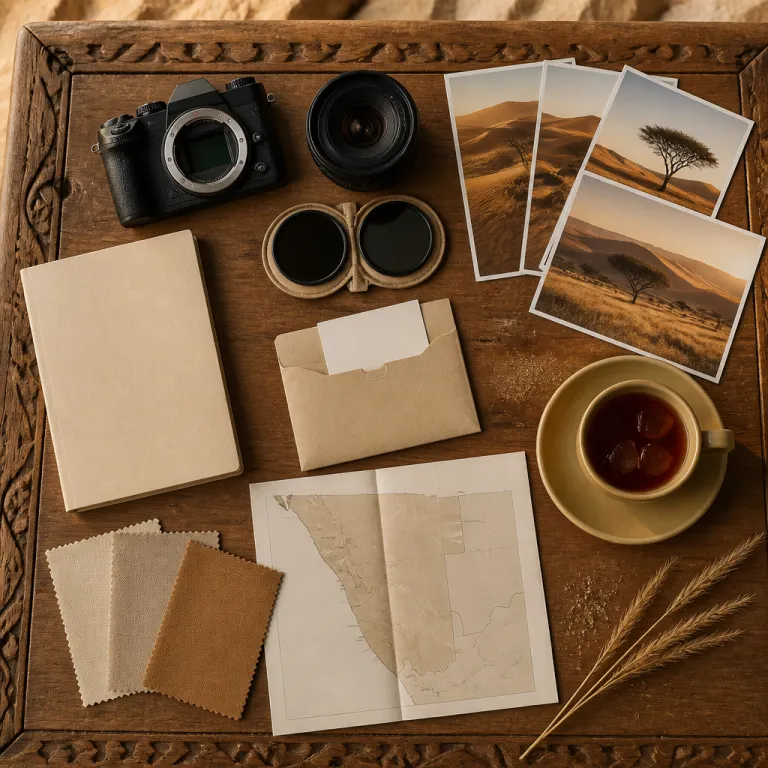
Late August light: why luxury lodges suddenly suit the lens
Late August in Namibia marks a subtle but decisive shift in light that every serious photography minded traveler should plan around. As the dry season stretches on, skies clear, shadows lengthen and the namibia photography spring light season quietly begins to favour families who want both comfort and strong images. Local guides, photographers and lodge managers all agree that this is the time of year when a carefully chosen room with a west facing terrace can be as valuable as a new lens.
During this late dry season period, early morning temperatures hover around 10 °C while daytime warmth reaches roughly 25 °C, so you will move from fleece to linen between sunrise and brunch. That temperature swing matters because it dictates when children are happiest outside, when you can walk to nearby dunes, and when the light over the surrounding desert is soft enough for a family photo without harsh contrast. The official advice from long running photo tours is simple and accurate : "Late August offers optimal lighting and wildlife activity."
Luxury properties in the Namib Desert and Etosha area now design their activity schedules around this namibia photography spring light season, with sunrise drives, golden hour hide sessions and even supervised night photography walks. When you book, ask precisely what time the first vehicle leaves, whether the guide will position you for sunrise sunset sequences, and how far the lodge sits from key sand dunes or waterholes. The best locations in Namibia for families balance short transfer times with access to varied landscapes, so that one day can move from red sand to tree forest like quiver tree groves without exhausting younger travelers.
Etosha and the north: rethinking wildlife and waterhole strategy
Etosha National Park and the wider Namibia north region behave differently as late August slides toward spring, and that change should reshape your shot list before you even confirm a hotel. Earlier in the dry season, wildlife crowds the main waterholes, but as the first hints of green appear, animals disperse and classic wildlife photography around a single pan becomes less predictable. Families who choose premium camps near multiple waterholes gain flexibility to move with the wildlife rather than waiting all day at one spot.
In this namibia photography spring light season, the best Etosha national area strategy is to use early morning drives for clean silhouettes and then retreat to shaded pools or suites during the harshest light. Late afternoon golden hour still delivers great photo opportunities, yet the rising humidity softens distant views and rewards tighter compositions of sand dust, horns and eyes. Ask your lodge whether they offer private vehicles for a few hours, because that extra control over time and angle will often matter more than an extra course at dinner.
Night in the park remains compelling, but night photography now competes with family sleep schedules and cooler air around 10 °C, so heated waterhole hides or fire pits become valuable amenities. Some high end properties near Etosha national boundaries now provide fixed tripods at hides, letting parents focus on composition while children simply watch wildlife under red filtered light. For a different northern perspective on remote desert wildlife and the stark Skeleton Coast, pair Etosha with a stay at a refined concession such as the remote desert retreat highlighted in this luxury Skeleton Coast lodge review, where guides understand both landscape photography and family pacing.
Namib Desert, Skeleton Coast and Walvis Bay: spring drama for landscape and night skies
Along the Namib Desert, from Sossusvlei’s sand dunes to the Skeleton Coast and Walvis Bay, late August to early spring brings a different kind of drama. The namibia photography spring light season here is defined by longer golden hour stretches, more complex cloud formations and a noticeable rise in dust that can both enhance and challenge landscape photography. Luxury lodges now schedule their specialist photo tours for this window because the skies are less predictably blue and the desert feels more cinematic.
Families booking high end properties near the great sand dunes should ask exactly how the guides handle early morning access, since the first light over the Namib Desert is still the best for clean lines and minimal footprints. Many lodges send a guide out before daybreak to climb a dune and check wind, sand conditions and the quality of light, then adjust departure time to hit sunrise at the ridge. That level of attention is what separates a standard excursion from a tailored photography experience that respects both the desert and a child’s tolerance for pre dawn wake up calls.
As humidity edges up toward spring, night photography around the coast becomes slightly trickier, with more haze but also more atmospheric glow over the ocean and the Walvis Bay lagoon. Inland, dark sky farms and observatory style stays remain exceptional for astrophotography, and families with older children should consider a night at a dedicated dark sky property such as the one profiled in this guide to astrophotography at a Namibian dark sky farm. Wherever you stay, pack layers, protect gear from dust, and ask whether the property offers sensor cleaning or at least a clean indoor space for careful lens changes during this dusty time of year.
Designing a family friendly spring light itinerary with luxury stays
For a premium family, the real art of the namibia photography spring light season lies in sequencing locations Namibia wide so that children, light and logistics all align. A classic arc might start in the Namib Desert for dunes and sand dunes at sunrise, move north to Etosha national park for wildlife photography, then finish on the Skeleton Coast or at Walvis Bay for marine life and softer coastal light. Each area offers distinct photography and photograph opportunities, but only certain lodges combine that with interleading rooms, flexible meal times and guides who are patient with younger guests.
When comparing properties, ask not just about room categories but about how they structure the day around light, from early morning wake up calls to late night stargazing. Some of the best luxury hotels in Namibia now publish sample photography focused schedules that show exactly when you will be out, when you will rest, and how they handle sunrise sunset transitions. Look for mentions of quiver tree excursions, tree forest walks, or dedicated landscape photography drives, because those details signal a genuine understanding of visual storytelling rather than a generic safari offering.
Families who enjoy combining Namibia with South Africa or Indian Ocean beach time can use a curated platform such as MyNamibiaStay to coordinate multi stop itineraries and compare properties by both photographic potential and comfort. For inspiration on how a seafront stay can complement a desert heavy trip, study this bayside luxury resort review and imagine a similar rhythm applied to a Namibian coastal lodge. Whatever your route, remember that the late August to early spring window is finite, so book early, work with qualified local guides and tour operators, and treat time as your most precious photographic resource.
FAQ
What is the best time for photography in Namibia during late winter and spring ?
Late August is widely regarded as the best time for photography in Namibia because the dry season concentrates wildlife at waterholes while the light remains low and warm for longer periods. As spring approaches, golden hour stretches and cloud formations become more dramatic, especially over the Namib Desert and Skeleton Coast. This combination of wildlife density and evolving light makes the namibia photography spring light season particularly rewarding for families who plan around sunrise and sunset.
How should a family prepare for Namibia’s late August climate and light conditions ?
Expect cool early morning and night temperatures around 10 °C and warm day conditions near 25 °C, so pack layers that children can easily add or remove. Because dust levels rise in the Namib Desert during this time of year, bring protective covers for cameras and consider a simple cleaning kit for lenses and sensors. Choose luxury lodges that offer shaded midday spaces, flexible meal times and short transfers to key photography locations so that you can rest during harsh light and head out again for golden hour.
Are there photography tours and workshops suitable for families in Namibia ?
Yes, numerous operators offer specialized photography tours that can be adapted for premium families, especially around Etosha National Park, Sossusvlei and the coastal areas near Walvis Bay. Many high end lodges now host seasonal workshops in late August and early spring, timing them to coincide with changing light, bird migration and more varied skies. When booking, ask whether the guides are experienced with both photography and working with children, and whether private vehicles or flexible schedules are available.
Which Namibian destinations work best for combining luxury stays and night photography ?
For night photography, dark sky locations in the central highlands and Namib Desert are outstanding, especially at properties that limit artificial light and offer open views of the horizon. Some luxury farms and lodges provide fixed tripods, knowledgeable staff and even basic astrophotography guidance, making them suitable for families with older children. On the coast, areas near the Skeleton Coast and Walvis Bay offer atmospheric night scenes with more humidity and haze, so choose hotels that balance sky visibility with comfortable, wind protected viewing areas.
How far in advance should I book luxury hotels for the late August spring light season ?
The late August to early spring window is increasingly popular with photographers and wildlife enthusiasts, so premium properties near Etosha, Sossusvlei and the Skeleton Coast often fill many months ahead. Families who need interleading rooms or specific bed configurations should secure bookings as early as possible, especially for weekends and school holiday periods. Working with a specialist platform focused on Namibia allows you to compare availability across multiple lodges and design an itinerary that follows the changing light without compromising on comfort.