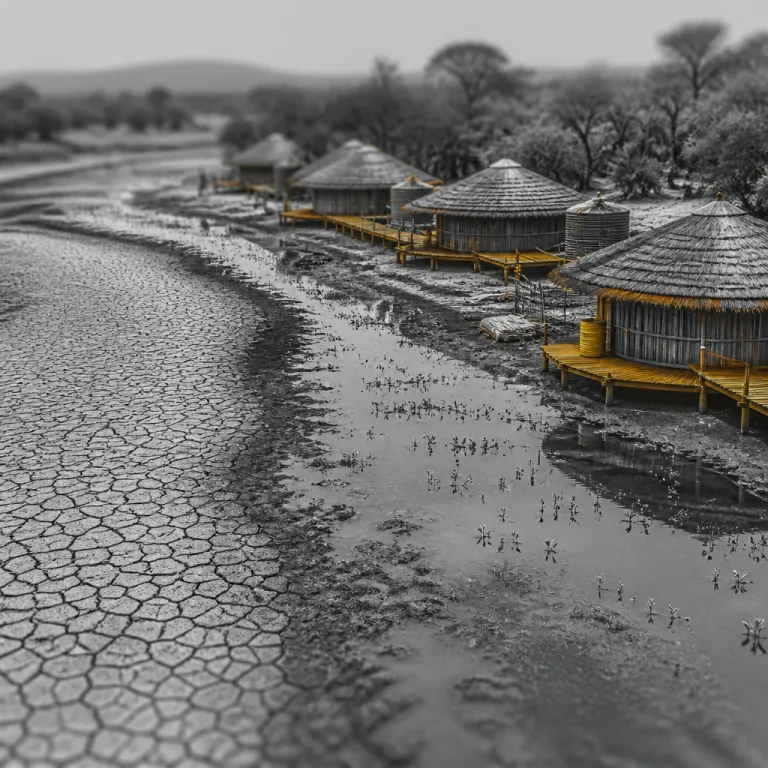
Namibia green season lodge transition: why late dry months matter
Late dry season in Namibia is when the desert exhales. During this transitional time, the first clouds build over the escarpment while wildlife still clusters tightly around shrinking waterholes. For families planning an African safari, this is often the best time to balance wildlife viewing, comfortable temperatures and meaningful value across different lodges.
From Etosha National Park to the Skeleton Coast, the namibia green season lodge transition begins quietly, then accelerates once the first showers fall. The land shifts from bone dry to a faint green wash, and safari lodge managers start adjusting game drives, menus and maintenance schedules. This is also when peak season rates soften, creating a shoulder season window that rewards those willing to travel just before the full wet season arrives.
Think of the months from late August through October as Namibia’s hinge between extremes. The classic dry season still shapes wildlife behaviour, yet the promise of the coming green season hangs in the air. For families comparing costs with neighbouring Botswana or South Africa, this mid transition can offer the best combination of price, experiences and space to breathe.
How lodges prepare for the shift from dry to green
Behind the scenes, every lodge in Namibia treats this period as a controlled reset. Management teams review guest feedback and internal reviews, then plan staff rotations, refurbishments and training while occupancy dips from peak season highs. Some Skeleton Coast lodges close entirely for several weeks, using the quieter time to repair salt corroded decks, re canvas tents and recalibrate vehicles for the coming wet season.
In Etosha National and the private game reserve belts around it, safari lodge operators often shorten midday game drives as temperatures spike, then extend late afternoon outings to catch predators in cooler light. Kitchen teams adjust menus as certain fresh produce becomes harder to source overland, focusing on seasonal ingredients that travel well in the dry heat. Lodges provide more flexible dining times for families, knowing younger travellers tire quickly after long days on dusty roads.
Gondwana’s network, which spans more than 7 000 square kilometres of conservation land across Namibia, offers a textbook example of coordinated seasonal planning. Their lodges in the south prepare for the first green flush earlier than those near Etosha National, because the Namib’s coastal influence delays rain inland. This staggered approach allows the group to balance costs, move experienced guides between properties and keep wildlife viewing standards consistently high even as conditions change.
Pricing, cost transparency and value for premium families
For premium families, the namibia green season lodge transition is as much about cost as it is about clouds. From September onward, many luxury lodges quietly shift from peak season to shoulder season pricing, with rate reductions of roughly fifteen to thirty percent depending on location and room category. Those lower costs often coincide with some of the best time windows for wildlife viewing, before thick grass and full pans disperse animals during the heart of the wet season.
Several high end operators now package lodge stays with charter flights and guided activities, creating all inclusive offers that simplify budgeting for multi generational trips. When you compare the total costs of these packages with booking flights, transfers and game drives separately, the difference can be significant over ten or more nights. Families with a mid to upper budget often find that reallocating one or two nights from Botswana or South Africa to Namibia unlocks an extra safari lodge stay without increasing the overall cost of the journey.
If you are flexible on the exact time to visit, aim for the late June to September arc in the central regions, then slide into October for the first hint of green in the south. Our detailed guide to the September shoulder season and when Namibia’s best lodges drop rates breaks down these shifts property by property. Use those patterns to align school calendars, flight availability and your preferred balance between luxury, cost and solitude.
From ochre to green: what early arrivals actually see
Arrive in Namibia just as the first storms roll in and you witness a rare transformation. Within days, parched gravel plains near Sossusvlei and the Namib Rand take on a faint green sheen, while distant dunes glow under bruised skies. This is the namibia green season lodge transition at its most photogenic, when the land holds both dry season clarity and wet season drama.
In Etosha National, the famous white pan remains stark, but Fischer’s Pan and surrounding depressions start to collect shallow water that draws flamingos and other migratory birds. Wildlife viewing shifts from the hard edges of waterholes to softer scenes of antelope grazing on fresh shoots, with predators adjusting their hunting patterns accordingly. Guides adapt game drives to follow these changes, sometimes trading long dust laden loops for shorter, more focused circuits around newly active areas.
Along the Skeleton Coast, the contrast is even more striking. The sea remains cold and steel blue, yet ephemeral riverbeds inland sprout sudden green ribbons that attract desert adapted wildlife. Families staying at lodges here often split their time between marine focused experiences and inland drives, watching how the first rains reshape both dunes and animal movements.
Wildlife patterns between dry season and wet season
During the late dry season, wildlife in Namibia behaves with almost mathematical predictability. Elephants, lions and plains game converge on permanent water sources, making sightings frequent but often crowded around the same few pans. As the green season begins, those tight clusters loosen, and wildlife viewing becomes more about reading tracks, vegetation and weather than simply parking at a waterhole.
Guides who have worked through many cycles of dry season and wet season understand these nuances intimately. They know that the best time for certain species may shift by weeks between one year and the next, depending on when the first storms break. For families, this means game drives during the namibia green season lodge transition can feel more exploratory, with fewer vehicles and a greater sense of shared discovery between guide and guests.
In private game reserve areas bordering Etosha National, early green season often brings dramatic predator prey interactions on newly softened ground. Cheetahs use the slightly taller grass for cover, while oryx and springbok test the first flush of grazing. Lodges provide detailed briefings each evening, helping guests understand how the changing season shapes what they saw that day and what they might reasonably expect tomorrow.
Light, skies and the aesthetics of the green season
For many repeat visitors, the real luxury of this period is not a spa treatment but the sky. Late afternoon thunderheads stack over the Khomas Hochland, casting moving shadows across the Namib’s dune sea and turning routine game drives into cinematic experiences. Photographers speak of this time as Namibia’s most expressive season, when the land’s minimalism is offset by maximalist weather.
Night skies also shift subtly as humidity rises, yet Namibia remains one of the best places on the continent for astrophotography throughout much of the green season. If stargazing is a priority for your family, consider combining a central lodge stay with a night or two at Tivoli, whose dark sky observatory is profiled in our guide to astrophotography at Namibia’s most productive dark sky farm. The contrast between storm lit sunsets and crystal clear post frontal nights can be extraordinary for both adults and children.
Even coastal regions benefit from this seasonal play of light. In Swakopmund and Walvis Bay, the meeting of Atlantic fog and inland heat creates layered horizons that feel almost abstract. Families who time their visit to coincide with the namibia green season lodge transition often return with images that look unlike any other African safari, precisely because the land is in motion rather than locked into one visual mood.
Inside the operations: how Namibia’s lodges reset between seasons
While guests focus on wildlife and weather, lodge teams focus on readiness. The namibia green season lodge transition is when managers decide which rooms to take offline, which vehicles to overhaul and which decks to sand before the next peak season. This operational choreography keeps luxury standards high while controlling long term costs.
In many safari lodge properties, staff rotations are timed to coincide with the first rains. Senior guides may move from intensely busy Etosha National circuits to quieter game reserve postings, bringing hard earned dry season experience to new landscapes. Kitchen and front office teams use the relative lull to refine service sequences, update wine lists and test new menus that reflect both the green season’s produce and evolving guest expectations.
Some Skeleton Coast camps, exposed to fierce Atlantic weather, close entirely for several weeks during this period. Their teams strip canvas, check solar systems and reinforce walkways before the next wave of guests arrives for the following dry season. For families, this means that a lodge you have read glowing reviews about in June might not be available in late October, so booking early and checking operational calendars is essential.
Gondwana and the art of managing multiple biomes
Gondwana’s portfolio, which spans desert, savannah and riverine environments, illustrates how a large operator manages seasonality at scale. Their lodges in southern Namibia often feel the green season first, while properties closer to Etosha National or the Zambezi region may remain in dry mode for weeks longer. This staggered pattern allows Gondwana to redeploy maintenance teams and share specialised skills, reducing overall costs without compromising guest experiences.
For premium families, one advantage of booking within such a network is the ability to design a route that tracks the season itself. You might start at a desert lodge just as the first green shoots appear, then move north to a game reserve where wildlife still behaves as if it is peak dry season. Lodges provide continuity in service style and safety standards, even as the landscapes and weather shift dramatically between stops.
Operationally, this also means Gondwana can offer more consistent value across different months. When one region enters its quieter shoulder season, another may still be in high demand, smoothing occupancy and allowing the group to keep mid range and luxury price points competitive. Families with a clear budget can use this to their advantage, pairing a higher cost flagship lodge with more accessible properties without sacrificing overall quality.
Safety, comfort and family friendly details
As the wet season approaches, safety protocols become more complex but also more visible. Lodge managers brief guides on changing road conditions, lightning risks and the behaviour of rivers that may flash flood after distant storms. Vehicles are checked more frequently, and game drives are sometimes rerouted to avoid low lying crossings that become unpredictable once the green season is fully underway.
For families, the most tangible change is often in how lodges provide comfort. Open decks gain extra shade, plunge pools are monitored more closely for temperature, and room configurations are adjusted to maximise airflow during warmer nights. Many properties introduce lighter bedding and offer more flexible laundry services, knowing that children may return from afternoon activities soaked from sudden showers rather than just dust.
Thoughtful operators also adjust activity timing to maintain comfortable temperatures for younger travellers. Morning game drives may start slightly earlier to capture cooler hours, while afternoon outings leave later to avoid the harshest mid day heat. This is where the namibia green season lodge transition rewards careful planning, because the same three hour drive can feel either exhilarating or exhausting depending on when you set out.
Linking Namibia with other southern African destinations
Many families considering Namibia at this time are also weighing Botswana or South Africa. The key is understanding how each country’s season aligns, and how that affects both wildlife viewing and cost. While Botswana’s Okavango may still be in its own peak season, Namibia can already be sliding into a more affordable shoulder season, especially from late September onward.
One strategy is to anchor your African safari around a marquee experience elsewhere, then use Namibia as the place where you stretch both time and budget. For example, you might pair a few nights at a high profile crater rim property in East Africa, such as those profiled in our feature on an opulent safari retreat on the Ngorongoro Crater rim, with a longer, more spacious circuit through Namibia’s lodges. The contrast between lush volcanic landscapes and Namibia’s emerging green desert can be powerful for children learning how varied the continent’s ecosystems really are.
Whatever combination you choose, treat the namibia green season lodge transition as a design tool rather than a constraint. By aligning your route with the way the season moves across southern Africa, you can secure better value, richer experiences and a more coherent story for your family’s journey. The result is a trip that feels intentionally crafted rather than stitched together from whatever was left at peak season rates.
Planning your family trip around Namibia’s green season
Designing a family itinerary around the namibia green season lodge transition starts with an honest look at your priorities. If your children dream of dense wildlife around every waterhole, lean slightly earlier toward the classic dry season while rates are just beginning to soften. If they are more captivated by storms, colours and space, aim for the weeks when the first green appears but before heavy rains make some tracks unreliable.
Think in arcs rather than single dates. The period from June to September generally offers the best time for concentrated wildlife viewing in Etosha National and many private game reserve areas, with clear skies and cool nights. From late September into the season December window, the balance tilts toward dramatic skies, fewer vehicles and more dynamic landscapes, especially in southern and coastal Namibia.
Families with school constraints often find October particularly forgiving. European half term holidays align neatly with Namibia’s early green season, when comfortable temperatures still prevail in most regions and humidity has not yet peaked. This is also when many luxury lodges provide their most attractive shoulder season offers, allowing you to upgrade room categories or add an extra night without breaking the budget.
Choosing regions and lodges for different ages
For younger children, base yourself in one or two key regions rather than attempting to cross the entire country. Etosha National and its surrounding private reserves offer a strong combination of wildlife density, varied game drives and relatively short transfer times between lodges. Many properties here are well practised at hosting families, with interleading rooms, child friendly menus and guides who understand shorter attention spans.
With teenagers, you can stretch the map further. Combine a classic safari lodge near Etosha National with time on the Skeleton Coast, where quad biking, fat biking and marine cruises add variety to traditional wildlife viewing. In the south, desert lodges provide access to dune climbs and hot air ballooning, which feel particularly otherworldly when the first green threads appear across the sand.
Whichever regions you choose, pay close attention to how lodges provide information about the season. Properties that publish clear, honest descriptions of expected conditions, wildlife patterns and operational changes during the green season are usually those that handle guest expectations best. Read recent reviews with an eye for how families describe staff communication around weather disruptions, road closures or altered activity schedules.
Budgeting, hidden costs and when to book
From a financial perspective, the namibia green season lodge transition rewards those who plan early but travel slightly later. Booking six to nine months ahead often secures access to the most family friendly room configurations, which are limited even at larger luxury properties. At the same time, you can still benefit from shoulder season pricing that kicks in once peak season has passed.
When comparing offers, look beyond the headline rate to understand total costs. Some lodges include twice daily game drives, park fees and most drinks in their nightly price, while others charge separately for activities, transfers and conservation levies. For a family of four over ten nights, these structural differences can outweigh a seemingly higher base rate at a more inclusive property.
Also factor in the cost and time of reaching each lodge. Remote Skeleton Coast camps or far northern game reserve properties may require charter flights that add significantly to the budget, even if the nightly rate looks attractive in the green season. Balancing one or two such splurges with more accessible lodges near main routes can keep the overall journey both special and sustainable.
Climate, comfort and realistic expectations
Finally, set expectations with your family about what the green season feels like on the ground. Comfortable temperatures dominate mornings and evenings, but mid day can be hot and occasionally humid, especially as the wet season approaches. Pack light, breathable clothing, a good rain jacket for sudden storms and closed shoes that can handle both dust and mud.
Explain to children that wildlife viewing may be less concentrated than in the heart of the dry season, yet often more rewarding in terms of behaviour and scenery. They may see fewer animals at a single waterhole, but more varied interactions across a wider landscape. Emphasise that this is the time when Namibia itself feels most alive, with insects, birds and plants responding visibly to each new shower.
Approach the namibia green season lodge transition not as a compromise, but as a deliberate choice to witness a country in motion. For many families, that movement between dry and green becomes the defining memory of their African safari, long after specific sightings have blurred. The land’s shift, and the way lodges adapt to it, tells a deeper story than any single game drive ever could.
FAQ
Is the early green season a good time for wildlife viewing in Namibia ?
The early green season in Namibia can be excellent for wildlife viewing, especially in Etosha National and surrounding private reserves. Animals begin to spread out from permanent waterholes, but vegetation is still relatively low, so visibility remains good. You also benefit from fewer vehicles and softer light, which many photographers and families prefer.
How does the cost of lodges change between dry season and green season ?
Most mid range and luxury lodges in Namibia reduce rates by roughly fifteen to thirty percent as they move from peak dry season into shoulder season and then toward the green season. The biggest savings usually appear from late September through the season December period, depending on region. Inclusive packages that bundle game drives, meals and transfers can offer particularly strong value for families.
Are road conditions difficult during the green season transition ?
During the initial namibia green season lodge transition, most main roads remain in good condition, and self drive itineraries are still feasible for confident drivers. Challenges increase once heavier rains arrive, especially on gravel tracks in remote game reserve areas or along the Skeleton Coast. If you are travelling with children, consider using lodge transfers or charter flights for the most remote sections.
What is the best time to visit Namibia with children around this transition ?
For families, late September through October often offers the best balance between wildlife viewing, comfortable temperatures and reduced costs. This period usually falls just after peak season but before the heaviest rains, so activities run smoothly and humidity is manageable. It also aligns well with many international school calendars, making it easier to plan a longer trip.
How far in advance should we book lodges for the green season transition ?
Booking six to nine months in advance is sensible for the namibia green season lodge transition, especially if you need family suites or interleading rooms. Popular safari lodge properties near Etosha National and the Skeleton Coast can fill early, even outside peak season. Early planning also gives you more flexibility to combine different regions and manage overall travel costs.