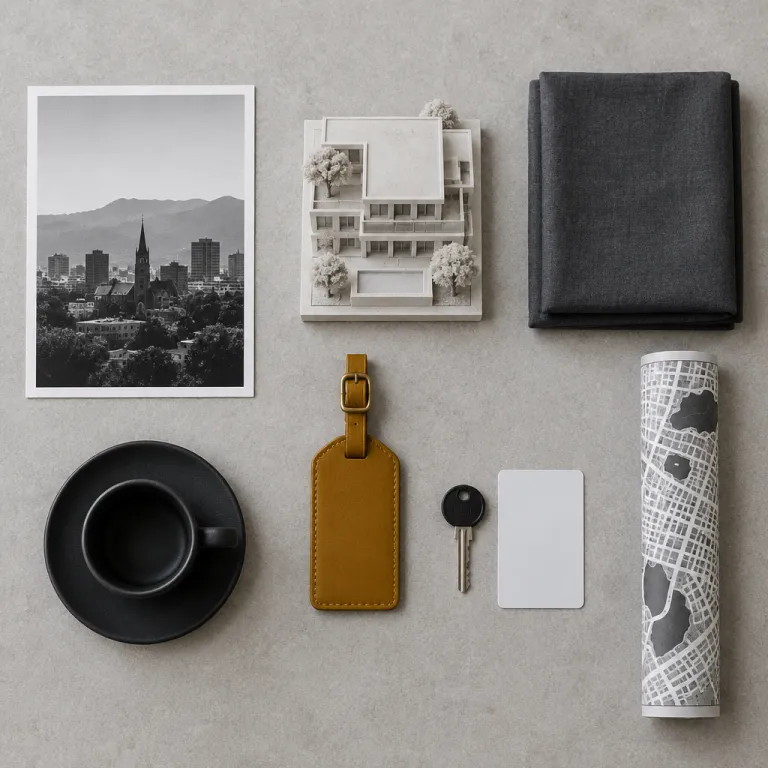
Why Namibia’s capital Windhoek anchors a luxury itinerary
Windhoek sits almost exactly in the centre of Namibia, making the capital a natural hub for luxury travellers. The city links remote safari lodges in the north and south with international flight routes, so a premium hotel booking here shapes the rhythm of your entire journey. In this compact capital, Namibia offers refined stays that balance urban comfort with easy access to wild landscapes.
Windhoek lies in the Khomas Region on a high plateau, where the semi arid climate keeps skies clear and nights cool. The average temperature in the city ranges roughly between 7 °C on winter mornings and 30 °C on summer afternoons, which means luxury hotels can confidently design outdoor pools, rooftop bars, and open air lounges. Because the climate in this part of southern Africa is relatively dry, many premium properties invest heavily in reliable water supply systems and discreet landscaping that respects the fragile environment.
The capital is also the administrative heart of the Namibian government, so Windhoek attracts diplomats, executives, and high net worth leisure guests. This mix of travellers has pushed sustained development in the luxury and premium segment over the past years, with new properties opening in the central business area and on the surrounding hills. When you plan a stay in Windhoek, you benefit from this concentration of upscale services, from fine dining to private transfers and curated excursions at established addresses such as the Hilton Windhoek, Am Weinberg Boutique Hotel, and The Weinberg Urban Park.
Understanding Windhoek’s climate, seasons, and the best time to book
Planning a luxury stay in Namibia’s capital starts with understanding the local climate and how it shapes hotel demand. Windhoek experiences its coolest period around June and July, when crisp mornings and sunny days create ideal conditions for walking tours and museum visits. During these winter months in the Khomas Region, the average temperature in the capital often stays in the low twenties during the day, which many travellers from South Africa and Europe find pleasantly mild.
From about November to March, central Namibia enters its warmer and wetter season, when afternoon thunderstorms can briefly sweep across the city. Even then, the climate remains manageable for most visitors, and luxury hotels adapt with shaded terraces, misting systems, and carefully managed water supply to keep pools and spas inviting. If you are considering a broader itinerary that includes Etosha or the coast, it is worth reading a detailed guide to a green season Namibia trip, then aligning your Windhoek bookings with those regional patterns.
Because the capital is the main international gateway for Namibia, peak booking periods often mirror school holidays in South Africa and major European markets. Luxury and premium hotels in Windhoek can fill quickly during July and around festive seasons, so advance reservations secure better suites and more flexible cancellation terms. When you match your preferred climate with these demand cycles, you can time your stay in the city for both comfort and value.
German colonial heritage and cultural landmarks around Independence Avenue
Walking through central Windhoek, you immediately sense how the German colonial era has shaped the city’s architecture and cultural landmarks. Along Independence Avenue, the main artery of the capital, you will see a mix of modern glass towers, national institutions, and carefully preserved German colonial buildings that now house cafés, galleries, and luxury offices. For travellers choosing premium hotels in the city centre, proximity to this area offers both convenience and a strong sense of place.
One of the most striking monuments from the colonial era is the Christ Church, a sandstone Lutheran church that rises above the city with its distinctive spire. Nearby stands the Alte Feste, the old Feste Fortress that once served as a German military stronghold and later as a museum dedicated to Namibia’s complex history. Many high end properties in Windhoek arrange private guided walks that connect Christ Church, the Alte Feste fortress, and Independence Avenue, allowing guests to understand how Namibia’s German history still influences the capital’s identity.
As Namibia continues its development, national and local authorities have converted several colonial buildings into cultural venues and museums that tell stories from multiple perspectives. Luxury travellers often appreciate curated visits that explore how the Namibian government and community leaders are reframing the narrative of the German colonial period while promoting contemporary Namibian art. One concierge at a boutique hotel near Independence Avenue likes to say that “an afternoon on these streets tells you more about the country than a stack of guidebooks,” and many guests use Windhoek as their cultural starting point before heading into rural regions.
From national museums to local flavour: what to see and taste in Windhoek
Beyond its role as the capital, Windhoek offers a compact but engaging selection of museums, galleries, and culinary experiences. The city hosts several national institutions where you can trace the country’s journey from the colonial era through independence and into modern statehood. Many luxury hotels in the capital can arrange private museum tours with expert guides who explain how Namibia’s German history, regional politics, and African identity intersect.
Close to the Alte Feste fortress and Christ Church, you will find key museum collections that highlight archaeology, ethnography, and the struggle for self determination in Namibia. These institutions often present exhibits in more than one language, typically English and at least one local language, which reflects the multicultural character of Windhoek and the wider Khomas Region. After a morning of museum visits, many travellers enjoy returning to their hotel for a refined lunch that blends German influences with local ingredients from across Africa.
Food in the capital often mirrors the country’s layered history, with menus that might pair traditional Namibian game with South African wines and German style pastries. Upscale restaurants in Windhoek work closely with local suppliers from the surrounding region, supporting sustainable development while offering guests seasonal produce. When you book a luxury stay in the city, ask your concierge for restaurant recommendations that showcase both national dishes and contemporary interpretations of African cuisine at places such as Joe’s Beerhouse, Stellenbosch Wine Bar, or the rooftop venues at larger international hotels.
Practical luxury: areas, access, and how to choose your Windhoek hotel
Choosing where to stay in Windhoek Namibia depends on how you plan to use the city within your broader journey. Travellers who treat the capital as a brief stop between international flights and remote lodges often prefer hotels close to main arterial roads leading south and north, which simplifies transfers. Others who want to explore the city in more depth may select properties in central areas near Independence Avenue, museums, and major Namibian government buildings.
The Khomas Region around Windhoek offers several distinct areas for premium stays, from hillside retreats with sweeping views to urban hotels integrated into mixed use developments. Properties in elevated neighbourhoods often highlight the pleasant climate and average temperature with large terraces, outdoor pools, and open air dining that take advantage of cool evenings. Central hotels, by contrast, emphasise quick access to national institutions, the State House, and business districts, which suits guests with meetings or early departures.
When evaluating luxury options in the capital, consider practical details such as secure parking, reliable water supply, and multilingual staff who speak more than one local language. Many high end properties also provide concierge teams familiar with regional connections to South Africa and other parts of Africa, which helps when arranging onward flights or private charters. One frequent visitor describes Windhoek hotels as “the quiet control room of a Namibian safari,” and reading in depth travel articles about the city and comparing verified guest feedback will help you match each hotel’s character with your own expectations for service and privacy.
Windhoek as a gateway to wider Namibian and southern African journeys
Because Windhoek Namibia is the main international entry point, most luxury itineraries in the country begin or end in this city. The capital’s airport connects Namibia to hubs in South Africa and beyond, allowing travellers to combine a stay in the city with safaris in neighbouring countries or coastal escapes. Many premium hotels in Windhoek specialise in seamless arrivals and departures, offering private transfers, early check in, and late check out to match international flight schedules.
From the Khomas Region, you can easily reach iconic destinations such as Sossusvlei, Etosha, and the Skeleton Coast, often via short charter flights arranged through your hotel or tour operator. Some travellers pair a stay in the capital with a journey to Victoria Falls, using a detailed guide to an elegant safari lodge near the Zambezi National Park as inspiration for cross border planning. In this way, the city becomes not just a transit point but a refined anchor for a wider exploration of southern Africa.
While planning, remember that South African and Namibian school holidays can significantly affect availability in both Windhoek and regional lodges. Luxury properties in the capital often coordinate closely with partners across Africa to manage peak demand, especially during July and other busy periods. By treating Windhoek as the strategic centre of your itinerary, you can design a journey that flows smoothly between urban comfort and remote wilderness.
Key figures and contextual statistics about Windhoek and Namibian travel
- Windhoek’s elevation is roughly 1 700 metres above sea level, which contributes to its relatively mild average temperature compared with many other cities at similar latitudes in Africa (based on data published by the Namibian Meteorological Service and regional climate summaries).
- Tourism contributes around 10 % to Namibia’s gross domestic product, and a significant share of international arrivals pass through the capital as their first or last stop (according to estimates from the World Travel & Tourism Council and national tourism reports).
- South Africa remains one of the largest source markets for visitors to Namibia, with hundreds of thousands of South African travellers entering the country annually, many of them connecting through Windhoek (figures reported by the Namibia Tourism Board and border statistics).
- The Khomas Region, which includes the capital, is one of Namibia’s most urbanised areas, with a population exceeding 400 000 residents, supporting a dense network of hotels, restaurants, and national institutions (statistics compiled by the Namibia Statistics Agency and recent census data).
- Average annual rainfall in Windhoek is roughly 360 millimetres, which makes careful management of water supply a priority for both the Namibian government and private sector developers in the luxury hospitality segment (information drawn from NamWater publications and environmental assessments).
FAQ about luxury and premium stays in Windhoek Namibia
Is Windhoek a good place to start a luxury safari in Namibia ?
Windhoek Namibia is an excellent starting point for a luxury safari because it hosts the main international airport and a strong network of premium hotels. From the capital, operators can arrange charter flights or road transfers to Etosha, Sossusvlei, and other regions. Many travellers spend one or two nights in the city to rest, adjust to the climate, and finalise logistics before heading into remote areas.
Which areas of Windhoek are best for high end hotel stays ?
For first time visitors, central districts near Independence Avenue and major museums offer convenient access to cultural sites and restaurants. Travellers seeking more seclusion often choose hillside neighbourhoods on the outskirts of the city, where properties highlight views, quiet surroundings, and the pleasant average temperature in the evenings. Both types of areas in Windhoek Namibia provide reliable water supply and easy connections to the airport and main roads.
How many days should I spend in Windhoek on a premium itinerary ?
Most luxury travellers allocate one to three nights in the capital, depending on flight schedules and personal interests. A single night may be enough if you are transiting quickly, while two or three nights allow time for museum visits, guided walks around Christ Church and the Alte Feste fortress, and relaxed dining. Longer stays in Windhoek Namibia suit guests who combine business with leisure or who enjoy exploring the capital’s evolving culinary and cultural scene.
Is Windhoek safe for upscale travellers, and what precautions are recommended ?
Windhoek Namibia is generally considered safe for visitors who follow standard urban precautions, such as using registered taxis, avoiding poorly lit areas at night, and storing valuables securely. Luxury hotels in the city typically provide controlled access, on site security, and trusted transport partners. As in many capitals in Africa and South Africa, situational awareness and guidance from your hotel concierge help ensure a comfortable stay.
Can I easily combine Windhoek with other southern African destinations ?
Yes, the capital connects efficiently with major hubs in South Africa and other parts of Africa through regular international flights. Many travellers pair a stay in Namibia Windhoek with time in Cape Town, Johannesburg, or Victoria Falls, using the city as a logistical and cultural anchor. Premium hotels and specialist tour operators can coordinate multi country itineraries that balance urban comfort with wilderness experiences.