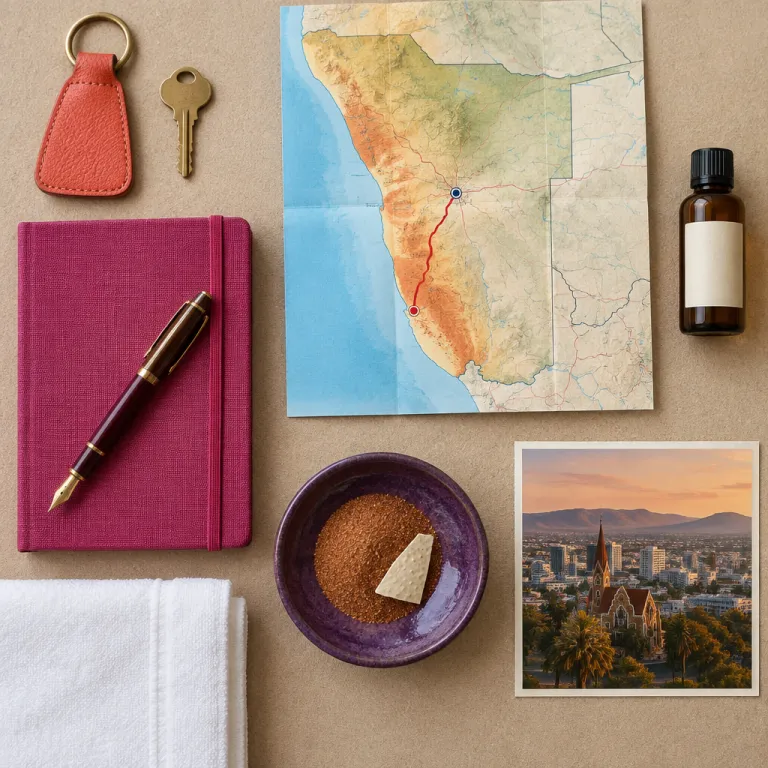
Windhoek, Namibia’s capital city as your elegant arrival hub
Windhoek, the capital of Namibia, greets you with a calm, ordered energy. This compact city in the Khomas Region sits almost exactly in the centre of the country, which makes the capital a natural starting point for luxury safaris and premium road trips across southern Africa. In Windhoek, upscale hotels such as Hilton Windhoek and Avani Windhoek Hotel & Casino cluster around the central business district, where the skyline blends African warmth with subtle German influences.
The city travellers encounter today reflects layered history and confident growth. During the German colonial era, Windhoek functioned as a strategic administrative post, and traces of that architecture still frame the modern government precincts. Around Independence Avenue, the main artery of the city, you move between polished shopping arcades, national institutions, and discreet five-star properties that understand the expectations of seasoned African travellers.
For guests arriving from South Africa or other regional hubs, the average temperature in Windhoek feels pleasantly moderate for much of the year. The semi-arid climate shapes everything from hotel pool design to how properties manage precious water, and the best luxury addresses communicate their sustainability practices clearly. When you book in the capital, look for hotels that explain how they support Namibia’s environmental goals while still delivering refined comfort in the heart of the city.
Where to stay in the namibia capital city for luxury and access
Choosing the right neighbourhood in the Namibian capital can transform a short stay into a seamless urban retreat. Around Independence Avenue, several premium hotels place you within walking distance of key national sites, high-end restaurants, and the main museum complex, which is ideal if you want to balance meetings with cultural exploration. This central Windhoek area also offers quick access to government offices, making it practical for business travellers who still expect a resort-level experience.
Many visitors prefer the quieter, leafy suburbs to the south and east of the city, where low-rise properties frame views of the surrounding Khomas highlands. Here, luxury lodges and premium guesthouses often combine expansive suites with pools, landscaped gardens, and attentive service that reflects both African hospitality and subtle German-Namibian heritage. When comparing options, look for properties that publish clear information about their water management, energy use, and climate resilience, since responsible operations matter in a semi-arid urban environment.
If your journey continues towards the Namib Desert, some travellers split their time between Windhoek and high-end lodges near Sossusvlei. For example, several luxury stays near the Sossusvlei dunes in Namibia’s Namib Desert are profiled in this guide to luxury stays near the Sossusvlei dunes, which pairs naturally with a night or two in the capital before or after your desert experience. This combination lets you enjoy the full spectrum of Namibia’s south, from the structured rhythm of Windhoek to the vast silence of the dunes, without compromising on comfort at any stage.
Culture, history, and architecture in Windhoek’s premium hotel districts
Staying in the Namibian capital gives you front-row access to the country’s evolving story. The population of Windhoek has grown steadily as the national economy diversified, and this growth is visible in the contrast between restored colonial buildings and contemporary glass facades. Luxury hotels often sit within walking distance of key historic sites, allowing you to move easily between poolside relaxation and curated cultural experiences.
The Alte Feste, sometimes called the Feste Fortress, stands on a hill above Independence Avenue and once anchored the German colonial military presence. Today, this former fortress and the nearby national museum complex trace the transition from colonial rule to the modern Republic of Namibia, and many guided tours start within minutes of major hotels. When you stay in central Windhoek, you can schedule a morning visit to the Alte Feste museum, return to your suite for a leisurely lunch, then head out again for an afternoon gallery visit or craft market stop.
Architecture lovers will notice how German influences appear in churches, civic buildings, and some early hotels, while newer properties embrace a more overtly African design language. Several premium addresses commission Namibian artists for large-scale works in lobbies and suites, which turns the capital into a living gallery for contemporary African creativity. For travellers who value both comfort and context, this blend of history, art, and hospitality makes Windhoek more than just a transit point on the way to the wider southern landscapes, especially when combined with experiences such as astrophotography at Tivoli under some of the clearest skies in Africa.
Planning day trips and wider journeys from the namibia capital city
Using the Namibian capital as a base allows you to sample several landscapes without constant packing and unpacking. From Windhoek, as some regional carriers label the airport, you can connect quickly to Etosha, Swakopmund, or the Skeleton Coast, then return to the city for a final night of urban comfort. Many premium hotels in the Khomas Region work closely with trusted operators to arrange private transfers, charter flights, or guided excursions tailored to your schedule.
Travellers interested in conservation often combine a stay in Windhoek with specialist experiences in the northwest. One notable example is the guided tracking of desert-adapted rhinos in the Palmwag Concession, described in detail in this feature on tracking desert adapted rhinos on the Palmwag Concession, which pairs well with a night in a refined city hotel before or after the journey. This pattern, where you alternate between the structured amenities of the capital and the raw drama of remote African landscapes, has become a hallmark of high-end travel in Namibia’s south.
When planning, pay attention to the climate and average temperature in each region you intend to visit, not only in the capital. Windhoek’s semi-arid climate differs from the coastal fog belt or the cooler highlands, and thoughtful packing ensures you remain comfortable in both luxury suites and open vehicles. Hotel concierges in the city are accustomed to advising on these details, and their local knowledge often extends well beyond the municipal boundary into the wider Republic of Namibia.
Climate, water, and sustainability in Windhoek’s luxury hospitality scene
The Namibian capital sits in a water-scarce environment, and responsible luxury here means understanding how climate and resources shape daily operations. Windhoek relies on a sophisticated mix of dams, groundwater, and reclaimed water, and leading hotels participate actively in conservation programmes that protect both guests and the wider population. For example, several upscale properties use dual-flush toilets, low-flow showerheads, and linen-reuse programmes, while others invest in rooftop solar panels and greywater systems that irrigate indigenous gardens.
Average temperature patterns in the Khomas Region influence everything from pool design to evening dining settings. Many high-end hotels in the city orient terraces to capture cooling breezes, while thick walls and thoughtful shading reduce reliance on air conditioning in the often intense African sun. This climate-responsive architecture, sometimes informed by both Namibian traditions and older German building techniques, allows guests to enjoy comfort without excessive environmental cost.
The Government of Namibia has set clear priorities around sustainable growth and resilience, and the hospitality sector in the capital increasingly aligns with these goals. Some properties publish sustainability reports or reference municipal initiatives from platforms such as the official City of Windhoek website, which outline how the city manages long-term water security and urban planning. For travellers who care about the future of Namibia’s south, choosing hotels that engage seriously with these issues is a meaningful way to support the Republic of Namibia’s broader development.
Practical tips for booking premium stays in Windhoek and beyond
Booking a luxury hotel in the Namibian capital starts with timing and clarity about your priorities. The month of July and other peak travel periods see higher demand, especially when regional events or government meetings coincide with school holidays. If you plan to combine time in Windhoek with safaris or coastal stays, reserve your city nights as early as your lodge bookings to avoid gaps.
Consider how many nights you truly need in Windhoek, based on arrival times, onward connections, and your interest in the city’s history. Some travellers spend only one night in the capital, while others allocate two or three nights to explore the Alte Feste museum, Independence Avenue, and nearby national institutions at a relaxed pace. The right balance depends on whether you view the capital primarily as a logistical hub or as a destination that showcases Namibian culture, economy, and governance.
When comparing properties, pay attention to how each hotel positions itself within the wider story of Windhoek and the Republic of Namibia. Some emphasise proximity to government offices and corporate districts, while others highlight art collections, wellness facilities, or curated excursions into the Khomas Region and beyond. In every case, a thoughtful choice in the capital sets the tone for your entire journey across South Africa’s western neighbour, anchoring your experience of both urban sophistication and the vast African landscapes that unfold beyond the city.
Key figures about Windhoek and the namibia capital city experience
- The population of Windhoek is estimated at around 475,000 residents as of 2023, which makes the city the largest urban centre in Namibia and the primary gateway for most international visitors to the Republic of Namibia (data from the Namibia Statistics Agency and World Population Review, 2023).
- Windhoek’s elevation is roughly 1,700 metres above sea level, and this altitude helps moderate the average temperature, creating cooler evenings than many travellers expect in southern Africa’s semi-arid regions (information from the Namibia Meteorological Service).
- Tourism contributes roughly 10 percent to Namibia’s gross domestic product, and a significant share of high-value trips begin or end in the capital, where premium hotels and services cluster around Independence Avenue and the wider Khomas Region (figures from the World Travel & Tourism Council, 2022).
- Namibia is classified as one of the most arid countries south of the Sahara, and Windhoek’s advanced water reclamation systems are often cited as a model for other African cities facing similar climate and resource pressures (reported by the International Water Association).
FAQ about luxury stays in Windhoek, Namibia’s capital city
How many nights should I spend in Windhoek at the start of my trip ?
Most travellers spend one or two nights in the Namibian capital to recover from flights, adjust to the climate, and finalise logistics. If you are interested in museums, architecture, and national institutions, consider adding an extra night to explore the Alte Feste, Independence Avenue, and nearby cultural sites. Business travellers meeting government officials or partners may also benefit from a longer stay in the city.
Is Windhoek safe for luxury travellers who want to walk between hotels and restaurants ?
Central areas of the capital, especially around major hotels and Independence Avenue, are generally safe during daylight hours when you follow normal urban precautions. At night, many visitors choose short taxi rides or hotel-arranged transfers between restaurants and properties, which premium hotels in Windhoek can organise easily. As in any African capital, keep valuables discreet and ask your concierge for the latest local advice.
What is the best time of year to visit the namibia capital city for comfortable weather ?
The dry season, including the month of July, usually offers clear skies, low humidity, and a pleasant average temperature in the Khomas Region. Days are warm and sunny, while evenings in the city can feel cool due to altitude, so layered clothing works well. Many luxury travellers time their stay in Windhoek to coincide with safari seasons in other parts of Namibia’s south.
How does Windhoek connect to other destinations in Namibia and south africa ?
Windhoek is the main air hub for the Republic of Namibia, with Hosea Kutako International Airport linking the capital to Johannesburg, Cape Town, and other South African and regional cities. Typical non-stop flights between Windhoek and Johannesburg take about two hours, while services to Cape Town usually run just over two hours depending on routing. From the capital, domestic flights and well-maintained roads connect you to Etosha, Swakopmund, Sossusvlei, and the Skeleton Coast.
Are luxury hotels in Windhoek involved in sustainability and water conservation efforts ?
Because the Namibian capital faces long-term water and climate challenges, many high-end properties participate in conservation initiatives and align with municipal strategies shared through official City of Windhoek channels. Common measures include water-saving fixtures, greywater reuse, solar energy, and support for local environmental projects in the Khomas Region. When booking, you can ask hotels in Windhoek to explain their sustainability policies, which helps you choose options that match your values.