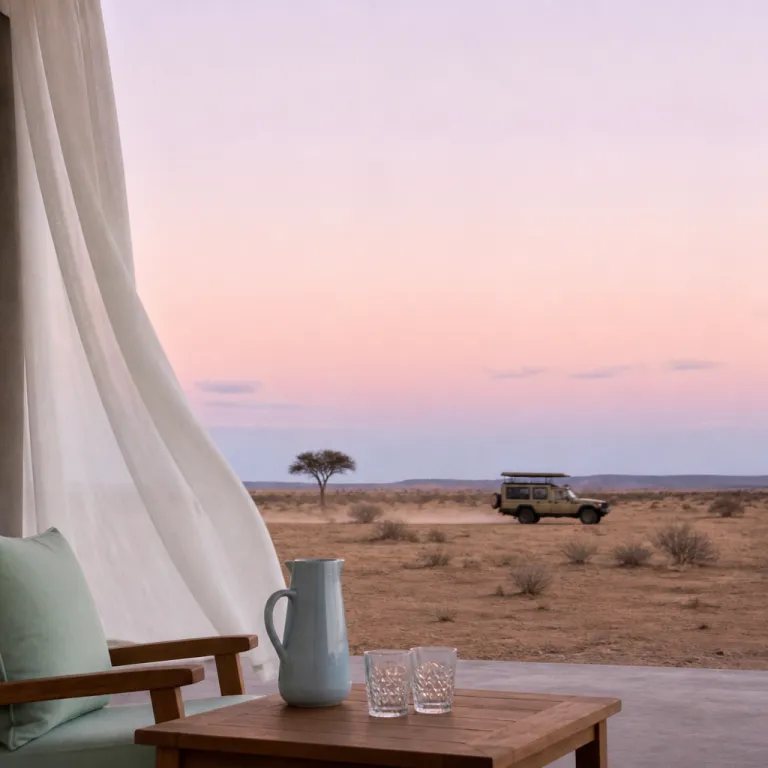
Why a safari in Namibia is perfect for luxury travellers
Namibia sits on the south western edge of Africa and offers rare space. This makes every safari day feel cinematic, because the desert horizons, wildlife rich plains and Atlantic coastline combine into one seamless travel narrative. For guests who value privacy and comfort, a carefully planned safari Namibia journey will balance remote locations, refined service and effortless logistics.
Across southern Africa, few destinations rival Namibia for contrast between the Namib Desert, the Skeleton Coast and the wildlife packed Etosha National Park. Luxury travellers can visit these areas in a single tour, moving from red sand dunes to white salt pans and then to the cool Atlantic in just a few days. When you plan a Namibia safari with premium lodges and private guides, you gain time efficiency and deeper access to fragile ecosystems.
High end properties in Namibia often sit inside or beside a nature reserve, which means wildlife viewing starts at your suite. Many of these lodges partner with conservation organisations so that each stay directly supports protected areas that now cover roughly 20 % of the country, according to Namibia’s Ministry of Environment, Forestry and Tourism (MEFT, 2022 overview). For travellers comparing Namibia safaris with options in South Africa or other parts of southern Africa, the low visitor density and vast open area create a sense of exclusivity that feels genuinely rare.
Choosing the right region: Etosha, the Namib Desert and the Skeleton Coast
Etosha National Park is the classic wildlife magnet for any safari Namibia itinerary. The huge Etosha salt pan draws elephants, lions, rhinos and plains game, so a single day around the waterholes can rival longer tours elsewhere in Africa. Luxury travellers often combine a stay inside Etosha National Park with nights in a private reserve on the park boundary, gaining both crowd free game drives and access to specialist photographic hides.
For guests focused on immersive wildlife experiences, curated Etosha park safari experiences for luxury travellers explain how to structure game drives, night drives and guided walks. These Etosha and Etosha National area lodges typically use custom 4x4 vehicles, binoculars and cameras to maximise sightings while maintaining strict park rules. When you compare Etosha tours with those in South Africa, you will notice that the open landscapes and fewer vehicles around each sighting create calmer, more photographic encounters with wildlife.
The Namib Desert and the wider Namib Naukluft National Park region offer a different kind of Namibia safari, centred on dunes and desert adapted species. Around Sossusvlei sand formations and the towering sand dunes of the Namib Desert, luxury travellers stay in desert lodge properties that frame views of the Namib and its shifting colours. Farther north, the Skeleton Coast combines Atlantic fog, shipwrecks and seal colonies, and high end lodges in this coastal area use fly in access to keep the experience exclusive and low impact.
Private reserves and desert lodges for tailored safari Namibia experiences
Many of the most refined safari Namibia stays happen on private reserves bordering national parks or in remote desert lodge concessions. In these areas, lodge operators can adjust drive times, walking routes and sundowner stops to match each guest’s pace and interests. This flexibility is ideal for travellers who want to balance wildlife viewing with time to relax in their suite, enjoy spa treatments or simply watch the desert light change.
In the Namib Naukluft region, properties such as &Beyond Sossusvlei Desert Lodge use private concessions within the Namib Naukluft and adjacent NamibRand Nature Reserve to offer guided hikes, e biking and stargazing alongside classic game drives. These NamibRand Nature and Naukluft National landscapes are rich in oryx, springbok and smaller desert wildlife, so each tour reveals how animals adapt to extreme aridity. For guests interested in conservation, guides explain how more than 20 % of Namibia is now under some form of protection, including national parks, communal conservancies and private nature reserve projects.
Tracking desert adapted elephants on foot in the north west has become a signature adventure for experienced travellers. Detailed guidance on tracking desert adapted elephants on foot shows how a few concessions still follow strict protocols to keep both people and wildlife safe. When you stay at a high end camp in this area, your day often starts before sunrise, with a private guide planning the route according to overnight tracks, water availability and the latest conservation data.
Designing your day: from sunrise dunes to starlit dinners
A well planned safari Namibia itinerary treats each day as a carefully paced arc. On a typical first morning in the Namib Desert or Namib Naukluft area, you might receive a wake up call around 05:00, followed by coffee and a short drive to the nearest dunes or wildlife rich valley. This timing lets you reach Sossusvlei sand formations or Etosha waterholes in the soft light when wildlife is most active and temperatures are still mild.
After two to three hours of game viewing or climbing sand dunes, guests return to the desert lodge or private camp for a late breakfast and time to rest. Many luxury properties in Namibia and across southern Africa offer shaded pools, spa treatments and in room dining so that the hottest time of day becomes a restorative pause. On a second day, you might spend the early afternoon in your suite, then join a shorter game drive, a guided walk to view rock art or Twyfelfontein rock engravings, or a scenic flight over the Skeleton Coast and Walvis Bay area.
Evenings on a Namibia safari are often the most atmospheric, especially in remote desert or nature reserve settings. Sundowner drives end on a ridge or dune crest, where you will watch the sun drop behind the Namib while your guide explains the surrounding wildlife and geology. After dark, many lodges dim external lights so that the night sky above Namibia, South Africa and the wider southern Africa region becomes a highlight in itself, with starlit dinners turning each stay into a memorable event.
Food, wine and service standards at luxury Namibian lodges
High end lodges across Namibia have raised their culinary standards to match those in leading South Africa properties. Menus now highlight local ingredients from the desert and central highlands, while still offering international favourites for longer travel itineraries. Guests on a safari Namibia journey can expect plated breakfasts, multi course dinners and carefully curated wine pairings even in remote desert lodge locations.
For wine enthusiasts, an in depth look at the wine list at a desert lodge explains why labels from the Cape winelands in South Africa dominate most cellars. Sommelier teams balance these South African wines with a growing selection from other parts of southern Africa and beyond, ensuring that each stay feels both regional and cosmopolitan. Service teams are usually small but highly trained, which means your preferences for meal times, activity pacing and privacy will be remembered across multiple days.
Because many lodges operate inside a national park or private reserve, logistics around supplies and staffing are complex. Operators such as Namibia Wildlife Resorts, which manages accommodation inside several national parks, coordinate closely with conservation authorities to minimise environmental impact. Guests benefit from this behind the scenes work through reliable hot water, stable power and consistent food quality, even when the nearest town or coastal area like Walvis Bay lies several hours away by road or air.
Planning, timing and booking: how to secure the right safari Namibia
Securing the best lodges and guides for a safari Namibia trip requires early planning, especially for peak dry season months. Local advice confirms that May to October offers optimal wildlife viewing, with MEFT and Namibia Tourism Board guidance both highlighting this period as the prime game viewing window. During this time, water sources shrink in Etosha and other parks, concentrating wildlife and making each day in the reserve more productive for sightings.
When deciding between self drive and guided tours, remember that a 4x4 vehicle is strongly recommended for remote areas and gravel or sand tracks. Many luxury travellers choose a hybrid approach, using self drive for main roads between Windhoek, the Namib Desert and the south, then switching to fly in or guided tours for more remote national park and nature reserve areas. If you prefer a fully hosted experience, guided safaris with numerous specialist operators are widely available, and partners such as Stro Safaris & Tours in Walvis Bay can design private or small group itineraries.
Whatever style you choose, booking through a specialist platform focused on Namibia safaris ensures that each stay, transfer and tour is aligned with conservation goals. The national context matters here, because about 20 % of Namibia is under formal protection, and eco friendly lodges are central to both tourism revenue and wildlife security. By planning your time carefully across Etosha National Park, the Namib Desert, the Skeleton Coast and selected southern Africa extensions, your trip will support local communities while delivering a deeply personalised adventure.
Key statistics for luxury and premium safaris in Namibia
- Protected areas cover about 20 % of Namibia, according to the Ministry of Environment, Forestry and Tourism’s 2022 conservation overview, which means a significant share of every safari Namibia itinerary takes place inside a national park, communal conservancy or private nature reserve.
- Namibia received around 1.6 million visitors in 2019, based on Namibia Tourism Board and UNWTO data, and a growing share of this travel segment chooses luxury lodges and private reserves for higher comfort and lower environmental impact.
- Safari tourism in Namibia operates year round, but the dry season from May to October concentrates wildlife around water sources, increasing sighting reliability and making this period the most requested time for high end Namibia safaris.
- Operators report a steady rise in eco friendly lodges and community based conservation initiatives, which strengthens the link between each guest stay and long term wildlife protection across southern Africa.
Frequently asked questions about luxury safaris in Namibia
What is the best time for a luxury safari in Namibia ?
The prime time for a luxury safari Namibia itinerary is the dry season from May to October, when vegetation is sparse and wildlife gathers at waterholes. Cooler temperatures make game drives in Etosha National Park, the Namib Desert and private reserves more comfortable. High demand during this period means you should secure your preferred lodges and tours many months in advance.
Do I need a 4x4 vehicle for a premium self drive safari ?
A 4x4 is strongly recommended for self drive Namibia safaris, especially when you plan to visit remote areas or cross gravel and sand tracks. While some main roads between Windhoek, the south and coastal towns are paved, access routes to desert lodge properties, dunes and certain park gates often require higher clearance. If you prefer not to drive, guided tours and fly in options provide the same access with professional drivers and local expertise.
Are guided luxury tours widely available in Namibia ?
Guided tours are widely available and range from private, fully customised itineraries to small group departures focused on specific themes such as wildlife, rock art or photography. Operators like Stro Safaris & Tours in Walvis Bay specialise in coastal and desert experiences, while other partners focus on Etosha and inland reserves. Choosing a guided option can simplify logistics, enhance safety and provide deeper insight into conservation and local culture.
How far in advance should I book top lodges and private reserves ?
For peak dry season dates, you should book high end lodges and private reserve stays at least nine to twelve months ahead. Smaller properties in the Namib Naukluft, NamibRand Nature Reserve and Skeleton Coast area often have fewer suites, so they fill quickly. Shoulder season months offer more flexibility, but early planning still helps secure preferred room categories and private guiding.
Is Namibia suitable for first time safari travellers seeking luxury ?
Namibia is very suitable for first time safari travellers who value comfort, safety and clear logistics. The country has good road infrastructure, a stable political environment and a strong focus on conservation, which supports high quality guiding and lodge operations. By combining Etosha National Park, the Namib Desert and perhaps a short extension to South Africa, first time visitors can experience a wide range of landscapes and wildlife without feeling rushed.