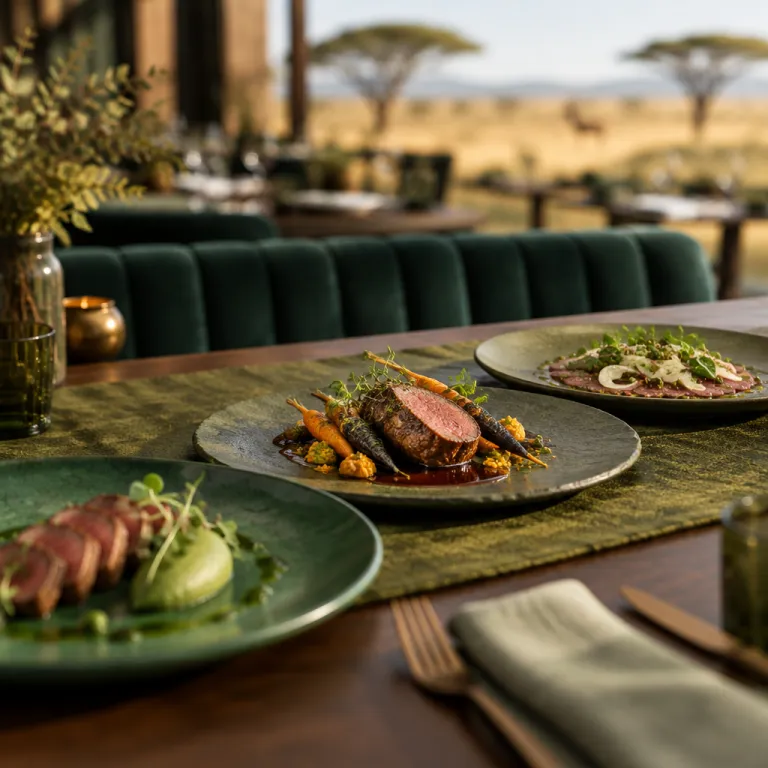
Why game meat belongs on Namibia’s luxury lodge menus
Namibia is one of the few places where luxury travel and game meat genuinely belong at the same table. In a dry country where grazing is sparse and distances between each town are long, free ranging antelope often make more ecological sense than trucked in beef or imported lamb from the south. For families planning a premium safari trip from the United States, understanding why this meat appears so often on a lodge restaurant menu helps you choose where to eat with confidence.
Across Namibia, springbok, oryx and kudu browse on native shrubs rather than on irrigated pasture, so the meat is lean, intensely flavoured and relatively low impact. Good safari lodge kitchens treat this game meat as serious protein, not as a gimmick, building menus around seasonal vegetables, grains and traditional Namibian side dishes instead of oversized steak trophies. When you read about namibia game meat lodge cuisine on mynamibiastay.com, look for chefs who explain how the meat works within the landscape rather than those who simply promise the biggest cut on the braai.
Families often ask whether it is ethical to eat game meat while watching wildlife in a nearby national park, and the honest answer depends on how the lodge talks about its sourcing. Responsible properties in southern Africa frame oryx steak or kudu fillet as part of a managed, regulated system that balances conservation, community income and carrying capacity, instead of as a dare on a plate. When a manager can calmly explain why traditional Namibian dishes might include dried meat, biltong or grilled cuts cooked over an open fire, you are usually in the right place.
From Windhoek grills to desert lodges: how Namibians actually eat game
Before you sit down to a tasting menu in a remote safari lodge, it helps to know how Namibians eat game meat at home and in the capital. In Windhoek, the most famous address for hearty Namibian food is Joe Beerhouse, a sprawling restaurant where families, students and visitors share long tables and order generous platters of steak, sausage and game. The atmosphere is loud, the décor is knowingly nostalgic and the menu shows how game meat works as everyday food Namibia, not just as a safari talking point.
Step outside the polished lodge restaurant world and you will find kapana, the grilled meat culture that defines the single quarters markets on the edge of town. Here, vendors braai small pieces of beef or game over open fire grills, and you buy your portion by weight, dipping each bite into chilli and salt while standing at the stall. It is fast, smoky and intensely social, and it anchors the more refined versions of namibia game meat lodge cuisine you will meet later in Sossusvlei or Damaraland.
Families nervous about street food can still taste this side of Namibian food culture in controlled settings, because many high end properties now reinterpret kapana, biltong and other dried meat snacks as elegant starters. Some of the most thoughtful kitchens, often the same ones experimenting with desert ingredients and the wider Namibian pantry, will grill oryx kudu skewers over an open fire and serve them with fresh salads rather than heavy starch. When a chef talks about food Namibia in terms of regional traditions, from Windhoek grills to coastal fish to Skeleton Coast preserves, you know the menu is rooted in real life rather than safari clichés.
How good lodges cook lean game: from braai to stir fry
The biggest difference between a forgettable plate of game and a memorable one is how the kitchen handles lean meat. Springbok, kudu and oryx steak carry almost no marbling, so they dry out quickly if a chef treats them like a thick South African beef steak on the braai. In the best safari lodge kitchens across Namibia, the team treats game meat more like venison, cooking it hot and fast, resting it properly and pairing it with sauces that respect the flavour rather than smother it.
On a family safari, you might see the same cut appear in several guises across your stay, which is a good sign that the lodge understands its product. One night the chef might grill oryx steak over an open fire for a classic braai style dinner, serving it with pumpkin, wild spinach and a light jus instead of heavy cream. Another lunch might feature a quick stir fry of thinly sliced kudu with peppers and onions, a technique that works beautifully for children who prefer smaller bites and milder seasoning.
Thoughtful properties also know when not to push game meat, especially for younger guests or those new to African flavours. A strong kitchen will offer parallel options, such as grilled chicken, fresh fish or a simple pasta, while still presenting game meat in both tasting portions and full mains for curious adults. When you read lodge reviews or plan where to dine in Namibia beyond the main lodge, look for comments about flexibility, because that usually signals a chef who can balance adventurous namibian food with comfort dishes on the same table.
Avoiding kitsch: when game becomes gimmick instead of dinner
Not every plate of game meat in Namibia respects the animal or the guest, and this is where luxury travelers need to be selective. Some properties in southern Africa still lean on shock value, stacking mixed grills of every available species into one oversized platter, or presenting oryx kudu medallions with antlers on the table as if the meal were a hunting trophy. Families on a carefully planned trip deserve better than that, especially when children are forming their first impressions of African wildlife and food.
The line between thoughtful storytelling and kitsch usually appears in how the staff talk about the menu rather than in the ingredients themselves. When a server explains calmly that traditional Namibian cooks have long used dried meat, biltong and slow braises to make the most of lean cuts, the conversation feels grounded and respectful. When the same staff member turns game meat into a dare, asking whether you are brave enough to eat this or that animal, the experience slides into theme park territory.
High calibre lodges along routes such as Sossusvlei Damaraland or the Skeleton Coast tend to avoid this trap by focusing on provenance, preparation and pairing instead of spectacle. They might serve a single, perfectly cooked oryx steak with seasonal vegetables and a South African red wine, explaining how the dish fits into broader food Namibia traditions. For families, this approach makes it easier to talk about where meat comes from, why some cultures eat certain animals and how a well run lodge restaurant can honour both the landscape and the palate.
Planning a family stay: reading menus and asking the right questions
For a premium family planning a road trip through Namibia, from Windhoek to Etosha National Park and on to the Skeleton Coast, the smartest move is to read menus before you book. Many of the best properties now publish sample lodge restaurant menus online, showing how often game meat appears, how it is cooked and what alternatives exist for cautious eaters. When you see namibia game meat lodge cuisine presented alongside vegetarian dishes, fresh salads and lighter fish options, you can be confident that the kitchen understands balance.
When you contact a safari lodge directly or through a platform such as mynamibiastay.com, ask specific questions about how they handle game for families. Do they offer smaller tasting portions of kudu or oryx steak for children who want to try a bite without committing to a full plate, and can they prepare familiar dishes such as burgers or simple grilled meat for those who prefer comfort food. A good lodge will answer quickly, explain how the kitchen works with local suppliers and reassure you that namibian food traditions can sit comfortably alongside international favourites.
It also pays to think about the rhythm of your day, because long game drives and active excursions change how and when you want to eat. After a dawn safari, a relaxed brunch with eggs, fruit and perhaps a small serving of game meat feels more appropriate than a heavy steak, while an early dinner after sunset might be the right moment for a shared braai platter. Families who plan their meals around activities, rather than treating food as an afterthought, tend to remember their time in Namibia as a coherent journey where landscape, wildlife and cuisine all work together.
FAQ
Is it ethical to eat game meat while on safari in Namibia ?
In Namibia, game meat served at reputable lodges usually comes from regulated, managed populations rather than from endangered species. Ethical operations work within national conservation frameworks that balance wildlife numbers, habitat capacity and community benefits. When in doubt, ask the lodge how they source their meat and how this fits into local conservation policies.
What types of game meat are most common on Namibian lodge menus ?
The most common game meats on Namibian lodge menus are springbok, kudu and oryx, sometimes called gemsbok. You may also see eland or other antelope, but these appear less frequently in family focused properties. Menus typically highlight the species clearly, so you can choose what feels comfortable for your group.
How are game meats usually cooked at high end lodges ?
Because game meats are very lean, good chefs cook them quickly over high heat and serve them medium rare to keep them tender. Popular methods include grilling over an open fire, pan searing small medallions and using thin slices in stir fry style dishes. Sauces tend to be light and savoury, often based on stock reductions rather than heavy cream.
Will my children have to eat game meat at a Namibian lodge ?
Family friendly lodges in Namibia almost always offer alternatives such as chicken, pasta, fish or vegetarian dishes. Many properties are used to hosting guests from the United States and other regions where game is less familiar, so they design menus with both adventurous and cautious eaters in mind. You can usually request simpler preparations or smaller tasting portions if your children want to try game without pressure.
How can I tell if a lodge takes its food sourcing seriously ?
Serious food sourcing shows up in clear menu descriptions, staff who can explain where ingredients come from and a balance of local and seasonal produce. Lodges that talk about conservation, community partnerships and traditional cooking methods usually apply the same care to their kitchens. Reading detailed reviews and asking direct questions before booking will help you identify properties that treat Namibian cuisine as more than a marketing hook.