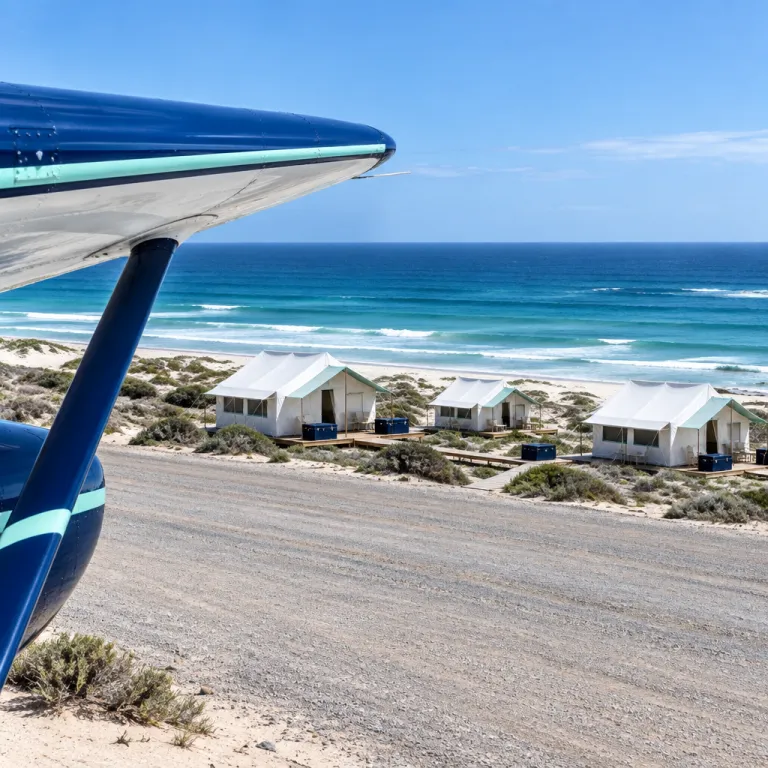
Why a namibia fly in safari charter changes the whole map
On a map, namibia looks deceptively simple, with straight roads and clear routes between each safari region. Once you start to travel those distances by car, a single day between windhoek and the namib desert can swallow eight hours of driving and most of your energy. A namibia fly in safari charter compresses those long days into short flights, and that shift quietly rewrites what you can realistically see in one trip.
For an executive adding leisure days to meetings in windhoek, the choice between self drive and light aircraft is not just about comfort. It decides whether your limited days and nights are spent on gravel roads or walking the sand dunes at sossusvlei at first light, or watching desert adapted elephant along the hoanib valley before a late lunch at the lodge. A private charter also changes how many national park ecosystems you can include, linking the namib desert, the skeleton coast and etosha national in a single coherent arc rather than three separate journeys.
Self drive remains the most popular way to explore namibia, especially between windhoek airport, sossusvlei and etosha, and it suits travelers who enjoy the rhythm of the road. A namibia fly in safari charter sits at the other end of the spectrum, using light aircraft flights to turn remote nature reserve concessions into easy hops, often in under an hour. The most interesting itineraries now blend both, with a fly safari leg used surgically where the road time would otherwise erase a full safari day.
From gravel to light aircraft: how time really moves in namibia
On paper, the drive from windhoek to the dunes near sossusvlei looks manageable, yet the reality is a full day of gravel, gates and fuel stops. That same route by charter flight usually takes less than an hour in a light aircraft, which means your first afternoon can already include a walk on the sand dunes or a sundowner above the namib desert. When you multiply that time saving across several legs, a namibia fly in safari charter can turn a seven day trip into the equivalent of ten road based days.
Consider a classic loop that links sossusvlei, the skeleton coast and etosha national park, starting and ending in windhoek. By road, you will lose at least three full days to transit, and those are days when you are not on safari, not on the coast and not in the air above africa’s most photogenic desert adapted landscapes. With a fly safari using private charter flights, those same long hauls become short hops, and the extra time can be spent on game drives, guided walks or simply enjoying a fully inclusive lodge terrace while the light changes over the dunes.
This is why many high end lodges in namibia quietly design their safaris around fly safaris, especially for guests arriving from south africa with limited days. They know that a namibia fly itinerary built around charter flight sectors allows you to add a remote hoanib valley camp or a private nature reserve on the skeleton coast without sacrificing etosha game viewing. For a deeper look at how these properties shape the experience, our guide to safari in namibia in style unpacks which lodges justify the extra flights and which are better reached by road.
Where a private charter unlocks the real skeleton coast and kaokoveld
Some parts of namibia are simply not sensible to reach by road within a short holiday, no matter how determined you feel on day one. The far skeleton coast, the kunene river region and the remote camps near serra cafema sit beyond long stretches of empty desert where fuel, services and graded roads thin out quickly. A namibia fly in safari charter using light aircraft is not a luxury extra here, it is the only practical way to reach these lodges without turning your days and nights into a long endurance drive.
Take the hoanib valley, where desert adapted lion and elephant move between dry riverbeds and the edge of the skeleton coast. Driving from windhoek or even from sossusvlei would cost you at least a full day each way, while a private charter flight links these regions in under two hours and keeps your focus on the safari rather than the odometer. The same logic applies to the fly safaris that connect etosha national with the far north west, where the kunene river cuts a green line through the desert and lodges like those near serra cafema offer boat trips, quad biking and cultural visits in a single fully inclusive stay.
For photographers, these remote areas are where a namibia fly itinerary really earns its premium. Flying low along the skeleton coast in a light aircraft reveals shipwrecks, seal colonies and shifting dunes that no road can parallel, and the aerial perspective changes how you understand the namib desert itself. To plan a route that balances these flights with time on the ground, our feature on where to photograph namibia breaks down which lodges, coastlines and national park viewpoints work best for serious cameras.
The hybrid itinerary: drive the south, fly the north
Most repeat visitors to namibia eventually settle on a hybrid model that respects both budget and time. They drive the more accessible south between windhoek, sossusvlei and etosha national park, then use a namibia fly in safari charter to reach the skeleton coast, the hoanib valley and the kunene river region. This pattern keeps the romance of the open road while using fly safaris strategically where the distances would otherwise erase too many days.
A typical ten day plan might start with two nights near windhoek to reset after long haul flights from south africa or europe. From there, you drive to a lodge on the edge of the namib desert for two or three days and nights of sand dunes, scenic drives and quiet evenings under africa’s clearest skies. After that, a charter flight can lift you directly from the desert to a private nature reserve on the skeleton coast, then onward to a lodge near etosha national for classic safari game drives before a final hop back to windhoek airport.
This hybrid approach also softens the practical constraints that come with a pure namibia fly itinerary. Because you start with a road leg, you can carry a slightly larger soft bag in the car, then repack to meet light aircraft baggage limits before the private charter sectors. For a sense of how different lodges handle these transitions, and how their service culture shows up in the smallest details, our piece on the breakfast nobody talks about explains why the first meal of the day often reveals a property’s real ambition.
What really drives the cost and comfort of fly safaris
When travelers first look at a namibia fly in safari charter, the headline price can feel opaque because so many variables sit behind a single figure. The main drivers are the number of legs, the size and type of light aircraft, the need for repositioning flights without passengers and whether the lodge can bundle flights into a fully inclusive package. Routes that link windhoek airport, sossusvlei, the skeleton coast and etosha national in a clean line are usually more efficient than zigzag itineraries that require extra charter flight sectors.
Comfort is shaped less by the word private and more by how the flights are scheduled and briefed. Early morning sectors over the namib desert and the sand dunes are usually smoother and cooler, while afternoon flights along the coast can be windier but more dramatic for photography. Soft bags are essential because light aircraft hold luggage in small compartments, and most operators will enforce strict weight limits to keep the safari safe on short desert airstrips.
For business leisure travelers, the key is to decide where flying genuinely enhances the experience rather than simply shortening a transfer. A short hop between two lodges in the same region may not justify a private charter, while a longer sector from the hoanib valley to serra cafema over the kunene river can feel like an extra scenic safari in its own right. If you treat each flight as both transport and part of the journey, a carefully planned namibia fly itinerary can feel less like a series of transfers and more like a continuous narrative across africa’s most compelling desert adapted landscapes.
FAQ
Is a namibia fly in safari charter worth it for a short trip ?
For a stay of seven to ten days, a namibia fly in safari charter can be highly effective because it replaces long road transfers with short flights. This means you gain extra time on safari in etosha national park, on the skeleton coast or in the namib desert instead of spending full days driving. Travelers who value time and comfort over distance driven usually find the premium justified.
How much luggage can I take on light aircraft flights in namibia ?
Most light aircraft used on fly safaris in namibia limit luggage to around 15 to 20 kilograms per person in soft bags. Hard suitcases do not fit well into the small compartments on these planes, so flexible duffels are strongly recommended. If you are combining road and air, plan to leave any excess at your windhoek hotel or with your ground operator.
Can I combine self drive and private charter flights in one itinerary ?
Yes, many travelers now combine self drive segments with private charter flights in a single namibia fly itinerary. Driving works well between windhoek, sossusvlei and etosha, while charter flights are ideal for the hoanib valley, the kunene river region and the far skeleton coast. This hybrid model balances cost, flexibility and access to remote lodges.
Which regions of namibia are best reached by air rather than by road ?
The most compelling regions for a namibia fly in safari charter are the remote skeleton coast concessions, the hoanib valley, the kunene river corridor and the camps near serra cafema. These areas involve very long and sometimes challenging drives that can consume several days and nights of your itinerary. By contrast, light aircraft flights link them efficiently to windhoek, sossusvlei or etosha national park.
Do lodges in namibia include charter flights in fully inclusive rates ?
Some high end lodges and safari operators in namibia offer fully inclusive packages that bundle accommodation, meals, activities and charter flights between camps. Others price the flights separately, especially when using private charter aircraft that must reposition between remote airstrips. When comparing offers, always check whether flights between lodges, park fees and transfers to or from windhoek airport are included.