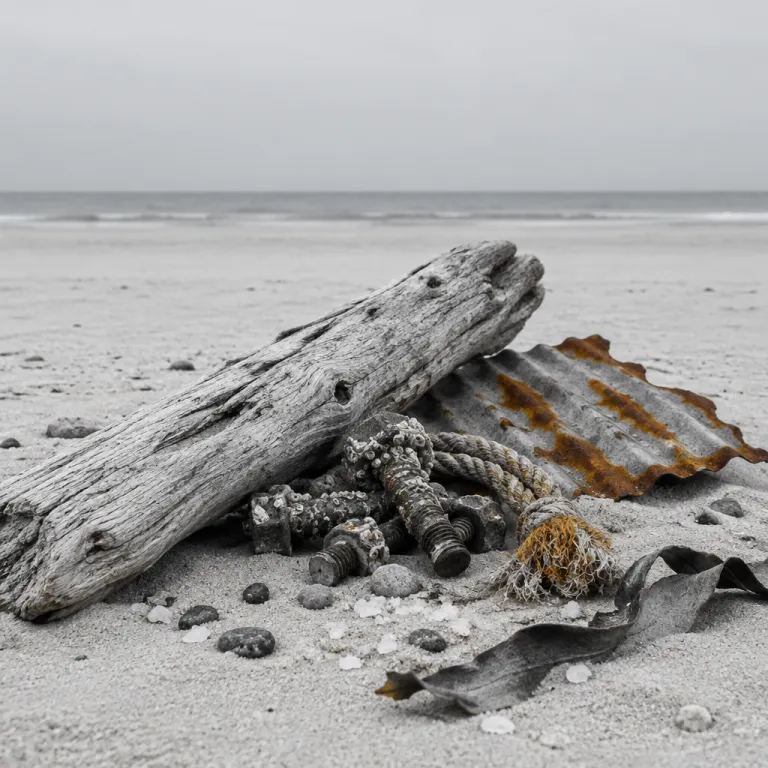
Shipwreck lodge on the Skeleton Coast: a singular Namibian retreat
Shipwreck Lodge sits in a remote area of northern Namibia, where the Atlantic Ocean collides with the world’s oldest desert. This lodge is operated in partnership with Natural Selection and Journeys Namibia, and its cabins are deliberately shaped like a broken shipwreck scattered across the sand for a powerful sense of place. Guests arrive expecting a simple safari lodge yet quickly realise that this stretch of Namibia’s Skeleton Coast offers a far more elemental wilderness experience.
The property lies about 45 km from Möwe Bay along the Skeleton Coast, with transfers arranged by the lodge for guests arriving by air or 4x4 vehicle (distance figure from the official Shipwreck Lodge information). The official guidance from the lodge and the Skeleton Coast National Park authorities explains the essence of a stay here very clearly: activities focus on guided tours, quad biking, and game drives. Those guided excursions reveal the fragile Skeleton Coast ecosystem, where desert adapted wildlife moves between the roaring dunes, the Hoarusib River valley, and the cold Atlantic Ocean fog belt.
Each of the ten cabins at Shipwreck Lodge is positioned to frame the coast and the desert, so you wake to views of dunes, ocean, or both. Inside, wood burning stoves keep the rooms warm against the chill that rolls in from the Atlantic Ocean, while solar powered systems handle lighting and hot water to reduce the environmental footprint. This careful balance between comfort and conservation has made the lodge a reference point for luxury travel on Namibia’s wild Atlantic shoreline.
Planning a luxury trip to Shipwreck lodge and the wider Namibian coast
Planning a trip to Shipwreck Lodge requires more forethought than booking a city hotel in Windhoek or Swakopmund. The Skeleton Coast National Park is a controlled conservation area, and access to this coastal region around Möwe Bay is limited to authorised operators and prebooked guests (park status and access rules from the Namibian Ministry of Environment, Forestry and Tourism). For travellers using a premium hotel booking website focused on Namibia, this means checking availability early, confirming transfer logistics, and aligning Shipwreck Lodge dates with other safari lodge stays inland.
Most guests fly by light aircraft to Möwe Bay airstrip, then continue by lodge vehicle through the dunes and along Namibia’s Atlantic coast corridor to reach the cabins. Others choose a guided 4x4 travel itinerary that links Etosha National Park, Damaraland, and the Skeleton Coast, often using an executive itinerary such as this detailed hotel guide for stretching a Windhoek week into a real trip. Whichever route you select, you should allow for weather delays, as fog from the Atlantic Ocean and shifting desert conditions can affect both road and air schedules; lodge transfers from Möwe Bay typically take around an hour in normal conditions.
Because there are only ten rooms, the selection of dates at Shipwreck Lodge is often tight, especially when travellers combine it with other Skeleton Coast highlights or a safari lodge in Etosha. Luxury and premium booking platforms that specialise in Africa usually coordinate with Natural Selection to secure space and arrange private game drives or photographic outings. When you click through a curated booking site, look for transparent information about transfer costs, park fees, and what is included in the full board rate at the lodge, and be aware that peak dry season dates can sell out several months in advance.
Inside the cabins: design, comfort, and the feeling of a modern shipwreck
The cabins at Shipwreck Lodge are intentionally shaped like the broken hulls of shipwrecks that line the Skeleton Coast, yet the interiors feel calm and refined. Large windows frame the dunes and the ocean, while pale woods, soft textiles, and subtle nautical details echo the maritime history of Namibia’s Skeleton Coast shores. Each room has a wood burning stove, which becomes the cosy heart of the space when the Atlantic Ocean wind sweeps across the desert at night.
There are ten individual units in total, giving the lodge an intimate scale that suits this fragile wilderness area. The rooms are spaced apart on low wooden decks, so you can step outside to watch fog rolling in from the coast or the stars blazing above the desert without leaving your private space. Power is largely solar powered, which reduces generator noise and underlines the commitment to eco friendly travel in one of Africa’s most sensitive coastal environments.
Bathrooms feature flush toilets and hot showers, a welcome contrast to the stark dunes and whale bones scattered along the nearby shore. Thoughtful touches such as thick blankets, hot water bottles, and insulated walls ensure that the desert adapted design keeps you comfortable even when temperatures drop sharply after sunset. The lodge sources wood for the stoves through controlled supply chains approved by Namibian authorities, and usage is carefully monitored to limit impact on the surrounding desert. One guest described returning from a foggy evening drive to “a cabin already warmed by the stove and a hot water bottle tucked into the bed,” a small detail that makes this safari lodge style property feel more like a private expedition base than a conventional hotel.
Experiences around Shipwreck lodge: dunes, rivers, and the Atlantic edge
Days at Shipwreck Lodge revolve around guided activities that reveal the Skeleton Coast’s layered character. Morning game drives often follow the Hoarusib River, where desert adapted lions, brown hyenas, and other wildlife move between ephemeral water sources and the dunes (species information from regional wildlife monitoring reports and Namibian carnivore research projects). Along the way, you may see whale bones, historic shipwreck remains, and colonies of Cape fur seals that underline how harsh this coast can be for both humans and animals.
Afternoons might focus on the roaring dunes, where shifting sand creates a low thunder when it slides down steep slopes. Guides explain how the cold Atlantic Ocean current and the hot desert air combine to form dense fog, which sustains lichen fields and other natural life forms in this apparently barren area. Many travellers also choose quad biking excursions or gentle walks from the lodge to viewpoints over the Skeleton Coast landscape, always accompanied by a guide to protect both guests and the environment.
Back at the lodge, guests gather in the main lounge, where another wood burning stove and large windows frame the wilderness. This shared space is ideal for reviewing photos, planning the next day’s travel, or simply watching the light fade over the dunes and the ocean. For photographers, the combination of stark desert, shipwreck remains, and the Skeleton Coast’s shifting weather makes this one of the most compelling coastal regions in Africa, especially when paired with a specialist resource on the best dark sky astrophotography in Namibia.
How Shipwreck lodge fits into a wider Namibian safari itinerary
For many travellers, Shipwreck Lodge is one highlight within a longer Namibia itinerary that includes Etosha National Park, Damaraland, and the Namib desert. A common pattern is to start with classic game drives in Etosha, continue to a desert adapted wildlife area in Damaraland, then finish on the Skeleton Coast for a more contemplative wilderness stay. This sequence allows you to experience river ecosystems, open savannah, and the coastal desert environment in a single trip without rushing.
Luxury booking platforms often present Shipwreck Lodge within a curated selection of safari lodge and coastal properties, making it easier to compare styles and logistics. When you click through these itineraries, pay attention to transfer times between each lodge, as distances in Namibia can be long and road conditions variable. It is usually better to spend at least two or three nights at each stop, rather than trying to tick off too many destinations and losing the sense of place that makes this part of Africa so compelling.
Photographers and nature enthusiasts may want to align their stay with the dry season, when wildlife concentrates around water sources and the desert skies are often clearer. A detailed guide to the dry season photography window in Namibia can help you decide when to visit Etosha, the Namib dunes, and the Skeleton Coast. Whatever the timing, combining Shipwreck Lodge with inland parks offers a rich contrast between the roaring dunes of the coast and the more traditional safari landscapes of central Namibia.
Sustainability, safety, and practical advice for staying on the Skeleton Coast
Shipwreck Lodge was created with a clear goal: to provide a unique lodging experience while preserving the natural environment of the Skeleton Coast. The cabins are solar powered where possible, and the use of wood burning stoves is carefully managed to minimise impact on the fragile desert ecosystem. Operating within the Skeleton Coast National Park also means strict adherence to park regulations, which limit vehicle movements and protect sensitive wilderness zones (park management framework from the Namibian Ministry of Environment, Forestry and Tourism).
From a safety perspective, the remoteness of this area demands preparation and respect for local guidance. Guests are advised to book in advance, prepare for remote conditions, and bring warm clothing for cool evenings, as the Atlantic Ocean breeze can be surprisingly cold even after hot desert days. You should never walk far from the lodge without a guide, because fog, dunes, and the featureless Skeleton Coast landscape can disorient even experienced travellers.
For those using a luxury hotel booking website, look for clear information about emergency procedures, communication systems, and the role of partners such as Natural Selection and Journeys Namibia. These operators have long experience in managing remote safari lodge properties and coordinating with park authorities across Africa. Their expertise, supported by park permits and concession agreements, ensures that while you feel the raw power of the Skeleton Coast wilderness, you remain supported by a professional équipe behind the scenes throughout your stay.
Key figures and logistics for Shipwreck lodge and the Skeleton Coast
- Shipwreck Lodge has 10 individual cabins, which keeps guest numbers low and supports a high staff to guest ratio for personalised service (data from the official lodge information and Natural Selection materials).
- The lodge is located approximately 45 km from Möwe Bay, with transfers typically taking around one hour depending on dune and riverbed conditions (distance figure from the official lodge data and Skeleton Coast concession maps).
- Check in is usually from 14:00, while check out is around 10:00, allowing time for same day transfers to or from other Namibian destinations without rushing.
- The Skeleton Coast National Park covers more than 16 000 km², making it one of Africa’s largest protected coastal wilderness areas and a key conservation zone for desert adapted species (figures from Namibian conservation authorities and park management plans).
- Namibia’s coastline along the Atlantic Ocean stretches for about 1 570 km, and the Skeleton Coast section is known for hundreds of historic shipwrecks that gave the region its name (data from national tourism sources and official visitor guides).
Frequently asked questions about Shipwreck lodge and the Skeleton Coast
What activities are available at Shipwreck lodge?
Activities include guided tours, quad biking, and game drives. These outings explore the Hoarusib River valley, the roaring dunes, and sections of the Skeleton Coast where shipwreck remains and Cape fur seal colonies are visible. All activities are guided to protect both guests and the fragile desert environment, and are operated under Skeleton Coast National Park concession rules.
How do I get to Shipwreck lodge?
Access is via air to Möwe Bay followed by a lodge transfer, or by 4x4 vehicle. Most luxury travellers fly in on scheduled or charter light aircraft arranged through their booking platform or tour operator. From Möwe Bay, the lodge team meets guests and drives them through the dunes and along the coast to the property, with park entry permits and concession paperwork handled in advance by the operator.
What is the design inspiration for Shipwreck lodge?
The lodge's design is inspired by the shipwrecks along the Skeleton Coast. Each cabin resembles a stranded hull, echoing the maritime history of Namibia’s Atlantic shoreline. Inside, the decor balances this shipwreck theme with warm, contemporary comforts suited to a high end safari lodge.
Is Shipwreck lodge suitable for families and first time visitors to Namibia?
Shipwreck Lodge can work for families with older children and for first time visitors, provided they are comfortable with remote wilderness conditions. The small number of rooms and the focus on guided activities create a safe, structured environment, but distances, weather, and limited connectivity mean it suits travellers who value nature and quiet over nightlife. Many guests pair it with more conventional safari lodges or city hotels elsewhere in Namibia to balance the experience.
When is the best time of year to visit the Skeleton Coast?
The Skeleton Coast can be visited year round, with cool coastal temperatures moderated by the Atlantic Ocean. Dry season months often offer clearer skies and easier logistics for combining Shipwreck Lodge with Etosha National Park or the Namib dunes. Fog and wind are part of the region’s character, so travellers should pack layers and be prepared for rapid weather changes at any time.