Windhoek, Namibia’s capital city as a luxury gateway
Windhoek sits almost exactly in the centre of Namibia and functions as the country’s calm yet confident capital city. The elevated location of this highland metropolis in southern Africa gives it a pleasantly dry climate, which many luxury travellers appreciate after long flights from Europe or South Africa. In the capital, the mix of African energy and German colonial heritage creates a distinctive sense of place that shapes every premium stay.
The population of Windhoek is relatively small for a capital, so the city feels manageable while still offering sophisticated services and high-end hotels. Many visitors use Namibia’s capital as their first stop before heading north to Etosha National Park or south towards the Namib Desert and the wider Namibia south region. Because Windhoek is the main aviation hub, your choice of hotel here influences how rested and ready you feel for the rest of your Namibian tour.
Luxury travellers often underestimate how important the first night in Windhoek can be for overall trip quality. A well-chosen guest house or premium hotel in the city allows you to adjust to the altitude, climate and time zone in comfort. When you plan a stay in the capital, think of Windhoek as both a soft landing and a refined destination in its own right.
Understanding the location of Windhoek in Namibia
The territory Namibia offers is vast, and Windhoek’s central position makes logistics surprisingly efficient. From the capital, charter flights and road transfers fan out towards Etosha National Park in the north, the Skeleton Coast in the west and the Kalahari fringes in the east. This central position in the country means you can design circular itineraries that minimise backtracking and maximise time in the wilderness.
Because the capital lies on a plateau at around 1 700 metres above sea level, the climate is cooler than many travellers expect in southern Africa. Nights in the city centre can be crisp, which suits luxury properties that offer fireplaces, deep baths and heated pools. When you compare Windhoek with coastal towns such as Swakopmund, you will notice the air here feels drier and the sky often clearer for sunset views.
For guests arriving from South Africa or other parts of the region, the compact size of the city makes transfers straightforward. Many premium hotels and guest houses in Klein Windhoek or near the centre include private airport transfers in their rates, with typical driving times of 35 to 45 minutes from Hosea Kutako International Airport. This level of service is one reason why the capital has become a preferred staging point for high-end safaris across Namibia south and beyond.
Where to stay in Windhoek city for premium comfort
Accommodation in Windhoek ranges from intimate guest houses to full-service luxury hotels, many of them concentrated in Klein Windhoek and the central business district. Travellers seeking quiet elegance often choose an Olive Grove style property, meaning a small, design-focused guest house with landscaped gardens and attentive service. These refined addresses in the capital balance privacy with easy access to restaurants, galleries and the main museum district.
Staying close to the city centre of Windhoek allows you to walk or take short transfers to key sights. The Alte Feste, an imposing German colonial fortress turned museum, stands near the Independence Memorial Museum and the Christuskirche, forming a compact cultural area. From a well-located hotel in the inner city, you can explore this colonial and national heritage in a single morning before returning to your pool or spa.
Many premium travellers pair a night or two in Windhoek with extended stays in Namibia’s top safari lodges, timing their trip for quieter months when rates soften. For guidance on how shoulder season affects pricing at the best Namibia lodges, consult resources on Namibian shoulder season lodge rates. Planning your Windhoek stay around these patterns can unlock better suites, private guides and more flexible check-in arrangements.
Klein Windhoek and Olive Grove style stays
Klein Windhoek is one of the most desirable residential districts in the city, set slightly east of the commercial core. Here, many upmarket guest houses and Olive Grove inspired properties occupy leafy streets with elevated positions and long views over the capital. This area of Windhoek suits travellers who value tranquillity, security and quick access to both the city centre and the airport road.
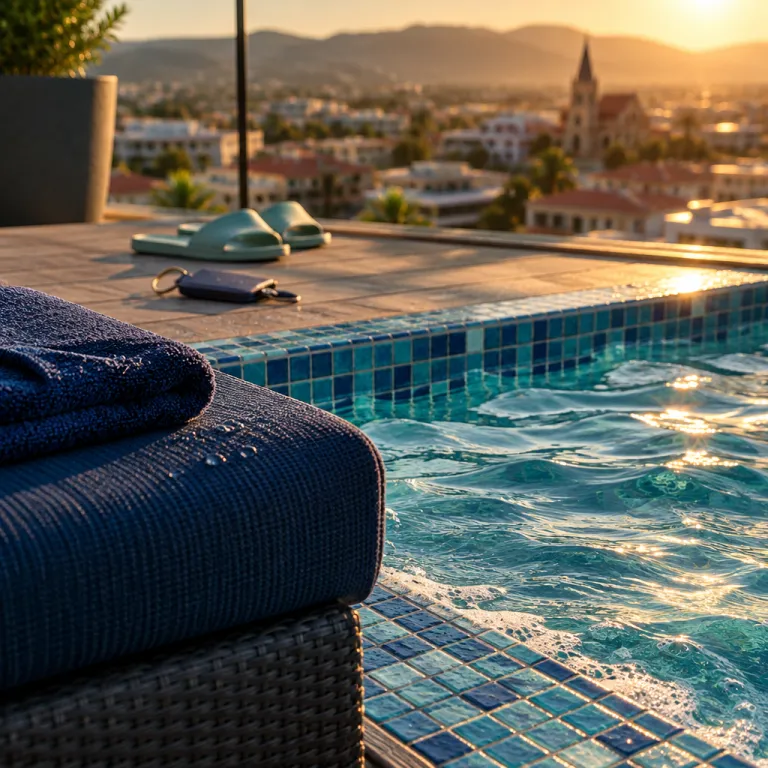
Because the Klein Windhoek area is hilly, some hotels and guest houses offer panoramic terraces where you can enjoy a sunset view with a glass of South African or Namibian wine. The combination of African light, German-influenced architecture and distant hills gives the city a surprisingly cinematic skyline. When you compare different properties in this part of the city, pay attention to how they orient their rooms and suites towards these views.
Luxury travellers often ask whether to stay in a larger hotel or a more intimate guest house in the capital. Larger properties in Windhoek may offer extensive facilities such as gyms, conference rooms and multiple restaurants, which suit business travellers. Smaller guest houses in Klein Windhoek or near Olive Grove style streets usually focus on personalised service, curated décor and quiet gardens, which many leisure guests prefer.
Culture, history and architecture in Windhoek Namibia
Windhoek’s cultural fabric reflects a layered history that blends African traditions with German colonial influences and modern Namibian identity. In the heart of the city centre, the Christuskirche and the Alte Feste fortress stand as visible reminders of the German colonial era. These landmarks anchor a compact museum district that helps visitors understand how the capital city evolved into today’s Windhoek.
The Alte Feste now houses historical exhibits that trace Namibia’s path from colonial rule to independence, complementing the bold architecture of the Independence Memorial Museum nearby. From this elevated area of the city, you gain a sweeping view over the national government buildings, commercial towers and residential suburbs. Many guided city tours include this stop, allowing guests to connect the physical layout of the capital with key moments in Namibian history.
Beyond the formal museum spaces, Windhoek expresses its culture through markets, galleries and everyday street life. In the city centre and surrounding suburbs, you will find craft markets selling Namibian textiles, wood carvings and jewellery alongside South African design pieces. When choosing a hotel or guest house in the capital, consider how easily you can reach these cultural areas on foot or via short transfers.
Museums, galleries and national identity
For travellers who value context, the museums of the capital provide essential background before heading into Namibia’s wild landscapes. The National Museum of Namibia, spread across several sites in the city, covers archaeology, ethnography and political history in accessible exhibits. Visiting these institutions early in your stay in Windhoek deepens your understanding of the places you will later see on safari.
Art lovers will find a growing gallery scene in Windhoek, where Namibian and other African artists exhibit painting, sculpture and photography. Seasonal shifts in light across Namibia south and the Etosha National region inspire many photographers, a topic explored in depth in guides to Namibia’s changing light for photography. When you return to your hotel in Windhoek after a day of gallery visits, you will often see similar themes reflected in the property’s own art collection.
Many premium hotels and guest houses in the city now collaborate with local artists, commissioning works that reference the surrounding landscapes and the history of the capital. This approach turns lobbies, corridors and suites in Windhoek into informal galleries that complement the formal museum spaces. When evaluating where to stay in the capital, ask how the property supports Namibian creatives and presents the country’s cultural narratives.
Windhoek as a hub for Namibian and southern African safaris
Because of its central location, Windhoek functions as the primary hub for safaris across the country and into neighbouring regions of southern Africa. Most international flights land at Hosea Kutako International Airport, from where guests transfer into the city before continuing to national parks and private reserves. The way you structure your time in the capital can significantly influence how rested and prepared you feel for remote destinations.
Many travellers pair a stay in Windhoek with journeys to Etosha National Park, Sossusvlei, Damaraland and the Skeleton Coast. From the city, charter flights and road transfers radiate north, west and south, making the capital the logical starting point for almost every itinerary. When you compare options, Windhoek is better for pre- and post-safari comfort, while remote lodges excel at wildlife immersion and dark-sky stargazing.
Some high-end travellers extend their journeys beyond Namibia south into neighbouring South Africa, using Windhoek as a bridge between countries. In these cases, you might fly from a South African hub into the capital, spend a night in a premium guest house, then continue to Etosha National or the Namib Desert. This pattern highlights how the city connects African wilderness areas across borders while still offering the comforts of a modern urban centre.
Linking Windhoek with national parks and remote lodges
Etosha National Park remains one of the best Namibia wildlife destinations, and almost every itinerary to this area begins or ends in Windhoek. The drive from the capital to Etosha typically takes around four to five hours, so many travellers choose to rest in the city both before and after their safari. Selecting a quiet guest house in Klein Windhoek or near the centre allows you to recover from early game drives in comfort.
Beyond Etosha National, Windhoek also connects efficiently with private reserves and national park concessions across Namibia south and the central highlands. Some of the most exclusive lodges in Africa can be reached by light aircraft from the capital, often with scenic flights over desert or savannah. When planning these connections, work with specialists who understand both the aviation logistics and the character of each area.
Travellers who appreciate ultra-luxury sometimes combine Namibian safaris with stays in other African icons, such as the Ngorongoro Crater in Tanzania. For inspiration on how high-end lodges shape the safari experience, you can review detailed lodge profiles such as the one on an opulent crater rim safari retreat. Comparing these experiences with properties in Windhoek helps you calibrate expectations for service, design and views across different African destinations.
Practical considerations for luxury stays in Windhoek
When booking a premium stay in Windhoek, pay close attention to the exact location of your hotel or guest house. Properties in the city centre offer quick access to business districts, museums and government buildings, which suits corporate travellers and short layovers. Guest houses in Klein Windhoek or similar residential suburbs often provide quieter surroundings, larger gardens and more expansive views over the capital.
Water is a precious resource in this part of Africa, and responsible luxury properties in the city manage it carefully through efficient plumbing, indigenous landscaping and discreet conservation measures. When evaluating hotels in the capital, ask how they handle water usage, waste management and energy, especially if sustainability is important to you. Many of the best Namibia properties now publish environmental policies that align with national guidelines and regional best practice.
Health and safety standards in Windhoek are generally high for a city of its size, particularly in established luxury hotels and guest houses. Most premium properties in the capital offer filtered drinking water, secure parking, 24-hour reception and reliable Wi-Fi, which simplifies both leisure and business travel. When comparing options, look for clear information about security measures, emergency procedures and medical support arrangements.
Choosing the best time and room type
Seasonality affects both pricing and availability in Windhoek, especially when major events or regional holidays increase demand. During peak safari months, some of the best Namibia lodges and Windhoek guest houses can book out far in advance, so early planning is essential. Travellers who are flexible on dates often find better value in shoulder periods, when the city feels calmer and service can be even more attentive.
Room selection also matters in Windhoek, particularly if you value views, outdoor space or privacy. Suites on higher floors or in elevated parts of Klein Windhoek usually offer a wider view over the capital and surrounding hills. Ground-floor rooms in Olive Grove style properties may open directly onto gardens or courtyards, which some guests prefer for easy access to pools and lounges.
For longer stays in Windhoek, consider properties that offer apartment-style suites or interconnected rooms, especially if you are travelling as a family or group. These configurations in the city provide more flexibility for private dining, work and relaxation between excursions. When you balance location, room type and season, you can shape a stay in Namibia’s capital that feels both efficient and indulgent.
How Windhoek fits into a wider Namibian itinerary
Windhoek rarely stands alone in a travel plan; instead, it anchors broader journeys across the country’s deserts, savannahs and coastlines. Many itineraries begin with one or two nights in the capital, continue to Etosha National Park or Damaraland, then loop back through the city before departure. This pattern allows travellers to adjust gradually to the African environment while enjoying consistent comfort at key points.
For those exploring Namibia south, Windhoek serves as the natural starting point for routes towards Sossusvlei, the NamibRand Nature Reserve and the Kalahari fringes. The city’s central location in Namibia means you can design itineraries that balance driving distances, scenic flights and time at each lodge. When you return to the capital at the end of your journey, a final night in a favourite guest house often feels like coming full circle.
Travellers combining Namibia with neighbouring South Africa or other southern African countries often use Windhoek as a logistical and emotional bridge. The capital offers enough urban sophistication to ease the transition between remote national park lodges and major international hubs. By treating your time in Windhoek as an integral part of the journey rather than a simple transit stop, you elevate the entire experience.
Designing a luxury focused route through city Namibia
A classic luxury itinerary might start with a night in Klein Windhoek, continue to Etosha National for wildlife, then head south to the Namib Desert before returning to the city. Each segment showcases a different facet of Namibia, from the social rhythm of the capital to the silence of the dunes and the drama of waterholes in national parks. Throughout, Windhoek provides the reliable services, aviation links and hospitality infrastructure that make such journeys feasible.
When planning, consider how many times you want to pass through Windhoek and how long to stay on each transit. Some travellers prefer brief overnights in the city, while others schedule full days for shopping, spa treatments and fine dining between remote lodge stays. Both approaches work, but the second allows you to appreciate the capital as more than a gateway.
Ultimately, the role of Windhoek in your itinerary depends on your priorities, whether wildlife, culture, photography or pure relaxation. The broader Namibian context, with its blend of African and German colonial influences, adds depth to any safari-focused trip. When you align your hotel choices in the capital with your broader route, Windhoek becomes a thread that ties the entire journey together.
Key statistics about Windhoek and Namibian travel
- The population of Windhoek is estimated at around 450 000 residents, making it one of the smaller capital cities in Africa by population size (Namibia Statistics Agency, 2023 estimate; see Namibia Statistics Agency).
- Etosha National Park covers approximately 22 270 square kilometres, which is almost the same size as the country of Belgium and highlights the scale of wilderness accessible from Windhoek (Namibia Ministry of Environment, Forestry and Tourism data, 2022; see Ministry of Environment, Forestry and Tourism).
- Tourism contributes roughly 10 percent to Namibia’s gross domestic product, underlining the importance of Windhoek and other hubs in supporting national economic growth (World Travel and Tourism Council analysis, 2022; see World Travel & Tourism Council).
- Hosea Kutako International Airport, serving the capital, handles more than one million passengers per year, connecting Namibia with South Africa, Europe and other African countries (Namibia Airports Company figures, 2023; see Namibia Airports Company).
- Average annual rainfall in Windhoek is about 360 millimetres, which explains why water conservation is a critical consideration for hotels and guest houses in the city (Namibian Meteorological Service records, 2022; see Namibian Meteorological Service).
FAQ about luxury and premium stays in Windhoek, Namibia
How many nights should I spend in Windhoek on a luxury trip ?
Most luxury travellers spend one or two nights in Windhoek at the start of their trip and another night at the end. This allows time to recover from flights, explore key sights in the capital and organise luggage for safaris. If you enjoy urban comforts, consider adding an extra night in the city between remote lodge stays.
Is Windhoek safe for high end travellers ?
Windhoek is generally safe for visitors who follow standard urban precautions and stay in reputable hotels or guest houses. Luxury properties in Klein Windhoek and the city centre usually offer controlled access, secure parking and 24-hour reception. As in any African capital, it is wise to use registered taxis or hotel transfers, especially at night.
Which area of Windhoek is best for premium accommodation ?
Klein Windhoek and the central business district are the most popular areas for high-end stays in the capital. Klein Windhoek offers quiet residential streets, elevated views and many refined guest houses, while the city centre provides quick access to museums and restaurants. Your choice depends on whether you prioritise tranquillity or immediate proximity to urban attractions.
Can I visit Etosha National Park on a short trip that includes Windhoek ?
Yes, it is possible to combine Windhoek with Etosha National Park on a trip of about one week. Many travellers spend one night in the capital, then drive or fly to Etosha National for several days of wildlife viewing. A final night in the city before departure helps break the journey and adds cultural context.
Do luxury hotels in Windhoek cater well to special diets and wellness needs ?
Most premium hotels and guest houses in Windhoek are accustomed to international guests with varied dietary and wellness requirements. Properties in the city typically offer vegetarian, vegan and gluten-free options, as well as spa services or access to wellness facilities. When booking, communicate your needs in advance so the hotel can prepare appropriately.