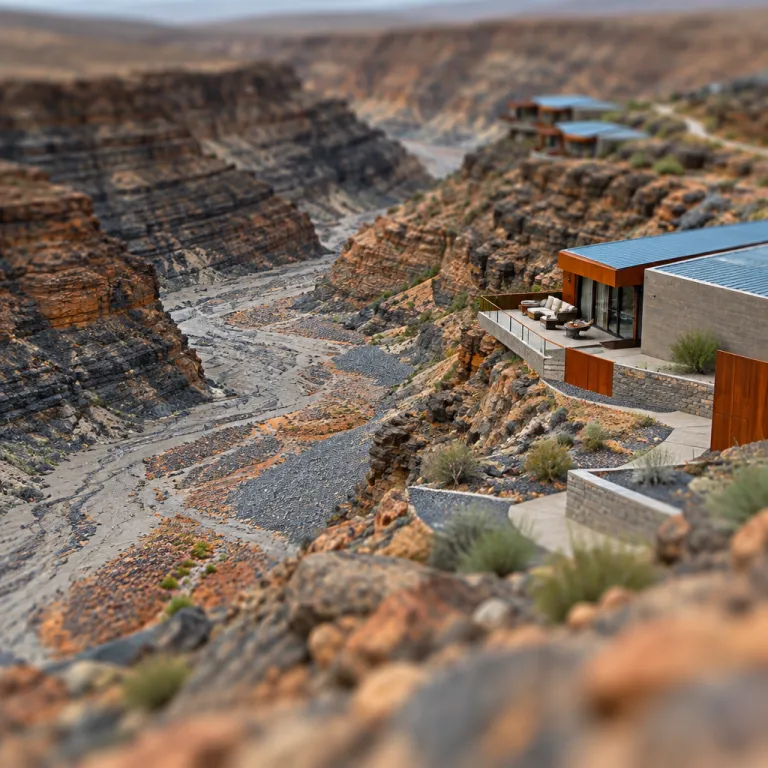
Fischfluss canyon and the drama of southern Namibia
Fischfluss canyon is the German name often used for Namibia’s Fish River Canyon, and it signals a landscape of immense scale and silence. This river canyon in southern Namibia is the largest canyon in Africa, and many travellers compare its layered cliffs and sweeping bends to a quieter, more remote grand canyon experience. The combination of desert light, the deep cut of the canyon and the slow curve of the Fish River creates a setting that feels both ancient and intensely present.
The canyon itself stretches for about 160 kilometres, with sheer walls dropping up to 550 metres to the river below. When you stand at the main viewpoints near Hobas in southern Namibia, you see how the Fish River has carved through layers of rock over millions of years, leaving a twisting river hiking corridor that glows red and gold at sunrise and sunset. One local guide described the first light as “switching on a furnace under the cliffs”, and many luxury travellers time their day around these moments, using premium lodges and canyon village style properties as calm bases between drives to the rim and guided canyon hiking excursions.
This part of Namibia lies close to the border with South Africa, so many itineraries link the canyon with the Kalahari or the Cape Winelands in one southern Africa journey. The surrounding desert is harsh, yet it supports hardy plant species and desert adapted wildlife that reward patient hikers and photographers. With summer temperatures often extremely hot on the canyon floor, most canyon hike routes are tightly regulated by Namibia’s parks authority, and travellers usually plan one intense hike per year here, balancing it with gentler day walks along the rim and time at a comfortable lodge or camp.

Choosing the right lodge near Fish River Canyon
Accommodation around Fischfluss canyon ranges from simple camp sites to refined river lodge properties that focus on comfort and views. For travellers who value privacy and service, canyon lodge style properties near the main viewpoints offer stone chalets tucked among boulders, with terraces facing the desert and the distant river canyon. Many guests pair a stay here with a night or two at Canyon Village or Canyon Roadhouse, which recreate a small southern Namibia settlement and give easy access to guided canyon hiking drives and short walks.
Several lodges operate within driving distance of the main Fish River Canyon viewpoints, and each lodge has a slightly different character and focus. A classic river lodge will often emphasise views over the Fish River or its tributaries, while a more traditional canyon lodge may highlight access to hiking trail networks and 4x4 routes across the surrounding desert plains. When you compare options, look at whether the property offers guided canyon hike experiences, sunrise or sunset drives, and whether it runs its own camp sites for guests who want a mix of lodge comfort and one night under the stars.
Price sensitive travellers often target the shoulder season, when southern Namibia is cooler and some of the best lodges quietly reduce rates. This is when a premium canyon southern itinerary can become surprisingly good value, especially if you combine a few nights near the canyon with other regions where top properties also ease their pricing; you can see how this works in practice by checking a detailed guide to Namibia’s shoulder season lodge rate drops. Whether you choose a river lodge, a canyon lodge or a more characterful stop such as Canyon Roadhouse or Ai-Ais Hot Springs Resort, aim for at least two or three nights so you can enjoy a full day of exploring without rushing between check in and check out, and confirm availability directly with your chosen lodge or trusted Namibia specialist before you travel.

Conservancy lodges, canyon roadhouse charm and local ownership
Luxury travel around Fischfluss canyon is increasingly shaped by Namibia’s conservancy model, where local communities share in tourism revenue and help manage wildlife. In southern Namibia, several high end lodges operate on conservancy land, and staying there means your canyon hiking and safari style drives directly support people who live with the desert’s challenges. This approach contrasts with older models where a lodge might have been isolated from nearby communities, and it gives travellers a clearer sense of how their stay benefits the wider region.
Properties such as Canyon Roadhouse, Canyon Village and Canyon Lodge sit within larger conservation landscapes that link the Fish River Canyon area to other desert ecosystems. While Canyon Roadhouse is known for its playful design and classic car theme, it still acts as a gateway to serious canyon hike adventures and guided drives into the surrounding desert. If you are curious about how local ownership works at the luxury end of the market, it is worth reading about several conservancy run lodges that are testing this model in depth, including those highlighted in this analysis of conservancy run luxury lodges.
Choosing a conservancy based river lodge or canyon lodge near the Fish River means your nightly rate helps fund anti poaching patrols, guide training and small scale infrastructure. Over the course of a year, this steady income can be more reliable than short term aid projects, and it encourages younger people in southern Namibia to see guiding, lodge management and conservation as long term careers. For travellers, the benefit is clear; you meet guides who know every bend of the river canyon, can point out rare species on a hike, and can explain how life in this part of Africa has changed over the past generation.

Hiking the Fish River Canyon: trails, permits and safety
The multi day Fish River Canyon hiking trail is one of Africa’s most demanding and rewarding desert hikes. This classic canyon hike follows the Fish River for around 85 kilometres, starting near Hobas and finishing at Ai-Ais, where hot springs offer a welcome soak after days of sand and rock. Because temperatures on the canyon floor can be dangerously hot, the main hiking trail is only open during the cooler months of the year, and permits are strictly limited by Namibia’s Ministry of Environment, Forestry and Tourism.
Most hikers tackle the trail over four or five days, carrying their own gear and camping on the river’s sandy banks each night. The route is not a manicured path; instead, the canyon hiking experience involves boulder hopping, river crossings and constant route finding along the river canyon floor, so it is best suited to fit, experienced hikers who are comfortable with remote conditions. Many groups choose to book through a specialist Namibia operator that can arrange transfers, permits and a final night at a comfortable lodge or camp near Ai-Ais hot springs, turning a tough hike into a more rounded southern Namibia journey.
For travellers who prefer shorter walks, there are several day hike options along the rim and into side canyons that still give a strong sense of the largest canyon in Africa. Guided river hiking excursions from selected lodges allow you to explore sections of the Fish River without committing to the full multi day trail, and they are ideal for families or those who want to balance activity with relaxation. Always respect park regulations, carry plenty of water and avoid hiking in the hottest part of the day, because the combination of steep canyon walls and desert heat can catch even experienced hikers off guard.

Ai Ais hot springs, desert camps and seasonal planning
At the southern end of Fischfluss canyon, Ai-Ais is famous for its natural hot springs and its position where the Fish River trail finally meets a paved road. Many travellers finish a demanding canyon hike here, easing tired muscles in the Ai-Ais Hot Springs Resort complex before moving on to a river lodge or canyon lodge further north. The contrast between the hot mineral water, the cool desert night and the dark canyon walls rising around the camp makes this one of southern Namibia’s most atmospheric stops.
Planning your stay around Ai-Ais and the wider river canyon area means thinking carefully about temperature, rainfall and your own comfort level. The main hiking season runs during the cooler months of the year, typically from May to September, when daytime temperatures on the canyon floor are more manageable and nights in camp are crisp rather than freezing, while the hottest months are better suited to rim based stays at Canyon Village or a lodge with a pool and air conditioned rooms. If you are a keen photographer, the dry season can be especially rewarding; a detailed guide to the dry season photography window in Namibia explains how light, dust and wildlife patterns shift across the country, including in the far south.
Some travellers like to return to the Fish River Canyon region once each rest year, alternating a demanding hike with a more relaxed safari or self drive circuit through other parts of Namibia and neighbouring South Africa. This rhythm allows you to experience the canyon in different moods, from a fast flowing Fish River after good rains to a quieter, more reflective river hiking environment in drier years. Whatever your timing, build in at least one unscheduled day at a comfortable camp or lodge so you can respond to weather, fatigue or a sudden desire to sit quietly and watch the desert light change on the canyon walls.

Wildlife, river species and combining the canyon with wider Africa
Although Fischfluss canyon is primarily known for its geology, the Fish River corridor supports a surprising range of species adapted to desert life. Along the river canyon floor you may see kudu, mountain zebra and baboons, while birdlife includes black eagles, herons and smaller species that move between the cliffs and the sparse riverine vegetation. In pools where the Fish River holds water through the dry season, small fish species and aquatic invertebrates form the base of a food chain that sustains birds and mammals in an otherwise harsh environment.
For many travellers, the canyon is one part of a longer southern Africa itinerary that might also include Etosha National Park, the Namib desert dunes or a safari in neighbouring South Africa. In this context, the Fish River Canyon becomes a geological counterpoint to wildlife rich savannas and coastal wetlands, and staying at a well run river lodge or canyon lodge helps you appreciate how different ecosystems across Namibia fit together. Some guests even refer to the region as their personal canyon fish retreat, a place where they return year after year to reset between more intense safari experiences further north.
When you plan a multi stop journey, think about how your time in southern Namibia balances with other regions in terms of activity level, climate and style of accommodation. A demanding canyon hiking section pairs well with a few quieter days at a coastal guesthouse or a private safari camp where game drives replace long hikes, while a gentler Canyon Village stay can be the calm start to a trip that builds towards more adventurous activities. However you structure it, treating the Fish River Canyon as a central chapter in a wider Africa story rather than an isolated detour will make your journey feel more coherent and more rewarding.

Key statistics for planning a Fish River Canyon stay
- The Fish River Canyon in southern Namibia is approximately 160 kilometres long and up to 27 kilometres wide, making it the largest canyon in Africa according to Namibia’s Ministry of Environment, Forestry and Tourism and official park information boards.
- Canyon depths reach around 550 metres from rim to riverbed, which means temperature differences between the rim and the canyon floor can exceed 10 °C on hot days, affecting hiking comfort and safety and reinforcing the need to follow park guidance.
- The classic Fish River Canyon hiking trail covers about 85 kilometres from Hobas to Ai-Ais, and most hikers complete it in four to five days, carrying full camping gear and supplies as outlined in standard trail briefings.
- Park authorities limit group sizes on the main canyon hike to a maximum of 30 hikers per departure, and the trail is only open during the cooler months, which helps protect the fragile desert ecosystem and aligns with official permit rules published by Namibia’s Ministry of Environment, Forestry and Tourism.
- Driving distance from Windhoek to the main Fish River Canyon viewpoints is roughly 650 kilometres, which usually translates into a full day’s drive or two shorter stages with an overnight stop en route, depending on road conditions and fuel or photo stops.
- Average annual rainfall in southern Namibia around the canyon is typically below 150 millimetres, reinforcing the region’s classification as a semi arid to arid desert environment in line with long term climate records for the Karas Region.
FAQ about Fischfluss canyon luxury stays
How many days should I spend at Fish River Canyon ?
For a comfortable luxury stay around Fischfluss canyon, plan at least two to three nights. This allows one full day for canyon viewpoints and short hikes, plus extra time to enjoy your lodge, pool and desert sunsets. Hikers doing the full Fish River Canyon trail will need four to five days on the river plus at least one night at a lodge or camp before and after.
Can I hike the Fish River Canyon without a guide ?
The main multi day Fish River Canyon hiking trail can be done without a guide, but you must obtain permits in advance and meet fitness requirements set by Namibia’s parks authority and the Ministry of Environment, Forestry and Tourism. Conditions are demanding, with boulder fields, river crossings and extreme heat, so many travellers prefer guided canyon hiking or shorter guided day hikes from nearby lodges. If you are unsure, start with a guided canyon hike or rim walk before committing to the full trail.
What is the best time of year to visit the canyon ?
The best time to visit Fischfluss canyon is during the cooler, drier months when daytime temperatures are more manageable and skies are generally clear. This period, usually May to September, aligns with the official season for the Fish River Canyon hiking trail, which closes during the hottest part of the year for safety reasons. Luxury travellers often choose these months for comfortable lodge stays, better hiking conditions and more pleasant driving across southern Namibia.
Are there luxury lodges close to the canyon rim ?
Yes, several high end properties such as Canyon Lodge, Canyon Village, Canyon Roadhouse and other premium river lodge style accommodations sit within driving distance of the main viewpoints. These lodges offer en suite rooms, pools, guided activities and fine dining, making them ideal bases for exploring the river canyon by day and relaxing in comfort at night. Some also operate nearby camp sites, giving you the option to mix camping with lodge stays in a single itinerary.
Can I combine Fish River Canyon with a safari in one trip ?
Combining Fischfluss canyon with a safari is straightforward, because Namibia’s road network links southern Namibia to Etosha National Park and to cross border routes into South Africa. Many travellers start with a few nights at a canyon lodge or river lodge, then drive north to wildlife areas or west to the Namib desert dunes. This mix of canyon landscapes, desert scenery and classic safari game viewing creates a varied and memorable southern Africa journey.