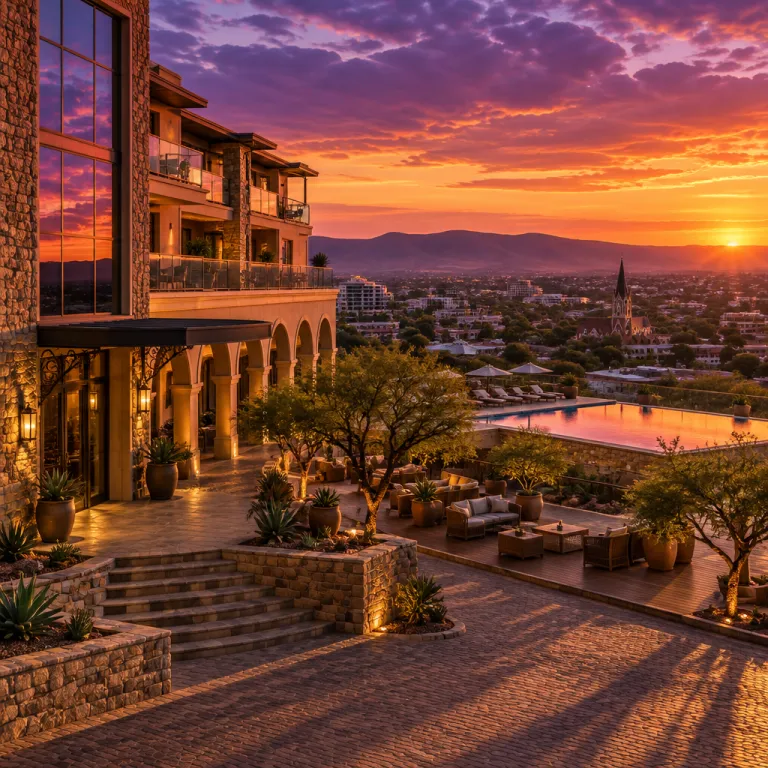
Windhoek capital as your elegant gateway to Namibia
Windhoek capital offers a refined entry point into Namibia for travelers who value comfort. The capital city sits in the Khomas Region at around 1 700 metres above sea level, which gives it a pleasantly mild average climate compared with many parts of West Africa. When you arrive in Windhoek Namibia, the contrast between the surrounding hills and the compact city centre feels immediately welcoming.
The city of Windhoek grew from a modest settlement into the administrative heart of the country, and its history still shapes where luxury hotels cluster. Around Independence Avenue and the government quarter, you will find premium properties that frame views of the national Parliament Gardens and the Independence Memorial Museum. These areas place you close to the Alte Feste fortress and the nearby memorial museum complex, which together trace the German colonial period and the later Namibian independence story.
For many visitors, Windhoek is not just a stopover but a soft landing into African rhythms before heading into the desert or the Etosha plains. The local authority has invested in infrastructure that makes the capital feel orderly and secure, which reassures first time guests to Namibia’s capital. Whether you arrive in the cool dry months or during the green season, the country’s main hub gives you reliable services, polished hotels and easy onward connections across southern Africa.
How to choose a luxury hotel in Windhoek capital
Selecting a luxury hotel in Windhoek capital starts with clarifying how you plan to use the city. Some travelers stay only one night between flights at the international airport and prefer a property with fast transfers, while others spend several days exploring Windhoek Namibia and its museums. Your choice between central addresses and quieter residential districts will shape how you experience the capital.
In the heart of the city, high end hotels place you within walking distance of the Independence Memorial Museum, the Alte Feste and the Christuskirche landmark. This central plateau area suits guests who want to feel the pulse of an African capital, dine in Namibian restaurants and visit the national art galleries without relying on taxis. If you are arriving from South Africa or another South West African country, this compact layout makes it easy to adjust after a long flight.
Solo travelers often look for properties that balance privacy with social spaces, and some Namibian lodges and hotels address the single supplement issue more fairly than others. Before you book, it is worth reading detailed guidance on which Namibian lodges genuinely welcome solo guests. Whether you arrive in February, July or November, a well chosen Windhoek city hotel can make the capital feel both intimate and secure.
Windhoek neighbourhoods: from Eros hills to the industrial area
Beyond the compact centre, Windhoek capital unfolds into distinct neighbourhoods that each offer a different hotel experience. To the north east, the Eros suburb climbs into low hills, and many premium guesthouses here offer wide city views and quieter evenings. Staying in Eros Windhoek suits travelers who appreciate leafy streets, quick access to the small Eros airport and a more residential feel than the downtown grid.
South of the centre, the city Namibia landscape shifts toward mixed commercial zones and the main industrial area. While this district is less scenic, it can be practical for business travelers whose meetings take place in warehouses, logistics hubs or South African regional offices. Some modern hotels here focus on efficiency, offering generous parking, strong Wi Fi and easy road access to the international airport and the southern highways toward South Africa.
For guests planning a wider Namibian itinerary, Windhoek Namibia works best as a hub between the coast, the Namib Desert and the northern wildlife regions. Many travelers pair a stay in the capital city with time in Sossusvlei, and curated guides to quiet luxury in the Namib Desert help you align hotel standards across destinations. Whether you travel in August, October or November, planning your nights in both Windhoek city and the desert in advance secures the best Namibian properties.
History, culture and German heritage around Windhoek hotels
Staying in Windhoek capital places you at the crossroads of African, German and South African influences that shaped the city. The Alte Feste, once a German colonial fort, now forms part of a museum complex that looks over the capital city from a low ridge. Nearby, the Independence Memorial Museum rises as a bold modern structure, symbolising the Namibian shift from colonial rule to national self confidence.
Walking these streets, you move through layers of history that began long before the German officer Curt von François laid out the colonial town. The earlier settlement of Jonker Afrikaner, an influential Nama leader, reminds visitors that Windhoek Namibia was already an African crossroads before European powers arrived from the north and the south. Exhibits in the national museums trace how South West Africa became Namibia, and how Windhoek city evolved from a frontier post into a modern capital.
Many luxury hotels in the city draw on this heritage in subtle ways, from architectural lines to curated art collections featuring Namibian artists. You might sip a drink on a terrace that faces the memorial museum, while staff share personal stories about growing up in the Khomas Region during the transition from South African administration. Whether you visit in July or February, these cultural layers give Windhoek capital a depth that goes far beyond its role as a transport hub.
Planning your wider Namibian journey from Windhoek capital
For most travelers, Windhoek capital is both a starting point and a place to pause between Namibian regions. The international airport east of the city connects Windhoek Namibia with hubs across South Africa, West Africa and Europe, while domestic flights from Eros link the capital city to safari airstrips. Many premium hotels offer transfer services that smooth the journey between terminals, hotel lobbies and regional flights.
From Windhoek city, you can head south toward the Namib Desert, west to Swakopmund and Walvis Bay or north to Etosha National Park. Curated itineraries often combine a refined stay in the city with a riverfront retreat, and detailed reviews of an elegant five star lodge near Victoria Falls show how standards compare across the region. Whether you travel in August, October or November, building in at least one full day in the capital allows you to visit the national museum network and adjust to the African light.
When you plan routes, remember that driving distances in Namibia are long, and the average speed on gravel roads is lower than many visitors expect. Using Windhoek Namibia as a central hub lets you break journeys into manageable stages, especially if you are heading toward South West regions near the Atlantic. The local authority maintains key roads radiating from the capital city, which makes self drive trips from Windhoek capital more predictable than in many parts of Africa.
Seasonality, climate and the best time to stay in Windhoek capital
Windhoek capital sits on a high plateau, which moderates temperatures compared with lower lying parts of Namibia. Days are generally sunny with low humidity, and the average daytime maximum often feels comfortable even in the height of the dry season. Nights can be cool in July and August, so many luxury hotels in Windhoek city provide warm bedding and heated pools.
The main rainy period usually runs from about November to March, with February often bringing the heaviest showers to the Khomas Region. During these months, the city surroundings turn greener, and afternoon storms can briefly cool the African sun before clearing again. Travelers who prefer crisp, dry air often choose to visit Windhoek Namibia between May and September, when skies are clear and the capital city feels particularly bright.
Hotel pricing in Windhoek capital tends to follow national patterns, with higher demand in July, August and October when safari circuits are busiest. If you plan to combine the city Namibia with coastal or desert stays, booking well ahead helps secure consistent luxury standards across all your Namibian stops. Whether you arrive from South Africa, West Africa or Europe, this thoughtful timing ensures that Windhoek capital feels like a calm, elegant base rather than a rushed transit point.
Practical tips for booking premium hotels in Windhoek capital
When comparing luxury hotels in Windhoek capital, look beyond headline star ratings and focus on location, service culture and recent guest feedback. Properties near the Independence Memorial Museum and Alte Feste suit travelers who value walking access to cultural sites, while those in Eros or other suburbs offer quieter surroundings. If your flight arrives late at the international airport, consider a hotel with 24 hour reception and reliable transfers into Windhoek city.
Many Namibian hotels publish seasonal offers that reflect average occupancy patterns, especially in February and November when demand can dip between peak safari months. Booking directly with the property or through a specialist Namibia Windhoek agency often yields better flexibility than generic global platforms. For guests arriving from South Africa or other South West African countries, clarifying early check in or late check out options can make the capital city stay more comfortable.
As you refine your plans, remember that Windhoek Namibia is more than a logistical waypoint, and choosing the right hotel can deepen your sense of place. Ask about guided city tours that explain the role of Jonker Afrikaner, the influence of von François and the transition from South African rule to Namibian independence. Whether you are born to seek remote landscapes or prefer the structured comfort of an African capital, Windhoek capital rewards careful, informed booking decisions.
Key figures for luxury travel in Windhoek capital
- Windhoek capital sits at roughly 1 700 metres above sea level, which helps keep the average daytime temperatures milder than many low lying African cities in the south of the continent (data from the Namibia Meteorological Service, 2022).
- Hosea Kutako International Airport, serving Windhoek Namibia, handles more than one million passengers per year, with a significant share arriving from South Africa and Europe, underlining the capital city’s role as a regional gateway (figures reported by the Namibia Airports Company, 2019).
- Tourism contributes close to 10 percent of Namibia’s gross domestic product, and a large proportion of high value trips either start or end in Windhoek city, according to the Namibia Tourism Board (pre pandemic estimates around 2018–2019).
- Average annual rainfall in the Khomas Region is around 360 millimetres, with most showers falling between November and March, which shapes both hotel landscaping and seasonal pricing strategies in the city (Namibia Meteorological Service data, long term averages).
FAQ about staying in Windhoek capital
Is Windhoek capital safe for luxury travelers
Central areas of Windhoek capital that host major hotels, government buildings and the Independence Memorial Museum are generally considered safe for visitors who take normal urban precautions. Most premium properties in Windhoek Namibia offer secure parking, controlled access and concierge advice on where to walk or take taxis. As in any African city, it is sensible to avoid displaying valuables openly and to use registered transport at night.
How many nights should I spend in Windhoek city
Many travelers spend one or two nights in Windhoek city at the start or end of a Namibian itinerary. If you want to visit the Alte Feste, the national museums and explore Eros or other suburbs, plan at least two full days in the capital city. Guests combining Windhoek capital with long drives to the south or north often add an extra night to rest between road stages.
Which area of Windhoek capital is best for first time visitors
First time visitors usually prefer staying in the central city Windhoek area near Independence Avenue, where they can walk to key sights and restaurants. This district places you close to the Independence Memorial Museum, Christuskirche and several national institutions, which makes orientation easy. Travelers who value quieter evenings may choose Eros or other hillside suburbs, trading immediate city access for calmer surroundings.
How do I get from the international airport to my hotel in Windhoek Namibia
Hosea Kutako International Airport lies about 40 kilometres east of Windhoek capital, and the drive into town typically takes 30 to 40 minutes. Many luxury hotels arrange private transfers, while shared shuttles and taxis also operate between the airport and Windhoek city. If you plan to self drive through Namibia, you can collect a rental car at the terminal and follow the main highway directly into the capital city.
When is the best time of year to visit Windhoek capital
The most popular months to visit Windhoek capital are usually from May to September, when days are dry and clear and nights are cool. Travelers who prefer greener landscapes often choose the shoulder months around November and February, when short rains refresh the Khomas Region. Luxury hotels in Windhoek Namibia operate year round, so your choice can focus on climate preferences and how the capital city fits into your wider Namibian route.