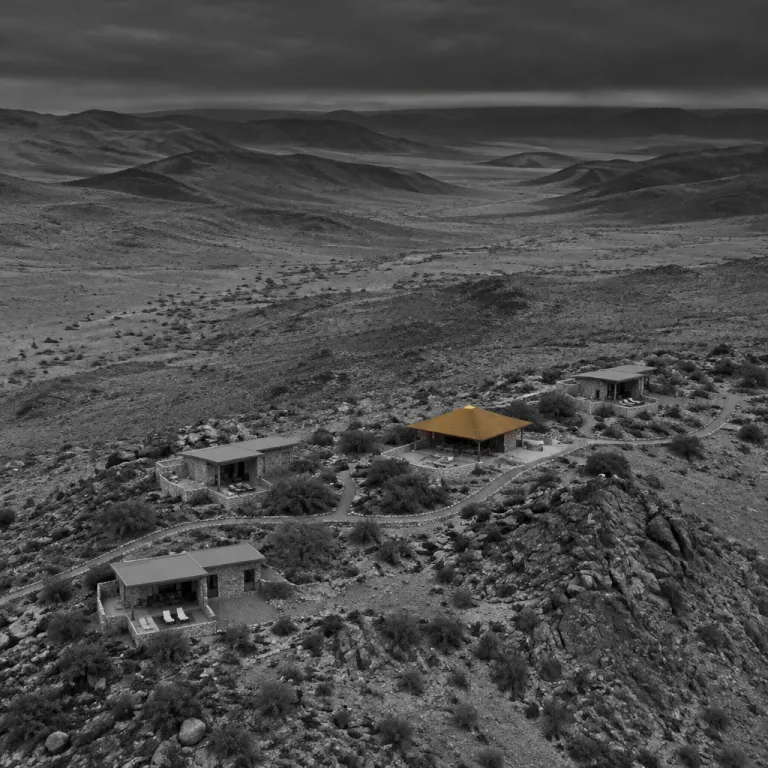
Namibrand nature reserve as Namibia’s quiet luxury desert icon
NamibRand Nature Reserve lies in south west Namibia, where the Namib Desert spills into vast gravel plains and distant inselberg mountains. This private conservation landscape covers about 202 200 hectares (around 2 022 km²), making it one of Africa’s largest privately protected areas and a benchmark for low impact luxury travel in Namibia. Guests who read carefully about the reserve soon understand why it has become a reference for wilderness quiet, refined service, and serious conservation in an Africa desert setting.
The NamibRand reserve stretches along roughly 100 kilometres of shared, unfenced boundary with Namib-Naukluft National Park, so your game drives often frame both the red dunes and distant mountains in a single view. This proximity to the Namib-Naukluft landscape means wildlife moves freely between the state park and the private nature reserve, and you can watch oryx, springbok, and zebra crossing open plains that feel like an Africa wilderness from another era. Growth in wildlife numbers over recent decades is documented by the NamibRand Conservation Foundation, which reports that removing internal fences and restoring natural migratory routes has allowed game to recolonise former livestock farms and gravel plains.
What sets this nature reserve apart for luxury and premium hotel booking is its strict density rule of roughly one guest bed per 1 000 hectares. That policy keeps the wilderness quiet even in peak season, and it ensures that camps and lodges remain intimate while still contributing meaningfully to conservation funding. For travellers comparing nature reserves across Namibia, this combination of space, silence, and attentive service makes NamibRand Nature Reserve a standout choice for those seeking a quiet park experience in the Namib Desert without sacrificing comfort.
Planning your journey: from Windhoek to the NamibRand desert plains
Most international visitors land in Windhoek, Namibia’s capital, before flying or driving south west towards the Namib Desert and NamibRand Nature Reserve. Many travellers choose to spend a night or two in refined Windhoek capital city stays before heading into the desert, and curated hotel collections such as Windhoek capital city stays make it easy to align urban comfort with onward wilderness plans. From Windhoek, scheduled charter flights with operators such as Wilderness Air or FlyNamibia reach the reserve’s main airstrips, including Wolwedans and Kwessi, in about 50 to 70 minutes, while a road transfer across gravel plains and mountain passes usually takes five to six hours depending on route and stops.
Driving gives you a tangible sense of Namibia’s scale, as the tar gives way to gravel and the air dries into true desert. You pass through changing nature zones, from highland savannah into the Namib, with its iconic dunes and wide plains that eventually merge into the private nature lands of NamibRand. Those who read road conditions carefully and plan fuel stops at towns such as Rehoboth, Mariental, or Maltahöhe can self drive to the reserve entrance, but once inside, all game drives are guided by lodge teams to protect wildlife and fragile habitats in this quiet park.
Luxury travellers often combine NamibRand with other parks international within Namibia, such as Etosha National Park in the north or the coastal sections of the Namib-Naukluft system. This multi stop approach lets you experience both the great white salt pans of Etosha and the red dunes of the Namib Desert in a single itinerary, while still returning each night to carefully selected camps and lodges. When planning, include at least three nights in the NamibRand reserve area to fully appreciate the rhythm of the sky, the changing light on the dunes, and the deep quiet that defines this part of Africa.
Where to stay: luxury camps and lodges in the Namibrand wilderness
Accommodation inside NamibRand Nature Reserve focuses on low density, high quality camps and lodges that blend into the desert. Properties typically feature canvas or glass fronted suites raised above the gravel plains, with private decks facing either the dunes or the open plains where wildlife grazes. Interiors lean towards natural materials and neutral tones, allowing the colours of the Namib Desert and the vast sky to dominate every view across this private nature landscape.
Many of these camps and lodges operate as concessions within the private nature reserve, contributing a portion of each guest’s stay to conservation and community projects. The NamibRand Conservation Foundation and its association of tourism partners use these funds to support research, environmental education, and ongoing wildlife monitoring across the reserve. When you book a premium suite here, your rate usually includes guided drives, walks, and sometimes sleep out platforms under the dark sky, so the experience feels both seamless and immersive.
Travellers often pair a stay in NamibRand with elevated safaris in Etosha, using curated booking platforms that highlight refined properties such as those featured under Etosha elevated stays and refined safaris. This combination of Etosha’s wildlife rich park and the wilderness quiet of NamibRand Nature Reserve creates a balanced Namibia itinerary for discerning guests. When comparing options, look for camps that limit vehicle numbers on drives, use soft lighting to protect the dark sky, and offer clear information about their conservation commitments.
Dark sky reserve status and the art of desert stargazing
NamibRand Nature Reserve holds Gold tier status as an International Dark Sky Reserve, a designation that recognises exceptional night sky quality and strict control of light pollution. The International Dark Sky Association describes this status clearly in its own words: "Gold-tier designation for minimal light pollution protecting natural night sky" on its official NamibRand page, which confirms the reserve’s compliance with rigorous monitoring standards. For guests, this means that after sunset the desert returns to near total darkness, and the Milky Way arches over the dunes with a clarity rarely seen elsewhere in Africa.
Luxury camps and lodges in the reserve design their lighting carefully, using shielded, low intensity fixtures and often red toned pathways to preserve night vision. Some properties include small observatories or high quality telescopes, while others simply provide comfortable loungers and blankets on private decks so you can read the constellations with the help of a guide. To make the most of this sky reserve, plan your visit around the lunar cycle, avoiding full moon periods when the bright sky can wash out the fainter stars.
Because the NamibRand reserve sits far from major settlements, the combination of high altitude, dry air, and minimal dust creates exceptional transparency. Guests often describe the experience of lying in silence on warm gravel plains, listening to the wilderness quiet while satellites and shooting stars cross the sky. For many, this dark sky immersion becomes as memorable as any wildlife sighting, and it is a defining reason to include NamibRand Nature Reserve in a luxury Namibia itinerary focused on nature and stars.
Conservation, wildlife and the ethics of staying in a private nature reserve
The story of NamibRand Nature Reserve began when J.A. (Albi) Brückner started buying overgrazed livestock farms and removing internal fences to restore the land. Over time, these properties were merged into one of Africa’s largest private conservation landscapes, where wildlife could once again move freely between the Namib Desert and the neighbouring Namib-Naukluft National Park. Today, the NamibRand Conservation Foundation and its association of partners manage this Africa wilderness with a clear focus on ecological integrity and financial sustainability.
Tourism is central to that model, and every luxury stay in the NamibRand reserve area directly supports conservation. Lodge fees help fund research programmes, an environmental education centre at NaDEET, and ongoing monitoring of wildlife such as oryx, hartebeest, and predators that move across the plains and dunes. Growth in wildlife numbers, documented over several decades in NamibRand’s own monitoring reports, shows how carefully managed tourism and strict vehicle rules can allow both nature and high end hospitality to thrive.
Guests who care about ethics often read lodge information closely, looking for details on water use, energy, and community partnerships. Many camps and lodges in this private nature landscape rely on solar power, limit pool sizes, and design buildings to blend into the gravel plains rather than dominate them. When you choose to include NamibRand Nature Reserve in your Namibia journey, you are not only accessing a quiet park experience but also contributing to a long term conservation vision that has become a model for other nature reserves in Africa.
Signature experiences: from dunes and gravel plains to desert adapted wildlife
Days in NamibRand Nature Reserve follow the rhythm of the desert, with early morning and late afternoon activities framed by long, quiet midday hours. Guided drives explore a mosaic of red dunes, pale grassed plains, and darker gravel plains, each supporting different wildlife and plant communities. You might watch oryx outlined against a dune ridge at sunrise, then later read tracks of smaller creatures etched into the sand by the night wind.
Some lodges offer guided walks that focus on the subtle details of desert nature, from fog harvesting beetles to hardy shrubs that anchor the dunes. Others include scenic drives along the boundary with Namib-Naukluft, where the transition between the national park and the private nature reserve highlights how contiguous protected areas benefit wide ranging wildlife. For travellers interested in broader Namibia conservation stories, it is worth exploring related experiences such as tracking desert adapted rhinos on the Palmwag concession, which shows how similar principles apply in different regions.
Back at camp, the wilderness quiet becomes part of the luxury, as you sit on your deck watching the sky shift from pale blue to deep dark. Many guests find that the absence of artificial noise, combined with the vastness of the Africa wilderness around them, creates a rare sense of calm. This is where NamibRand Nature Reserve truly excels as a destination for premium travellers: it offers refined comfort, attentive service, and a profound connection to the Namib Desert landscape that feels both exclusive and deeply respectful of nature.
Key figures and practical statistics for planning a Namibrand stay
- NamibRand Nature Reserve covers about 202 200 hectares, making it one of Africa’s largest private conservation areas and giving each guest an exceptional sense of space compared with many other nature reserves.
- The reserve shares roughly 100 kilometres of unfenced boundary with Namib-Naukluft National Park, creating a large, continuous habitat for wildlife moving between dunes and plains in this part of Namibia.
- Average annual rainfall in the NamibRand area is around 50 millimetres, so luxury camps and lodges design water saving systems and low impact infrastructure suited to an extremely arid desert climate.
- The tourism model limits development to approximately one guest bed per 1 000 hectares, which keeps vehicle densities low and helps maintain the wilderness quiet that many travellers seek in a private nature setting.
- Dark sky reserve status at Gold tier level, as recognised by the International Dark Sky Association, reflects minimal light pollution across the entire reserve, making NamibRand one of the best places in Namibia, and in Africa more broadly, for high quality stargazing.
FAQ about luxury stays in Namibrand nature reserve
What makes Namibrand a Dark Sky Reserve ?
NamibRand Nature Reserve is recognised as a Gold tier International Dark Sky Reserve because it has exceptionally low levels of light pollution and strict lighting controls at all camps and lodges. This status, confirmed by the International Dark Sky Association on its official NamibRand listing, ensures that guests experience a natural night sky with outstanding clarity. For luxury travellers, it means stargazing is a core part of the stay, not an afterthought.
Is Namibrand open all year for luxury travellers ?
The reserve is open throughout the year, but conditions vary with the seasons in this part of Namibia. Many guests prefer the dry months from May to September, when daytime temperatures are milder and the sky often remains crystal clear for dark sky viewing. Summer brings higher heat and occasional storms, which can be dramatic but require careful planning for comfort in this desert park.
Can visitors drive themselves inside the reserve ?
Self driving is not allowed beyond lodge access routes inside NamibRand Nature Reserve, in order to protect fragile desert habitats and reduce disturbance to wildlife. All game drives and most activities take place with professional guides from the camps and lodges, who know the dunes, plains, and gravel plains intimately. This approach enhances safety, improves wildlife sightings, and supports the conservation goals of the private nature reserve.
How far is Namibrand from other major Namibia parks ?
NamibRand lies in south west Namibia, bordering Namib-Naukluft National Park and several other protected areas within the wider Namib Desert region. By light aircraft, it is typically less than an hour from Windhoek and a similar distance from Sossusvlei airstrips, while flights to Etosha take longer but remain feasible within a single travel day. Many luxury itineraries link these parks international style, combining NamibRand’s wilderness quiet with Etosha’s dense wildlife viewing.
What type of wildlife can luxury guests expect to see ?
While NamibRand is not a Big Five destination like some other Africa reserves, it offers excellent sightings of desert adapted species such as oryx, springbok, zebra, and a variety of smaller mammals and birds. Predators like leopard and hyena occur at low densities, and the focus is often on the interaction between wildlife and the dramatic dunes, plains, and sky. For many guests, the combination of scenery, space, and subtle wildlife encounters defines the appeal of a stay in this private nature reserve.